What a Fixed Conveyor Bracket Does
A fixed conveyor bracket is the rigid support frame that holds idler rollers in a set position along a conveyor. Unlike a adjustable bracket, which lets maintenance staff change the trough angle or roller position, the fixed version is welded or bolted to a single geometry. That makes it a good fit for lines where the belt path, material load, and trough profile stay the same shift after shift. In a quarry, a cement plant, or a power plant coal yard, this kind of bracket keeps the belt tracking steady and reduces the number of parts that can drift out of alignment.
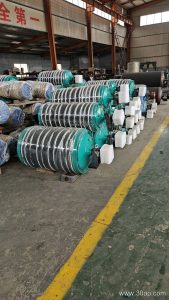
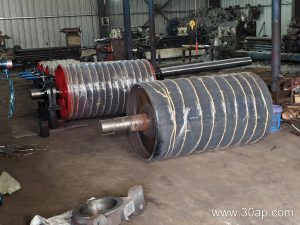
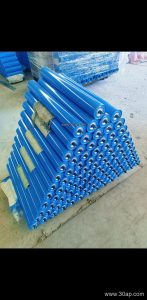
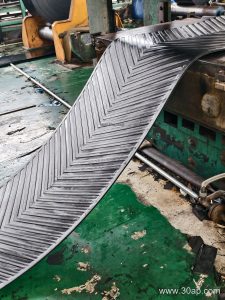
The bracket works together with the conveyor belt, the idler roller, and the conveyor pulley. The pulley drives the belt, the rollers carry it, and the bracket keeps those rollers at the right height and angle. If you are sourcing components for a new line, a fixed conveyor bracket is often the default choice for the main carrying run, while adjustable brackets are saved for transition zones or belts that may need fine tuning later.
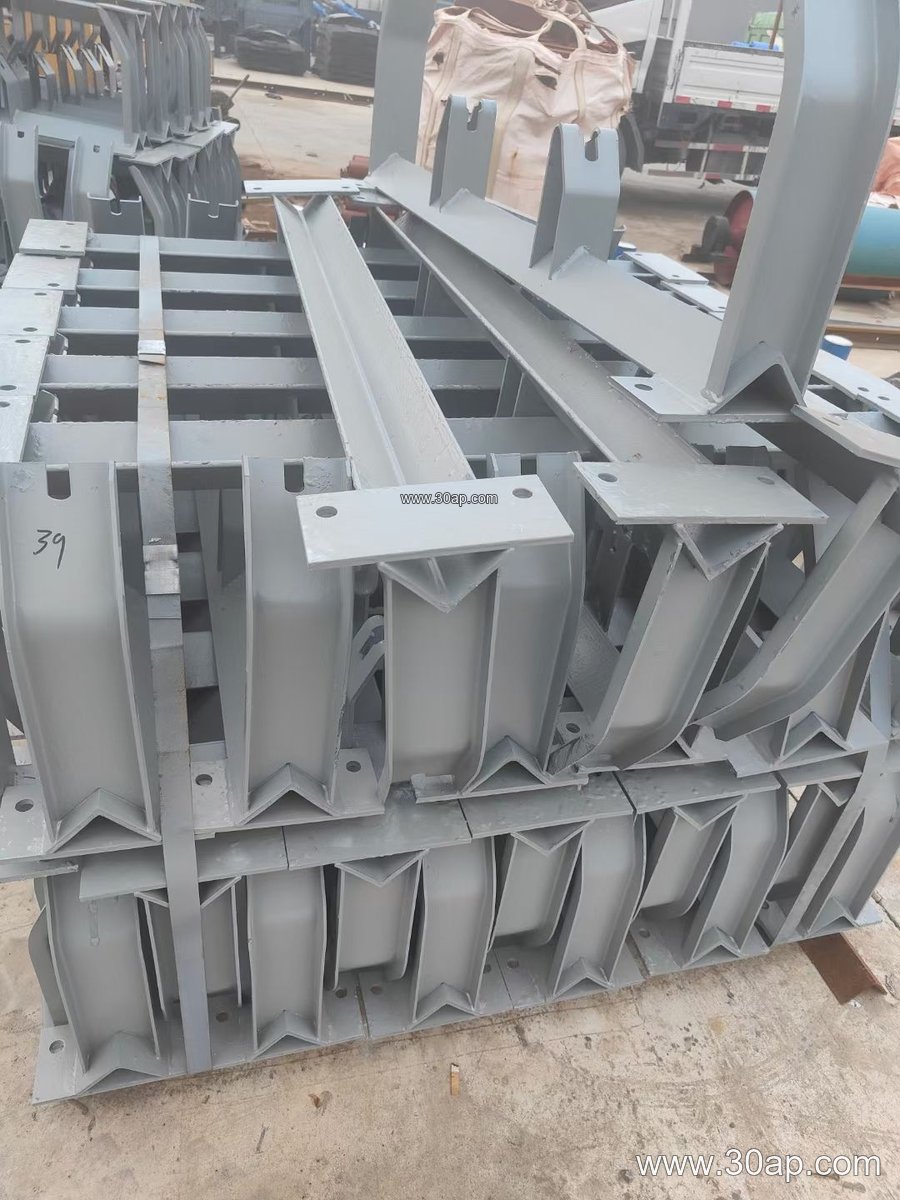
Construction and Common Materials
Most fixed brackets are built from angle steel, channel steel, or folded steel plate. The frame is usually formed to match a specific belt width and trough angle, then drilled or punched for roller mounting. A simple upper trough bracket may hold three rollers in a 20, 30, 35, or 45 degree trough. Return brackets, V-return brackets, and flat lower brackets follow the same idea but sit under the belt to support the return strand.
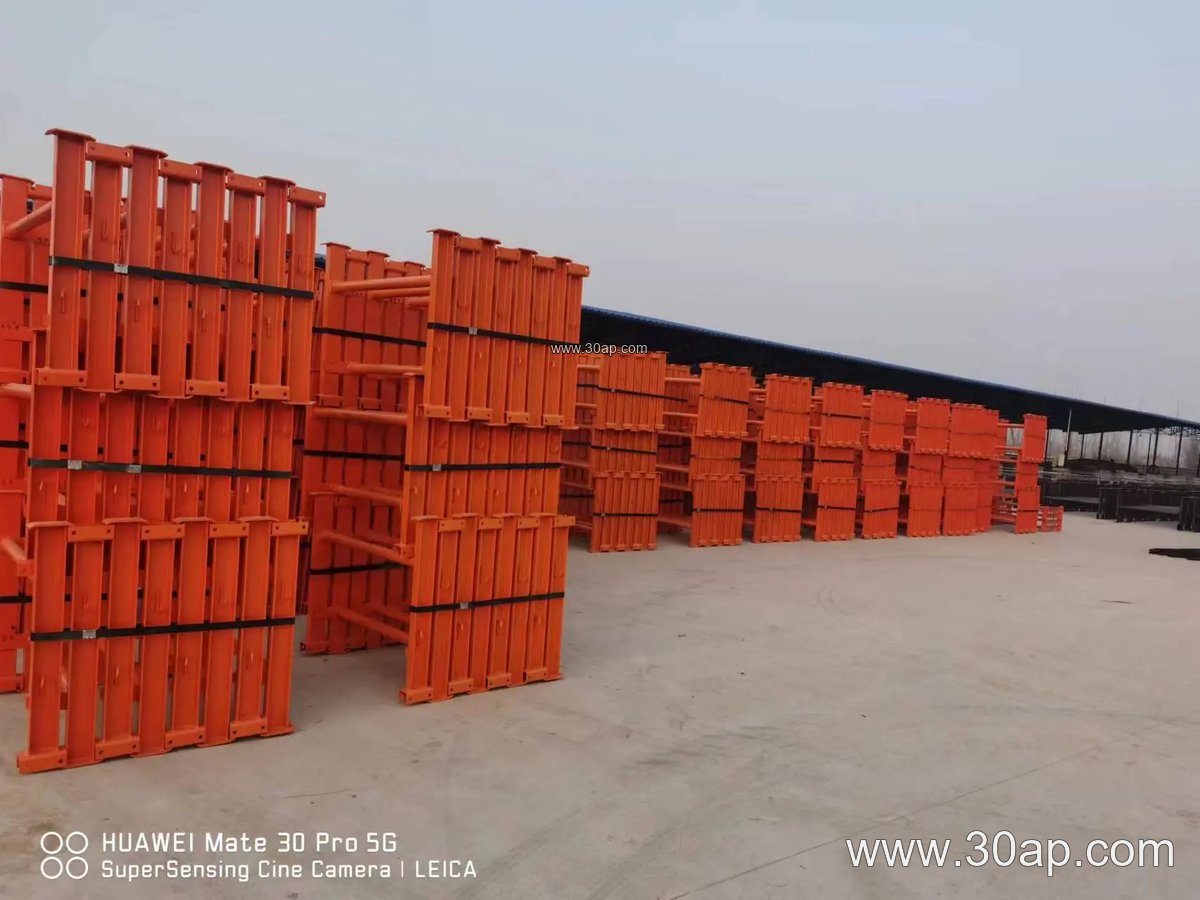
The table below shows typical reference combinations. These are common examples, not fixed rules, and actual mounting hole spacing and beam length are determined by the conveyor design.
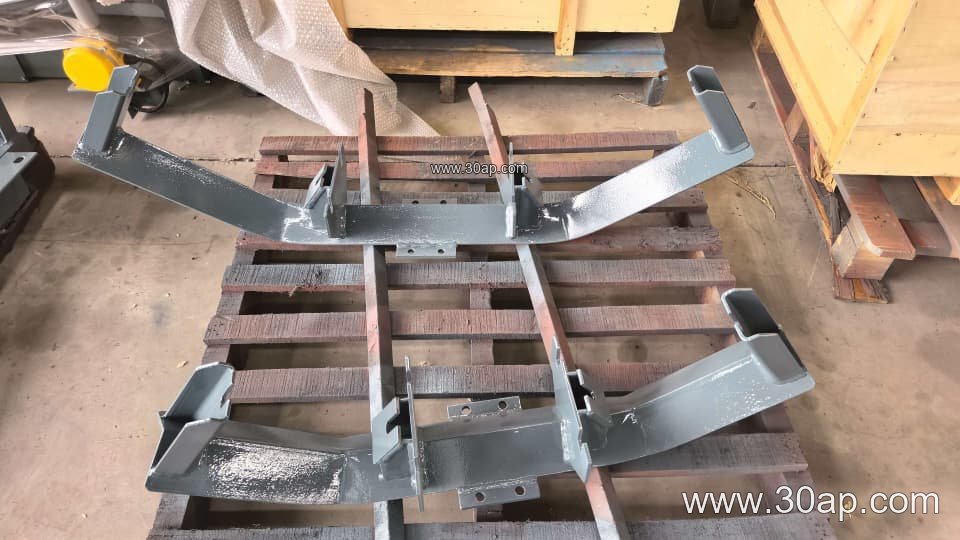
| Belt width | Trough angle | Roller diameter | Typical bracket role |
|---|---|---|---|
| B500 | 30 degree | Ø89 | Upper trough support |
| B650 | 30 degree | Ø89 | Upper trough support |
| B800 | 35 degree | Ø108 | Carrying run bracket |
| B1000 | 35 degree | Ø108 | Carrying run bracket |
| B1200 | 45 degree | Ø133 | Heavy trough bracket |
| B1400 | 45 degree | Ø133 | Heavy trough bracket |
| B1600 | 35 degree | Ø159 | High capacity bracket |
| B1800 | 35 degree | Ø159 | High capacity bracket |
| B2000 | 30 degree | Ø194 | Wide belt bracket |
Where Fixed Brackets Fit Best
Fixed brackets are common in the main carrying section of a long overland conveyor, in a limestone mine, and in a cement plant raw material line. They also appear on the return side, where a V-return bracket or flat lower bracket keeps the belt from sagging. In a coal mining conveyor or an underground coal mining conveyor, flame retardant conveyor belt and anti-static conveyor belt are often paired with steel brackets that hold idler rollers firmly in place.
Because the bracket does not move, it suits lines that handle a steady bulk material load. A quarry conveyor belt carrying crushed rock, an ore conveyor belt at an iron ore site, or an aggregate conveyor belt in a sand and gravel plant all benefit from a rigid frame that resists vibration. In a crusher conveyor belt line, impact resistant conveyor belt and buffer roller brackets can be combined near the load point, while standard fixed brackets handle the rest of the run.
Matching the Bracket to the Belt and Roller
Buyers should start with the belt width and the required trough angle, then confirm the roller diameter. A wider belt such as a 1200mm conveyor belt or a 1500mm wide conveyor belt needs a longer beam and stronger frame than a 650mm unit. The roller diameter should follow the load and speed of the line, not the belt width alone. For example, a B1200 line may use Ø133 or Ø159 rollers depending on the duty, and a B800 line may use Ø108 or Ø133. There is no single mandatory match.
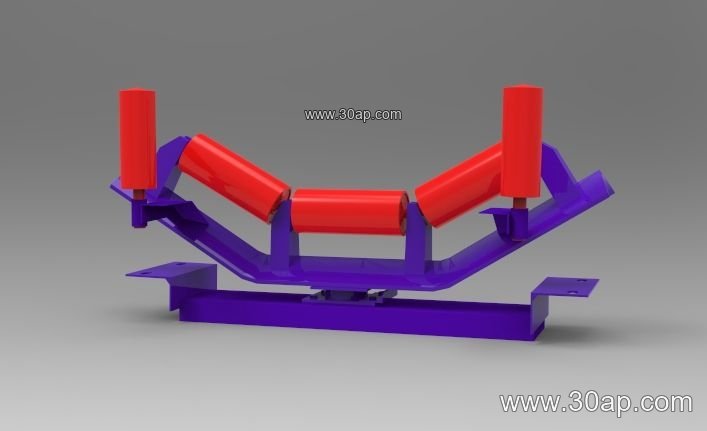
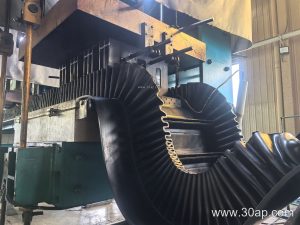
Also check the material and surface protection. A steel plant conveyor belt or a sintering line may need heat resistant conveyor belt and heat resistant rollers, while a fertilizer plant may prefer acid resistant conveyor belt and coated frames. A food grade conveyor belt line calls for clean, well-finished brackets with no sharp edges. If the belt is a pipe conveyor belt or a corrugated sidewall conveyor belt, the bracket layout follows the special roller arrangement of that system.
Installation and Maintenance Notes
- Align the bracket to the conveyor centerline before tightening the bolts; a small offset can cause belt mistracking.
- Check that the mounting holes match the selected idler roller shaft; do not force a mismatch.
- Inspect welds and bolts after the first weeks of operation, especially on a heavy-duty mining conveyor belt line.
- Keep the bracket surface free of buildup in wet or dusty plants, such as a wash plant or a port conveyor belt terminal.
- Replace a bent bracket promptly; a distorted frame can wear the belt edge and shorten roller life.
For a new project, send the belt width, trough angle, roller diameter, and the conveyor drawing to the supplier. A well chosen fixed conveyor bracket is a simple part, but it has a direct effect on belt life and on the performance of every idler roller and conveyor pulley on the line.