What the ST1600 Conveyor Belt Is
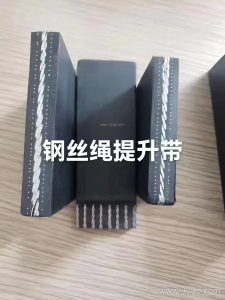
The ST1600 Conveyor Belt is a steel cord conveyor belt with a nominal tensile strength of 1600 N/mm. It belongs to the steel cord family of belts, where the load-bearing skeleton is made from parallel steel cords rather than woven fabric plies. That construction gives the belt high longitudinal strength with relatively low elongation, which is why it is often chosen for long conveying distances and high-tonnage duties in mining, cement, power generation and port operations.
In daily site language, this product is also called an ST1600 steel cord belt or an ST1600 steel cord conveyor belt. Those are equivalent names for the same belt type; a fabric belt such as an EP Conveyor Belt or NN Conveyor Belt is a different construction and is not a substitute when steel cord performance is required.
How the Belt Is Built
The core of an ST1600 belt is a single layer of high-tensile steel cords, arranged parallel to each other and spaced evenly across the width. The cords are embedded in a rubber compound, and the belt is finished with top and bottom cover rubber on both faces. The cover protects the cords from abrasion, impact, moisture and other site conditions, while the cord layer carries the tension.
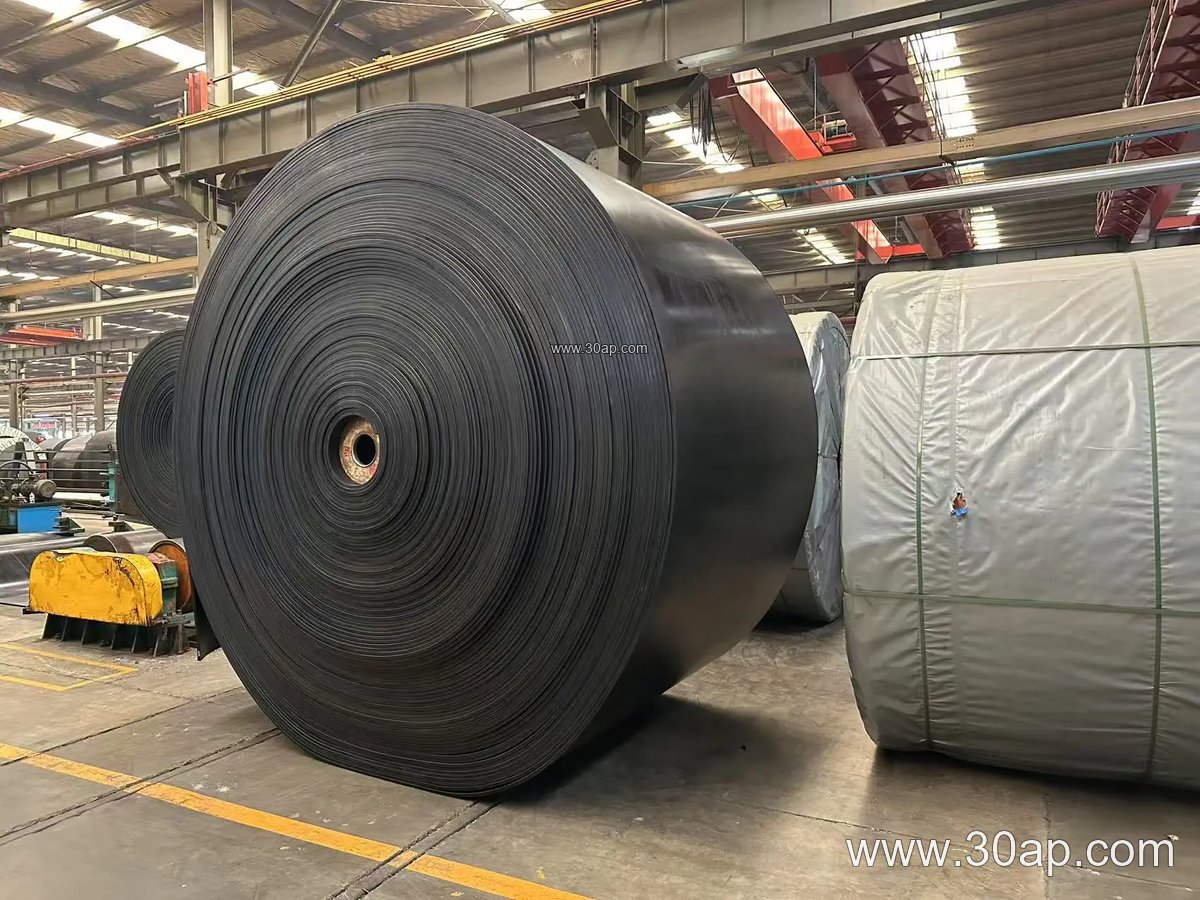
Typical construction details include:
- Steel cord layer as the tension-bearing element, with cord pitch and diameter set by the belt designer
- Core rubber that bonds the cords and cushions them under load
- Top and bottom cover rubber in grades selected for the duty, such as abrasion resistant, heat resistant or flame retardant compounds
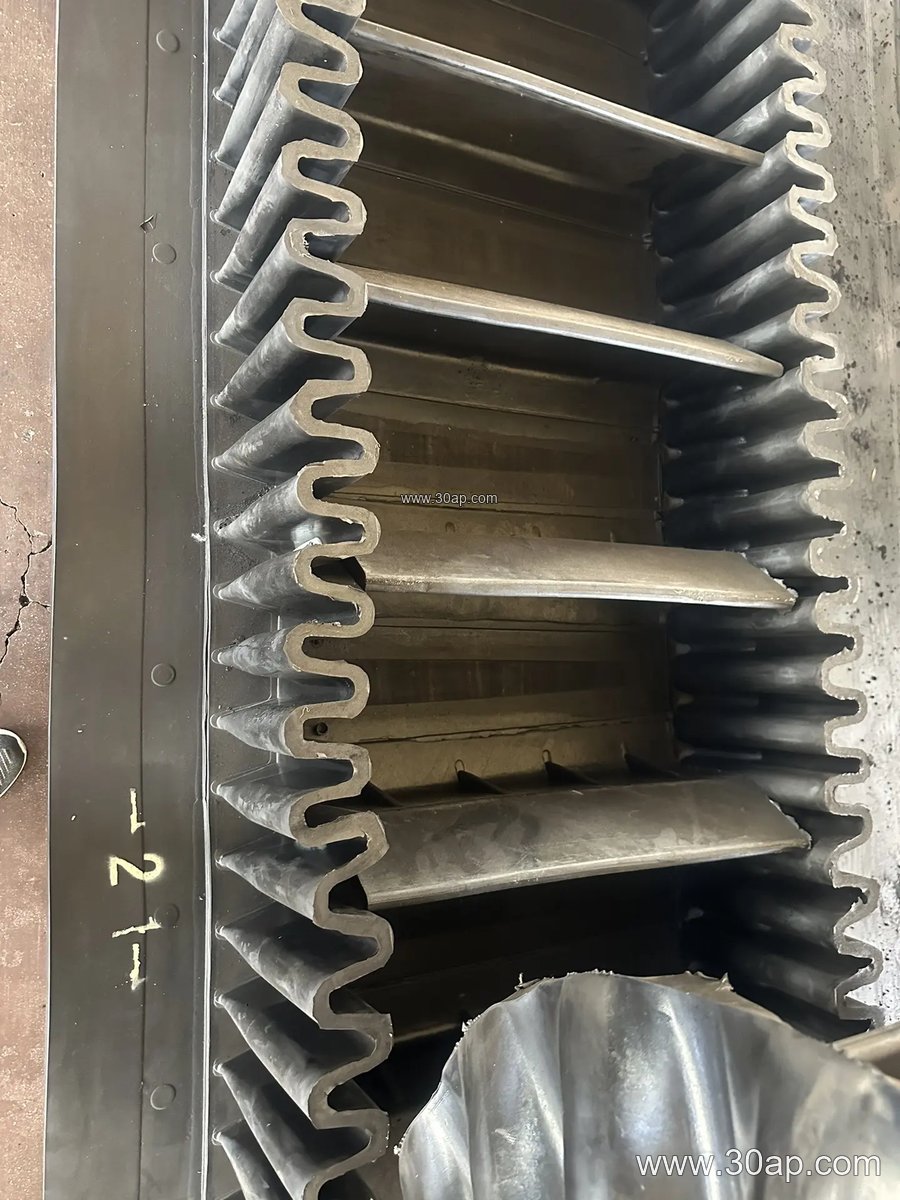
- Optional forms such as corrugated sidewall or a Chevron Conveyor Belt profile when the conveyor route needs them
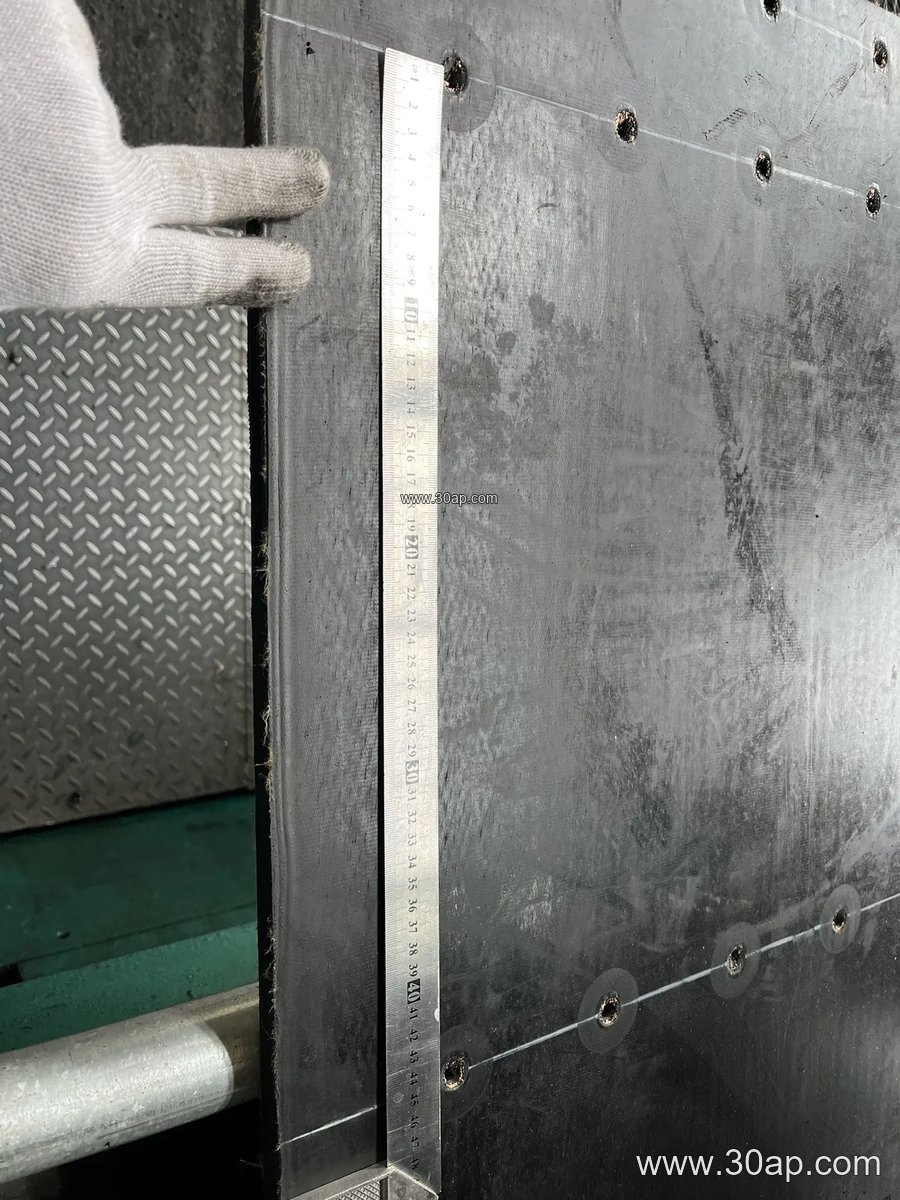
Cover thickness is usually stated as a pair, for example 6+2 mm or 8+3 mm, meaning top cover plus bottom cover. These figures are common reference values; the actual build should follow the conveyor design and the belt maker’s data sheet.
Where It Fits in a Conveying System
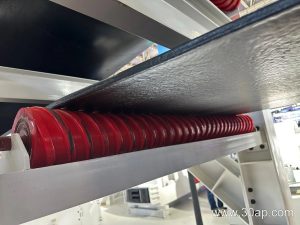
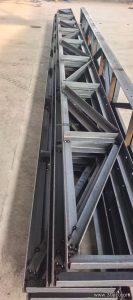
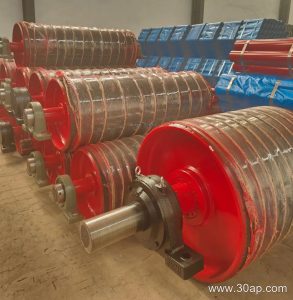
An ST1600 belt is normally used on heavy-duty conveyor lines that move bulk material over long distances or at high capacity. The belt runs over a conveyor pulley at the drive and tail ends, is supported by idler roller sets along the carrying side, and is held in line by conveyor brackets and frame structures. Because steel cord belts tolerate high tension, they are often found in:
- Coal mining and underground coal mining conveyor systems
- Iron ore, copper ore and gold mining operations
- Cement plants moving clinker, limestone and raw meal
- Power plant coal yards and boiler feed lines
- Quarry, aggregate and stone crushing plants
- Port and ship loading conveyors handling bulk material
For abrasive rock and ore duties, an abrasion resistant conveyor belt cover grade helps extend service life. In coal or dusty environments, a flame retardant conveyor belt and anti-static properties may be required by the site’s safety rules. Those requirements should be confirmed with the belt supplier before ordering.
Common Reference Specifications
The table below shows typical reference values for steel cord belts in this strength class. They are examples, not a fixed supply promise, and each project should be checked against its own conveyor design.
| Parameter | Common Reference |
|---|---|
| Belt type | Steel cord conveyor belt, ST1600 |
| Nominal tensile strength | 1600 N/mm |
| Belt width examples | B800, B1000, B1200, B1400, B1600, B1800, B2000 |
| Cover thickness examples | 4+2 mm, 5+2 mm, 6+2 mm, 8+3 mm |
| Cover grades | Abrasion resistant, heat resistant, flame retardant, oil resistant, cold resistant |
| Related belt strengths | ST1000, ST1250, ST2000, ST2500, ST3150 |
Width and cover grade are selected together with the conveyor’s capacity, material lump size and pulley arrangement. A wider belt does not automatically mean a larger pulley or shaft; those are set by the conveyor designer.
Buyer Checklist
Before ordering an ST1600 Conveyor Belt, gather the following information so the belt matches the conveyor and the material:
- Belt width and required cover thickness for top and bottom faces
- Material being carried, lump size, temperature and any oil or chemical exposure
- Safety requirements such as flame retardant and anti-static behaviour
- Conveyor layout, including drive and tail pulley positions and idler roller spacing
- Whether a standard belt or a profiled form such as a corrugated sidewall belt is needed
- Storage and splicing conditions on site, since steel cord belts usually need careful jointing
Maintenance matters as well. Checking idler roller alignment, pulley condition and belt tracking helps prevent edge damage and cover wear. Keeping the belt clean and avoiding sharp impact at transfer points will protect the cord layer and extend service life. For sites that also run fabric belts, it is worth knowing that an EP Conveyor Belt or a Multi-Ply Fabric Core Conveyor Belt serves a different duty range, so the two should not be treated as interchangeable.
With the right cover grade and correct installation, the ST1600 steel cord belt can handle demanding bulk material duty in mines, cement works, power plants and quarries.