What an Industrial Conveyor Pulley Does
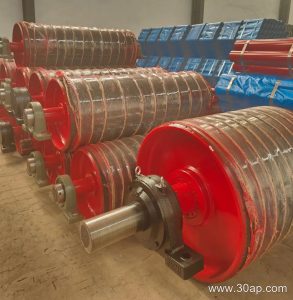
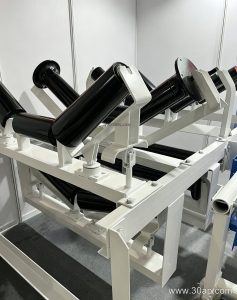
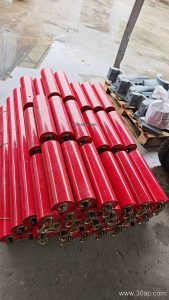
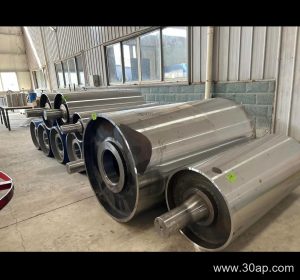
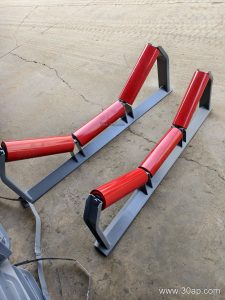
An industrial conveyor pulley is the cylindrical component that drives, tensions, or redirects a conveyor belt. In a typical bulk handling line, it transfers motion from the drive system to the belt and helps maintain belt alignment and tension. Unlike an idler roller, which supports the belt along its carrying run, a pulley is usually a larger, load-bearing drum mounted at key points such as the head, tail, or take-up area. You will see these drums in quarries, coal preparation plants, cement plants, and port bulk terminals, often working alongside a rubber conveyor belt and a series of conveyor brackets.
The term covers several distinct subtypes. A drive pulley (also called a head pulley) transmits power to the belt. A tail pulley sits at the loading end and helps control belt tracking. A bend pulley changes belt direction without driving, while a take-up pulley maintains tension. These roles are not interchangeable, so specifying the right one matters from the start.
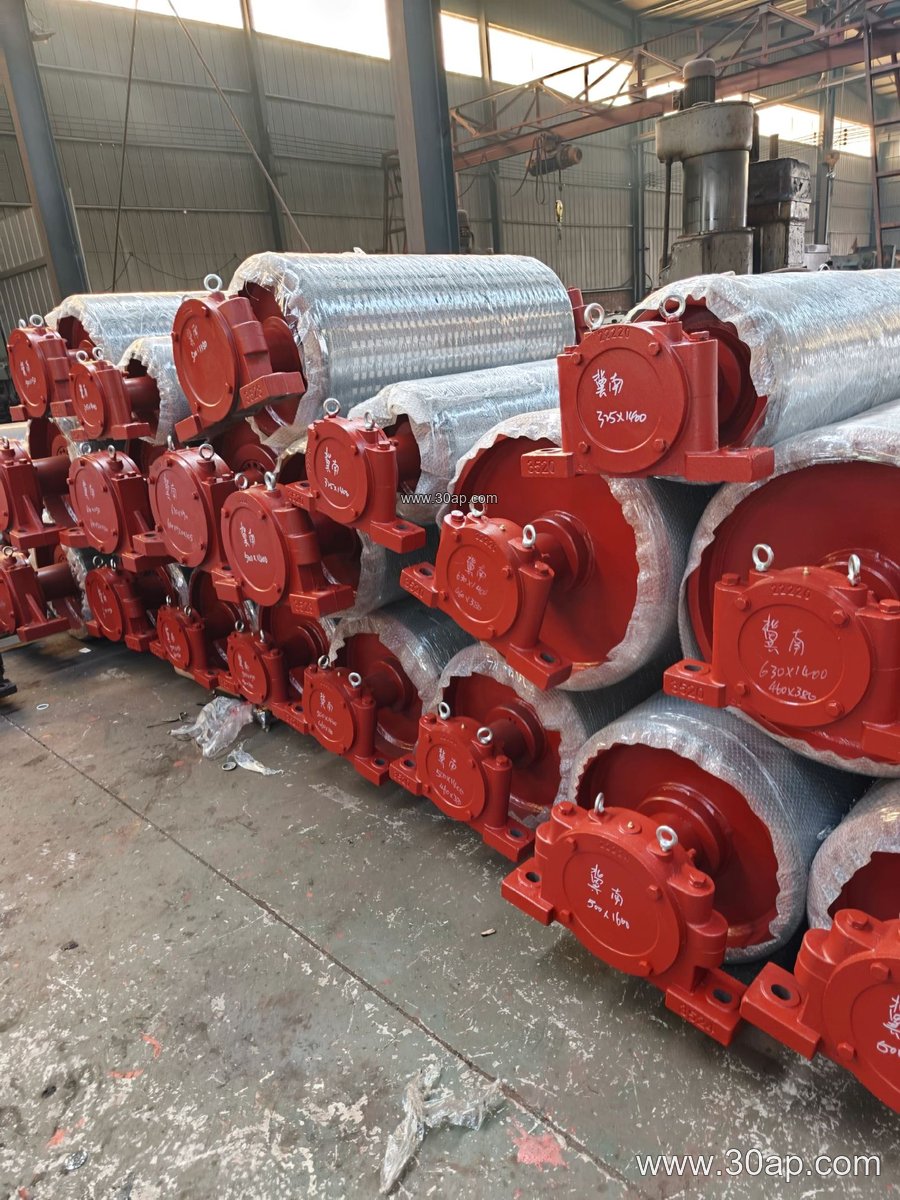
Construction and Surface Options
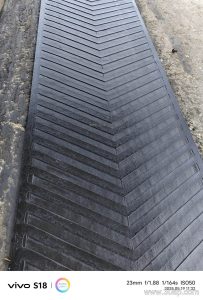
A typical pulley assembly includes a cylindrical shell, end discs, a shaft, and bearing housings. The shell may be plain or covered with a rubber or ceramic lagging to improve grip and reduce belt slip. Common surface forms include smooth, diamond grooved, herringbone, and ceramic lagging. Lagging thickness often falls in the range of 8 mm to 20 mm, depending on the duty. For abrasive conditions such as a quarry conveyor belt handling crushed rock, a abrasion resistant conveyor belt paired with diamond lagging can help extend service life. In coal mining, a flame retardant conveyor belt and anti-static conveyor belt are often specified together with the pulley to meet site safety requirements.
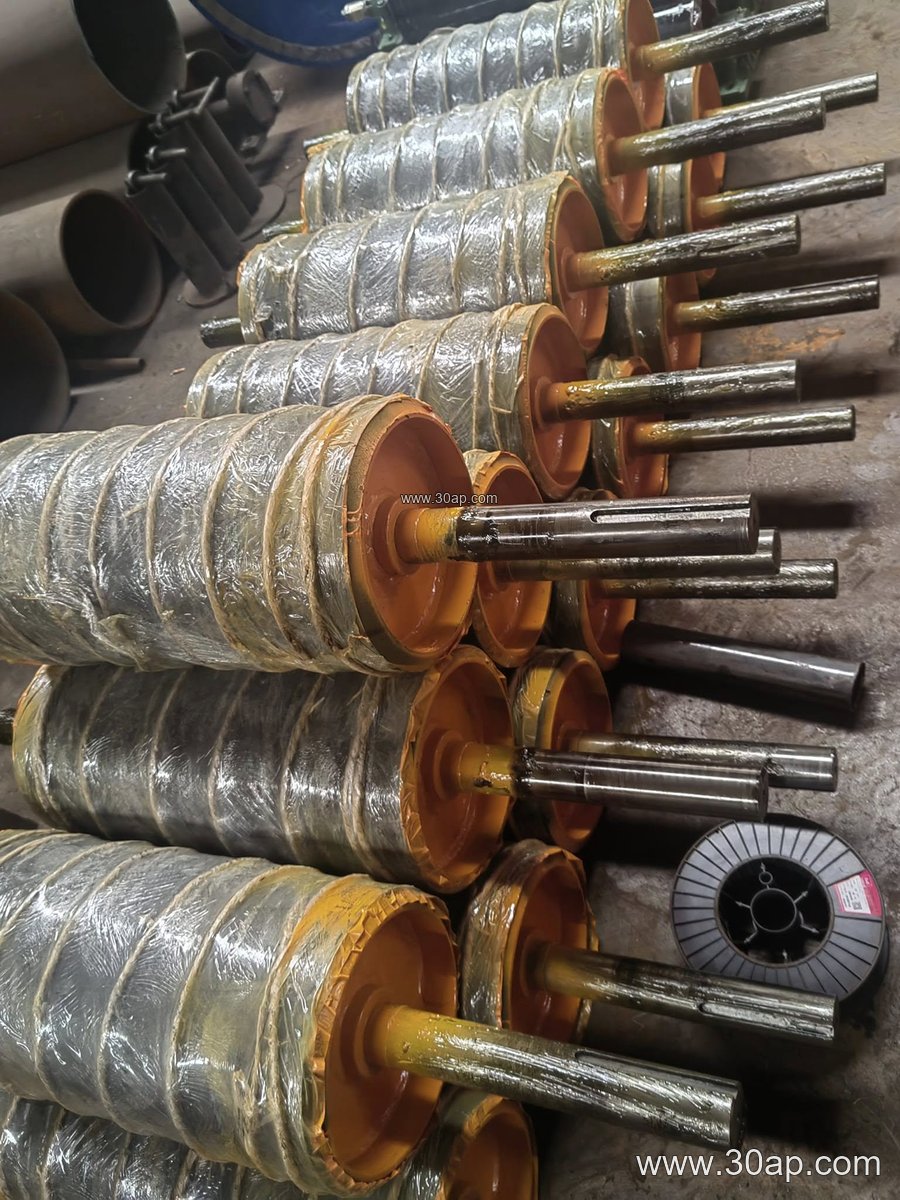
Belt width and pulley diameter are selected together but are not locked in a one-to-one relationship. A B800 system might use a Ø500 pulley in one layout and a Ø630 in another, depending on belt tension and wrap angle. Common shell widths are slightly wider than the belt, for example about 950 mm for a B800 belt and about 1400 mm for a B1200 belt. Shaft diameter is determined by torque and load, not by belt width alone. Typical shaft sizes range from Ø50 to Ø200, but final sizing should follow the conveyor design.
Where It Fits in the System
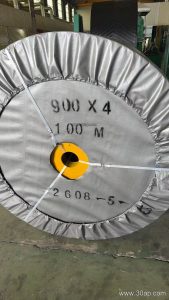
In a stone crushing line, the drive pulley at the head end pulls the belt after the crusher, while a bend pulley may route the belt around a transfer point. In a power plant coal yard, pulleys work with a heavy-duty conveyor belt to move fuel from stockpile to boiler. A cement plant uses pulleys on clinker and raw material belts, often with a heat resistant conveyor belt near hot zones. Port ship loaders rely on large pulleys to handle wide belts, sometimes 1800 mm or 2000 mm wide, moving ore or aggregate at high tonnage.
Other industries follow similar logic. A steel plant may use a oil resistant conveyor belt near oily equipment, and a fertilizer plant may choose a chemical resistant conveyor belt. In each case, the pulley must match the belt’s tension rating and the environmental conditions.
Buyer Checklist
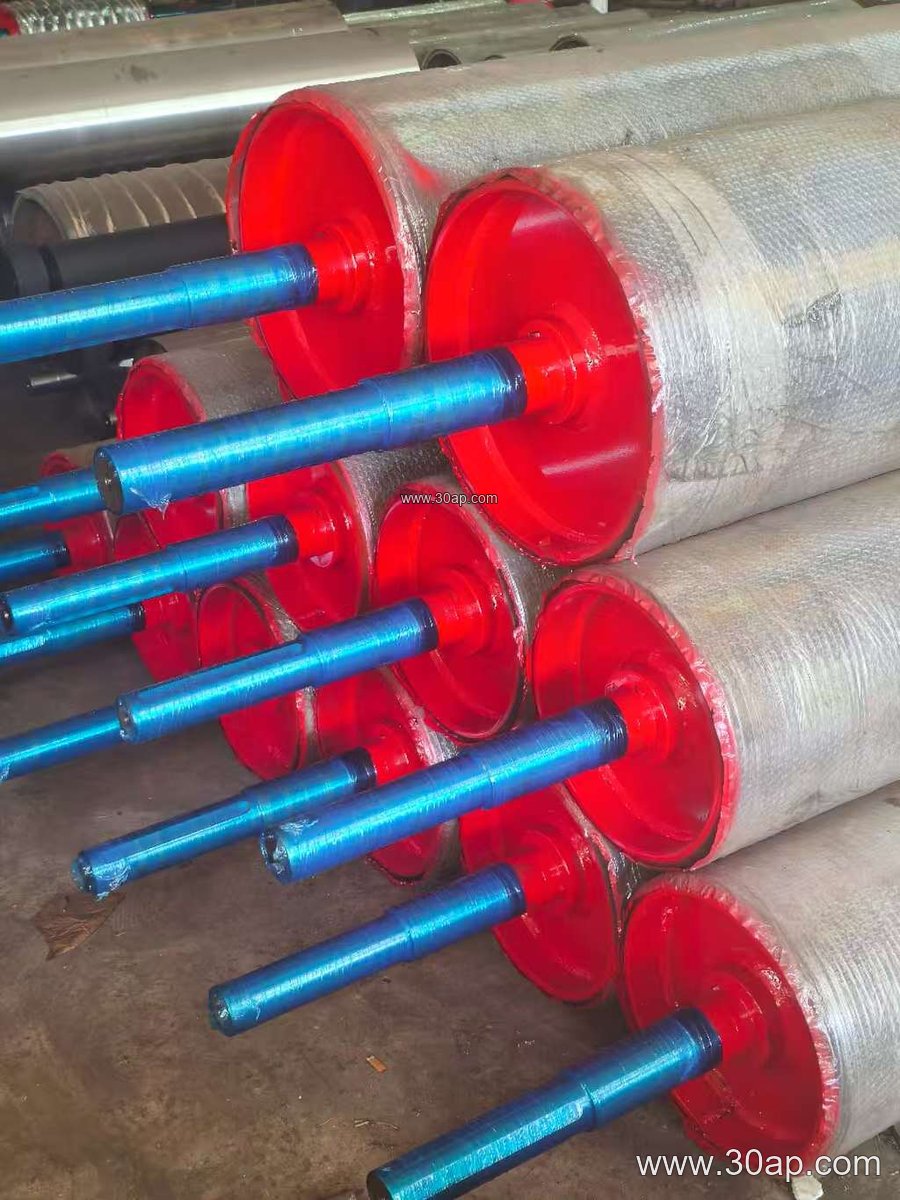
Before ordering, confirm the pulley’s role (drive, tail, bend, or take-up), the belt width, the required diameter, and the lagging type. Ask for the shaft size based on your torque calculation, not a guess. Check whether the pulley will operate in a dusty, wet, or hot area, as this affects bearing seals and lagging choice. For underground coal mining, verify that the pulley and belt components meet flame retardant and anti-static requirements. Also consider maintenance access: a pulley that is easy to inspect and re-lag will reduce downtime.
Keep spare lagging and bearings on hand for critical conveyors. During installation, align the pulley carefully with the belt path and check tension after the first run-in. A well-matched industrial conveyor pulley, combined with the right conveyor belt and idler roller set, supports reliable operation in demanding bulk handling environments.