What the Ø127 Conveyor Idler Is
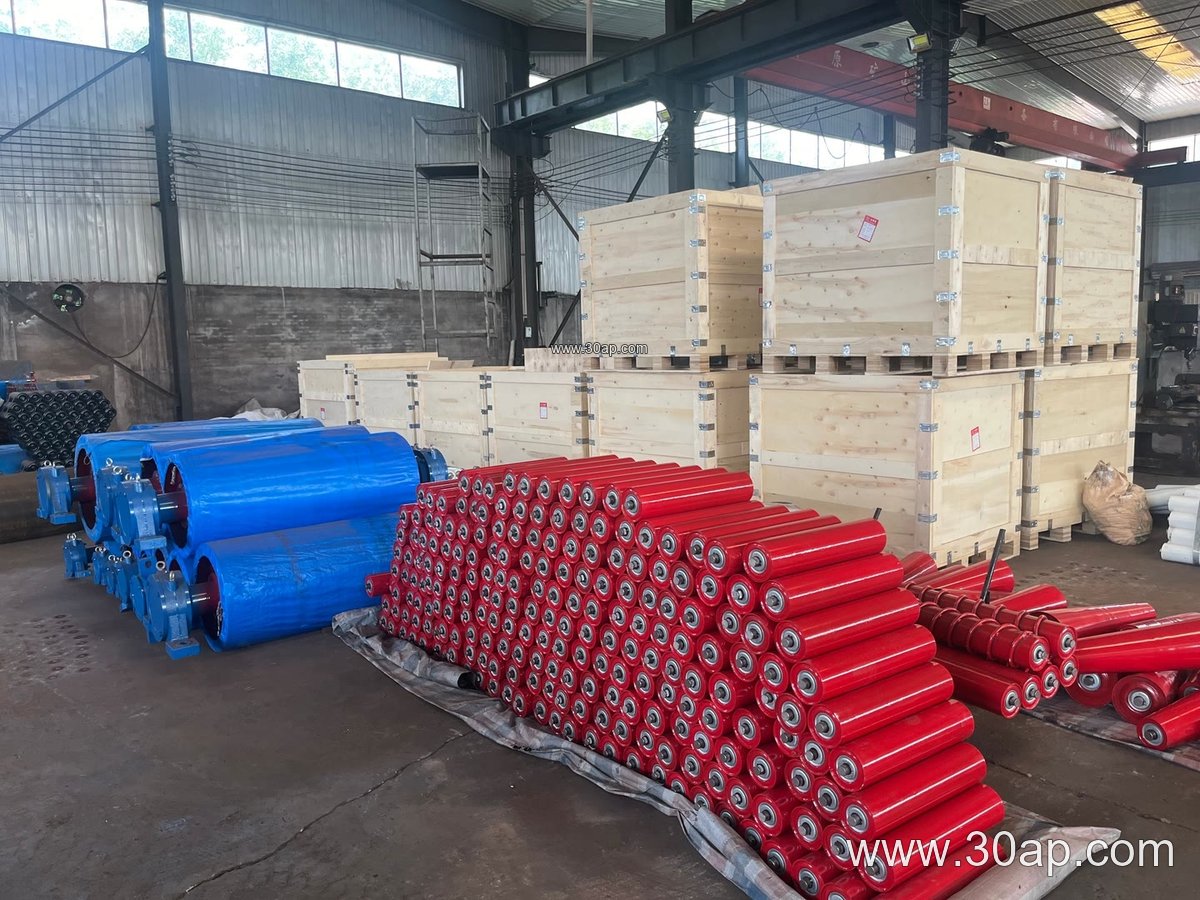
The Ø127 conveyor idler is a carrying roller with a nominal shell diameter of 127 mm, widely used on medium to large belt conveyors where the belt carries bulk materials at high tonnage. In plants and quarries, the same item is often called a 127 mm diameter idler roller or simply a Ø127 idler. It sits under the belt as part of the troughing set or returns along the bottom strand, supporting the conveyor belt and keeping it tracking smoothly between the head and tail pulleys.
Compared with smaller rollers such as Ø89 or Ø108, the 127 mm shell offers greater stiffness, larger bearing capacity and longer service life under heavy loads, which is why it appears on long overland lines, stockyard conveyors and main haulage belts in mines, coal preparation plants and cement works.
How the Roller Is Built
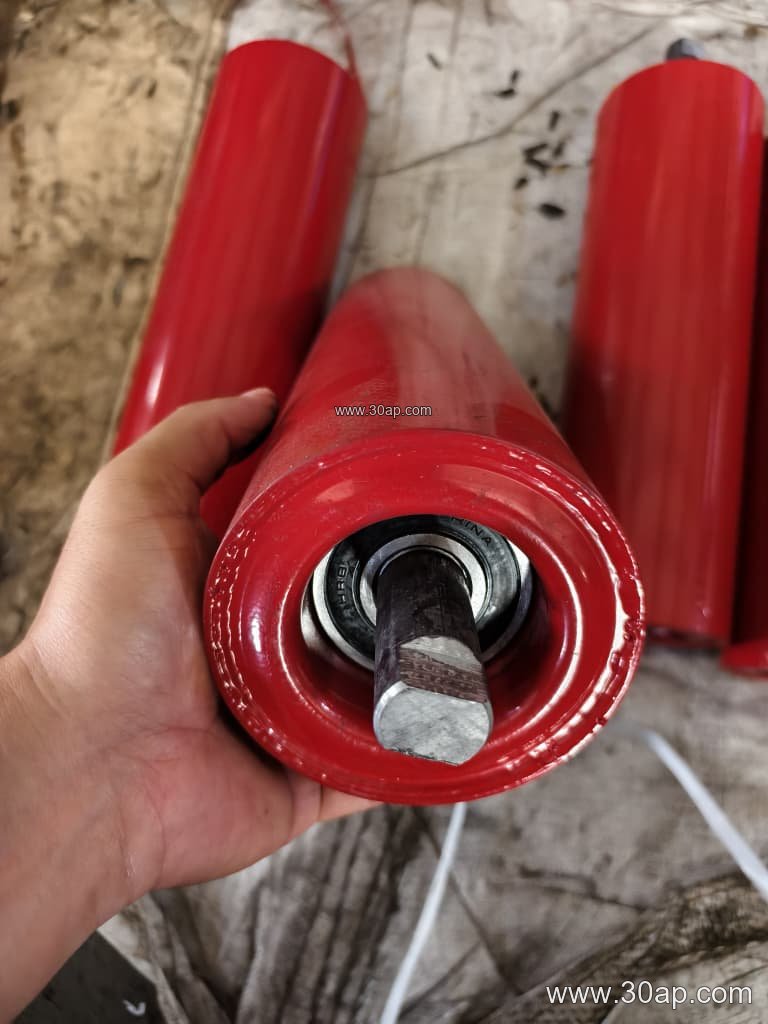
A typical Ø127 idler consists of a steel tube shell, two bearing housings, a through shaft, labyrinth seals and a lubricated bearing cavity. The shell is usually machined to keep the outer surface concentric with the shaft, and the ends are fitted with pressed or welded caps. Sealing is the key to life: multi-stage labyrinth seals with grease retainers keep fine dust and water away from the bearings, which matters most in stone crushing, sintering and power plant coal handling.
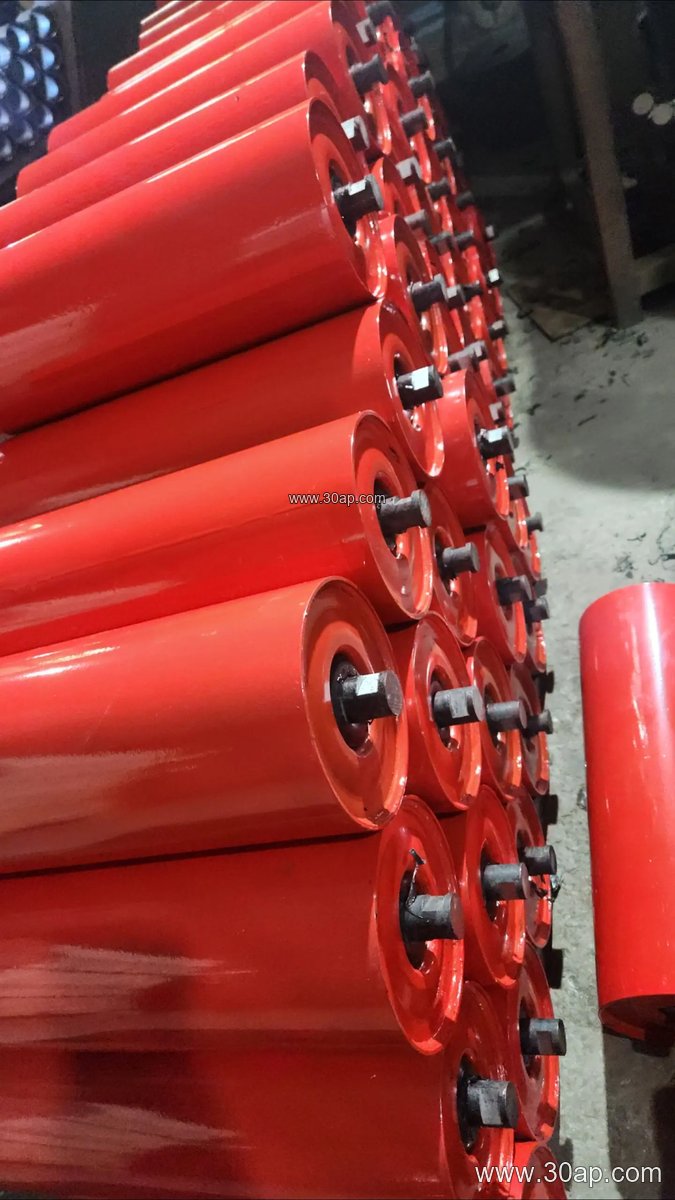
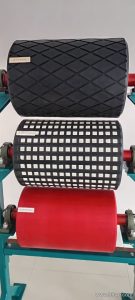
- Shell materials commonly include carbon steel tube, nylon, ceramic-coated tube and rubber rings for impact zones.
- Bearings are usually deep groove ball bearings such as 6205, 6305, 6306, 6308 or 6310, selected according to load and speed rather than matched to one diameter.
- Shaft ends may be flattened or drilled for mounting in the conveyor bracket, with fixing dependent on frame design.
- Roller length depends on belt width, trough angle and the type of idler set, so it must be confirmed per application.
Common Arrangements and Related Parts
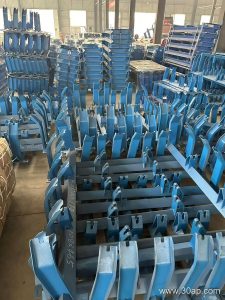
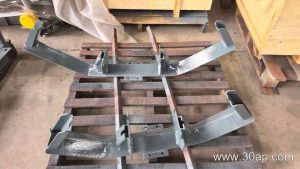
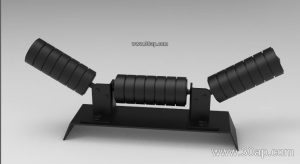
In a three-roll troughing set, the Ø127 roller is often used as the centre roll or side roll on belts from around B800 to B2000, with trough angles of 20, 30, 35 or 45 degrees. Return strands may use a single flat roll, a V-return pair or a spiral roll for cleaning sticky material. Transition idlers with smaller diameters are sometimes placed near pulleys to reduce edge stress on the belt.
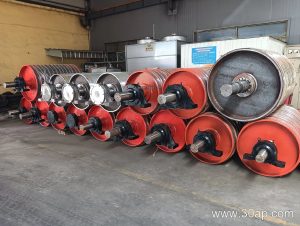
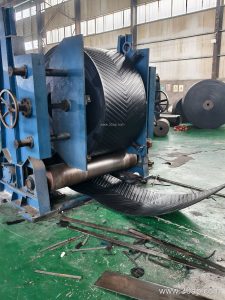
It is worth noting that drive pulleys, tail pulleys and bend pulleys are different components from idlers and are not interchangeable with them. The idler only supports the belt; the conveyor pulley transmits drive force or changes belt direction.
Where Ø127 Idlers Are Used
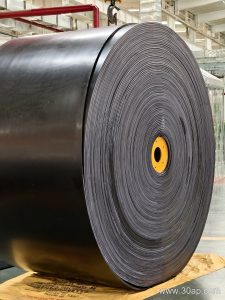
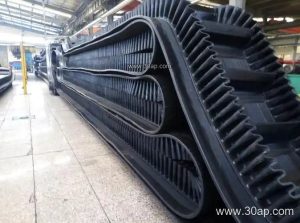
The 127 mm roller suits demanding duty in a limestone quarry, an iron ore stockyard, a cement clinker line or a coal-fired power plant conveyor gallery. It also works well on aggregate belts feeding crushers and screens, where impact and abrasion are present. On such lines the belt itself may be an abrasion resistant conveyor belt, a flame retardant conveyor belt for coal, or a heat resistant conveyor belt near kilns and sinter coolers. Matching the roller to the belt and the environment is more important than choosing the largest size available.
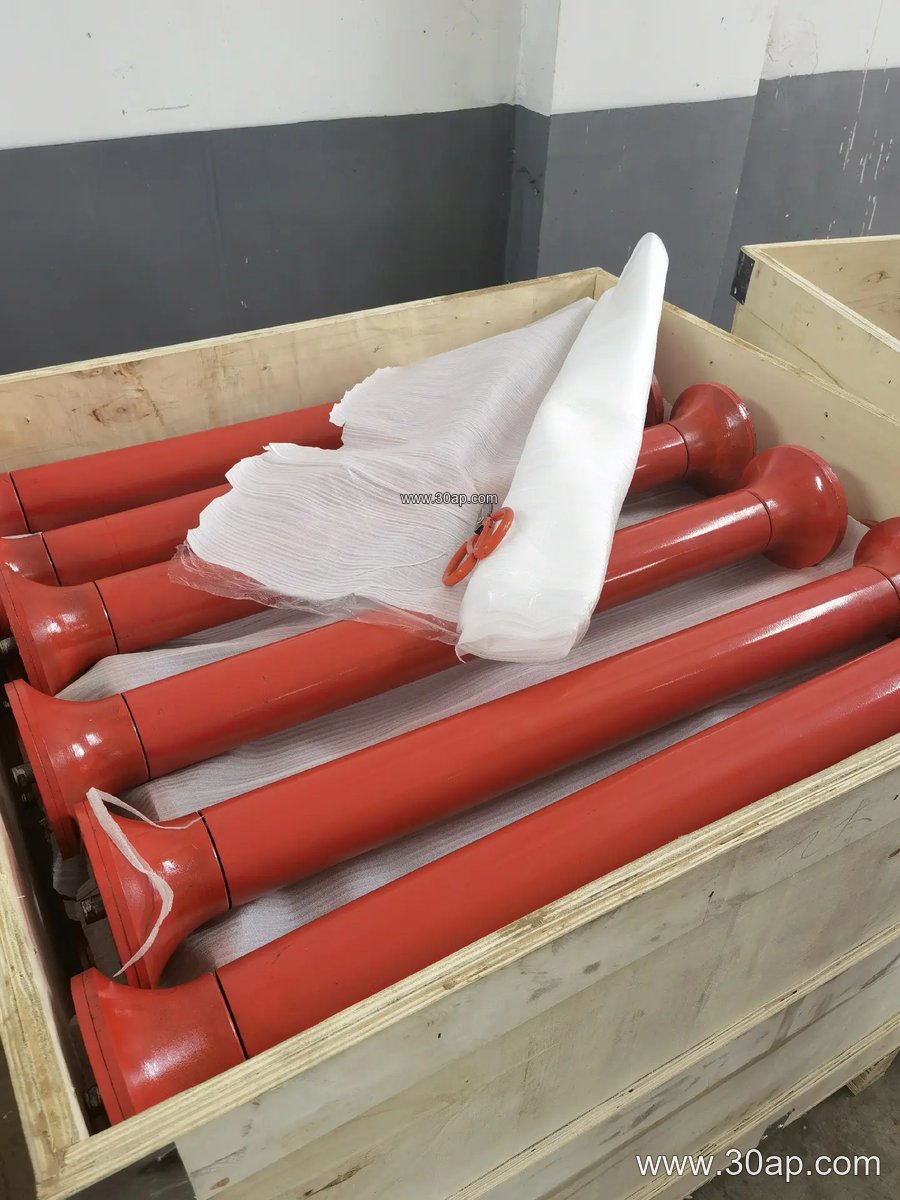
For heavy-duty mining conveyor belt systems, some operators combine Ø127 troughing idlers with impact rolls under the loading point and rubber-ring rolls where lump size is large. Others prefer a steel cord conveyor belt on the main line and an EP conveyor belt on shorter transfer belts; the idler selection should follow the belt tension, load and speed of each individual conveyor.
Specification Reference
The following values are common reference points, not fixed combinations. Actual roller length, shaft size and bearing must be confirmed by the conveyor designer.
| Item | Common Reference |
|---|---|
| Nominal diameter | Ø127 mm |
| Belt width range (typical) | B800 to B2000 |
| Trough angle | 20°, 30°, 35°, 45° |
| Roller length examples | B800 about 315 mm; B1000 about 380 mm; B1200 about 465 mm; B1400 about 530 mm; B1600 about 600 mm |
| Bearing options | 6205, 6305, 6306, 6308, 6310 (selected by load) |
| Shell surface | Plain steel, nylon, ceramic, rubber rings |
Buyer Checklist
Before ordering, confirm the belt width, trough angle, idler set type, roller length and shaft fixing pattern. Ask how the seals are constructed, what grease is used and whether the bearing housing is welded or pressed. On coal and underground lines, flame retardant and anti-static properties of the belt and roller components deserve attention. On port and ship loading conveyors, corrosion protection of the shell and shaft matters as much as load rating.
Finally, keep spare rollers in matched batches so that a single worn unit can be replaced without changing the whole troughing set. A well-chosen Ø127 conveyor idler, correctly sealed and lubricated, will usually outlast smaller rollers on the same duty and reduce belt edge damage and downtime across the plant.