Understanding the 1200mm Conveyor Belt
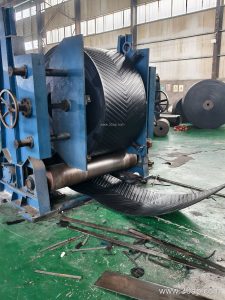
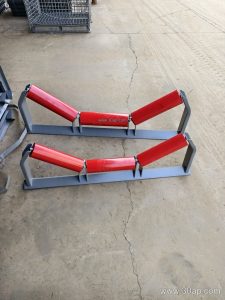
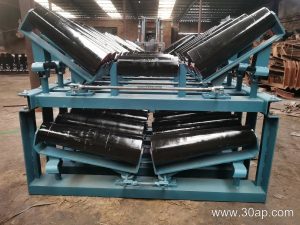
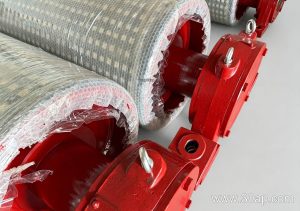
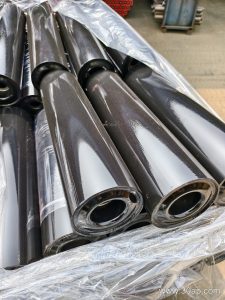
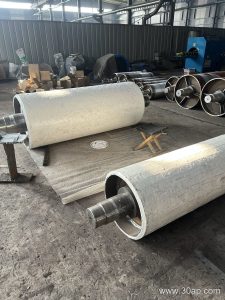
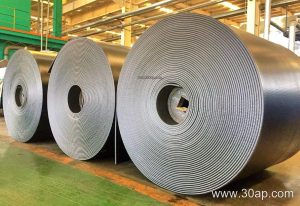
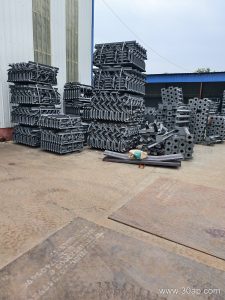
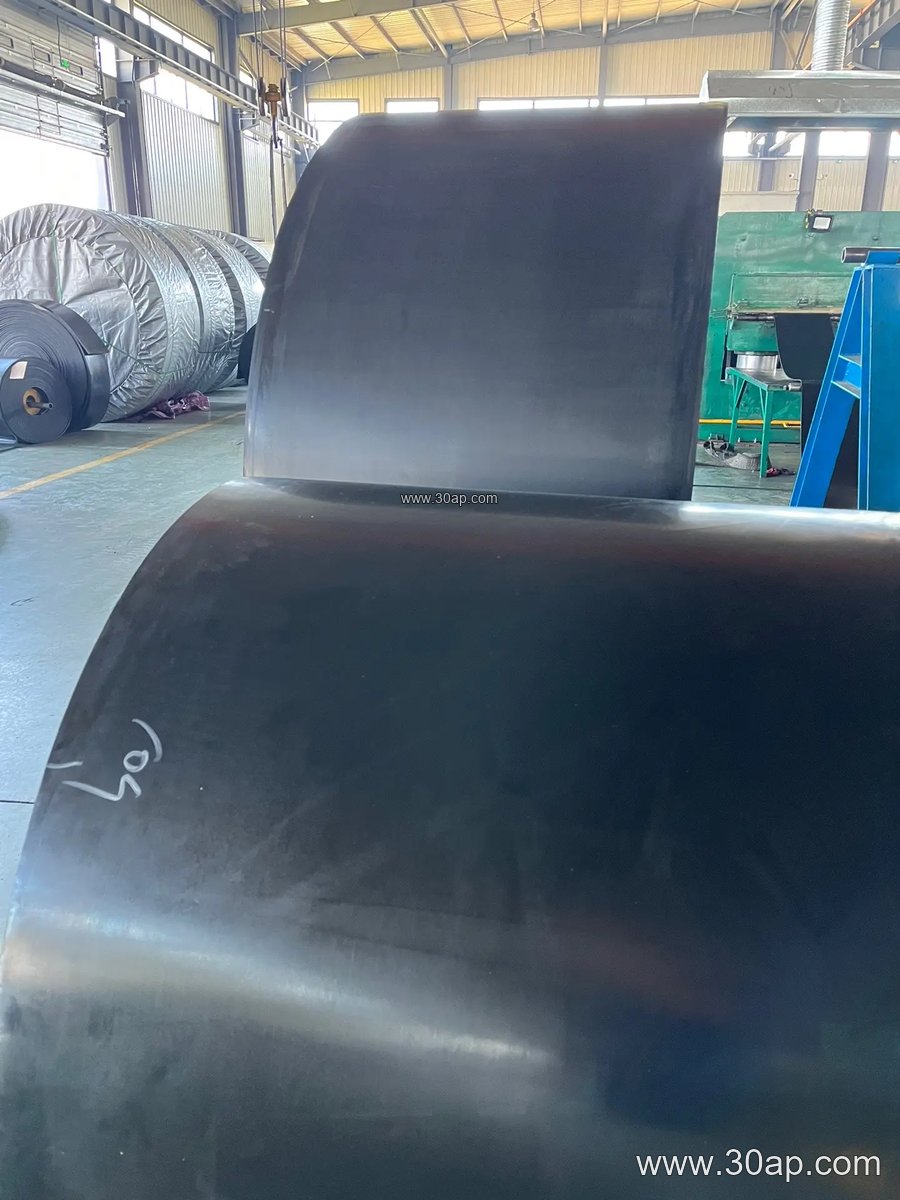
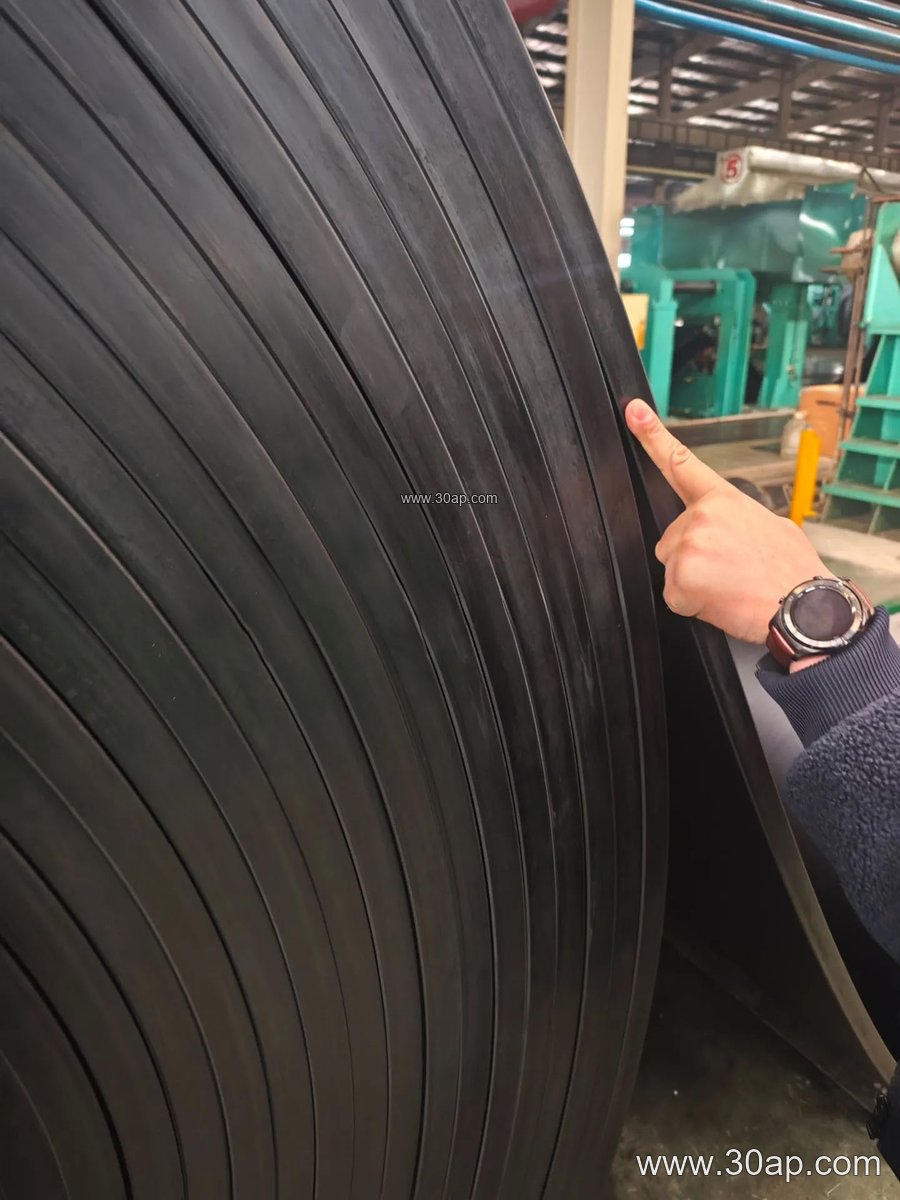
A 1200mm conveyor belt is a heavy-duty belting product with a nominal width of 1200 millimeters, commonly used in bulk material handling systems across mining, cement, power generation, and aggregate processing. This width is often chosen for main haulage lines where high tonnage and long distances demand a robust, stable belt that can handle large lump sizes and continuous operation. The belt works in conjunction with conveyor pulleys, idler rollers, and conveyor brackets to form a complete conveying system.
Construction and Material Options
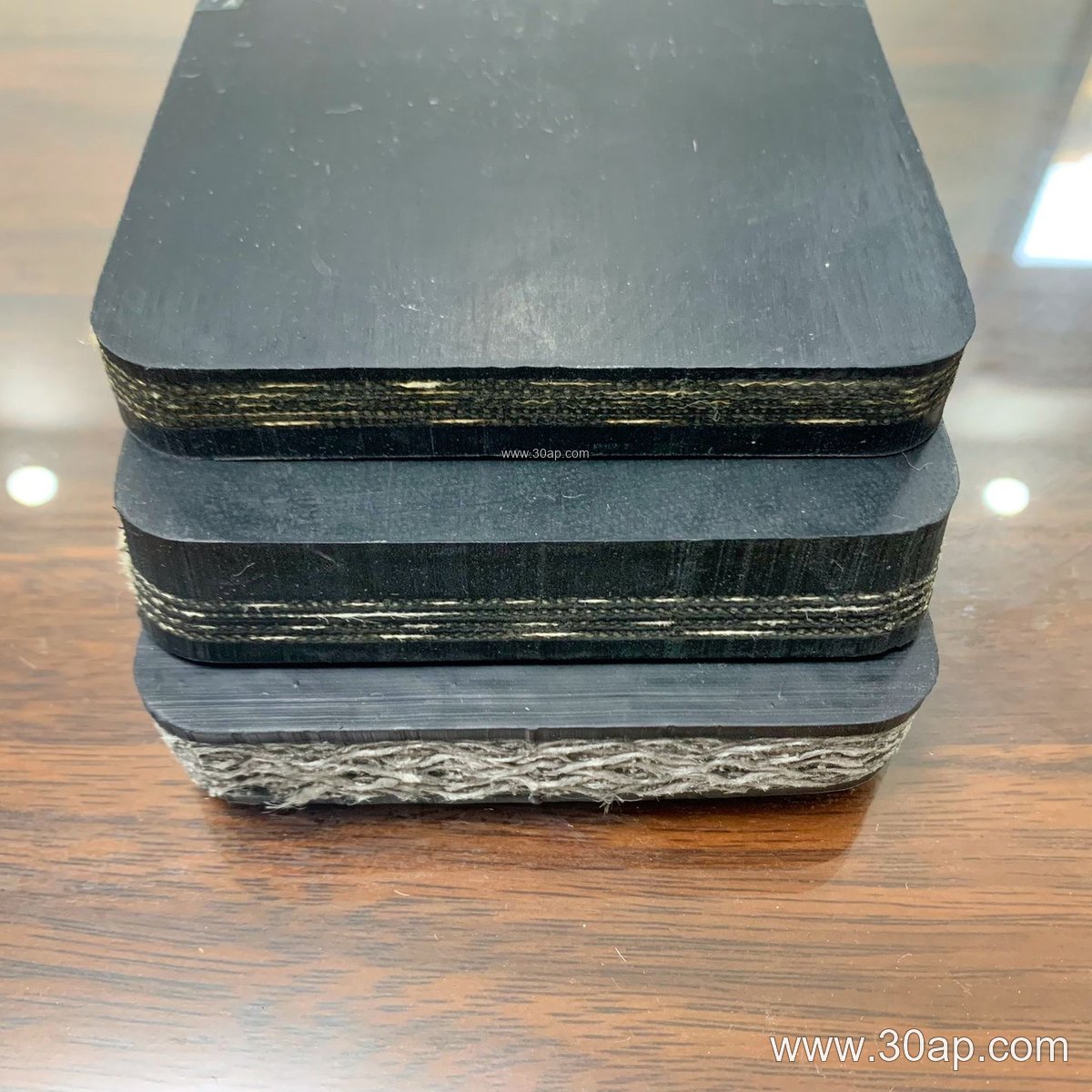
The 1200mm wide conveyor belt is available in several carcass constructions to suit different load requirements. Fabric core belts, such as EP conveyor belt (polyester-nylon) and NN conveyor belt (nylon-nylon), are common choices for general industrial use. For higher tension applications, steel cord conveyor belt constructions are employed. The cover rubber compound is selected based on the material being conveyed and the environmental conditions.
Typical cover grades include abrasion resistant, heat resistant, oil resistant, flame retardant, and anti-static variants. In underground coal mining, PVG conveyor belt or PVC mining conveyor belt with flame retardant properties is frequently specified. For surface operations handling sharp rock, a high abrasion resistant conveyor belt with reinforced cover is often preferred.
Common Specifications
While exact parameters depend on the manufacturer and application, the following table illustrates typical reference values for a 1200mm conveyor belt. These are not universal specifications and should be confirmed with the supplier.
| Parameter | Common Range / Example |
|---|---|
| Belt width | 1200 mm (B1200) |
| Carcass type | EP, NN, steel cord |
| Strength grades (EP) | EP200, EP315, EP400, EP500, EP630, EP800, EP1000 |
| Number of plies | 2 to 6 (fabric core) |
| Cover thickness (top + bottom) | 4+2 mm, 5+2 mm, 6+2 mm, 8+3 mm |
| Surface pattern options | smooth, chevron, corrugated sidewall, skirted |
For high-tension applications, steel cord grades such as ST1000 or ST1250 may be used, but the final selection must consider the conveyor design, pulley diameters, and safety factors.
Industrial Applications
The 1200mm conveyor belt is widely deployed in primary and secondary crushing circuits, stockyard systems, and ship loading facilities. In the mining sector, it transports ore, coal, and waste rock. Cement plants use it for clinker, limestone, and raw meal. Power plants rely on it for coal handling. Quarries and sand making plants benefit from its capacity to move large volumes of aggregate and crushed stone.
Specific belt types are matched to the duty: a chevron conveyor belt for inclined sections, a corrugated sidewall conveyor belt for steep angles, and a pipe conveyor belt for dust-tight transport. In coal mining, underground mining conveyor belt must meet flame retardant and anti-static requirements, often using PVG800S or similar grades.
Selection and Maintenance Tips
When specifying a 1200mm conveyor belt, consider the material characteristics (abrasiveness, temperature, oil content, lump size), the conveyor layout (inclines, curves, transition distances), and the operating environment (indoor, outdoor, underground). The belt width must be compatible with the conveyor pulley face width and the idler roller trough angle. Do not assume a fixed relationship between belt width and pulley diameter; these are determined by the conveyor design engineer.
Regular inspection of the belt surface, edges, and splices helps prevent unexpected downtime. Maintaining proper tension and alignment, and keeping idler rollers and conveyor pulleys in good condition, extends belt life. For harsh conditions, consider a heavy-duty mining conveyor belt with enhanced cover properties.
Buyer Checklist
- Confirm the required strength grade and carcass type (EP, NN, steel cord).
- Specify cover thickness and grade based on material and environment.
- Decide on surface pattern (smooth, chevron, sidewall) if inclined or steep conveying is involved.
- Check compatibility with existing conveyor pulleys, idler rollers, and brackets.
- Request test reports for flame retardant and anti-static properties if applicable.
- Consider splice type and availability of installation services.
For more information on 1200mm conveyor belt options, visit shuanghujixie.com or consult with a qualified conveyor belt supplier.