What a Conveyor Vertical Roller Does
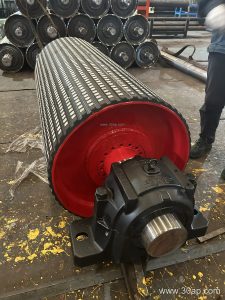
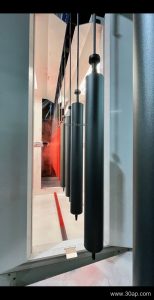
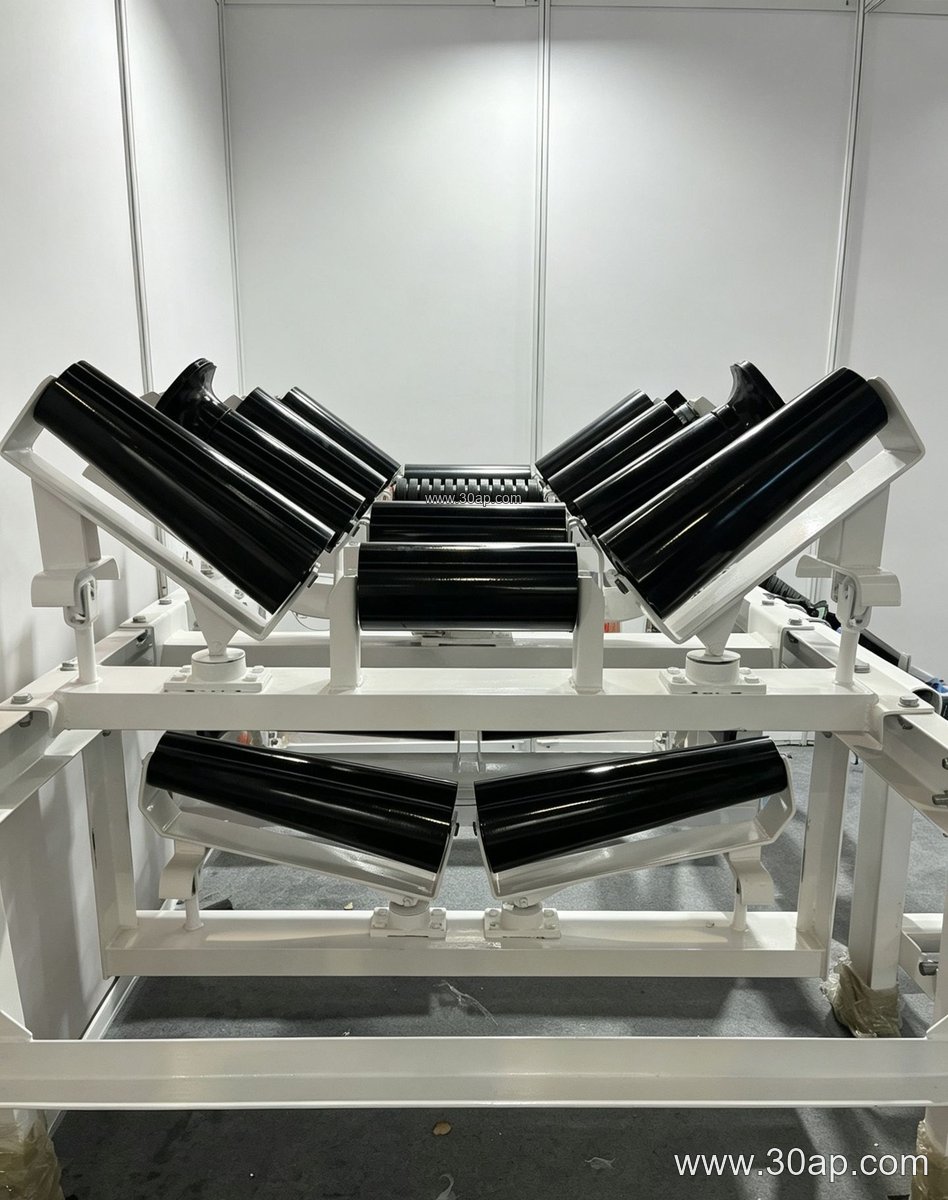
A conveyor vertical roller is a specialized idler used where the belt path changes direction or needs vertical support. Unlike a standard carrying idler that sits under the belt in a trough, this roller is mounted vertically or at a steep angle to guide the belt edge, absorb lateral forces, or keep the belt aligned on steep inclines. In quarry and aggregate lines, a vertical roller often appears at transfer points where the belt turns sharply or where material load shifts. It is not a drive pulley, tail pulley, or bend pulley—those are different components with distinct functions, and they should never be substituted for one another. The vertical roller is part of the idler family, and its role is to maintain belt stability without driving or redirecting the entire conveyor circuit.
Construction and Key Components
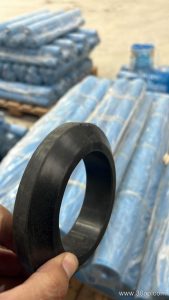
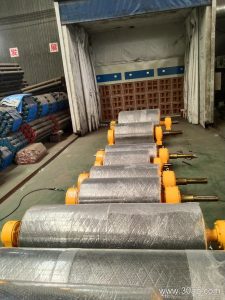
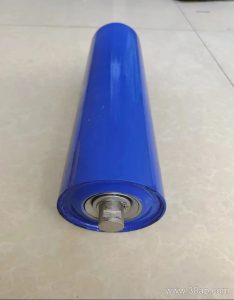
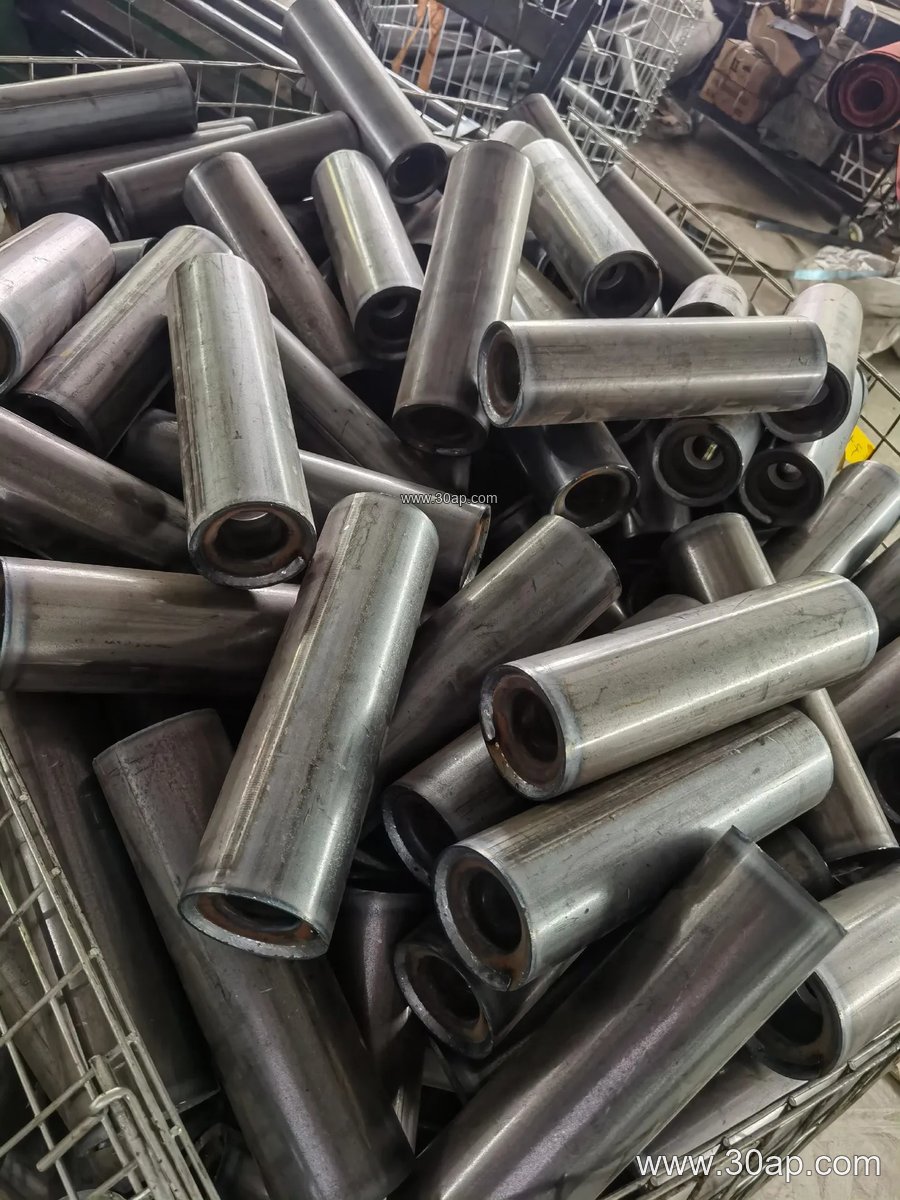
Most conveyor vertical rollers share a common build with other idler rollers: a steel tube shell, bearing housings, a shaft, and a sealing system. The shell may be plain steel, nylon-coated, or covered with a rubber ring for grip and impact absorption. Common bearing sizes include 6204, 6205, 6305, 6306, 6308, and 6310, but bearing selection depends on load and speed rather than a fixed match with roller diameter. Roller diameters typically range from Ø63 to Ø219, and the length is determined by belt width, mounting angle, and the specific vertical support design. For example, a vertical roller on a B800 belt in a sand and gravel plant may use a different length than one on a B1400 belt in a port terminal. Surface options such as ceramic or rubber lagging can improve wear resistance in dusty or abrasive conditions. The sealing arrangement is critical: good labyrinth or contact seals keep out fine particles from crushed stone, cement, or coal dust, which extends bearing life.
Where Vertical Rollers Are Used
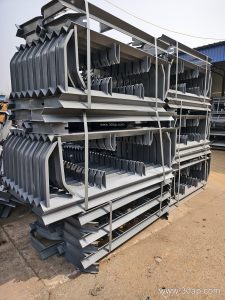
These rollers are common in industries that handle bulk materials with steep inclines or tight transitions. In a limestone quarry or iron ore mine, a vertical roller may support the belt at a sharp bend where a conventional troughing idler cannot fit. In a coal washing plant or power plant coal yard, vertical rollers help keep the belt centered as it exits a transfer chute. Cement plants use them on clinker or raw meal conveyors where space is limited. You will also find them in ship loading systems at ports, where the belt path rises steeply. While a standard troughing idler set (20°, 30°, 35°, or 45°) handles the main carrying run, the vertical roller handles edge control and vertical guidance. It is not a replacement for a bend pulley or a tail pulley; those components redirect the belt around the circuit, while the vertical roller provides localized support.
Selection and Sizing Notes
Buyers should match the vertical roller to the belt width, the load, and the mounting position. Common belt widths include B400, B500, B650, B800, B1000, B1200, B1400, B1600, B1800, B2000, B2200, and B2400. A vertical roller for a B650 belt in a small aggregate line will differ from one for a B1800 belt in a heavy-duty mining conveyor. Roller diameter and shaft size should be chosen based on radial load and speed, not on belt width alone. For reference, a three-roll troughing idler on a B1000 belt might use a roller length around 380 mm, but a vertical roller is a separate item and its length is defined by the vertical mounting geometry. Bearing size, seal type, and shell thickness all affect service life. In abrasive applications such as a crusher discharge or a quarry conveyor, a rubber-covered or ceramic-coated vertical roller can reduce wear. For coal mining or underground operations, flame retardant and anti-static properties may be relevant for the entire conveyor system, including the belt and idlers. Always confirm the mounting bracket dimensions and the shaft end configuration with the conveyor frame.
Maintenance and Buyer Checklist
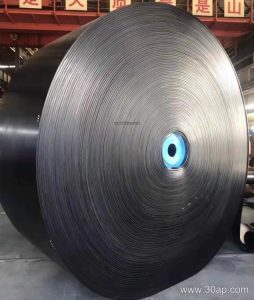
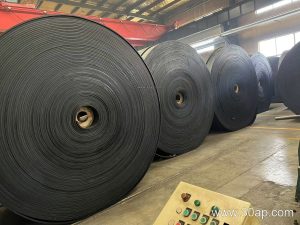
Inspect vertical rollers during routine conveyor walks. Look for belt edge wear, roller seizure, or material buildup on the shell. A worn vertical roller can cause belt misalignment and increase edge damage. Replace rollers with damaged seals before fine dust enters the bearing. Keep spare rollers for critical positions, especially in continuous operations such as a cement plant or a power plant coal handling system. When ordering, specify the belt width, the required roller diameter, the mounting angle, the shell material, and the bearing size. Do not assume that a drive pulley or a bend pulley can substitute for a vertical roller—each has a different role. For conveyors using EP conveyor belt, steel cord conveyor belt, or heat resistant conveyor belt, the vertical roller should be compatible with the belt’s edge profile and operating temperature. A well-chosen vertical roller helps maintain belt tracking, reduces downtime, and protects the conveyor belt from edge damage in demanding bulk handling environments.