What the 1200mm Conveyor Belt Covers
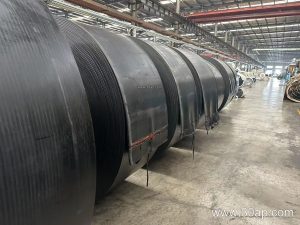
A 1200mm conveyor belt is the load-carrying member of a belt conveyor system with a nominal width of 1200 millimetres, often written as B1200. It sits between narrower lines such as the 1000mm conveyor belt and wider options like the 1400mm conveyor belt, which makes it a practical middle ground for many bulk material flows. This 1200mm wide conveyor belt is common in mines, coal preparation plants, cement works, power stations, quarries and sand and gravel yards. Because the belt is the most visible wearing part, its construction decides how well the whole conveyor handles tonnage, impact and environment.
Construction of the 1200mm Wide Conveyor Belt
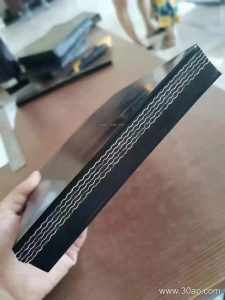
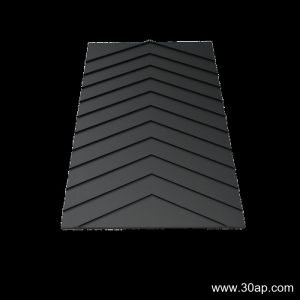
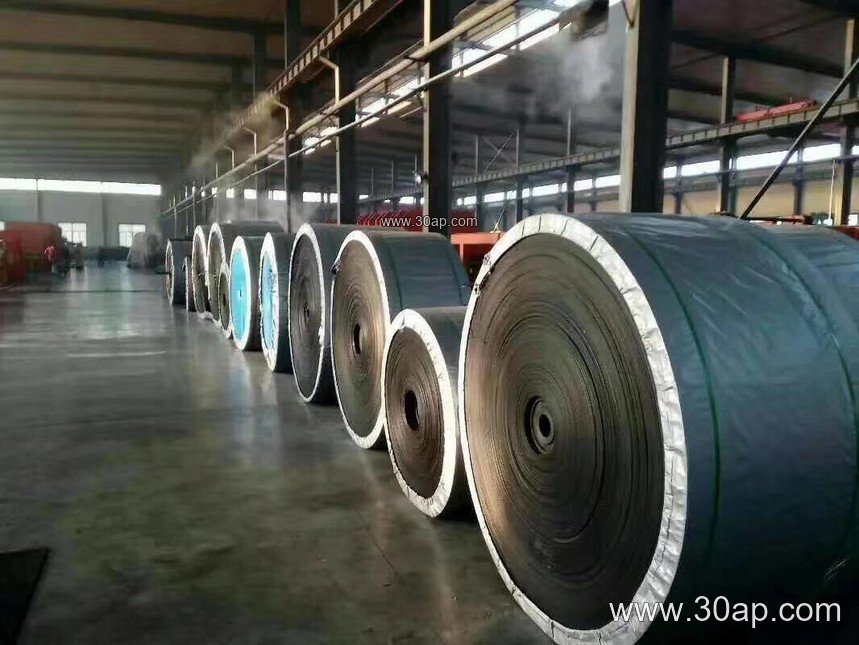
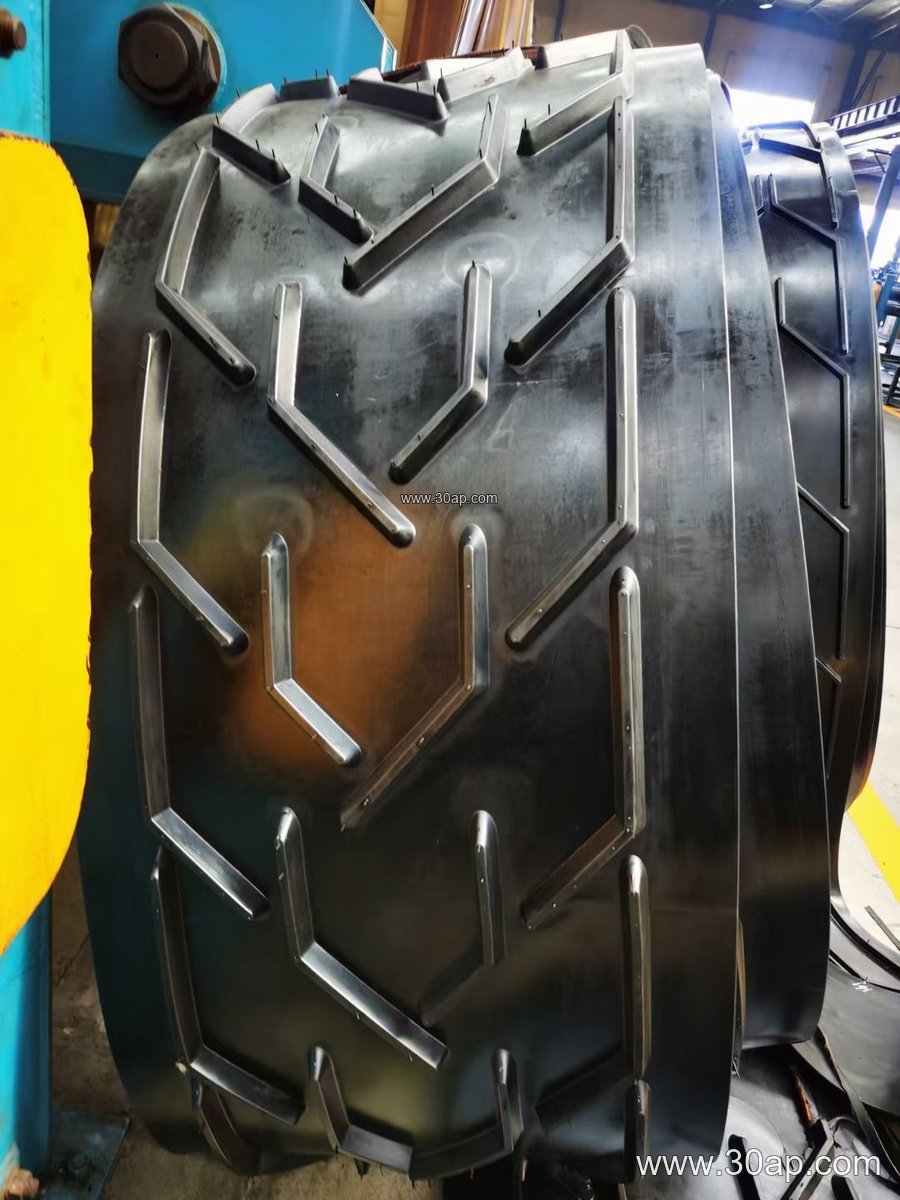
The belt is built around a carcass that carries tension and a rubber cover that protects the carcass from the material. For a 1200mm conveyor belt, the carcass is usually a fabric core such as EP (polyester/nylon) or NN (nylon/nylon), or a steel cord core for long, high-tension runs. A rubber conveyor belt of this width often uses multiple plies, typically two to six layers, depending on the required strength. The cover grade is chosen for the duty: abrasion resistant conveyor belt for sharp rock, heat resistant conveyor belt for clinker or sinter, flame retardant conveyor belt and anti-static conveyor belt for underground coal mining, and oil resistant conveyor belt for oily loads. A chevron conveyor belt or corrugated sidewall conveyor belt can be supplied in this width when the incline is steep or the material must be contained.
Typical Specifications and Reference Values
The figures below are common reference points, not fixed rules. Actual values depend on the conveyor design, the duty and the manufacturer. A 1200mm conveyor belt can be paired with different pulley diameters and shaft sizes; belt width alone does not determine them.
| Property | Common reference |
|---|---|
| Belt width | B1200 (1200mm) |
| Carcass type | EP, NN, steel cord |
| Strength grade (fabric) | EP200 to EP1000, sometimes higher |
| Strength grade (steel cord) | ST1000 to ST2500 |
| Number of plies | 2 to 6 |
| Cover thickness | 4+2, 5+2, 6+2, 8+3 mm |
| Cover grades | abrasion, heat, oil, flame retardant, anti-static, cold resistant |
For example, an EP1000 1200mm conveyor belt is a common choice for medium-duty primary crushing lines, while a steel cord belt may be used where the centre distance is long and tension is high. The same width can also appear as a pipe conveyor belt or an endless conveyor belt, but those are separate constructions and should not be confused with the open troughed belt.
Where It Fits in the Plant
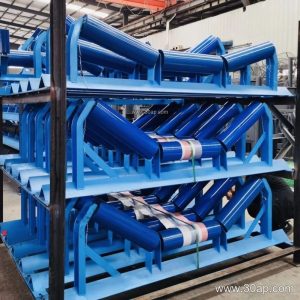
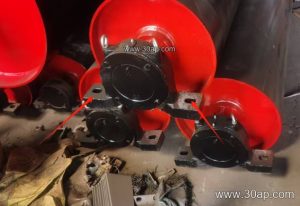
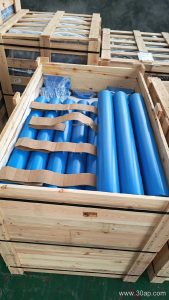
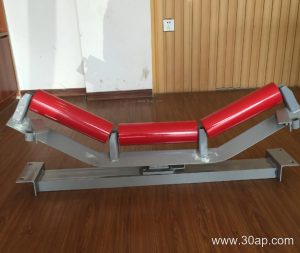
In a quarry or aggregate plant, a 1200mm conveyor belt often runs from the primary crusher to the screen house, carrying rock and ore. In a coal mining conveyor line, a flame retardant conveyor belt with anti-static properties is typical for underground mining conveyor belts and surface coal handling. Cement plants use heat resistant conveyor belt grades near kilns and clinker coolers, while power plants use abrasion resistant belts for coal and ash. Port and ship loading conveyors may use a heavy-duty conveyor belt in this width for high tonnage. The belt works with idler rollers, conveyor pulleys and conveyor brackets, and its performance depends on their alignment and condition as much as on the belt itself.
Selection and Maintenance Notes
Choosing a 1200mm conveyor belt starts with the material, lump size, tonnage, incline and environment. A buyer should confirm the carcass type and strength grade, the cover grade and thickness, and whether the belt needs to be flame retardant, anti-static, oil resistant or cold resistant. For steep inclines, a chevron conveyor belt or skirted conveyor belt may be needed. During operation, check that idler rollers turn freely, that conveyor pulleys are aligned, and that the belt is not damaged at the loading point. Keeping the belt clean and the conveyor brackets secure helps extend service life. A 1200mm conveyor belt is not mandatory for every line; it is simply one width among many, chosen when the duty and the conveyor design call for it.