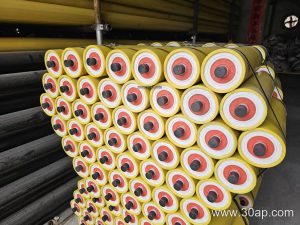
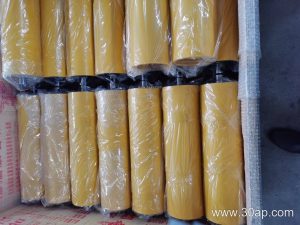
What a Durable Conveyor Idler Is
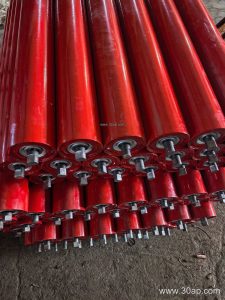
A durable conveyor idler is the rotating component that supports and guides the conveyor belt along its entire length. Often called an idler roller, it is a critical part of any bulk material handling system, and its construction directly affects belt life, energy consumption, and maintenance downtime. In demanding environments such as a quarry, a coal preparation plant, or a cement kiln line, the idler must withstand abrasive dust, heavy loads, and continuous operation. This article explains how these idlers are built, where they are used, and what buyers should consider.
Construction and Key Components
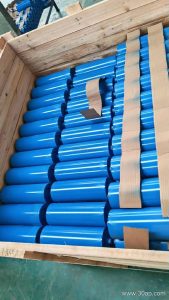
The typical durable conveyor idler consists of a steel tube shell, bearing housings, a shaft, and a sealing system. The shell material and thickness determine resistance to wear and impact. Common roller surface options include plain steel, nylon, ceramic, and rubber rings; the latter two are often chosen for abrasive or sticky materials. Bearings are the heart of the idler—common sizes such as 6204, 6205, 6305, 6306, 6308, and 6310 are used depending on load and speed. A well-designed labyrinth seal or contact seal keeps dust and moisture out, which is essential for long service life in dirty conditions.
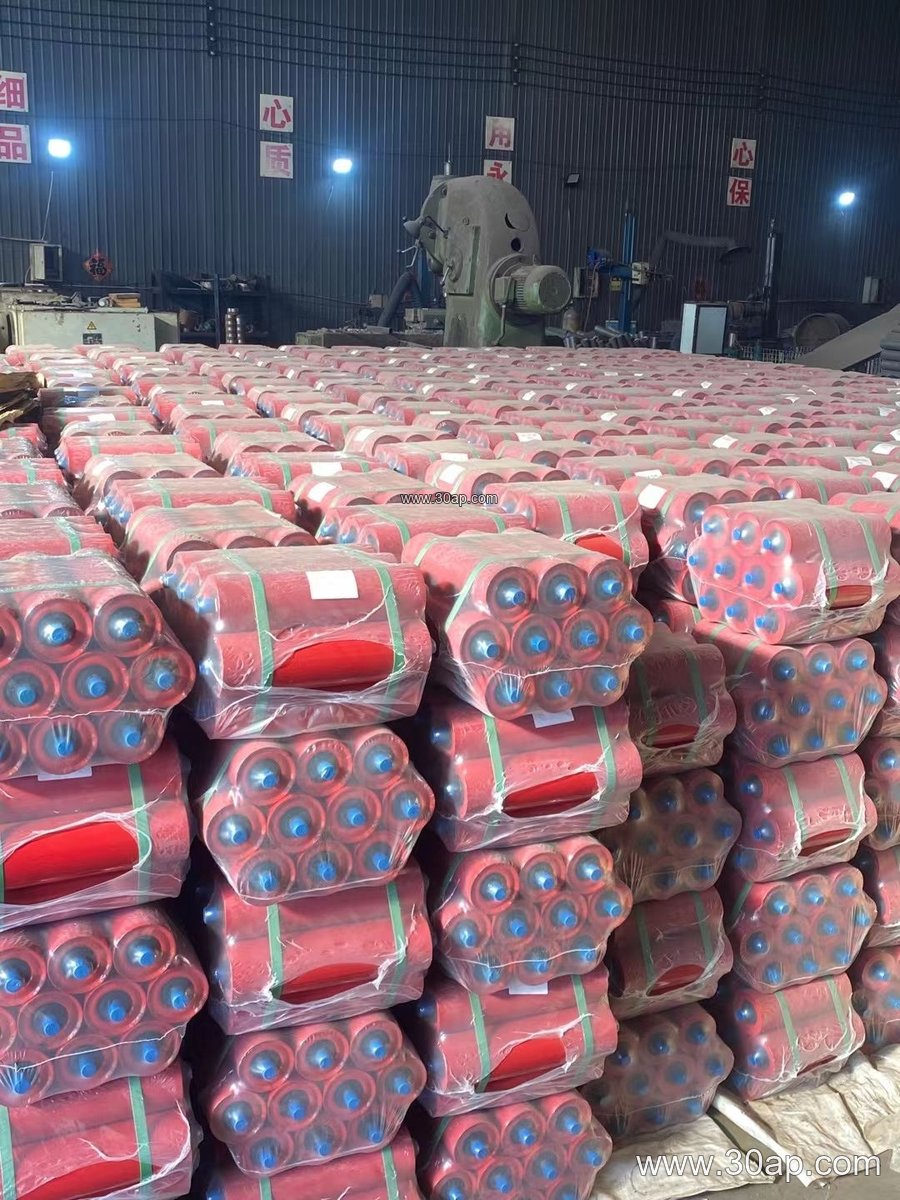
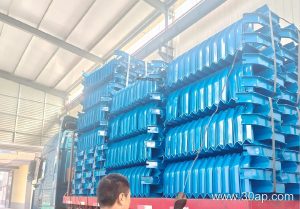
Types and Where They Fit
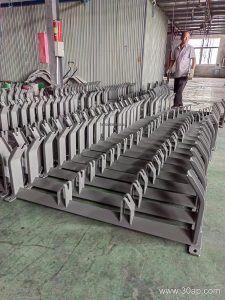
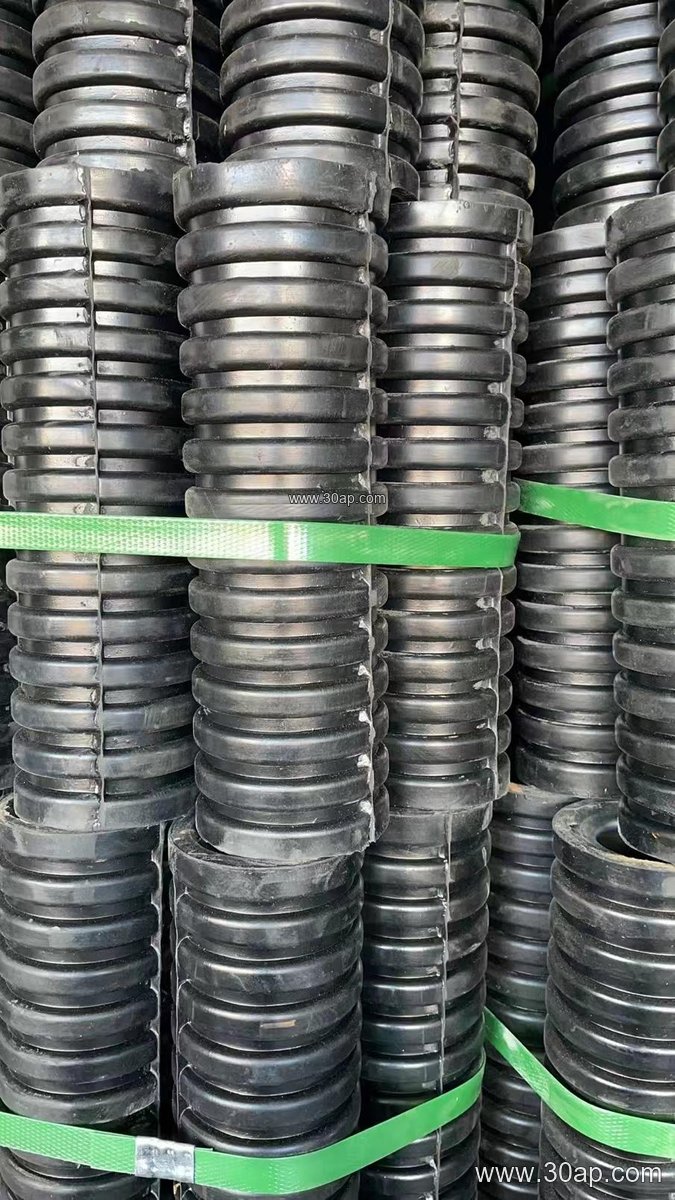
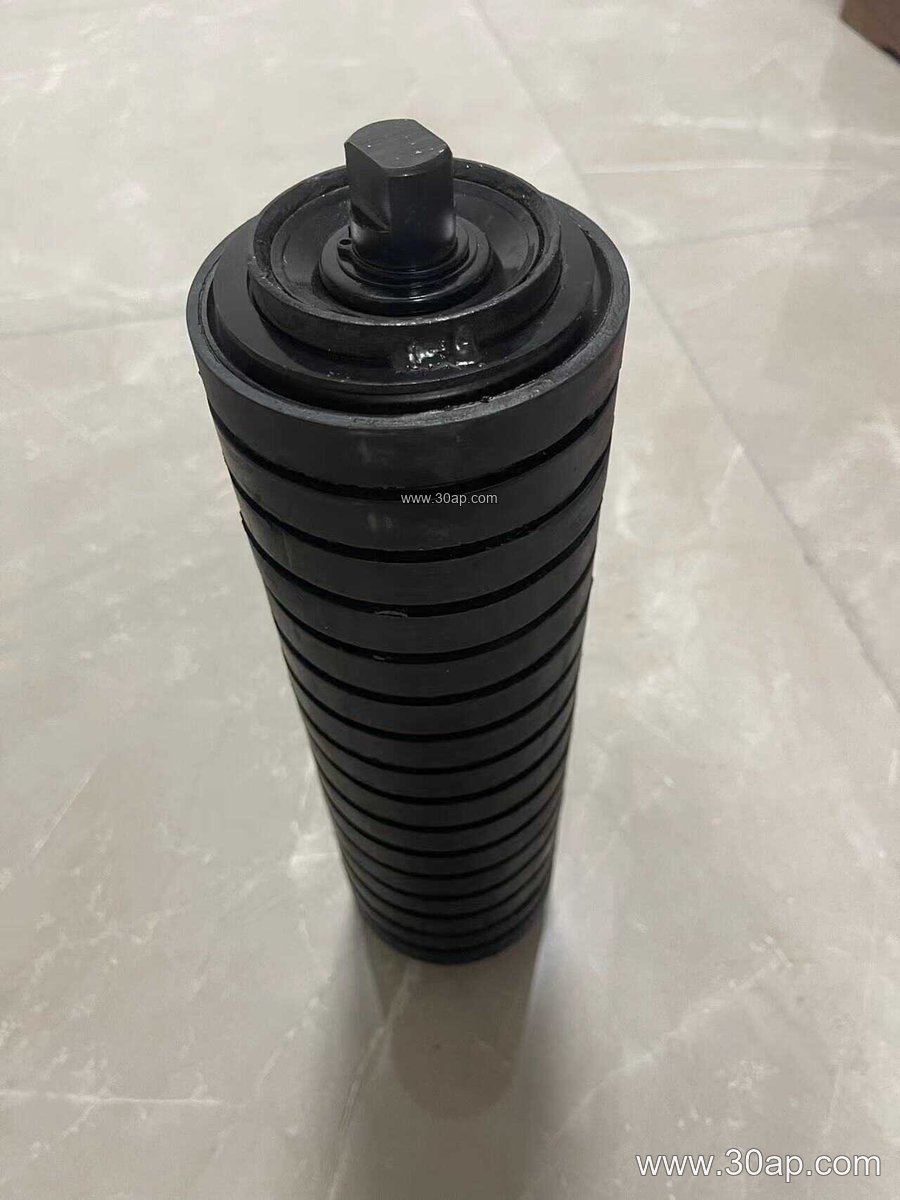
Idlers are selected by their position and function on the conveyor. Troughing idlers (two- or three-roll) support the loaded belt and are set at trough angles of 20, 30, 35, or 45 degrees. Return idlers support the empty belt, and V-return or flat return types help with belt training. Impact idlers with rubber rings absorb shock at transfer points, while spiral idlers help clean the belt. Self-aligning idlers correct belt misalignment on long runs. Each subtype has a specific role; for example, a three-roll troughing set is not interchangeable with a return idler, and a bend pulley is a different component entirely. The table below gives common examples of roll length by belt width for three-roll troughing sets—these are typical references, not fixed rules.
| Belt Width | Common Roll Length (approx.) |
|---|---|
| B500 | 200 mm |
| B650 | 250 mm |
| B800 | 315 mm |
| B1000 | 380 mm |
| B1200 | 465 mm |
| B1400 | 530 mm |
| B1600 | 600 mm |
| B1800 | 670 mm |
| B2000 | 750 mm |
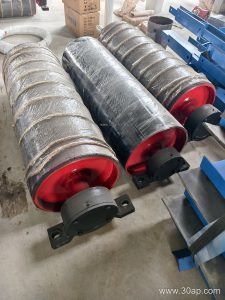
Roll diameters typically range from Ø63 to Ø219 mm, and the choice depends on belt speed, load, and available space. The idler must be matched to the conveyor bracket and frame dimensions. A conveyor pulley at the drive or tail end is a separate item and should not be confused with the idler rolls.
Applications in Tough Industries
Durable conveyor idlers are found wherever bulk materials are moved continuously. In a sand and gravel plant, they carry abrasive aggregate on a quarry conveyor belt. In a coal mining operation, flame retardant and anti-static properties are often required for underground mining conveyor belts. Cement plants rely on idlers to handle clinker and raw meal, while power plants use them in coal handling systems. Other common settings include iron ore and copper ore concentrators, port ship loaders, and steel mill sinter lines. The idler works alongside the conveyor belt, whether it is an EP conveyor belt, a steel cord conveyor belt, or a heat resistant conveyor belt for hot materials. In all these cases, the idler’s durability directly reduces stoppages.
Selection and Maintenance Tips
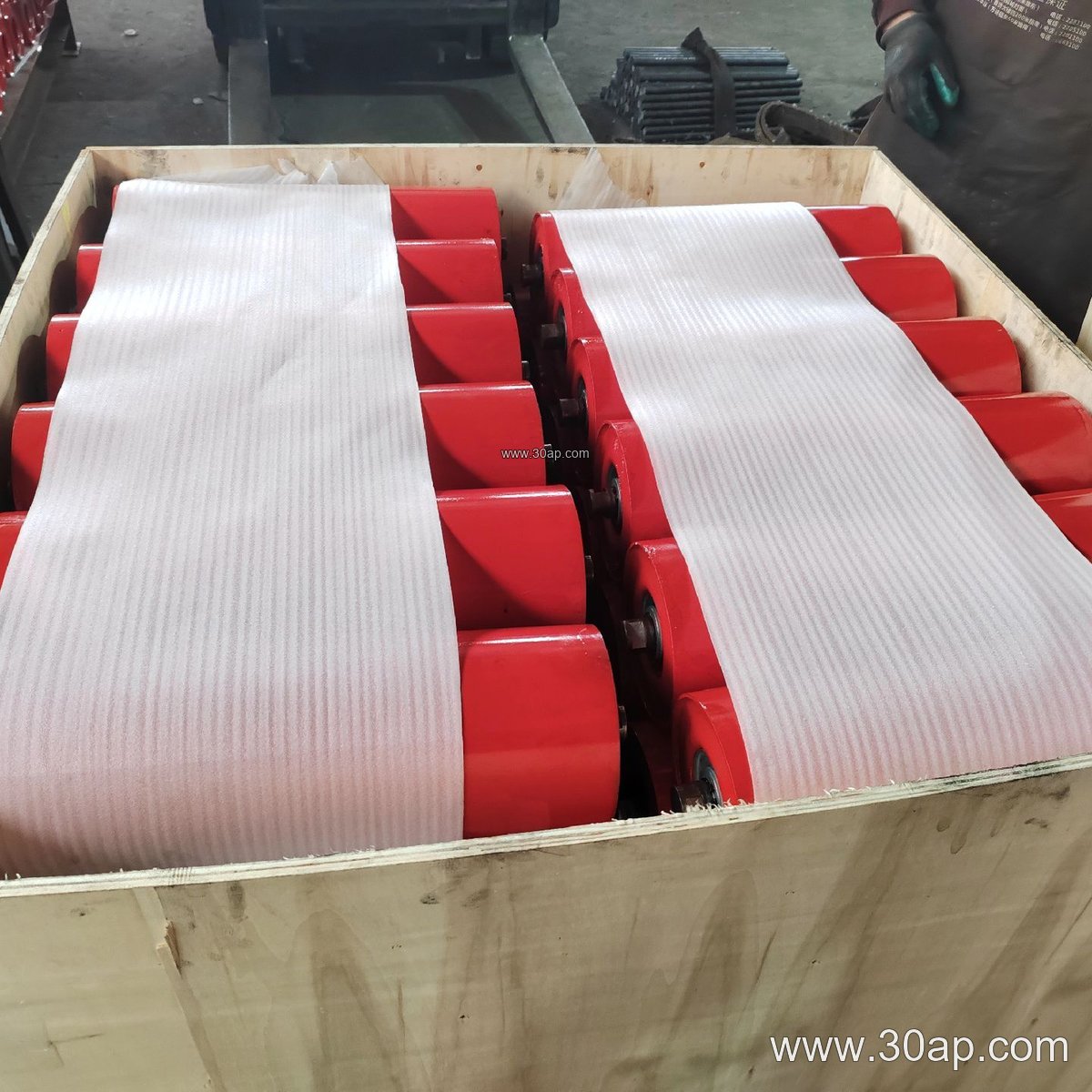
Buyers should consider the material being conveyed, belt width and speed, and environmental conditions. For high-impact zones, rubber-ring impact idlers are a practical choice. For sticky materials, spiral or rubber-disc idlers can reduce buildup. Bearing selection should follow the load calculation, not just the roll diameter. Sealing quality is often the difference between a long-lasting idler and a frequent replacement. Regular inspection of idler rotation, alignment, and wear on the shell helps prevent belt damage. Keep spare idlers and brackets on hand for critical conveyors. Remember that idler specifications are not universal—always confirm dimensions and load ratings with the manufacturer.
Buyer Checklist
- Confirm belt width (e.g., B800, B1200, B1600) and trough angle (20°, 30°, 35°, 45°).
- Specify the idler type: troughing, return, impact, self-aligning, or spiral.
- Check roll diameter and bearing size against the load and speed.
- Choose the shell material and surface (steel, nylon, ceramic, rubber) for the material handled.
- Verify compatibility with the conveyor bracket and frame.
- Ask about sealing arrangement for dusty or wet conditions.
For more information on conveyor components, visit example.com/conveyor-idler or example.com/conveyor-belt. A well-chosen durable conveyor idler is an investment in reliable operation across mining, quarrying, cement, and power generation.