What Is a 600mm Conveyor Belt?
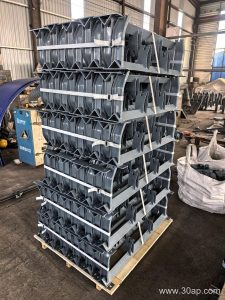
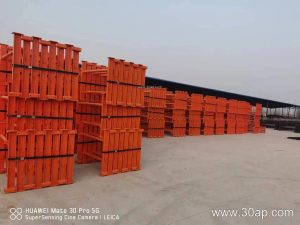
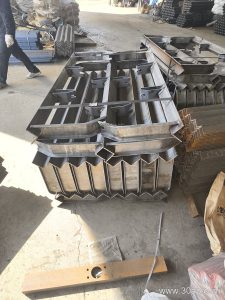
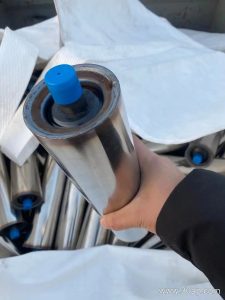
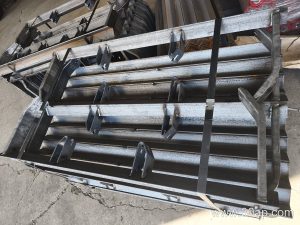
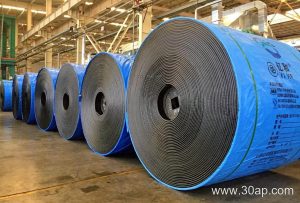
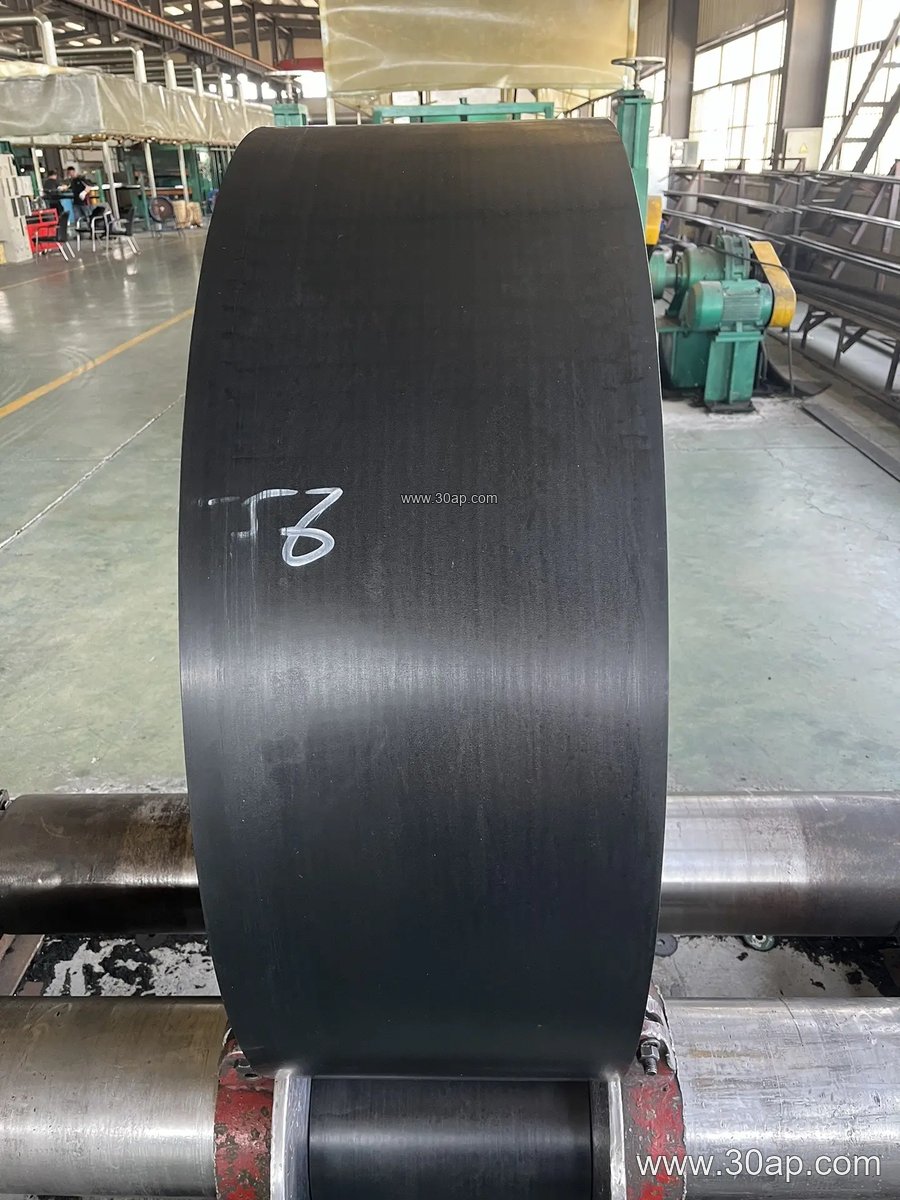
A 600mm conveyor belt is a mid-width belt designed for continuous material transport in industries such as mining, coal preparation, cement plants, power stations, and aggregate yards. It sits between narrower 500mm belts and wider 650mm or 800mm units, making it a practical choice for medium-capacity lines where space and load are balanced. This belt width works with a range of conveyor pulleys—drive, tail, and bend—and idler rollers sized to the application, not to a fixed formula. For reliable performance, pair the belt with correctly specified conveyor brackets and a suitably sized conveyor pulley for each position.
Construction and Material Options
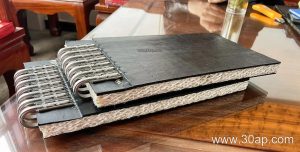
The 600mm conveyor belt is built around a tension-bearing carcass and protective covers. Common carcass types include fabric core constructions such as EP (polyester-nylon) and NN (nylon-nylon), available in multi-ply fabric core designs. Steel cord belts are also used when higher strength is required. Cover compounds are chosen for the environment: abrasion resistant, heat resistant, oil resistant, flame retardant, anti-static, cold resistant, or acid and chemical resistant grades. Surface forms like chevron or corrugated sidewall can be added for inclined or confined conveying.
Typical strength grades for fabric belts range from EP200 to EP2000, with common configurations like EP400 or EP630 for general duties. Cover thickness often follows patterns such as 4+2 mm or 5+2 mm, while carcass ply counts usually fall between 2 and 6 layers. These values are indicative; actual specifications are set by the conveyor design and supplier documentation.
Where 600mm Belts Are Used
This width is frequently found in:
- Coal mining and underground coal mining conveyor systems, where flame retardant and anti-static properties are critical.
- Cement plants and power plants handling clinker, limestone, or coal.
- Quarries and sand making plants moving crushed stone and aggregate.
- Port and ship loading facilities for bulk material transfer.
- Recycling and construction sites where moderate belt widths fit the layout.
In these settings, the belt runs over idler rollers and conveyor pulleys, with conveyor brackets holding the structure together. A 600mm belt may also serve as a crusher conveyor belt or rock conveyor belt in secondary crushing circuits.
Key Specifications to Check
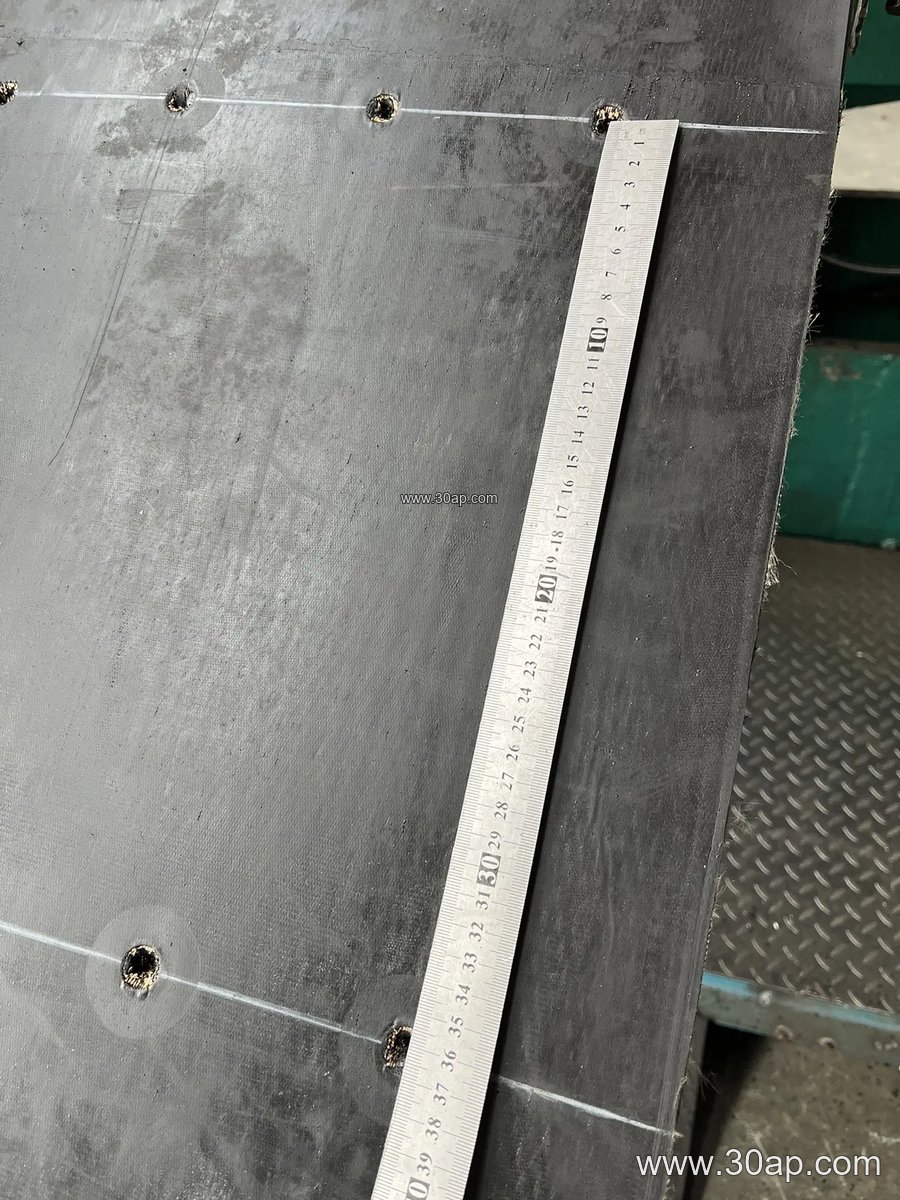
When specifying a 600mm conveyor belt, confirm the following parameters with the supplier. The table below shows common reference ranges; final values depend on the application and manufacturer.
| Parameter | Common Range / Example |
|---|---|
| Belt width | 600 mm (B600) |
| Fabric strength grades | EP200, EP315, EP400, EP500, EP630, EP800, EP1000 |
| Steel cord grades (if used) | ST1000, ST1250, ST1600 |
| Cover thickness | 3+1.5 mm, 4+2 mm, 5+2 mm, 6+2 mm |
| Number of plies | 2 to 6 (fabric core) |
| Surface options | Plain, chevron, corrugated sidewall, skirted |
| Special properties | Heat resistant, oil resistant, flame retardant, anti-static, cold resistant |
Note that belt width does not dictate a single pulley diameter. Drive, tail, and bend pulleys are selected based on tension, shaft load, and belt construction, not on width alone. The same applies to idler roller diameters and conveyor bracket spacing.
Buyer Checklist
Before ordering a 600mm conveyor belt, gather the following information:
- Material being conveyed and its lump size, temperature, and chemical exposure.
- Required strength grade (EP or ST) and cover thickness for wear and impact.
- Whether flame retardant or anti-static properties are mandatory for the site.
- Conveyor layout: incline angle, transition distances, and pulley sizes.
- Availability of spare idler rollers and conveyor pulleys in matching dimensions.
For harsh environments such as underground coal mining or cement kiln areas, specify the appropriate flame retardant or heat resistant grade. For food or clean applications, a food grade belt may be needed, though that is a separate specification.
Maintenance and Compatibility
Keep the 600mm belt aligned by checking idler rollers and pulleys regularly. Worn conveyor brackets or misaligned bend pulleys can cause edge damage. Store belts away from direct sunlight and ozone sources. When joining, use the method recommended for the carcass type—vulcanized splice for fabric and steel cord belts is common. Track belt wear and replace covers before the carcass is exposed.
Whether you choose an EP conveyor belt, an NN conveyor belt, or a steel cord conveyor belt in 600mm width, match the belt to the conveyor components and the duty cycle. This approach extends service life and keeps material flowing efficiently.