What an Adjustable Conveyor Bracket Does
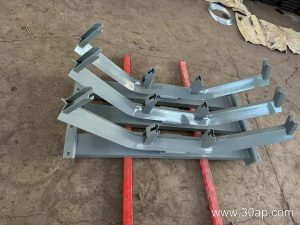
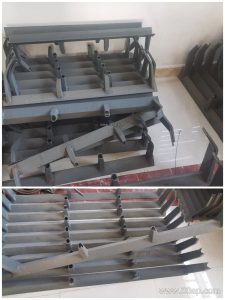
An adjustable conveyor bracket is a structural component that supports idler rollers on a belt conveyor and allows the trough angle to be changed on site. Instead of a welded, fixed frame, this bracket uses slotted holes, pivoting arms, or bolted segments so maintenance teams can fine-tune how the belt sits in the trough. It is common in bulk handling lines where belt loading, material characteristics, or operating conditions change over time. For example, a quarry conveyor handling abrasive rock may need a different trough profile than the same line running a lighter aggregate mix, and an adjustable bracket makes that transition practical without cutting or re-welding the frame.
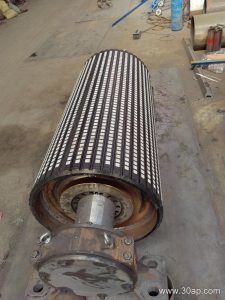
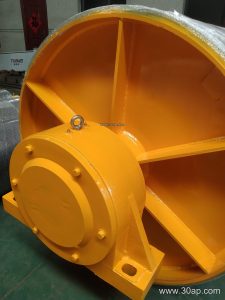
The bracket works together with the conveyor belt, idler roller, and conveyor pulley to keep material centered and reduce spillage. While it is often grouped with conveyor bracket assemblies, the adjustable version is specifically designed for flexibility rather than a single fixed geometry.
Construction and Adjustment Features
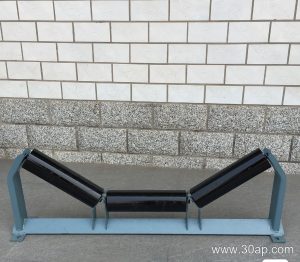
Most adjustable conveyor brackets are fabricated from angle steel, channel steel, or folded steel plate. The adjustment mechanism usually involves slotted mounting holes or a pivoting hinge that lets the idler support arms move through a range of trough angles. Common trough angles include 20, 30, 35, and 45 degrees, and the bracket can be set to intermediate positions depending on the slot length and bolt pattern.
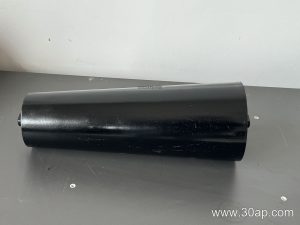
Belt widths from B500 to B2200 are regularly supported by these brackets, with the frame length and hole spacing matched to the belt width and the required trough angle. Idler diameters such as Ø89, Ø108, Ø133, Ø159, and Ø194 are typical, and the bracket’s mounting points must align with the chosen roller size. The bracket does not dictate a single roller diameter for a given belt width; the design combination is determined by load, belt speed, and material weight.
Some adjustable brackets also include a slight forward tilt of about 1.5 to 2 degrees to help with belt tracking, similar to a forward-tilt idler support. This feature is separate from the trough angle adjustment and should be specified clearly when ordering.
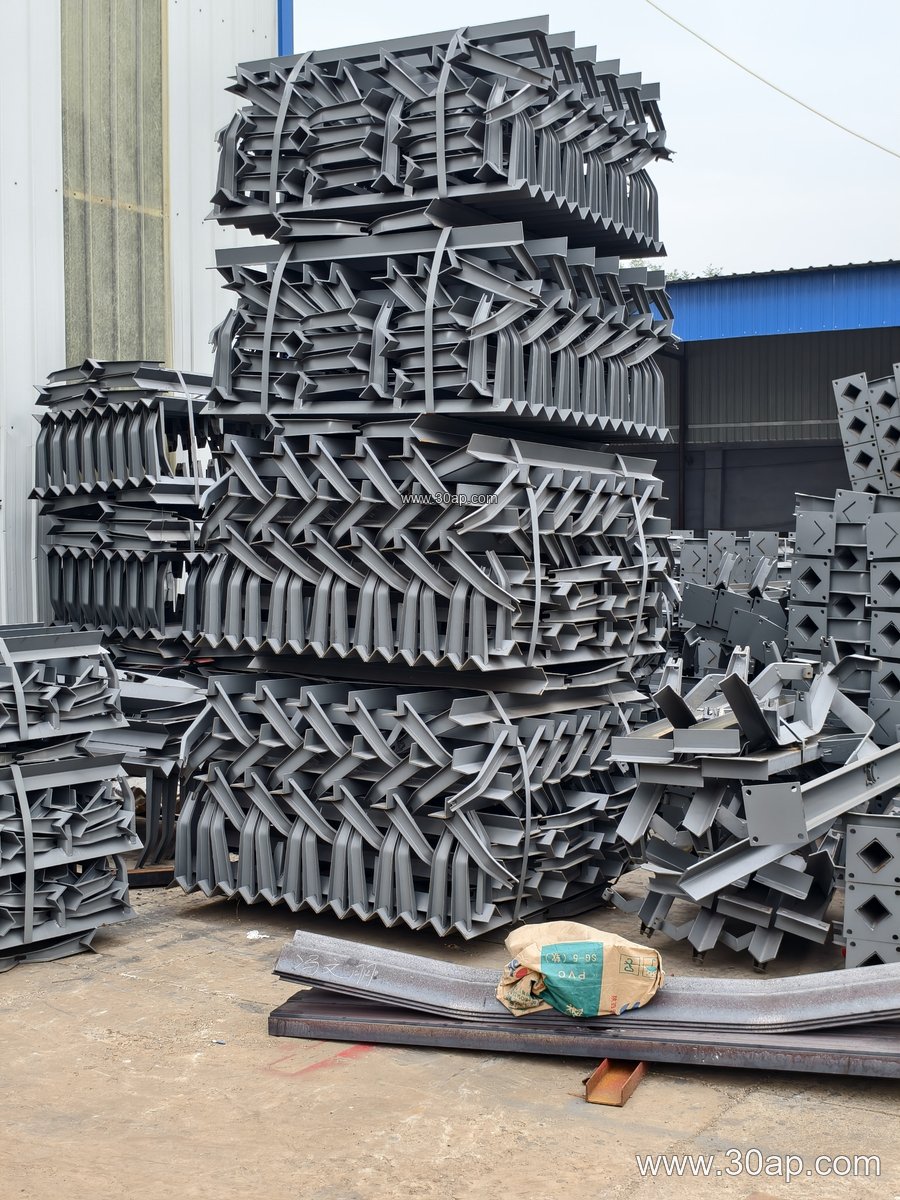
Where Adjustable Brackets Fit on the Conveyor
These brackets are most often used on the carrying side as an alternative to fixed troughing brackets. They can also appear in transition zones where the belt changes from flat to troughed, or on return-side supports where a V-return or flat return arrangement needs occasional adjustment. They are not a replacement for drive pulleys, tail pulleys, or bend pulleys, which serve different mechanical roles.
Typical industries include sand and gravel plants, crushed stone operations, cement plants, and power plant coal handling. In a coal mining conveyor or underground mining conveyor, adjustable brackets help accommodate changes in belt tension and loading without replacing the entire idler frame. They are also found in port conveyor systems and steel plant conveyor lines where different material grades pass over the same belt.
Selection and Compatibility Notes
Buyers should match the bracket to the belt width, idler diameter, and intended trough angle range. A bracket rated for B800 and 35 degrees with Ø108 idlers will not automatically suit a B1200 line with Ø133 rollers, even if the bolt pattern looks similar. Installation hole spacing and crossbeam length vary with belt width and trough angle, so these dimensions should be confirmed against the conveyor design rather than assumed.
Material compatibility matters as well. A heavy-duty mining conveyor belt or abrasion resistant conveyor belt may require a more robust bracket than a lightweight food grade conveyor belt line. In dusty or wet conditions, consider how the adjustment mechanism will be accessed for maintenance. The bracket should also be checked against the conveyor pulley layout to avoid interference with transition idlers or return rollers.
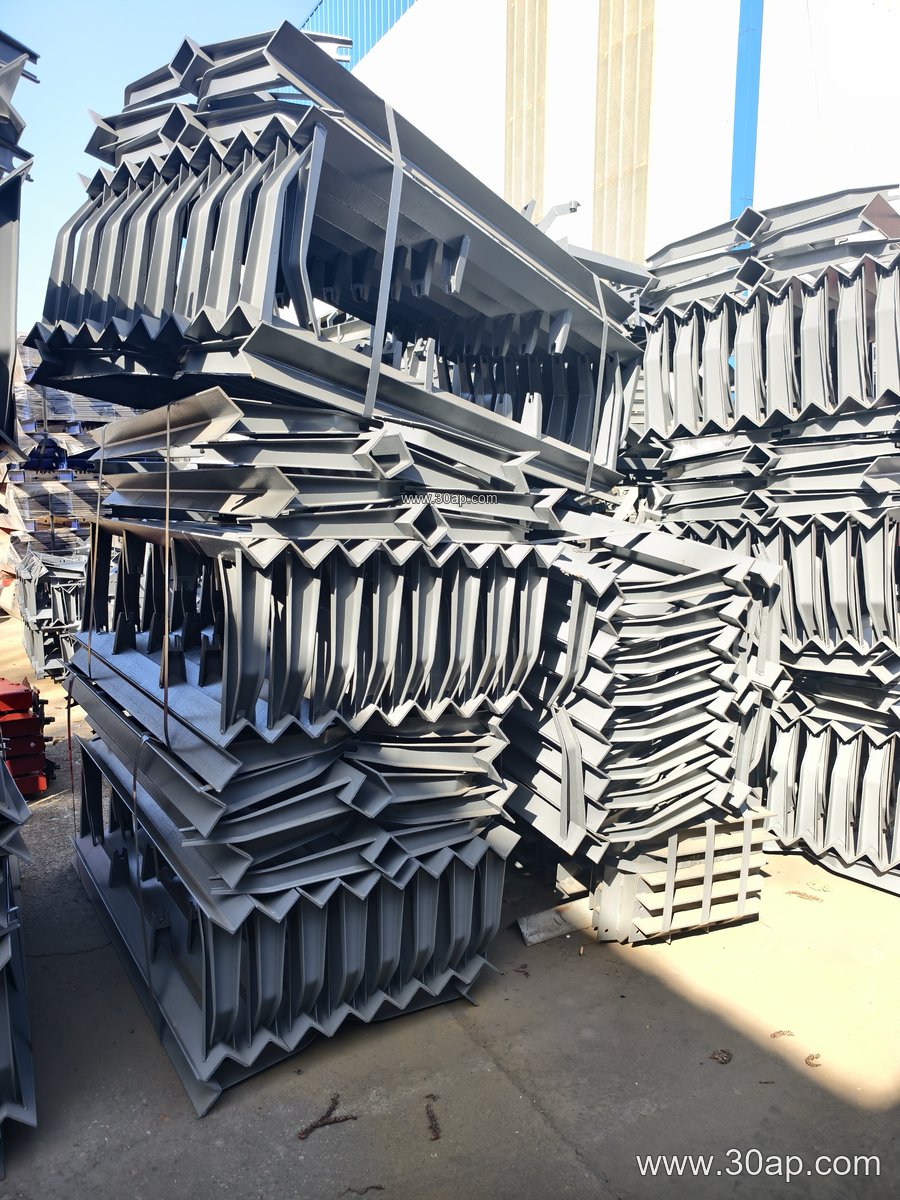
Maintenance and Adjustment Practices
Adjustable brackets need periodic inspection of bolts, slots, and pivot points. Loose hardware can allow the trough angle to drift, which may lead to belt misalignment or material spillage. When changing the trough angle, adjust both sides evenly and recheck belt tracking after the first few cycles. Lubrication is rarely required on simple bolted designs, but sliding surfaces should be kept clean in dusty plants such as cement or lime handling facilities.
For operators running multiple belt widths, keeping a small stock of common bracket sizes can reduce downtime. However, the bracket should always be selected for the specific conveyor belt and idler roller combination rather than treated as a universal part. For more on compatible components, visit belt conveyor components.
Common Reference Configurations
The table below shows typical combinations that appear in conveyor design documents. These are reference examples, not mandatory pairings.
| Belt Width | Trough Angle | Idler Diameter | Typical Use |
|---|---|---|---|
| B500 | 20–30 degrees | Ø89 | Light aggregate, small transfer points |
| B650 | 30 degrees | Ø89–Ø108 | Sand and gravel, mobile conveyors |
| B800 | 35 degrees | Ø108 | Crushed stone, cement additives |
| B1000 | 35–45 degrees | Ø108–Ø133 | Coal handling, ore transfer |
| B1200 | 45 degrees | Ø133 | Heavy bulk material, power plant coal |
| B1400–B1600 | 35–45 degrees | Ø133–Ø159 | Mining and port conveyor lines |
For larger installations, B1800 to B2200 brackets with Ø159 or Ø194 idlers may be used in high-capacity bulk handling. Always confirm the bracket’s load rating and adjustment range with the conveyor designer before ordering.
Buyer Checklist
- Confirm belt width and required trough angle range.
- Match idler diameter and mounting hole pattern.
- Verify crossbeam length and installation hole spacing for the specific conveyor.
- Check material and finish for the environment (dust, moisture, abrasive material).
- Decide whether a forward tilt feature is needed for belt tracking.
- Review compatibility with existing conveyor pulleys and return brackets.
An adjustable conveyor bracket is a practical upgrade for operations that expect changes in belt loading or material type. When selected with the correct belt width, idler size, and trough angle range, it helps maintain belt support without frequent structural modifications. For matching conveyor belt and roller options, see industrial conveyor belt solutions.