What a Chevron Conveyor Belt Is
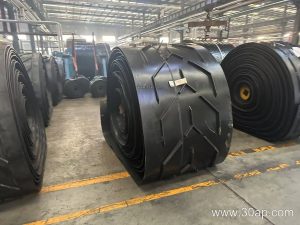
A chevron conveyor belt, also called a patterned conveyor belt, is a rubber conveyor belt with raised V-shaped ribs molded onto the top cover. These cleats are commonly known as chevron profiles or herringbone patterns. The belt is designed to hold bulk materials on an incline where a smooth belt would allow particles to slide back. The keyword product name is Chevron Conveyor Belt, and its accurate equivalent is patterned conveyor belt; both refer to the same product with the same subtype qualifiers for cleat height, pitch, and cover grade.
This is not a replacement for a skirted conveyor belt or a corrugated sidewall conveyor belt. Those designs use sidewalls and crosswalls for steep inclines or for containing material on a flat run. The chevron belt relies on surface profiles only, so it suits moderate slopes and materials that do not need full edge containment.
How the Belt Is Built
Under the profiles, the belt is a fabric-reinforced rubber conveyor belt. Common carcass options include EP conveyor belt (polyester-nylon) and NN conveyor belt (nylon-nylon). A multi-ply fabric core conveyor belt with two to six plies is typical for mining and quarry duty. For long overland or high-tension systems, a steel cord conveyor belt may be used when the duty calls for it, while the chevron profile still provides the incline grip.
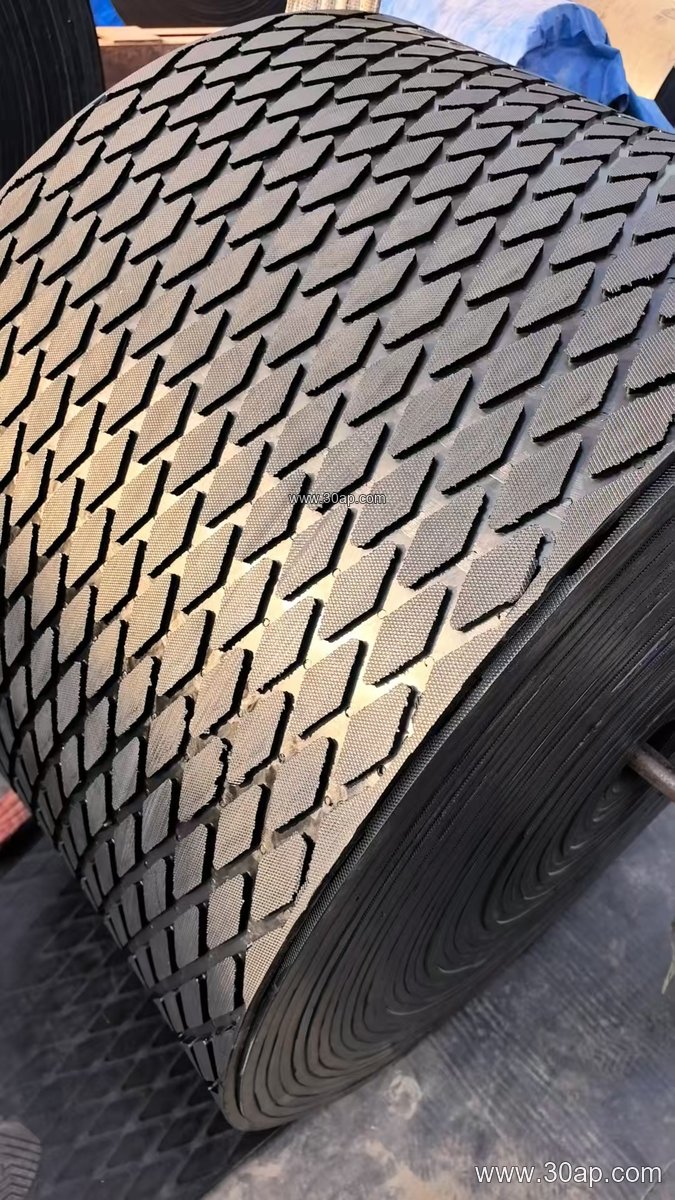
Cover compounds follow the same family logic as smooth belts: abrasion resistant conveyor belt for sand, gravel, and crushed rock; oil resistant conveyor belt for recycled material or oily ore; heat resistant conveyor belt for clinker or sinter; and flame retardant conveyor belt or fire resistant conveyor belt for underground coal mining conveyor belt systems. Anti-static conveyor belt construction is also available for hazardous zones. The profile itself is usually made from the same rubber compound as the top cover, molded in a single vulcanization step so that the cleats bond to the cover.
Where It Fits in the Plant
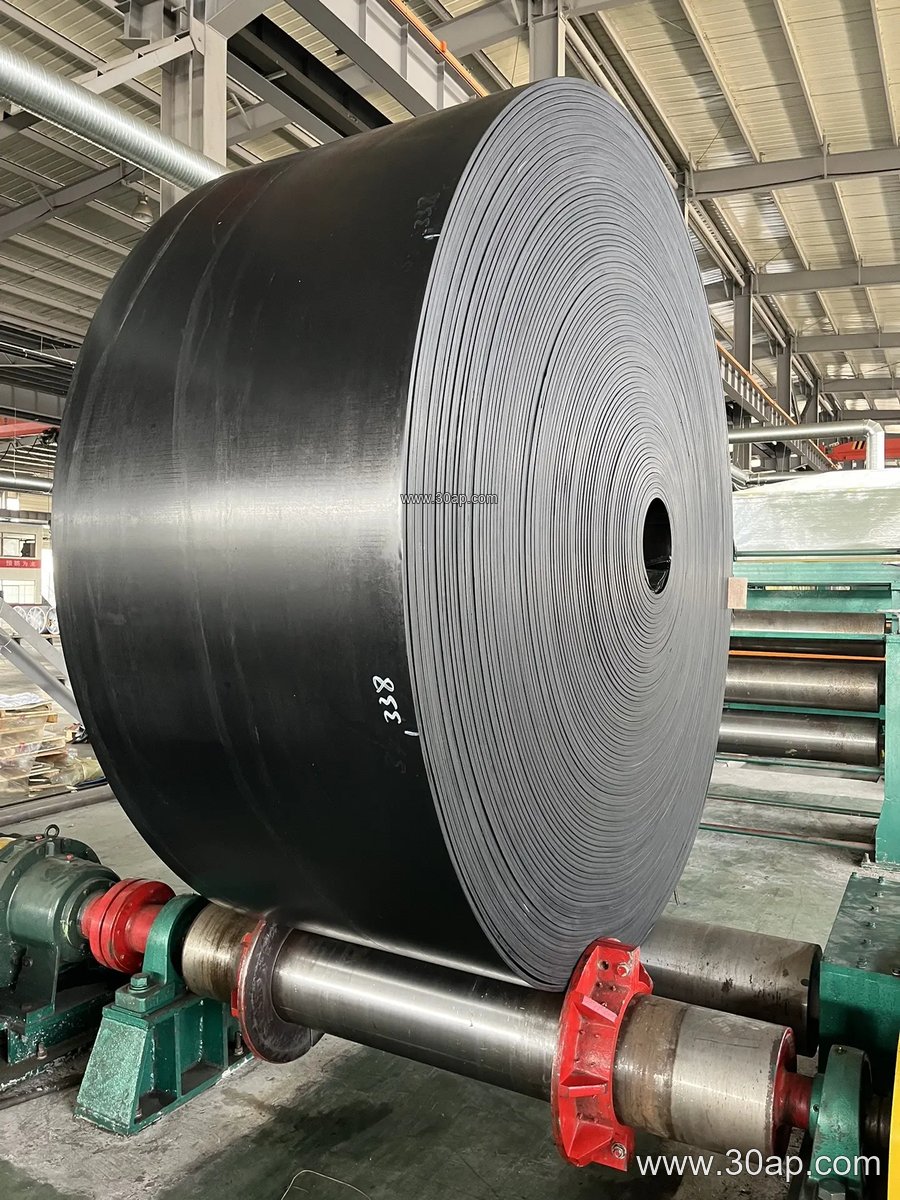
Chevron belts appear in mining conveyor belt circuits, cement plant conveyor belt lines, power plant conveyor belt yards, and quarry conveyor belt or aggregate conveyor belt systems. They are common on crusher conveyor belt discharge runs, ship loading conveyor belt booms, and portable stackers where the incline is too steep for a smooth belt. In a coal mining conveyor belt or underground mining conveyor belt, the flame retardant and anti-static versions are chosen when the site requires those properties.
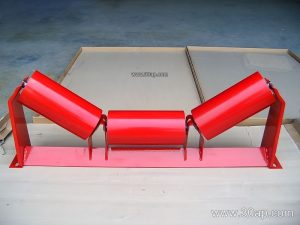
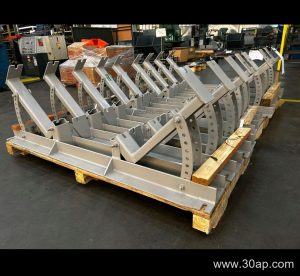
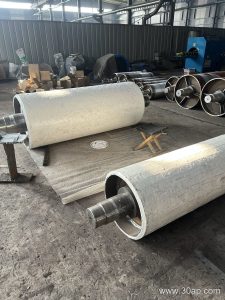
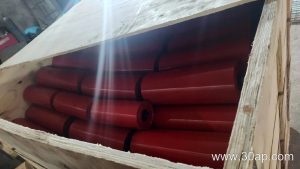
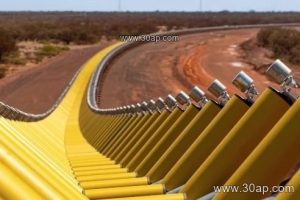
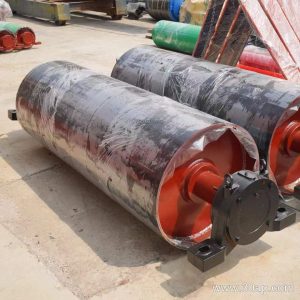
A chevron belt still runs on the same conveyor pulley, idler roller, and conveyor bracket set as a smooth belt. Drive pulley, tail pulley, and bend pulley are separate components and are not interchangeable names; the belt does not change their functions. The profile height must clear the idler roller and the bend pulley, so the layout should be checked before the belt is ordered.
Common Reference Data
The values below are reference ranges, not fixed supply promises. Different manufacturers and belt designs vary, so final data should be confirmed by design.
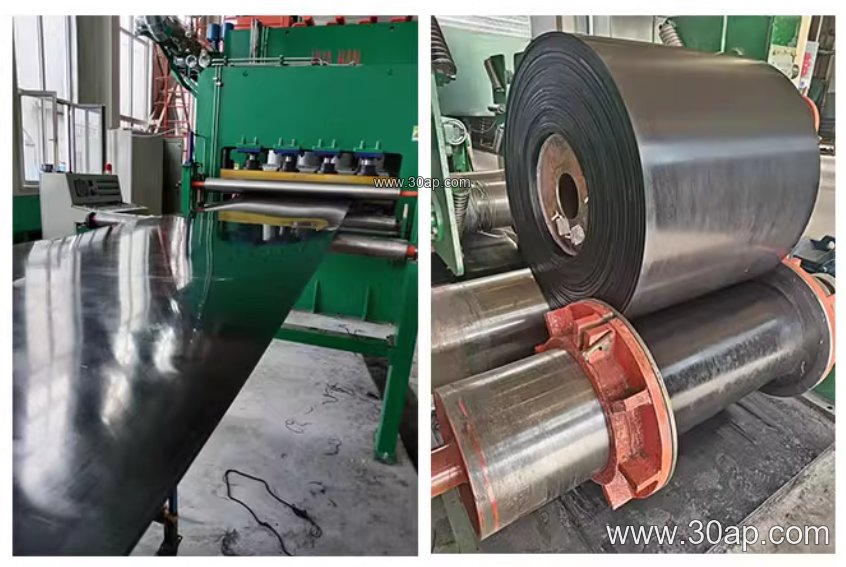
- Belt width: B500, B650, B800, B1000, B1200, B1400, B1600
- Fabric strength grades: EP200, EP315, EP400, EP500, EP630, EP800, EP1000
- Cover thickness examples: 3+1.5 mm, 4+2 mm, 5+2 mm, 6+2 mm
- Carcass plies: usually 2 to 6 plies
- Profile types: chevron or herringbone, open or closed V, cleat height by design
Belt width alone does not set pulley diameter or shaft size; those are determined by the conveyor design, tension, and pulley standard. A 1000mm wide belt and a 1200mm wide belt can run on different pulley sizes depending on the duty.
Buyer Checklist
Before ordering a chevron conveyor belt, confirm the material type, lump size, and moisture. Check the maximum incline angle and the transition distance from the tail pulley to the first idler roller, because the profiles need space to clear. Specify the cover grade: abrasion resistant for hard rock and ore, oil resistant for oily scrap, heat resistant for hot clinker, and flame retardant for underground coal. State whether an endless conveyor belt splice is required or whether the belt will be joined on site.
Ask for the profile drawing, because cleat height, pitch, and pattern shape affect both capacity and return run clearance. On the conveyor frame, check the conveyor bracket spacing and the idler roller alignment so the belt trains well. For steep or high-tonnage duty, compare the fabric core option with a steel cord conveyor belt before finalizing the carcass. A well-matched chevron belt reduces spillage and keeps bulk material moving on the incline.