What the NN100 Conveyor Belt Is
The NN100 Conveyor Belt is a multi-ply fabric core belt built with nylon (NN) warp and weft cords. In the naming system used by belt manufacturers, the number refers to the nominal tensile strength of the carcass in newtons per millimeter of belt width. NN100 sits at the lighter end of the nylon belt range, above general-purpose cotton belts but below NN200, NN300 and NN400 constructions. Buyers searching for a NN Conveyor Belt of this class are usually looking for a flexible, fatigue-resistant belt for medium-duty conveying rather than for the heaviest primary crushing duty.
Because nylon filament has high elongation and excellent flex life, an NN100 belt absorbs shock loads and runs smoothly over small-diameter pulleys. It is a common choice where the conveyor profile includes several bends, a relatively short center distance, or frequent starts and stops.
Construction and Cover Grades
The carcass is normally made of two to six plies of NN fabric bonded with rubber skim compound. The number of plies, the cover thickness and the cover compound are selected according to the material being carried and the environment. Typical cover combinations include 3+1.5 mm, 4+2 mm, 5+2 mm and 6+2 mm, with heavier covers such as 8+3 mm available for abrasive duty. The top cover protects the carcass from wear and impact, while the bottom cover runs against the idler roller and the pulleys.
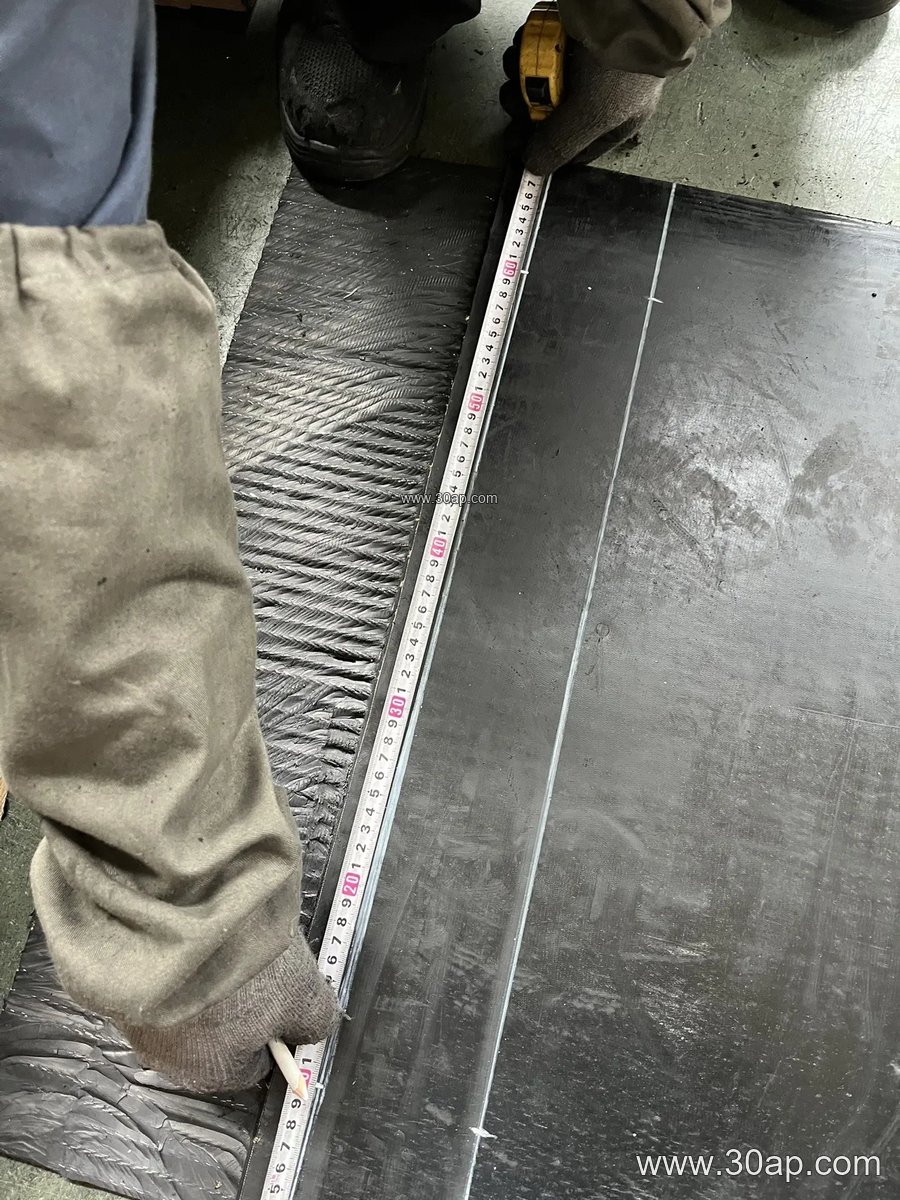
Cover compounds change the working range of the belt considerably. A plain Rubber Conveyor Belt cover suits general dry bulk materials, while an abrasion resistant, heat resistant, oil resistant or flame retardant version may be specified for sharper, hotter, oily or fire-sensitive cargo. Surface forms such as chevron or corrugated sidewall profiles are separate design choices and are used to prevent roll-back or to contain material on steep inclines.
Where NN100 Belts Fit in the Plant
The belt appears across many industries that move granular and lump material. In a sand and gravel plant it often serves as a transfer or stockpile belt after secondary crushing. In cement plants it may run on additive or clinker transport lines where the duty is moderate. Power plants, coal preparation facilities, fertilizer and chemical plants, and port conveyor systems also use this class of belt for lighter or intermediate duty.
It is worth distinguishing the NN100 from heavier constructions. A Steel Cord Conveyor Belt or an EP1000, EP1250 or EP1600 belt is built for long overland lines and high tension, and a high-strength fabric belt such as NN300 or NN400 would be selected where the calculated tension is greater. An NN100 belt should not be substituted into those duties without a proper tension check. Conversely, fitting an over-specified belt adds weight and cost without benefit on a short, lightly loaded line.
Specification Points a Buyer Should Confirm
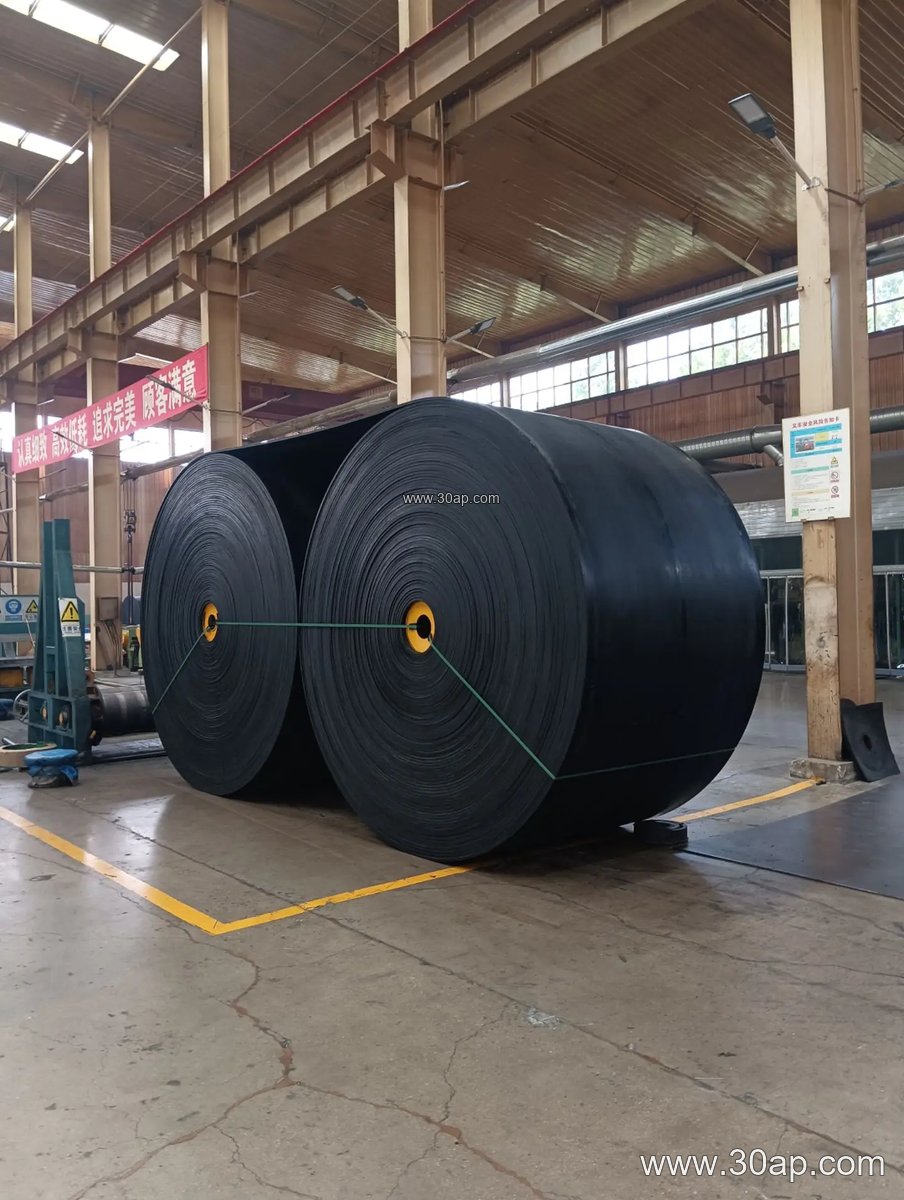
Belt width, ply count, cover thickness, cover grade and tensile grade form the core of the purchase specification. Common widths range from B500 and B650 up to B1200 and B1400, with wider belts available for large-volume lines. The table below shows typical reference values; actual supply should always be confirmed against the conveyor design.
| Parameter | Typical Reference Values |
|---|---|
| Tensile grade | NN100 (also NN200, NN300, NN400 in the same family) |
| Belt width | B500, B650, B800, B1000, B1200, B1400 |
| Carcass plies | 2 to 6 plies, selected by tension calculation |
| Cover thickness | 3+1.5 mm, 4+2 mm, 5+2 mm, 6+2 mm, 8+3 mm |
| Cover grades | Abrasion resistant, heat resistant, oil resistant, flame retardant, anti-static, cold resistant |
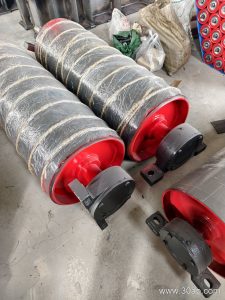
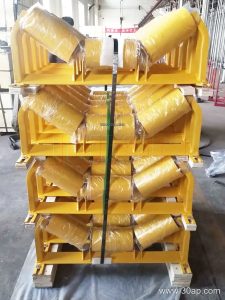
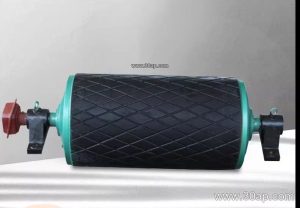
Also confirm the pulley diameters on the conveyor. A thin, flexible carcass generally tolerates smaller pulleys, but the drive pulley, tail pulley and bend pulleys each have their own minimum diameter requirements, and these are not interchangeable. The belt manufacturer’s recommendation should be matched to the actual pulley schedule. Likewise, check the troughing angle, the idler roller spacing at loading points, and whether impact idlers are needed below the hopper.
Installation and Maintenance Notes
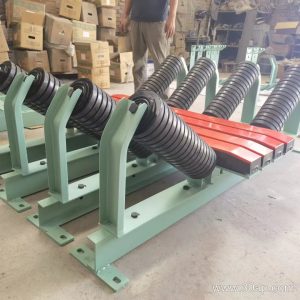
Correct splicing matters as much as belt selection. A vulcanized splice usually gives the most uniform strength and the longest service life on a permanent line. Alignment should be checked at the head and tail, and the conveyor bracket and frame should be square before the belt is tensioned. During operation, watch for edge wear, cover gouges and exposed fabric, which indicate mistracking or a loading problem rather than a belt defect.
Keep the belt reasonably clean and avoid material buildup on the return side, since carryback is a common cause of mistracking and premature cover wear. Store spare rolls in a dry, shaded place and rotate stock so that older belts are used first. With sensible selection and routine inspection, an NN100 belt can deliver dependable service on medium-duty conveying lines in quarry, cement, power and bulk handling operations.