What a Nylon Idler Is and Where It Fits
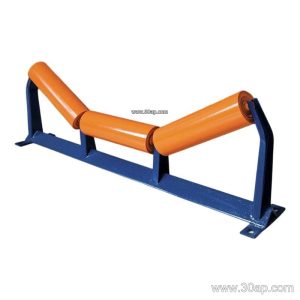
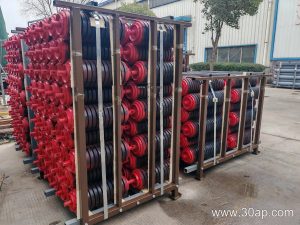
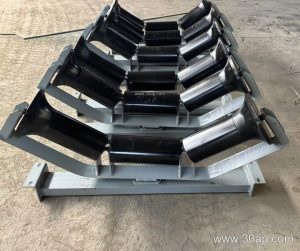
A nylon idler is a conveyor idler roller whose outer shell is made from nylon rather than steel, rubber or ceramic. It sits under the belt on the carrying side or beneath the return strand, supporting the conveyor belt and keeping it tracking along the frame. In a quarry, a limestone mine or an aggregate line, you will often see them on the troughing sets that carry crushed rock forward to the screening stage. The nylon surface is the defining feature: it is light, smooth running and resistant to many of the abrasive and mildly corrosive conditions found in bulk handling.
Because the shell is non-metallic, a nylon idler roller also appeals where belt damage from a sharp steel edge is a concern, or where weight reduction on the frame matters. It is still a roller, not a pulley, so it does not drive or redirect the belt. A drive pulley, a tail pulley and a bend pulley each do a different job and are not interchangeable with an idler of any kind.
How the Roller Is Built
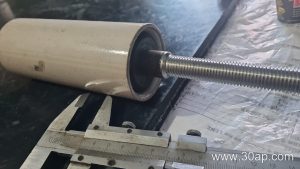
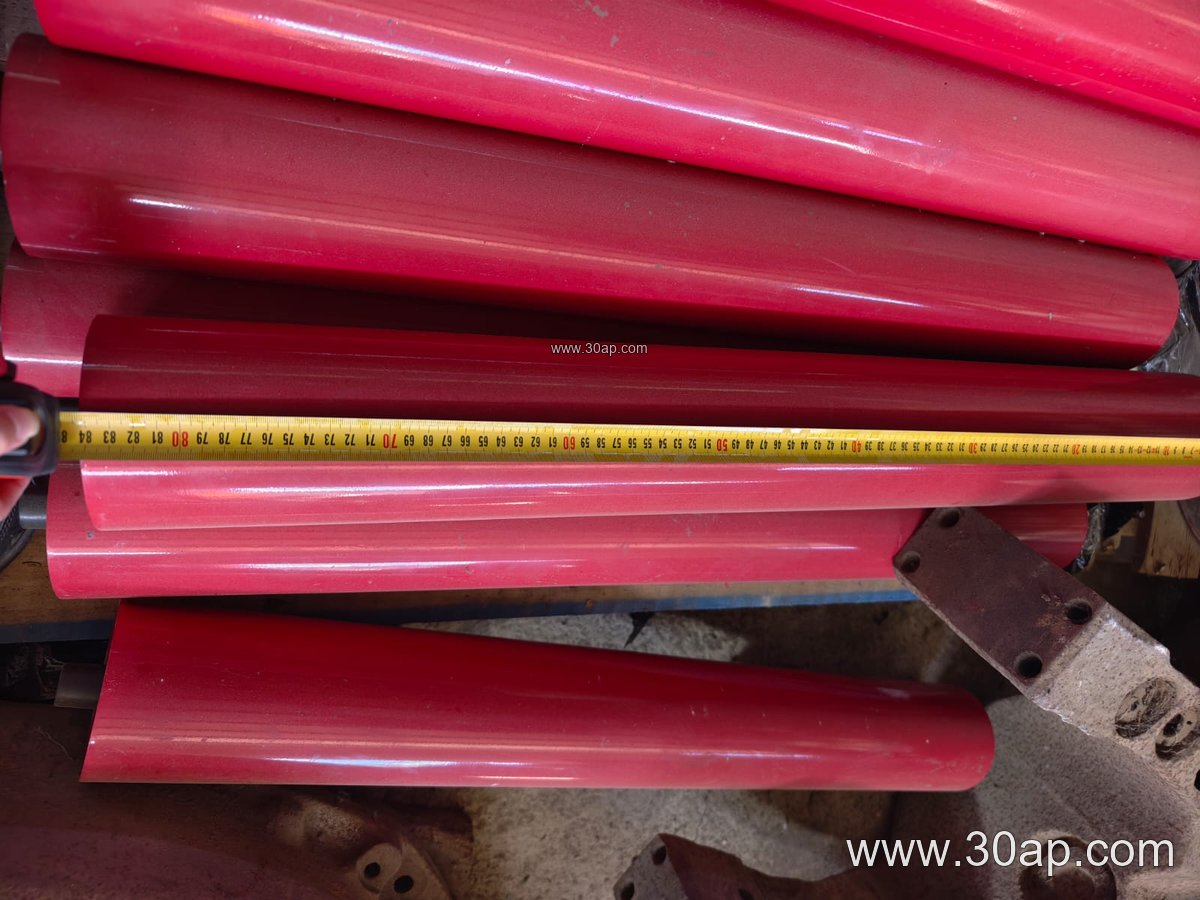
Most nylon idlers combine a nylon outer tube with a steel shaft, sealed bearings and a bearing housing. The nylon shell may be extruded or machined, and the end caps are pressed or bonded in place. Bearing selection usually follows the load and speed of the conveyor rather than the belt width alone, and common bearing numbers in this class of roller include 6204, 6205, 6305, 6306, 6308 and 6310. None of these is tied to one particular roller diameter.
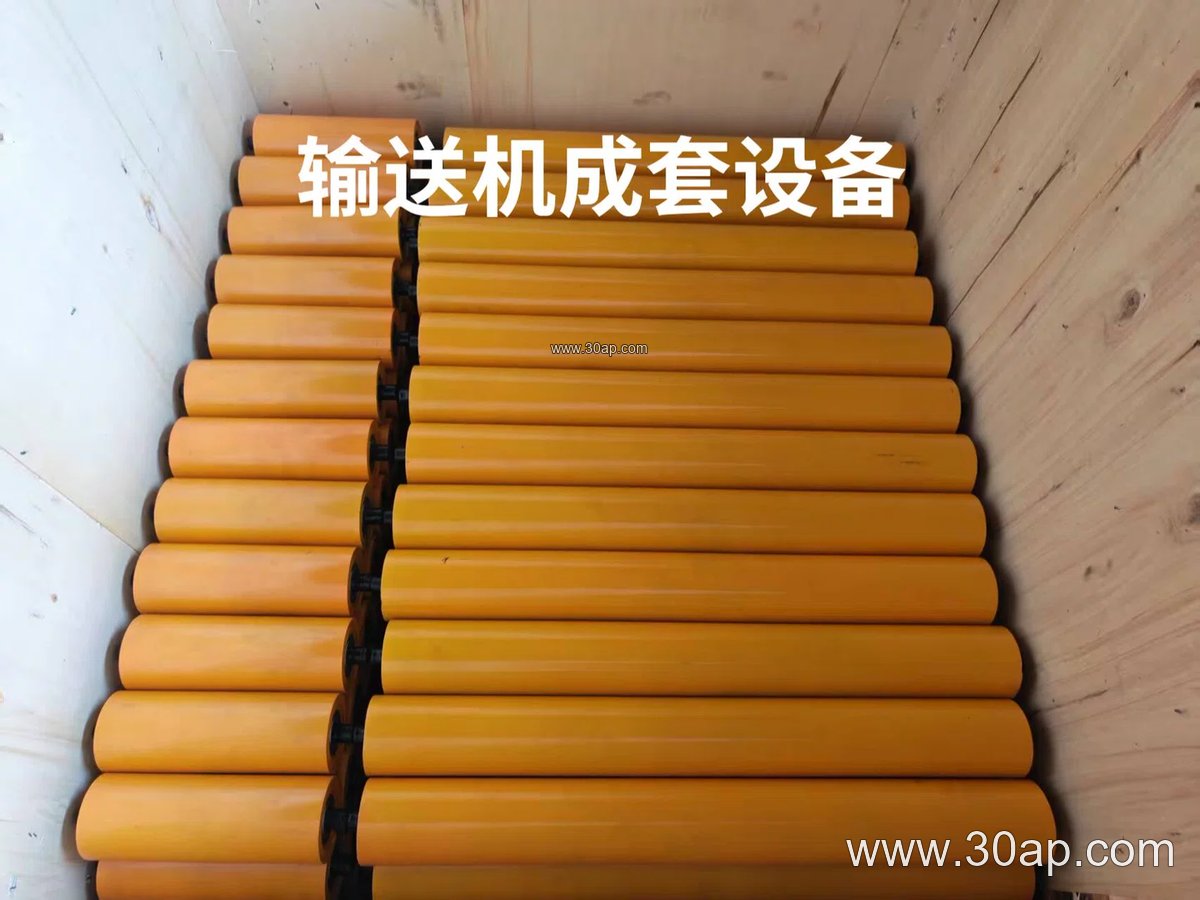
The sealing arrangement deserves attention. Dust from a crusher, fine cement powder or coal dust will shorten bearing life if it reaches the raceway. Good labyrinth seals and a grease-retaining housing are what separate a durable nylon roller from a short-lived one. Buyers should ask how the seal is constructed, not only what the shell material is.
Typical Dimensions and Configurations
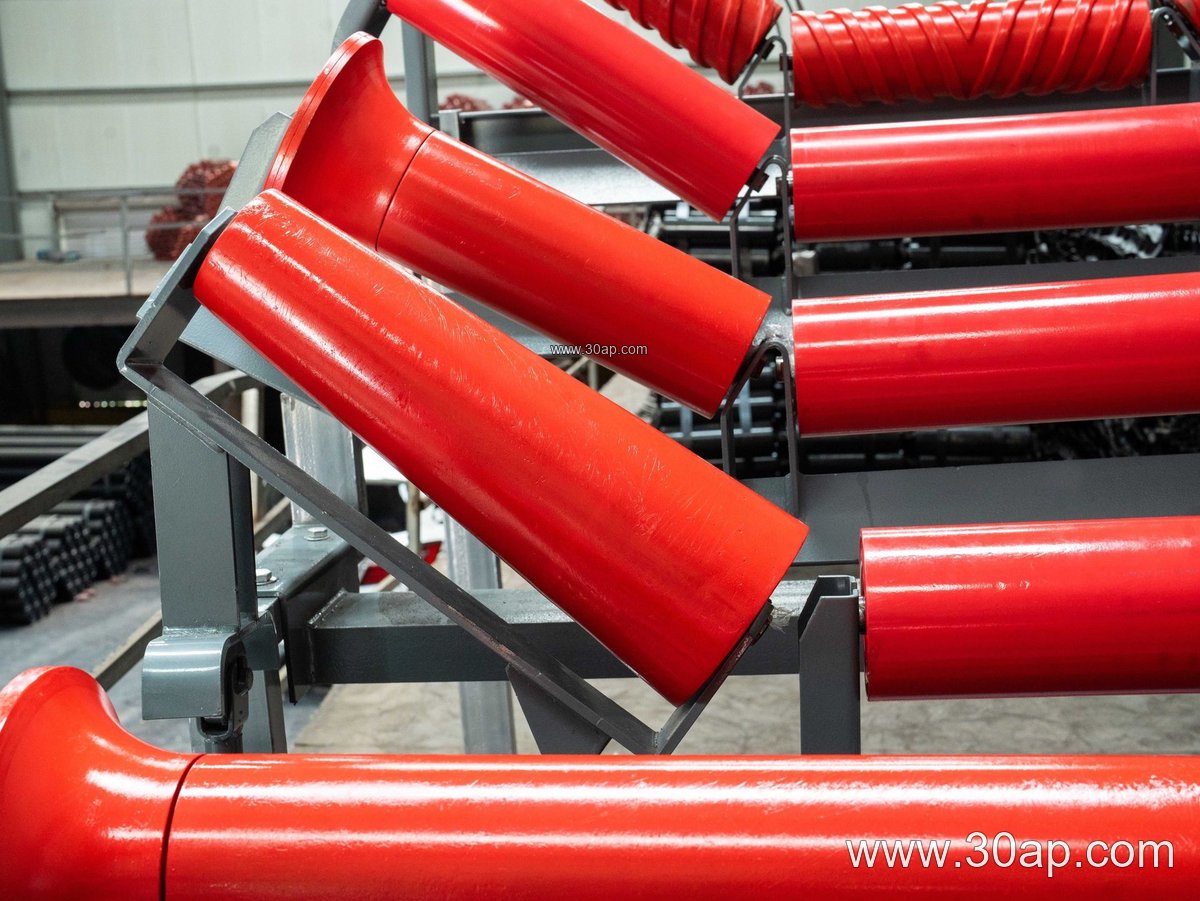
Nylon idlers are produced in the same general diameter and length ranges as steel rollers, and the final choice depends on belt width, trough angle, load and the idler set form. The table below gives common reference values; treat them as design starting points rather than fixed pairings.
| Parameter | Common reference values |
|---|---|
| Roller diameter | Ø63, Ø76, Ø89, Ø102, Ø108, Ø127, Ø133, Ø159, Ø178, Ø194, Ø219 mm |
| Belt width | B400, B500, B650, B800, B1000, B1200, B1400, B1600, B1800, B2000 mm |
| Trough angle | 20°, 30°, 35°, 45° |
| Idler set form | single roll, two-roll troughing, three-roll troughing |
| Roller surface | nylon, steel tube, rubber ring, ceramic |
Roller length changes with belt width, trough angle and set arrangement. For a three-roll troughing set, a B800 belt commonly uses a roll length around 315 mm and a B1200 belt around 465 mm, but side rolls and centre rolls can differ, and the exact figures are set by the conveyor designer. Avoid assuming that one belt width can only match one pulley diameter, or that a given belt width fixes a shaft diameter on its own.
Where Nylon Idlers Are Used
These rollers appear in cement plants on clinker and raw meal lines, in power plant coal handling, in sand and gravel plants feeding a crusher, and in fertiliser and grain conveying where a smooth, low-friction shell helps. On a long overland conveyor carrying iron ore or copper ore, weight savings across hundreds of idler stations can reduce frame load. In tunnelling spoil removal, nylon rollers are sometimes chosen for their resistance to wet, gritty conditions.
Applications with very hot material call for a heat resistant conveyor belt and may need a roller material suited to temperature, so nylon should be checked against the actual operating temperature before it is specified. Where a flame retardant conveyor belt is required underground, the roller choice should follow the same safety review. For heavy impact at the loading point, a rubber ring impact idler is usually the better fit than a plain nylon roll, and this is one case where a different subtype is worth comparing directly.
Selection and Maintenance Notes
- Match roller diameter and bearing capacity to belt speed and load, not to belt width alone.
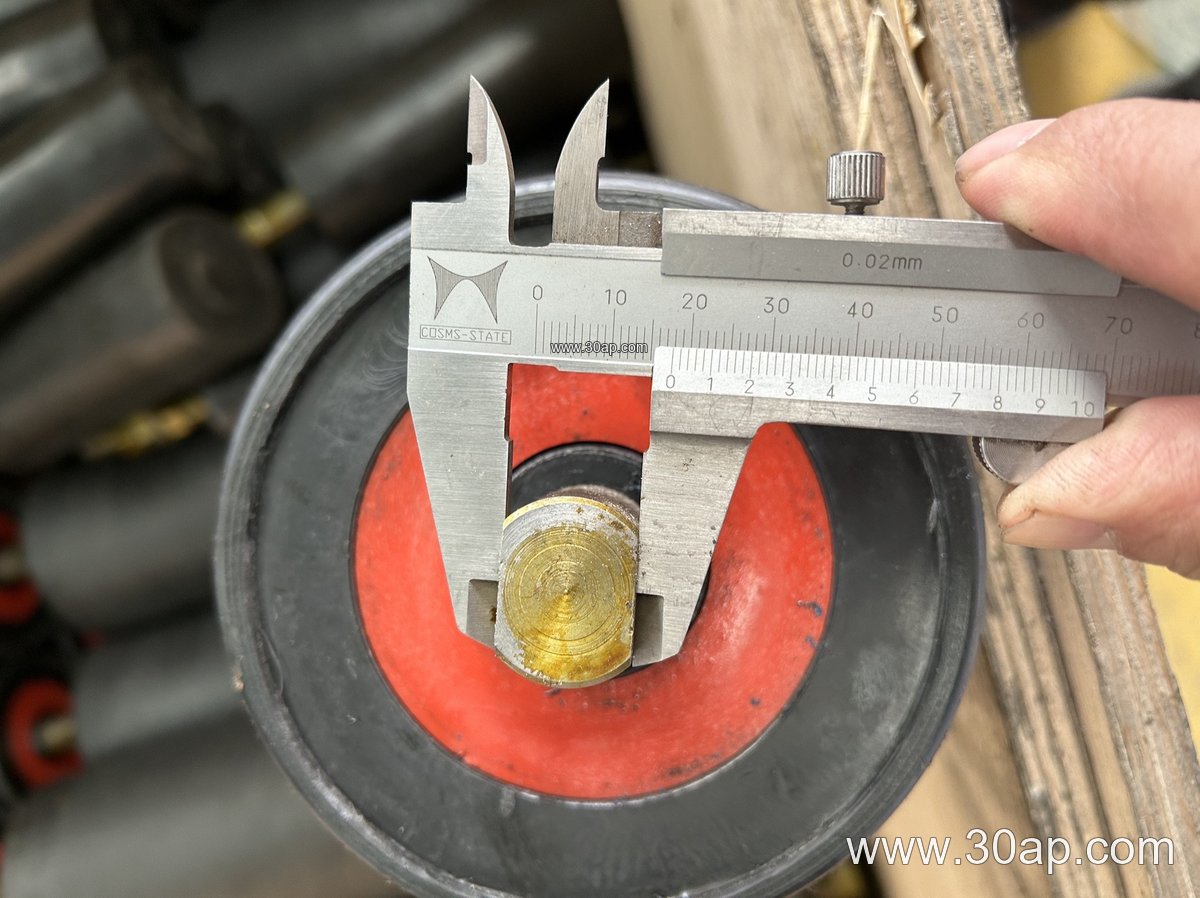
- Confirm the shaft and bracket dimensions against the existing conveyor bracket before ordering.
- Check seal quality for dusty duties such as cement, coal or quarry dust.
- Review temperature limits when the belt carries hot material.
- Rotate spare stock and inspect for shell wear, bearing noise and seized rolls during routine walks.
A nylon idler is a simple component, but it affects belt life, energy draw and downtime. Used with the right troughing set, the right seal and the right diameter for the duty, it can serve abrasive bulk handling well. Buyers who compare the roller data sheet against the actual conveyor layout, rather than copying a single size from another line, usually get the longest service life.