What a Cement Plant Conveyor Belt Has to Handle
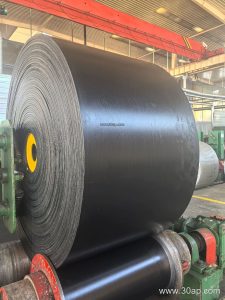
A cement plant conveyor belt works in one of the harshest material handling environments found in heavy industry. Limestone, clinker, gypsum, raw meal, coal, and cement dust move continuously between the quarry, crusher, preheater tower, kiln, cooler, and packing plant. The belt must resist abrasion from sharp clinker, tolerate heat from freshly cooled material, and survive a dust-laden atmosphere that settles into every moving part. Unlike a general-purpose bulk material conveyor belt used in a sand making plant or recycling line, the cement duty cycle is often continuous, three shifts a day, with little tolerance for unplanned stops.
This article explains how a cement plant conveyor belt is built, where it sits in the process, which specifications matter, and what a buyer should confirm before ordering.
Construction of a Cement Conveyor Belt
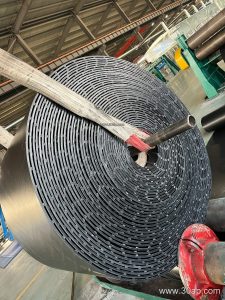
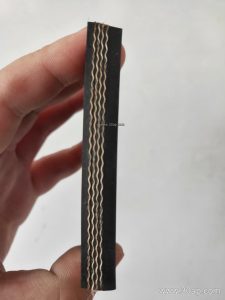
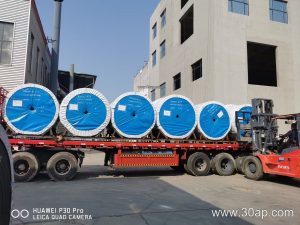
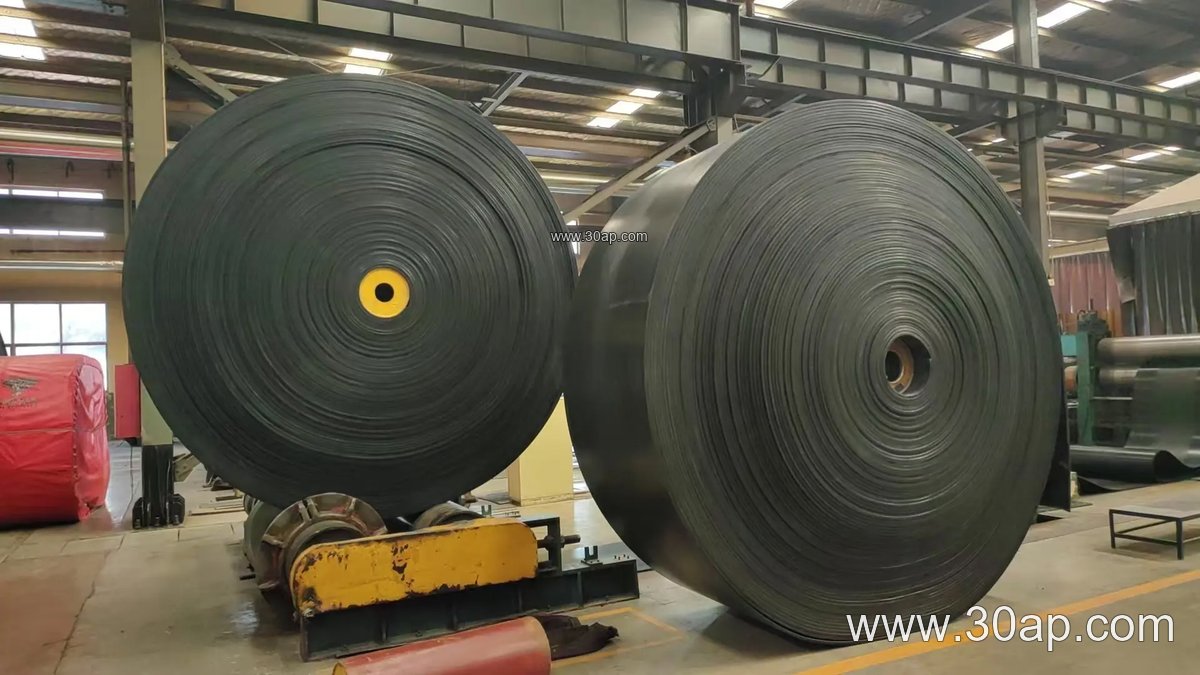
Most cement plant belts are fabric-cored or steel-cord reinforced. The carcass carries the tensile load, while the cover rubber protects against wear, heat, and oil. A typical fabric construction uses multiple plies of EP or NN fabric, while long overland and high-tension sections often use a steel cord conveyor belt.
- Carcass: EP conveyor belt with 2 to 6 plies is common for plant conveyors; NN conveyor belt is also used where elongation and impact absorption matter.
- Cover rubber: abrasion resistant conveyor belt grades are standard for clinker and limestone; heat resistant conveyor belt grades are used near the cooler and kiln discharge.
- Top and bottom cover: frequently 4+2 mm, 5+2 mm, or 6+2 mm, with thicker covers on impact zones.
- Edges: cut edges or molded edges depending on width and application.
Where material must be contained on steep inclines, a chevron conveyor belt or corrugated sidewall conveyor belt can replace a standard smooth belt. For dusty, enclosed transfer points, a skirted conveyor belt helps prevent spillage. These are design options, not universal replacements for the main smooth belt.
Where the Belt Fits in the Cement Process
A cement plant conveyor belt appears at nearly every stage. Quarry conveyors move raw limestone from the pit to the crusher. Crusher conveyor belts handle coarse, sharp rock and need impact resistant conveyor belt covers at the feed point. Additive belts carry gypsum, pozzolana, and iron ore. Coal mining conveyor belt grades or flame retardant conveyor belt grades may be specified for coal handling and storage. Clinker belts operate at elevated temperature and often use a heat resistant conveyor belt. Finished cement belts feed the packing plant and truck or rail loaders.
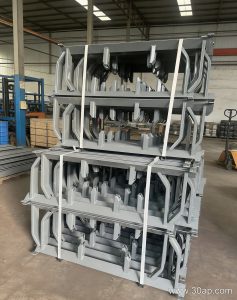
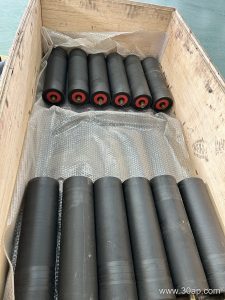
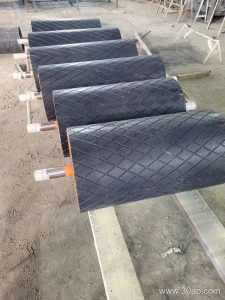
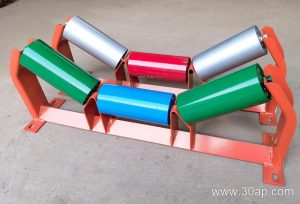
Supporting equipment matters as much as the belt itself. Idler roller alignment, conveyor pulley condition, and conveyor bracket rigidity affect belt tracking and cover wear. A well-aligned conveyor pulley and free-running idler roller reduce edge damage and extend service life.
Common Specifications and Reference Data
The values below are typical references only. Actual belt width, strength, and cover thickness are determined by conveyor design, tonnage, incline, and material characteristics. Different manufacturers offer different ranges.
| Parameter | Common reference values |
|---|---|
| Belt width | B500, B650, B800, B1000, B1200, B1400, B1600, B1800, B2000 |
| EP strength grades | EP200, EP315, EP400, EP500, EP630, EP800, EP1000, EP1250, EP1600, EP2000 |
| Steel cord grades | ST1000, ST1250, ST1600, ST2000, ST2500, ST3150 |
| Cover thickness | 3+1.5, 4+2, 5+2, 6+2, 8+3 mm |
| Fabric plies | 2 to 6 layers |
| Special grades | flame retardant, anti-static, oil resistant, cold resistant, acid and chemical resistant |
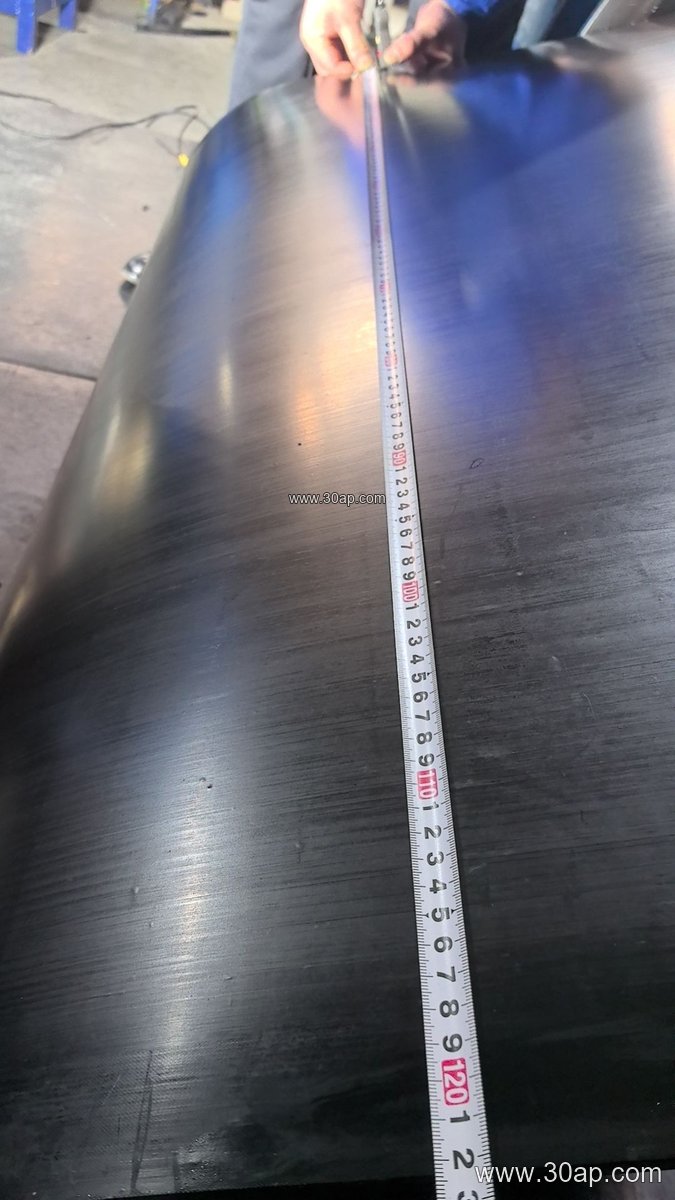
A 1200mm wide conveyor belt is a common size for main plant conveyors, while 800mm and 1000mm belts are frequent on auxiliary lines. Wider belts such as 1800mm or 2000mm appear on high-capacity raw material and clinker routes. Belt width and pulley diameter are matched through conveyor design calculations, not by a fixed rule.
Buyer Checklist
- Confirm the material, lump size, temperature, and moisture content at the transfer point.
- State whether the belt runs underground or outdoors, since UV, cold, and fire safety requirements differ.
- Specify cover grade and thickness rather than only tensile strength.
- Check splice method: an endless conveyor belt joint may be vulcanized on site.
- Review pulley and idler roller condition before installing a new belt, since worn components shorten belt life.
- For coal or dusty service, request flame retardant and anti-static conveyor belt properties.
Maintenance Notes
Inspect the belt weekly for edge wear, cover gouges, and splice integrity. Keep the idler roller rotating freely and verify that the conveyor pulley lagging is not worn smooth. Clean spillage around conveyor brackets so material does not build up against the belt. Tracking problems usually trace back to misalignment or uneven loading, not to the belt alone.
A cement plant conveyor belt is a wear part, but careful specification and routine inspection keep it running through the full production cycle.