What a Belt Conveyor Bracket Does on the Line
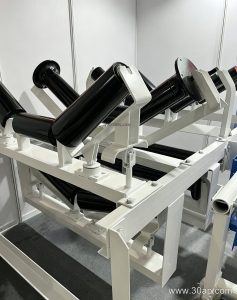
A belt conveyor bracket is the structural support that holds the idler rollers in the correct position under the conveyor belt. In a quarry or a cement plant, the bracket keeps the trough shape stable so material stays centered, and it carries the load from the belt and idlers into the conveyor frame. The bracket is not a wear part in the same way as a roller, but it determines how well the rollers and the belt work together.
On a typical troughed conveyor, the upper bracket sets the trough angle while the lower bracket supports the return run. A poorly aligned bracket can cause belt tracking problems, edge damage, and uneven wear on a rubber conveyor belt or an EP conveyor belt. That is why bracket selection deserves the same attention as roller and pulley selection.
Common Bracket Types and Where They Fit
Brackets are usually grouped by their position and function on the conveyor. The main types include:
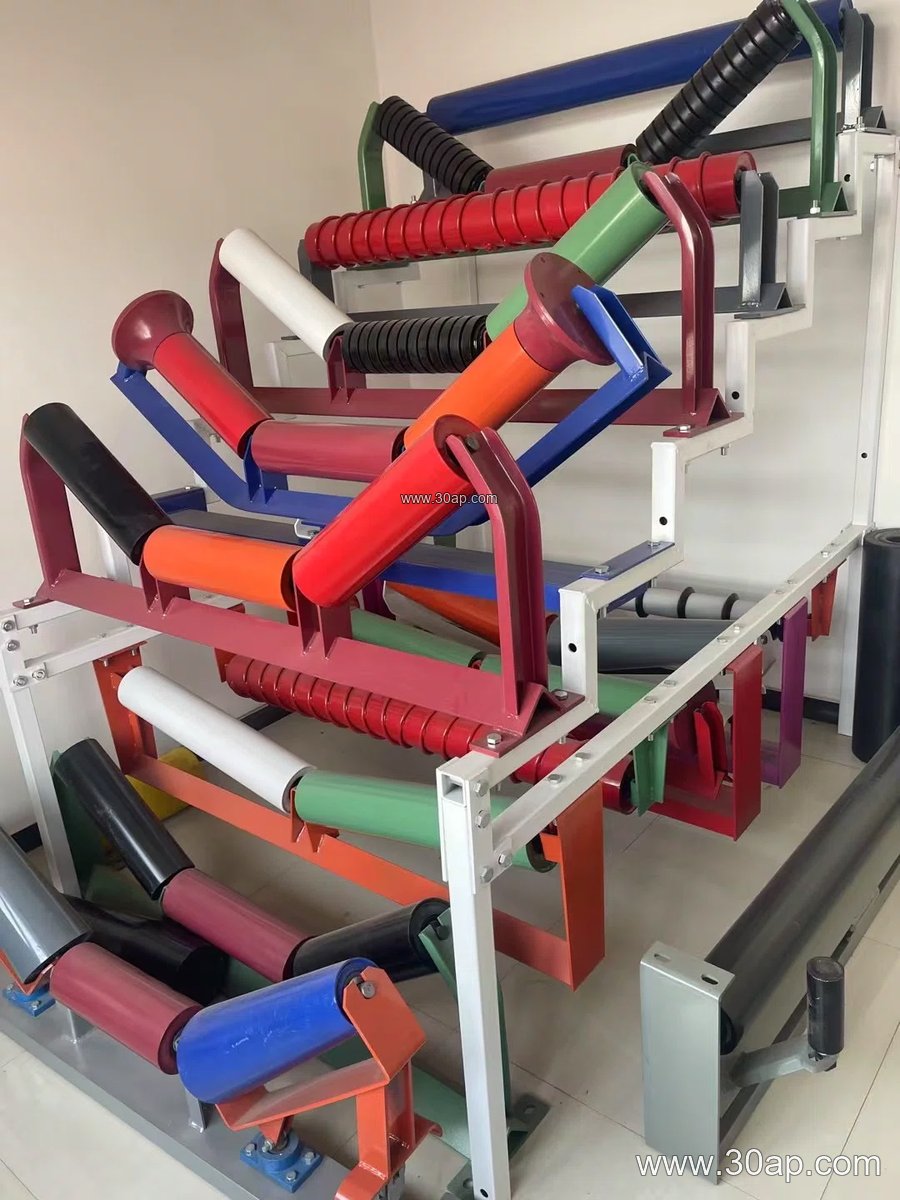
- Troughing bracket for the carrying side, often called a trough bracket or troughing idler bracket.
- Transition bracket used near pulleys to gradually change the belt from flat to troughed.
- Return bracket, including flat return and V-return designs, for the lower run.
- Impact bracket placed under loading points to support impact idlers.
- Self-aligning bracket that helps correct belt misalignment.
- Adjustable bracket that allows the trough angle to be changed on site.
Each type has a specific role. A transition bracket is not a substitute for a troughing bracket, and a return bracket should not be used on the carrying side. Mixing them up can affect belt training and splice life.
Materials and Build
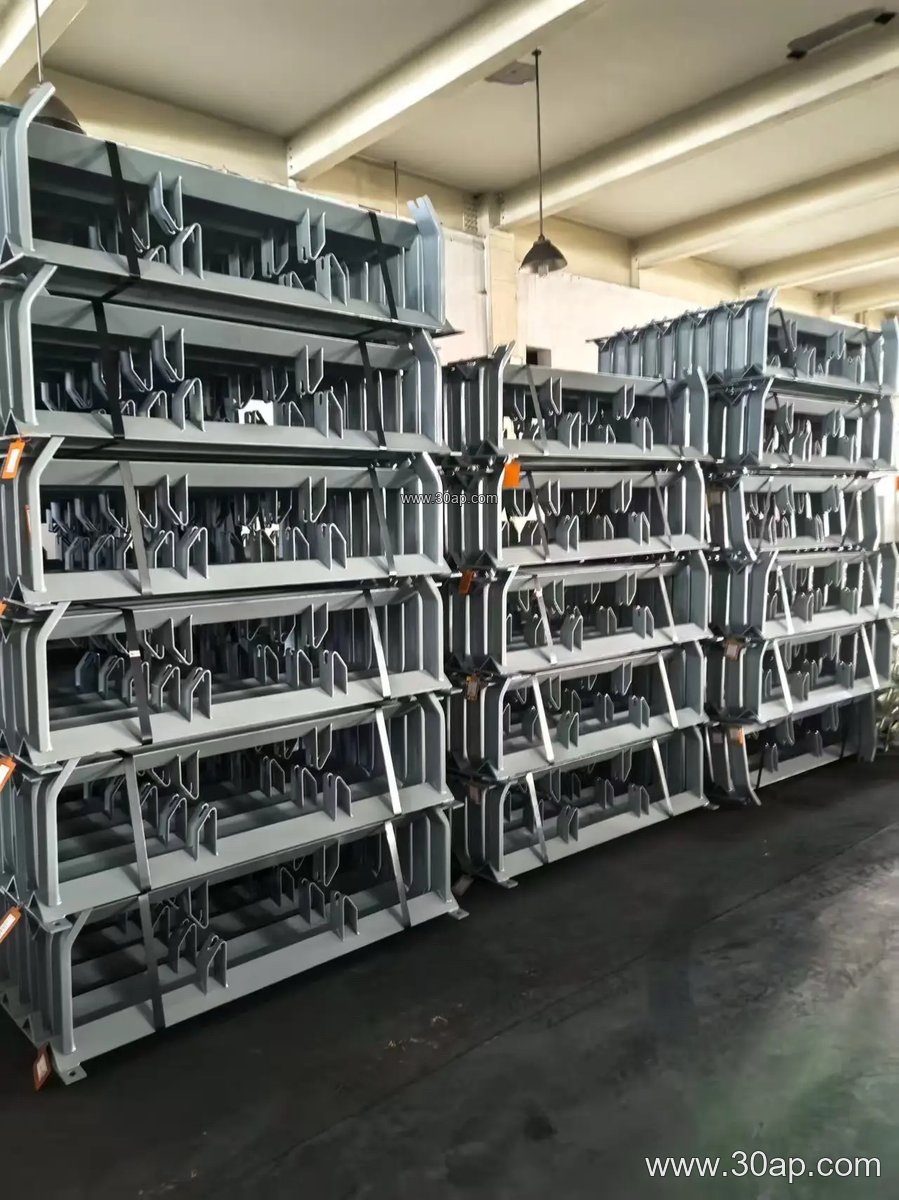
Most brackets are made from angle steel, channel steel, or folded steel plate. The choice depends on load, belt width, and the environment. In a coal mining conveyor or a power plant coal handling system, brackets may be painted or galvanized to resist corrosion. In a limestone quarry or a sand and gravel line, heavier channel steel is common because of shock loads from large lumps.
Fabrication quality matters. Welds should be clean, mounting holes should line up with the idler frames, and the bracket should sit square on the conveyor stringer. A twisted bracket will twist the idler, and the belt will follow.
Matching Bracket to Belt Width, Trough Angle, and Roller Diameter
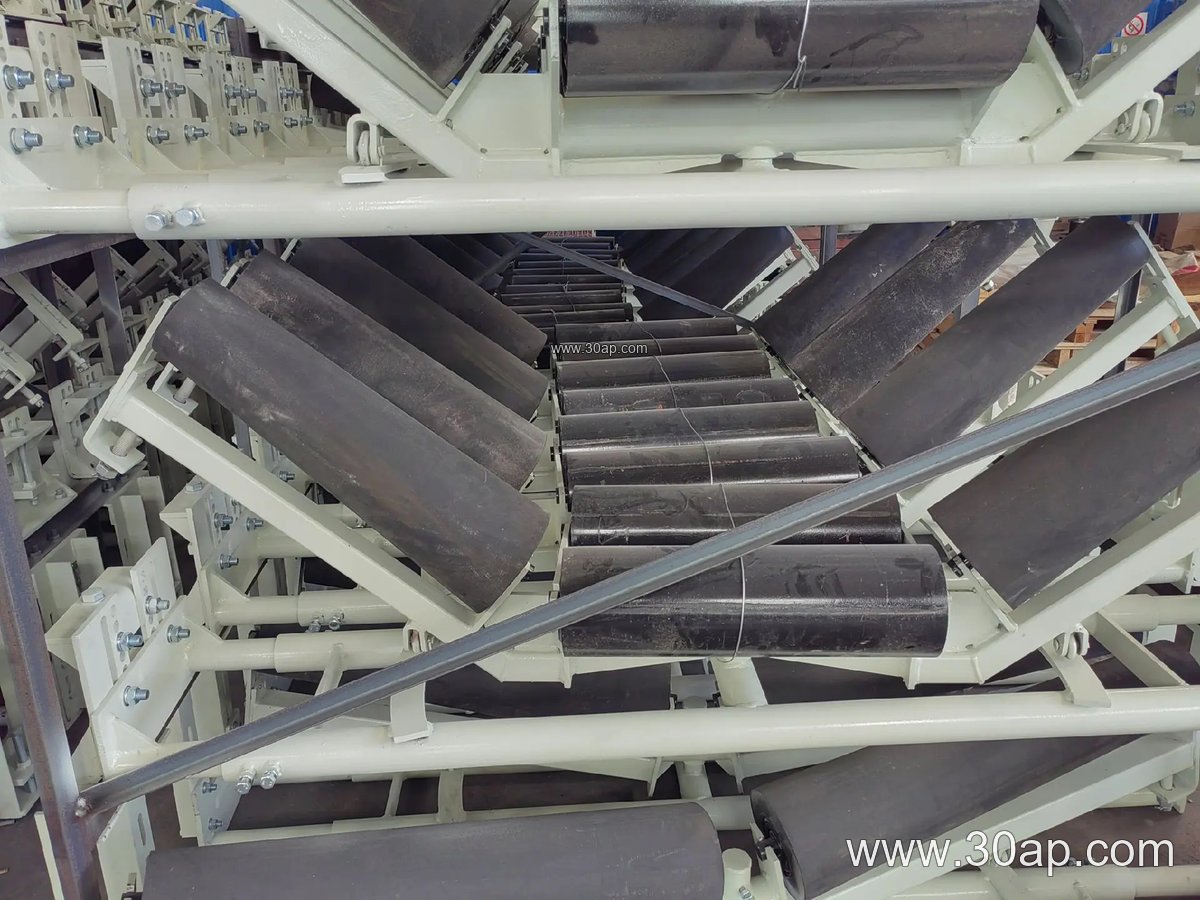
Bracket dimensions are not universal. The crossbeam length and mounting hole spacing change with belt width and trough angle. Common belt widths include B500, B650, B800, B1000, B1200, B1400, B1600, and B1800, with larger widths available for special projects. Trough angles are usually 20, 30, 35, or 45 degrees. Roller diameters such as Ø89, Ø108, Ø133, Ø159, and Ø194 are paired with brackets according to the idler frame design.
A few example combinations that appear in design discussions are B800 with 35 degrees and Ø108, B1200 with 45 degrees and Ø133, and B650 with 30 degrees and Ø89. These are reference points, not fixed rules. A belt width does not lock you into one trough angle or one roller diameter; the conveyor designer matches them to capacity, material, and transition length.
Installation and Adjustment Notes
Install brackets on straight, level stringers. Check that the mounting holes align with the idler frame before tightening. For adjustable brackets, set the trough angle according to the belt and material, then confirm that all brackets in the same section match. Forward-leaning brackets, often around 1.5 to 2 degrees, are used to help belt training, but they should be installed consistently along the run.
After installation, run the belt empty and check tracking. If the belt drifts, inspect bracket squareness and roller alignment before adjusting the belt tension. On a steel cord conveyor belt or a heavy-duty mining conveyor belt, misalignment can damage the belt edge quickly, so bracket checks should be part of routine maintenance.
Buyer Checklist
Before ordering, confirm the belt width, trough angle, roller diameter, and bracket type. Ask for the mounting hole spacing and crossbeam length for your specific conveyor, since these are not fixed across all widths. Check the steel grade and surface treatment for your site conditions, whether that is a dusty quarry, a wet coal preparation plant, or a coastal port. Finally, keep spare brackets for transition and impact sections, where loads are highest.
For related components, buyers often review conveyor idler roller and conveyor pulley specifications together with the bracket layout. A bracket that fits the roller frame and the conveyor stringer will keep the whole conveyor line running smoothly.