What a Belt Anti-Misalignment Idler Does
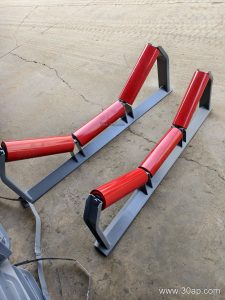
A Belt Anti-Misalignment Idler is a self-correcting idler roller installed on the carrying or return side of a conveyor to keep the belt centred on its intended path. When a conveyor belt begins to drift toward one side, the angled rolls of this idler steer it back before the edge rubs against the frame or spills material. In quarry, cement and power plant lines, this small component protects both the belt and the structure around it.
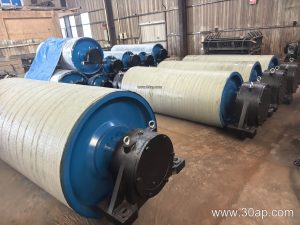
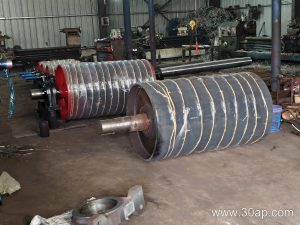
The device is often called a self-aligning idler or training idler, and those names describe the same product. It is not a drive pulley, tail pulley or bend pulley; those are conveyor pulleys that transmit power or change belt direction. The anti-misalignment idler is a tracking accessory mounted on the idler frame, usually with a conveyor bracket that allows it to pivot.
How the Tracking Action Is Built
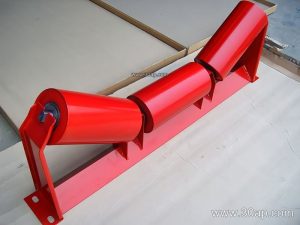
Most designs use two or three rolls set at an angle, mounted on a swivel base or a vertical pivot. A small forward tilt of about 1.5 to 2 degrees is common in training idlers, because the slight lead encourages the belt to follow the roll axis. When the belt touches a side guide roller, the frame rotates and the rolls push the belt back toward the centre line.
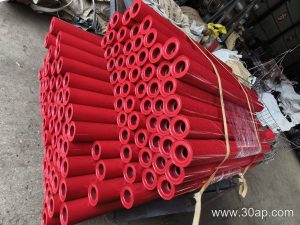
Common roll diameters include Ø89, Ø108, Ø127 and Ø159, with larger sizes such as Ø178 and Ø194 used on heavy-duty mining conveyors. Roll length follows belt width, groove angle and frame design. For a three-roll troughing set, a B800 belt often uses rolls around 315 mm long, while a B1200 belt may use roughly 465 mm rolls. These are typical references, not fixed matches, and the final dimensions are set by the conveyor design.
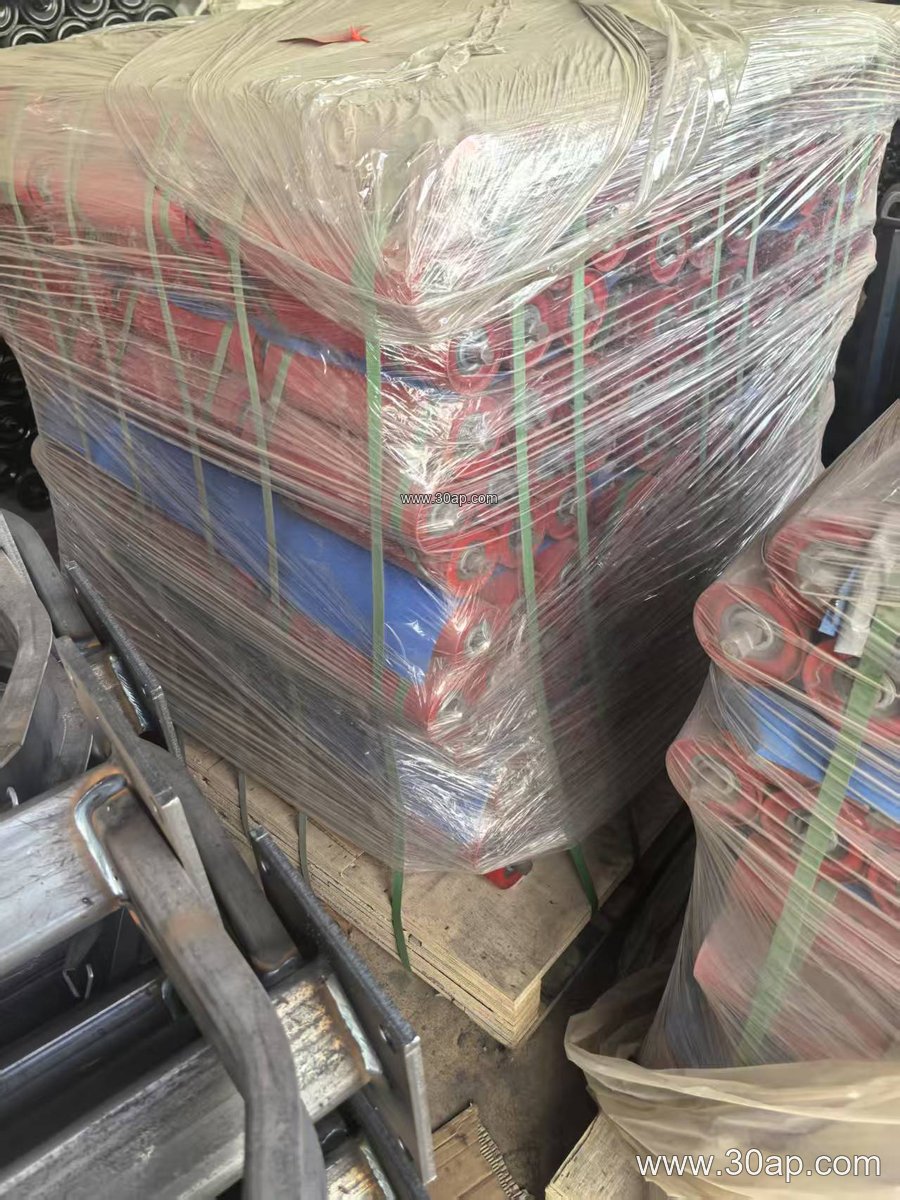
Bearings are usually selected from common series such as 6204, 6205, 6305, 6306, 6308 and 6310. Sealing matters in dusty service, so many units use labyrinth seals or contact seals to keep fines out of the bearing housing. Roll surfaces may be plain steel, nylon, ceramic or rubber rings, depending on whether wear resistance, grip or material build-up is the main concern.
Where It Fits on the Conveyor
Anti-misalignment idlers are usually placed on the carrying side after the loading point and before the head pulley, and on the return side ahead of the tail pulley. In a coal handling system feeding a power plant, or a limestone line serving a cement kiln, a few well-placed training idlers can reduce edge damage and belt wander. They are also useful on long overland runs in iron ore and copper ore operations, where slight misalignment can grow into serious edge wear.
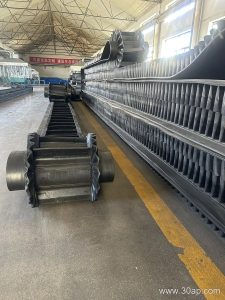
The idler works together with the conveyor belt, the conveyor pulley and the frame. A worn or unevenly loaded belt may still need other corrections, such as cleaning, squaring the frame or adjusting the take-up. A training idler is a helpful control, not a substitute for proper installation.
Selection Points for Buyers
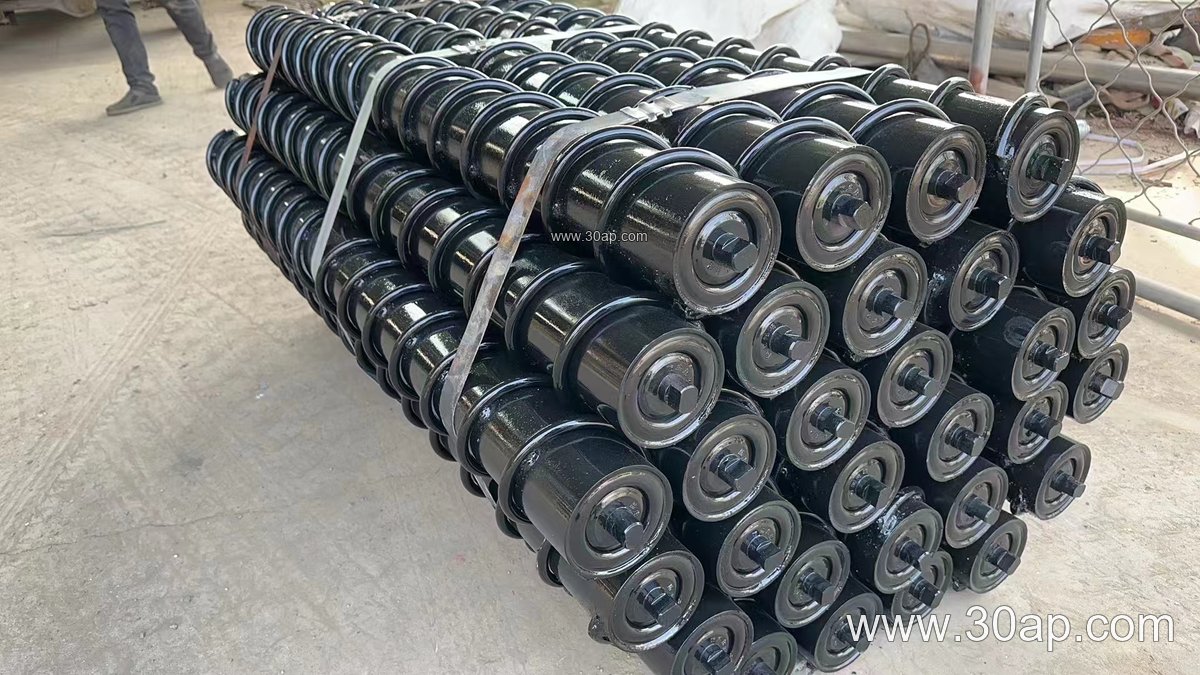
Buyers should confirm belt width, trough angle, roll diameter, bearing series, mounting height and the available space for the swivel frame. Trough angles of 20, 30, 35 and 45 degrees are common, and the chosen angle affects roll length and belt contact. The belt itself matters too: a heavy steel cord conveyor belt, an abrasion resistant conveyor belt or a flame retardant conveyor belt may call for different roll surfaces and seal quality.
- Confirm the belt width and the actual roll length required by the frame.
- Check whether the idler is for the carrying side or the return side.
- Match bearing protection to dust, moisture and temperature conditions.
- Allow clearance for pivoting and inspect the side guide rollers regularly.
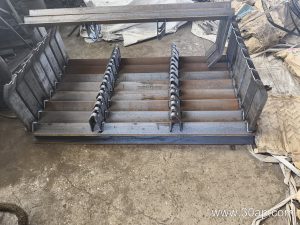
For a typical order, the anti-misalignment idler is specified together with the conveyor bracket, the idler roller set and the belt. Matching these parts at the design stage avoids field modifications. More conveyor component details are available at conveyor idler and conveyor belt pages, where standard and heavy-duty options are described.
Installation and Maintenance Notes
Mount the unit square to the belt centre line and check that the pivot moves freely. Keep the side guide rollers clean, since packed material can stop the frame from rotating. Inspect bearings for noise or heat, and replace worn rubber rings before they damage the belt edge. A quick monthly check is often enough in clean service, while dusty quarry or coal yards may need a shorter interval.
Used correctly, a Belt Anti-Misalignment Idler extends belt life, reduces spillage and protects the conveyor structure. It is a simple component, but its placement and adjustment decide how well it performs.