What an Adjustable Conveyor Bracket Does
An adjustable conveyor bracket is a support component that holds idler rollers at a controlled height and angle along a belt conveyor frame. Unlike a welded fixed bracket, this bracket allows maintenance teams to change the trough angle and sometimes the roller position without cutting or re-welding the frame. On a quarry conveyor line or a power plant coal handling system, that flexibility matters when the belt loading pattern changes or when a section of the line needs re-profiling.
The bracket is a structural part, but its effect is felt across the whole conveyor: it influences belt tracking, material containment, and the service life of the idler roller and the conveyor belt itself.
Construction and Common Forms
Most adjustable conveyor brackets are fabricated from angle steel, channel steel, or folded steel plate. The adjustable feature usually comes from slotted holes, a pivoting arm, or a set of indexed mounting positions that let the roller support sit at different angles. A locking bolt or clamp holds the setting once it is chosen.
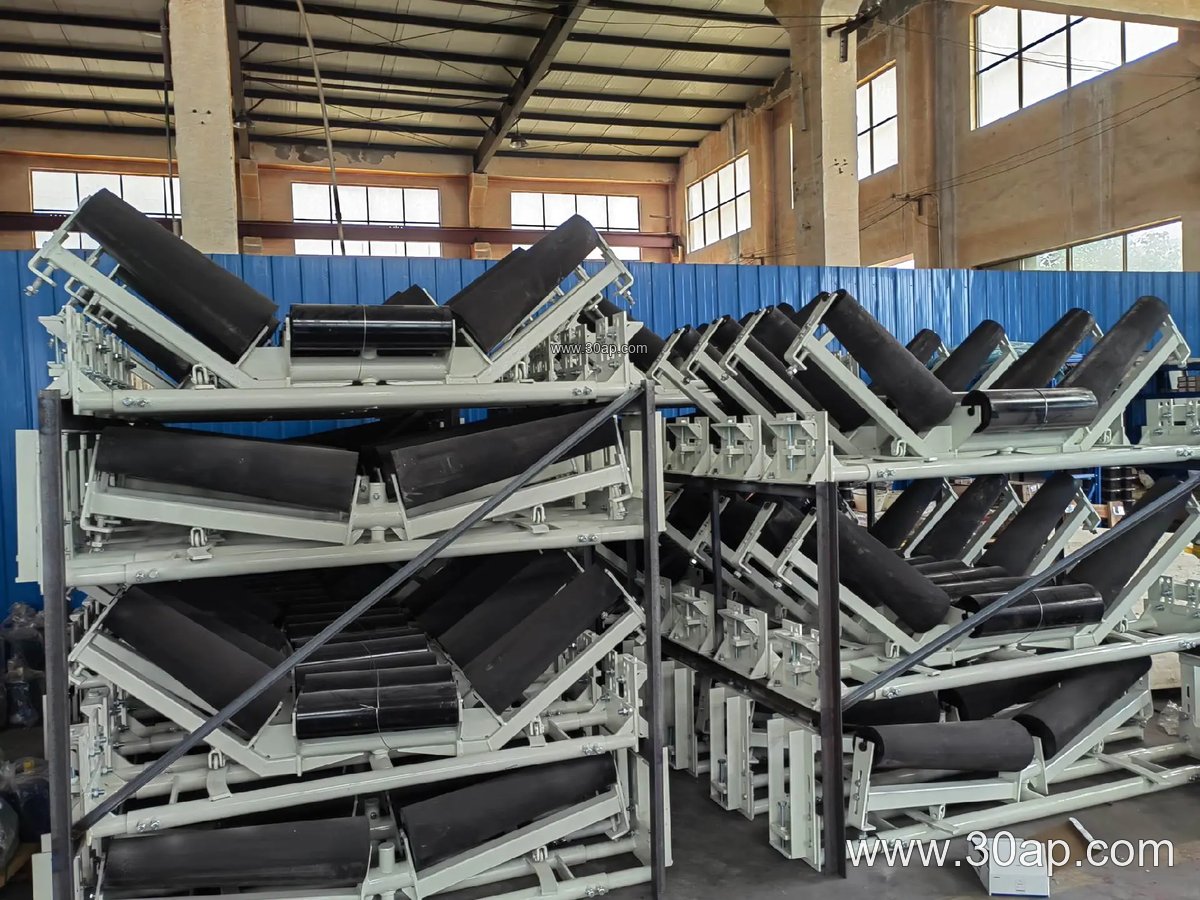
The bracket family includes several forms, and the adjustable version is often compared with fixed trough brackets and transition brackets:
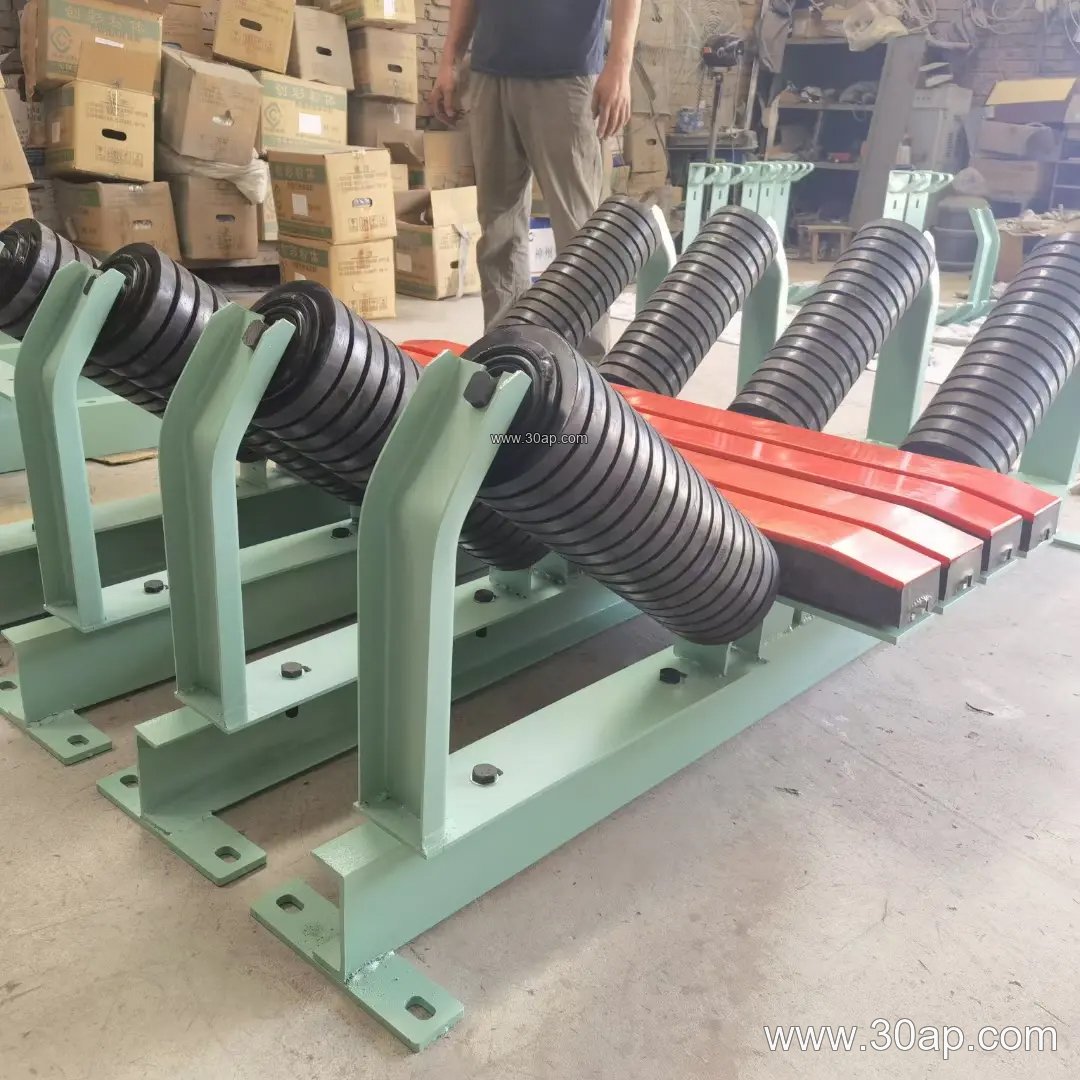
- Troughing bracket with adjustable wing positions, used on the carrying side
- Return bracket and V-return bracket with adjustable height for belt support
- Transition bracket near the tail or head area, where the belt changes shape
- Impact bracket under a loading point, usually combined with buffer rollers
These are different support roles, not interchangeable parts. A troughing bracket cannot replace a return bracket, and a transition bracket serves a different purpose from a standard carrying bracket.
Adjustment Range and Belt Width Matching
Trough angle is the most common adjustment. A bracket may be set at 20 degrees, 30 degrees, 35 degrees, or 45 degrees depending on the material and belt behavior. A small forward tilt of about 1.5 to 2 degrees is also used on some carrying brackets to help center the belt.
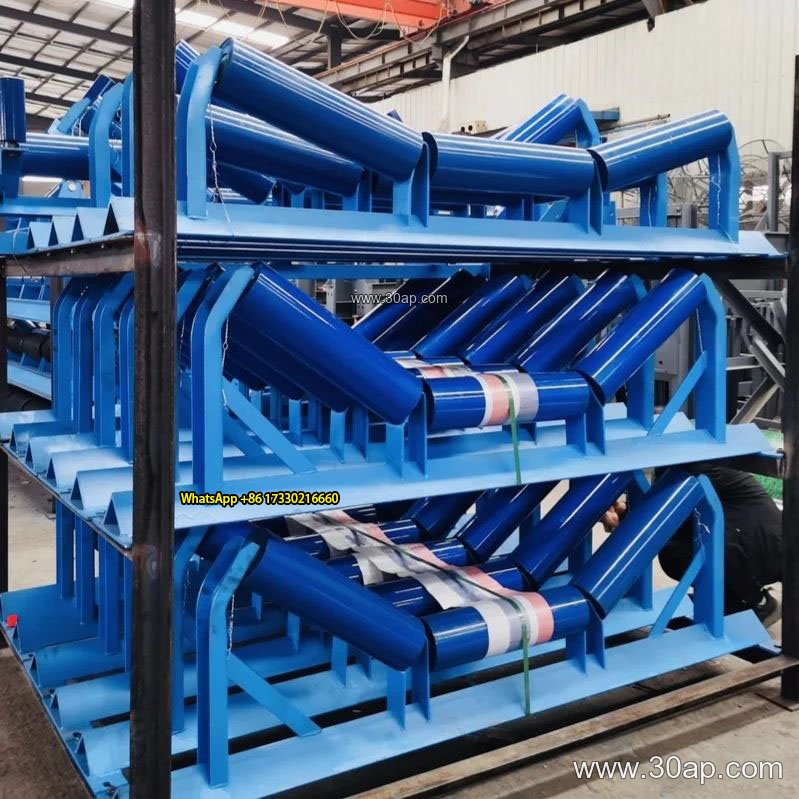
Bracket dimensions follow belt width and roller diameter, but there is no single fixed combination. The table below shows typical reference pairings; actual hole spacing and beam length are determined by design.
| Belt width | Typical trough angle | Common roller diameter |
|---|---|---|
| B500 / B650 | 20 to 30 degrees | Ø89 / Ø108 |
| B800 / B1000 | 30 to 35 degrees | Ø108 / Ø133 |
| B1200 / B1400 | 35 to 45 degrees | Ø133 / Ø159 |
| B1600 / B1800 | 35 to 45 degrees | Ø159 / Ø194 |
| B2000 and above | 35 to 45 degrees | Ø159 / Ø194 |
A wider belt does not automatically require a specific trough angle, and one belt width can be paired with more than one roller diameter. Buyers should confirm the frame hole pattern, beam length, and roller shaft size with the conveyor designer rather than assuming a standard match.
Where It Fits in the System
Adjustable brackets are useful in crushing and screening plants, cement plants, and aggregate yards where conveyor routes are modified or where belt misalignment needs correction. In a coal mining conveyor or a limestone quarry line, a bracket that can be re-set on site reduces downtime compared with replacing a welded assembly.
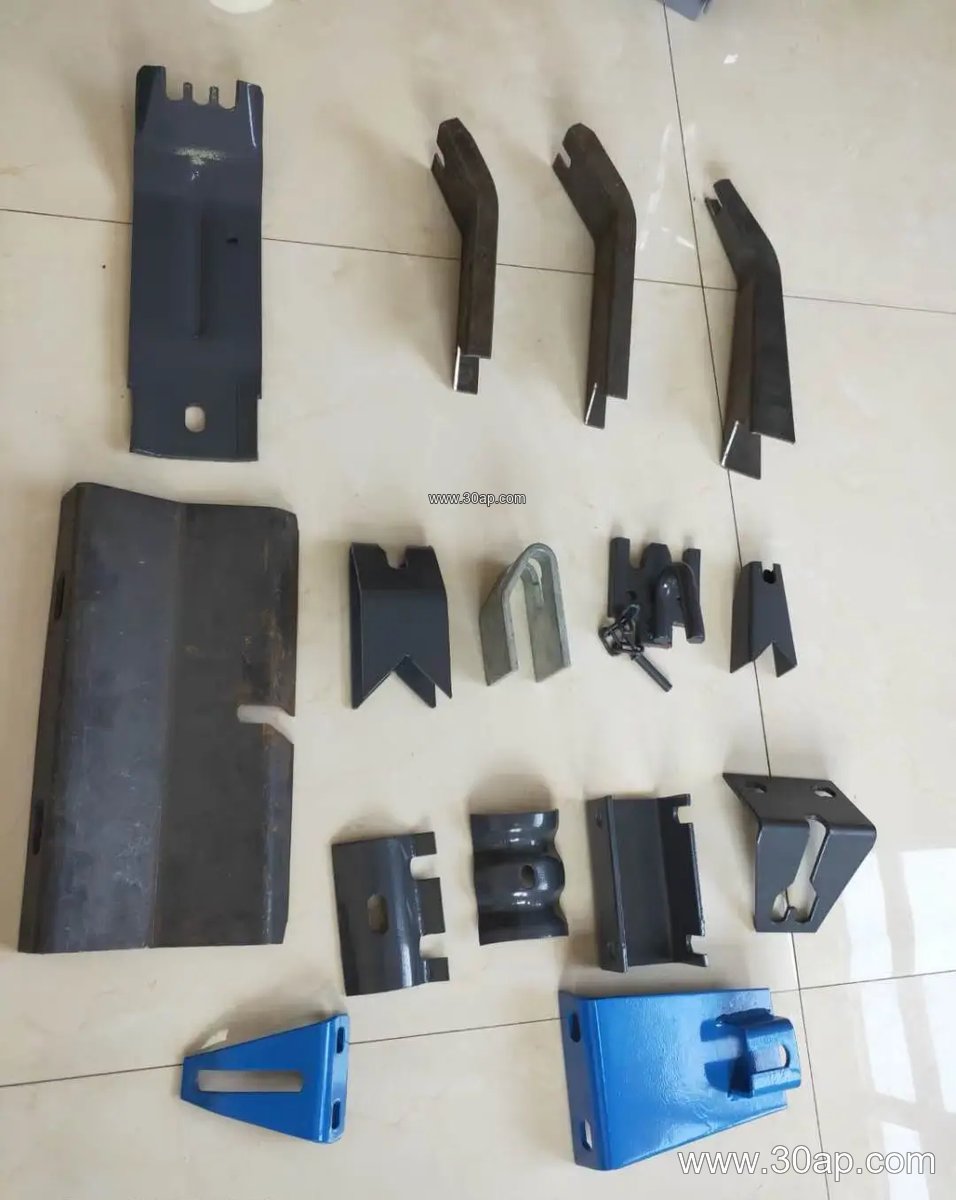
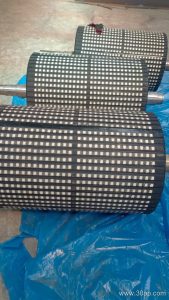
The bracket works together with the conveyor belt, the idler roller, and the conveyor pulley. Belt tracking problems are rarely solved by the bracket alone; roller condition, pulley alignment, and belt splice quality all matter. Still, an adjustable bracket gives the maintenance team one more tuning point before more expensive components are replaced.
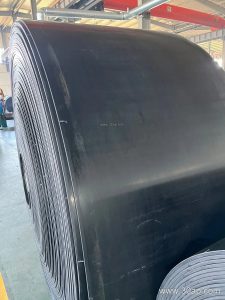
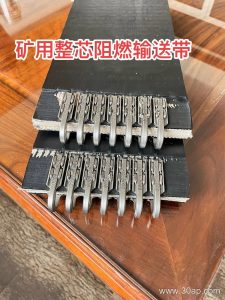
For harsh duty, the belt itself may be a heavy-duty mining conveyor belt or an abrasion resistant conveyor belt, and the bracket should be sized to carry the resulting roller load. In dusty or wet conditions, hot-dip galvanized or painted finishes are common choices, though the exact finish should be agreed with the supplier.
Buyer Checklist
- Confirm belt width and the intended trough angle range before ordering.
- Match the bracket slot pattern to the roller shaft and frame hole spacing.
- Check the load rating for the roller diameter and material weight.
- Decide whether a fixed bracket is sufficient or adjustment is genuinely needed.
- Ask for the mounting drawing, not just a bracket photo.
When the conveyor layout is stable and the material flow is uniform, a fixed bracket may be the simpler choice. When routes change, when belt tracking needs fine tuning, or when a line handles mixed bulk material, the adjustable conveyor bracket earns its place. For related components such as the idler roller and the conveyor pulley, it is worth reviewing the full conveyor assembly together so the bracket, roller, and belt are selected as one working system.