What a Conveyor Frame Does on a Belt Line
A conveyor frame is the structural backbone that holds every other component in a belt conveyor in the right position. It carries the idler roller sets, supports the conveyor pulley at the head and tail, and keeps the conveyor belt tracking along a stable path from loading point to discharge. In a quarry, a cement plant, or a power plant coal yard, the frame is the part that turns a collection of rollers and belting into a working conveying system. Without a straight, square, and well-anchored frame, even a high-quality belt will mistrack, spill material, and wear out early.
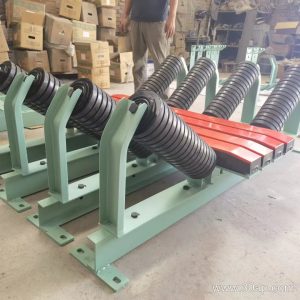
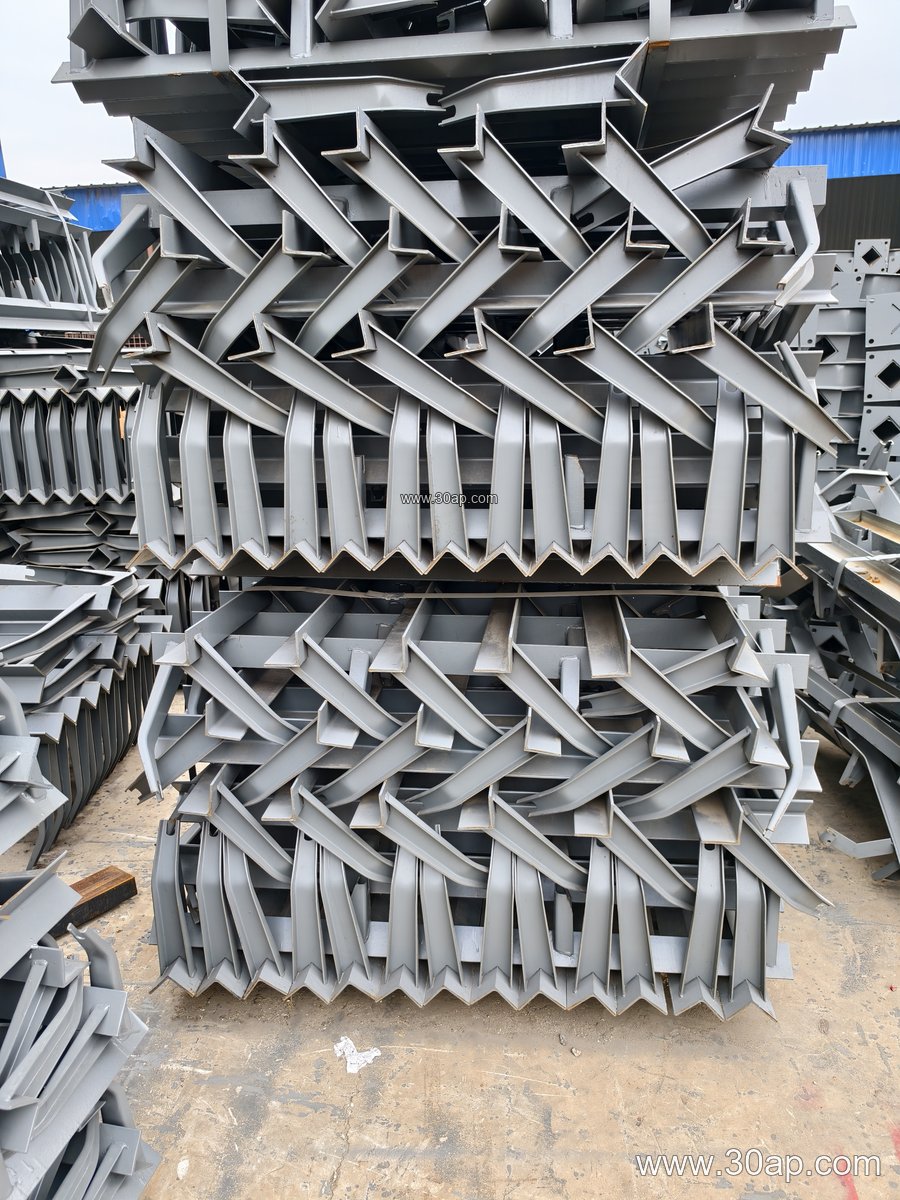
The frame is not a single part. It is a system of stringers, cross members, legs, and brackets, usually fabricated from angle steel, channel steel, or folded steel plate. Sections are bolted or welded together, and the design must match the belt width, the trough angle, and the roller diameter chosen for the duty.
How the Structure Is Built
Most frames follow a modular pattern so that sections can be shipped and assembled on site. Typical elements include:
- Longitudinal stringers that run the length of the conveyor and carry the idler stations
- Cross beams sized to the belt width and trough angle
- Support legs or trestles anchored to foundations or steel structures
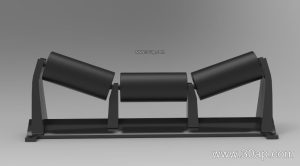
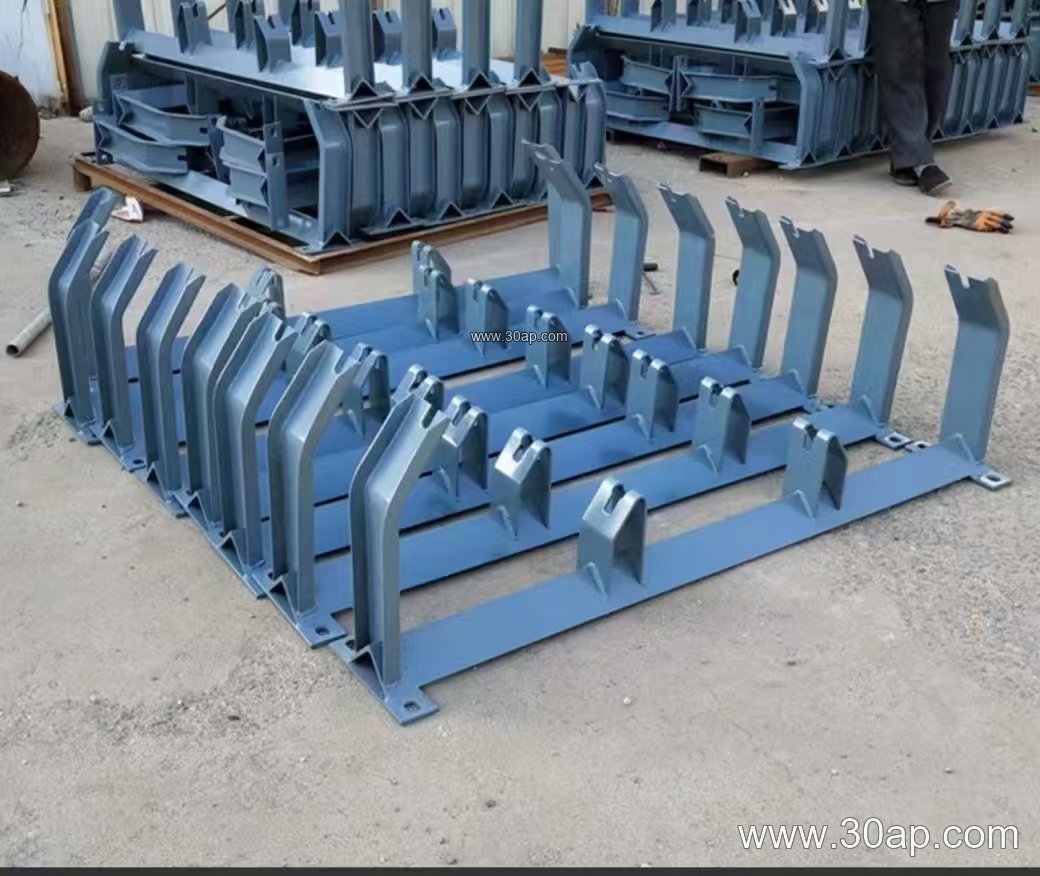
- Conveyor bracket assemblies that locate troughing, return, and impact idlers
- Connection plates and splice joints between frame sections
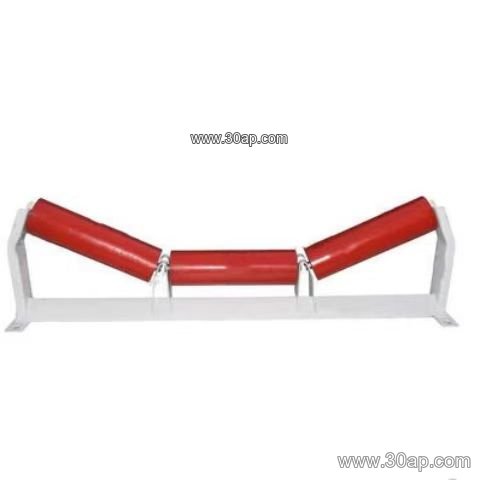
On the carrying side, the frame usually supports three-roll troughing sets. On the return side, it may carry flat return idlers or V-return stations. Transition zones near the head and tail need closer idler spacing to guide the belt into the conveyor pulley without stress. Impact sections under the loading chute are often reinforced to absorb the drop energy of lump material.
Trough Angle and Roller Diameter Selection
Two decisions shape the frame more than any other: the trough angle and the idler roller diameter. A 20-degree trough suits light, free-flowing material, while 30, 35, and 45 degrees increase capacity and contain the load on wider belts. Adjustable frames allow the trough angle to be set within a range during installation, which is useful when the material characteristics are not fully known at the design stage.
Roller diameter is chosen from the belt speed, load, and belt width, not from a fixed table. Common sizes include Ø89, Ø108, Ø133, Ø159, and Ø194. A B800 frame with a 35-degree trough and Ø108 rollers is a typical arrangement for medium-duty aggregate conveying, while a B1200 line in a coal handling system might use 45 degrees and Ø133 rollers. These are examples of how the numbers combine, not rules that lock one belt width to one roller size.
| Belt Width | Common Trough Angle | Typical Roller Diameter |
|---|---|---|
| B500 / B650 | 20–30 degrees | Ø89 |
| B800 / B1000 | 30–35 degrees | Ø108 |
| B1200 / B1400 | 35–45 degrees | Ø133 |
| B1600 / B1800 | 35–45 degrees | Ø159 |
| B2000 / B2200 | 35–45 degrees | Ø194 |
Installation hole spacing and cross beam length change with belt width and trough angle, so these dimensions should always be confirmed against the actual design drawings rather than assumed.
Where Frames Are Used
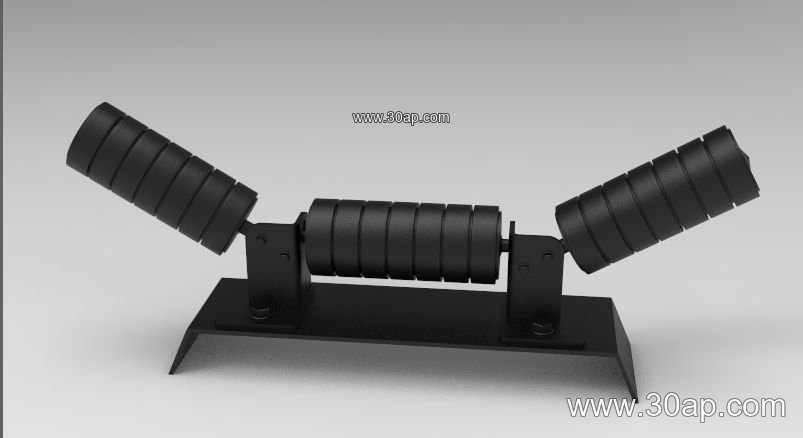
Conveyor frames appear in almost every bulk handling plant. In a stone crushing and screening line, the frame carries the belt that moves crushed rock from the crusher to the screens. In a cement plant, frames support clinker and limestone belts through long horizontal runs and inclined sections. In a coal-fired power plant, the coal yard and boiler feed lines depend on robust frames that resist vibration and dust. Port terminals and ship loading systems use heavy frames on long booms, while tunnel muck removal and fertilizer plants use compact frames in confined spaces.
The choice of belt matters too. A heavy-duty mining conveyor belt on an ore line needs a stiffer frame than a lightweight fabric core conveyor belt in a small sand plant. When the belt is a steel cord conveyor belt or a high abrasion resistant conveyor belt carrying sharp rock, the frame should be designed for the higher tension and impact loads involved.
What Buyers Should Check
Before ordering, confirm the belt width, the required trough angle, and the roller diameter. Ask how the frame sections join and whether the legs suit the site foundations. Check that the frame allows adjustment for belt tracking and that the idler brackets match the roller shaft ends. For inclined conveyors, confirm the frame design accounts for backstop and brake loads. Finally, review the surface treatment and drainage details, because water pooling inside a channel frame accelerates corrosion in wet or coastal plants.
For related components such as the conveyor belt, idler roller, and conveyor pulley, buyers should specify all items together so that frame dimensions, mounting points, and belt tension are coordinated from the start.