Introduction to the Ceramic Lagged Bend Pulley
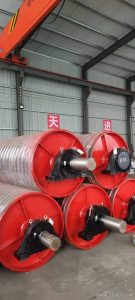
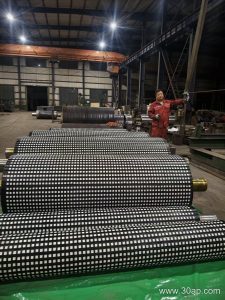
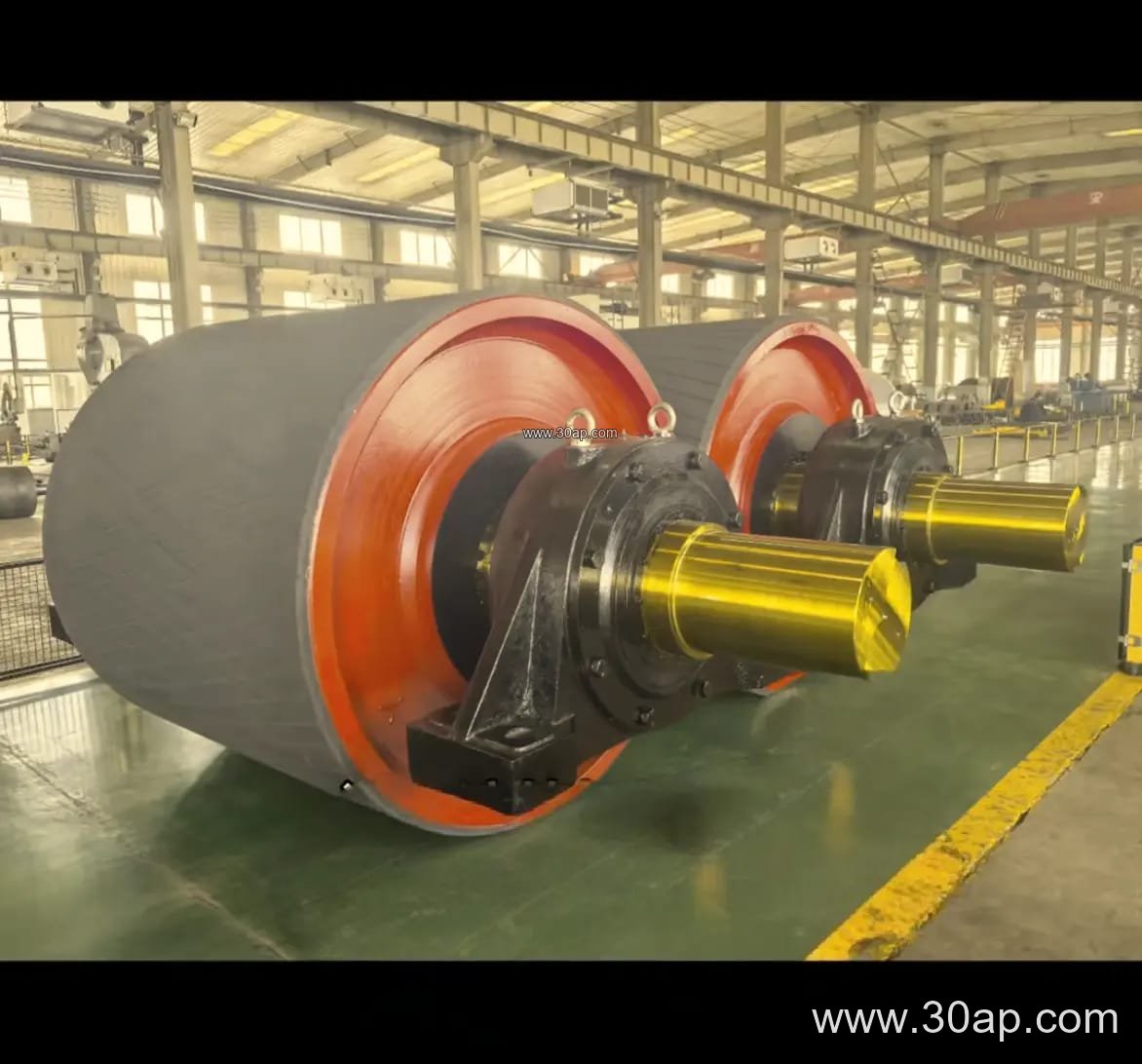
In high-capacity port bulk material handling terminals, continuous movement of abrasive cargo requires heavy-duty mechanical components. A Ceramic Lagged Bend Pulley is specifically engineered to redirect the conveyor belt path while providing exceptional surface durability. Unlike standard steel face components, this specialized conveyor pulley incorporates high-alumina ceramic tiles embedded into a rubber matrix, offering superior wear resistance when managing large volumes of dry or wet materials.
Structural Composition and Surface Engineering
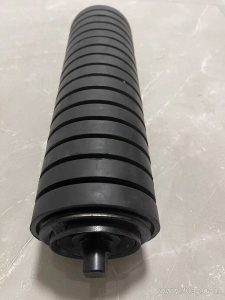
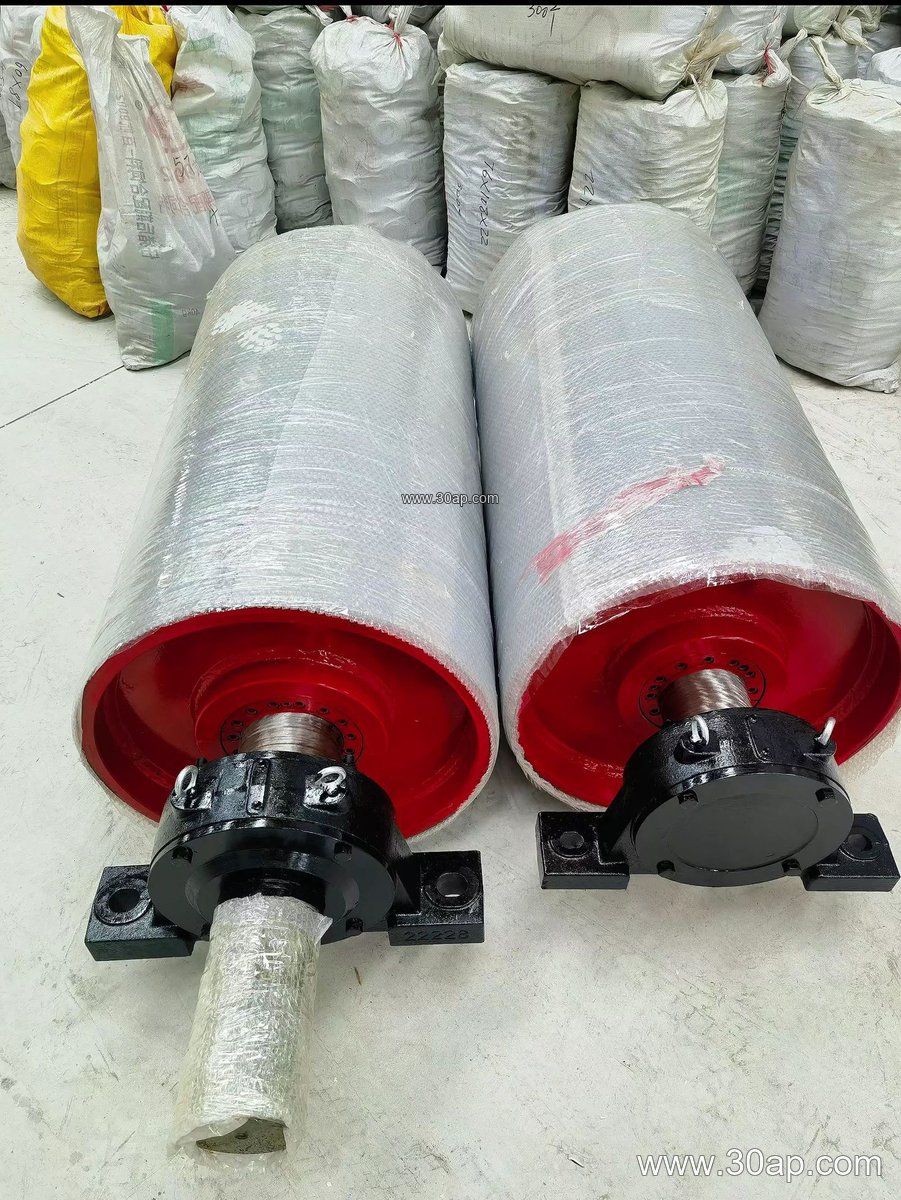
The build quality of a Ceramic Lagged Bend Pulley determines its operational lifespan in demanding environments. The core body consists of a heavy steel shell welded to end discs and a robust shaft, supported by pillow block bearing assemblies. The outer cylindrical surface features vulcanized ceramic lagging, where individual ceramic blocks grip the underside of the moving belt. This design prevents slippage and resists extreme abrasion from fine dust or grit that bypasses standard cleaning devices like idler roller units and belt scrapers.
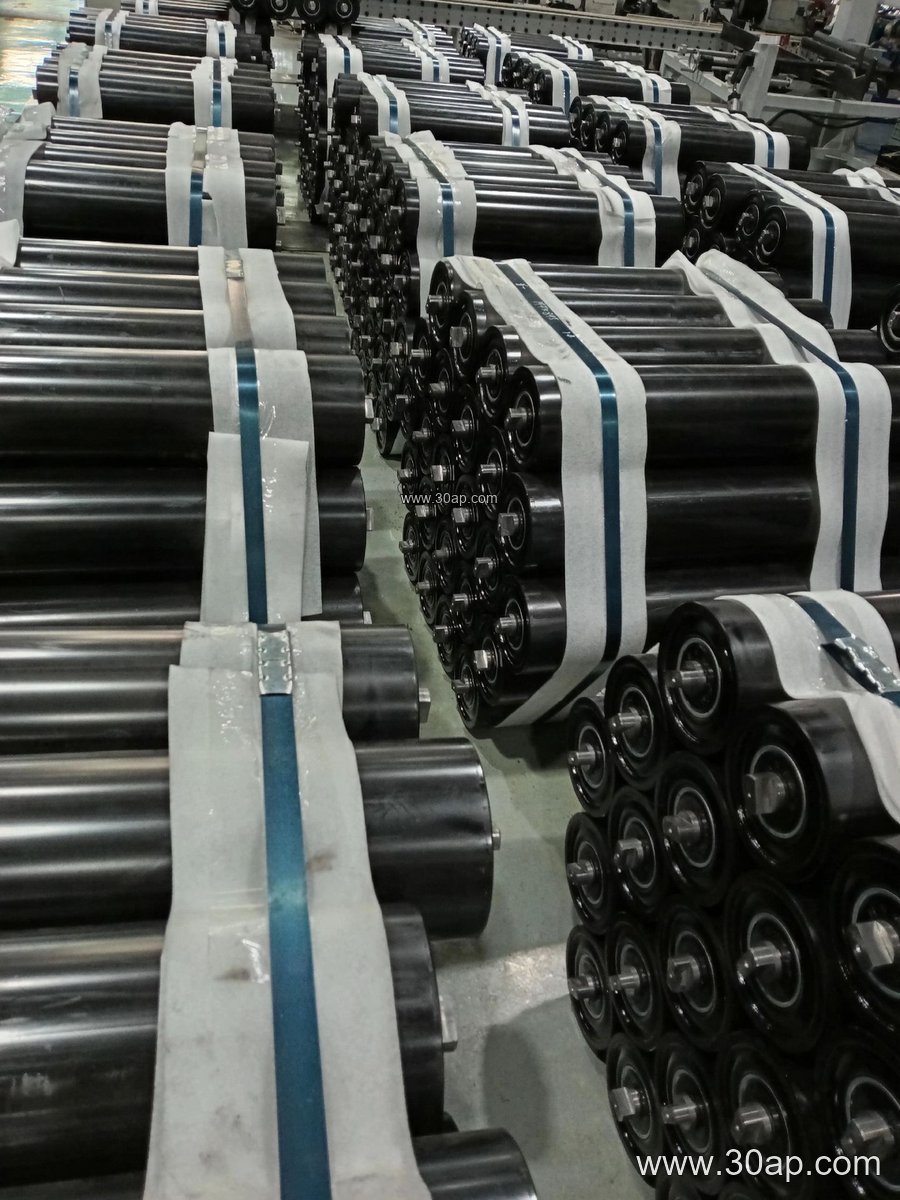
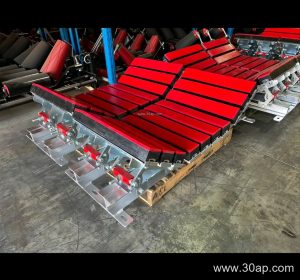
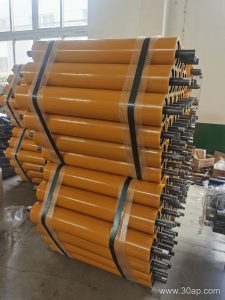
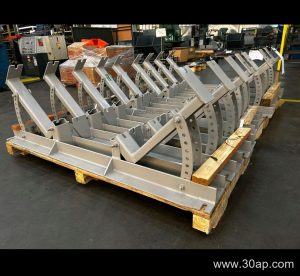
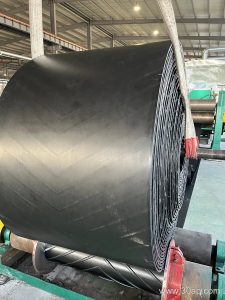
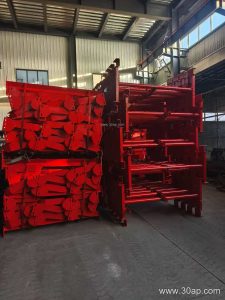
Proper integration with the main traction medium is essential for smooth facility operations. Whether the system utilizes a heavy-duty Steel Cord Conveyor Belt or a high-strength EP Conveyor Belt, the ceramic surface maintains stable friction coefficients without damaging the carcass. Additionally, secondary line equipment such as a durable Impact Idler Roller or a standard carrying idler works in tandem with the pulley to maintain proper trough geometry across the structural conveyor bracket framework.
Reference Parameters and Dimensional Flexibility
Engineering configurations vary based on tension requirements, spatial constraints, and throughput capacities. Below is a reference table illustrating common dimensional combinations utilized in bulk material layouts:
| Belt Width (B) | Common Shell Diameter | Shell Width (Reference) | Shaft Diameter Range |
|---|---|---|---|
| B800 | Ø500 mm | 950 mm | Ø70 – Ø100 mm |
| B1000 | Ø630 mm | 1150 mm | Ø90 – Ø140 mm |
| B1200 | Ø1000 mm | 1400 mm | Ø120 – Ø160 mm |
| B1400 | Ø800 mm | 1600 mm | Ø140 – Ø180 mm |
| B1600 | Ø1250 mm | 1800 mm | Ø160 – Ø200 mm |
Lagging thickness typically ranges from 12 mm to 15 mm, providing a thick wear barrier designed to extend maintenance intervals significantly compared to plain rubber alternatives.
Operational Positioning and Maintenance Considerations
Positioned along the return strand or within gravity take-up assemblies, a Ceramic Lagged Bend Pulley alters the belt trajectory to optimize structural clearance and maintain appropriate wrap angles. Because it does not impart primary driving torque into the system like a motorized drive unit, its primary mechanical function focuses on guidance and tension maintenance. Operators should periodically inspect the ceramic tiles for wear, check bearing lubrication, and verify that alignment remains true across the supporting steel structures to ensure reliable long-term service.