Understanding the Mechanics of a Nylon Idler Component
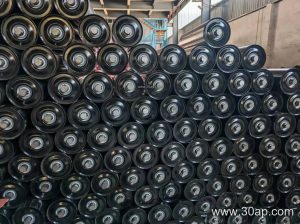
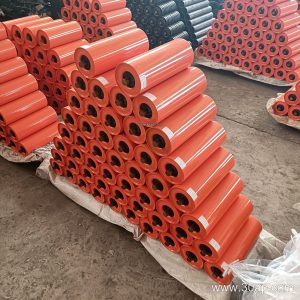
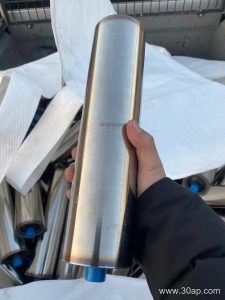
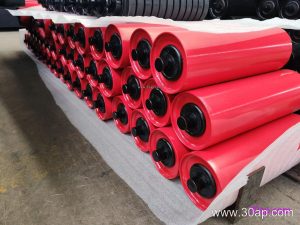
In heavy-duty material handling operations found in a modern cement plant or a busy limestone quarry, the choice of roller shell material significantly impacts overall system efficiency. A Nylon Idler offers a specialized alternative to traditional steel rolls, bringing unique mechanical advantages to the conveyance line. Engineered from high-grade polymer materials, this specific idler roller minimizes rotational inertia while maintaining strong structural integrity under demanding loads.
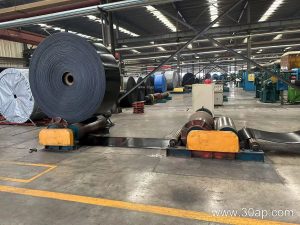
When paired with an appropriate conveyor belt, such as an abrasion-resistant EP Conveyor Belt or a high-strength Steel Cord Conveyor Belt, these polymer rolls help reduce the overall power consumption of the drive unit. Unlike standard steel options, nylon surfaces naturally resist material adhesion, making them exceptionally reliable in sticky or corrosive working environments.
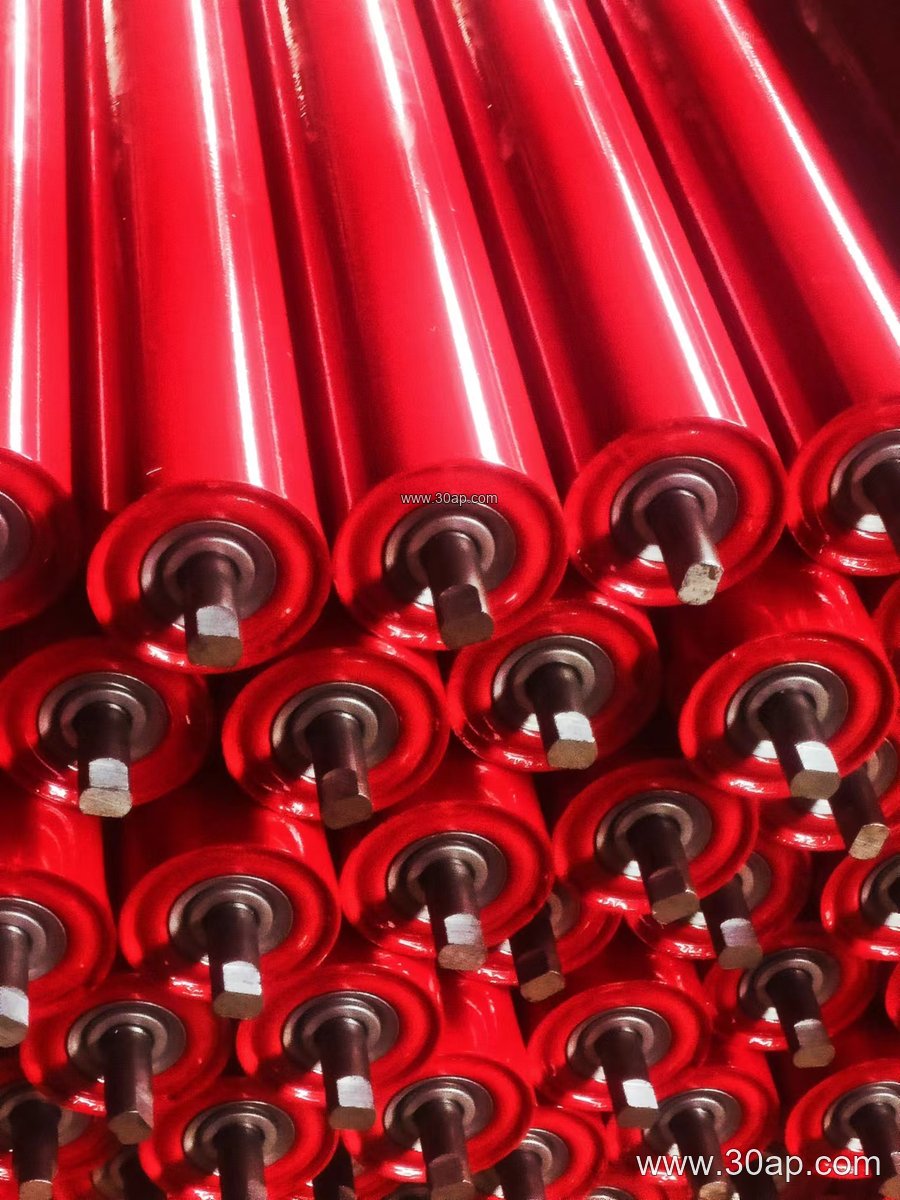
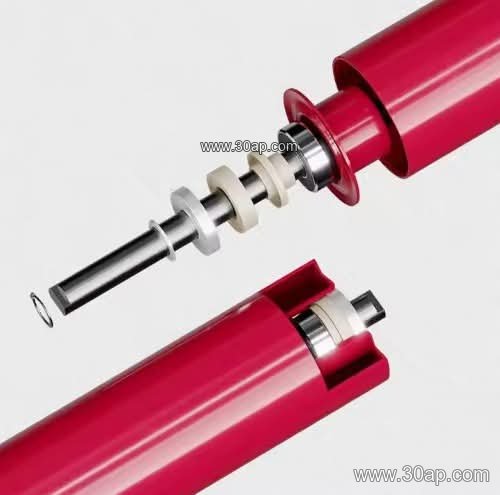
Application Suitability in Cement Plants and Quarries
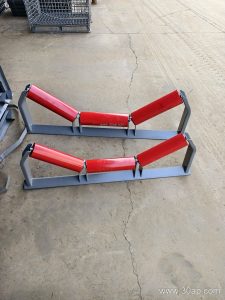
Selecting the correct components for a bulk transport line requires careful consideration of operating conditions. In environments like a cement plant, dust accumulation and moisture often accelerate the wear on moving parts. A well-designed conveyor bracket holding a durable Nylon Idler assembly ensures smooth movement of the conveyor belt without generating excessive noise or frictional heat.
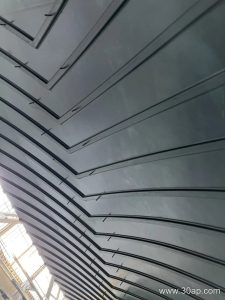
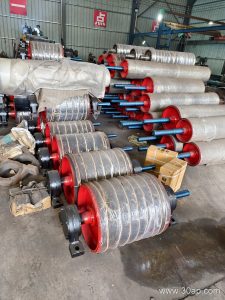
While heavy drive and tail pulleys handle the primary tension and redirection of the conveyor pulley network, the continuous line of idlers carries the bulk weight across the span. Depending on the installation zone, engineers configure these units into various structural groupings.
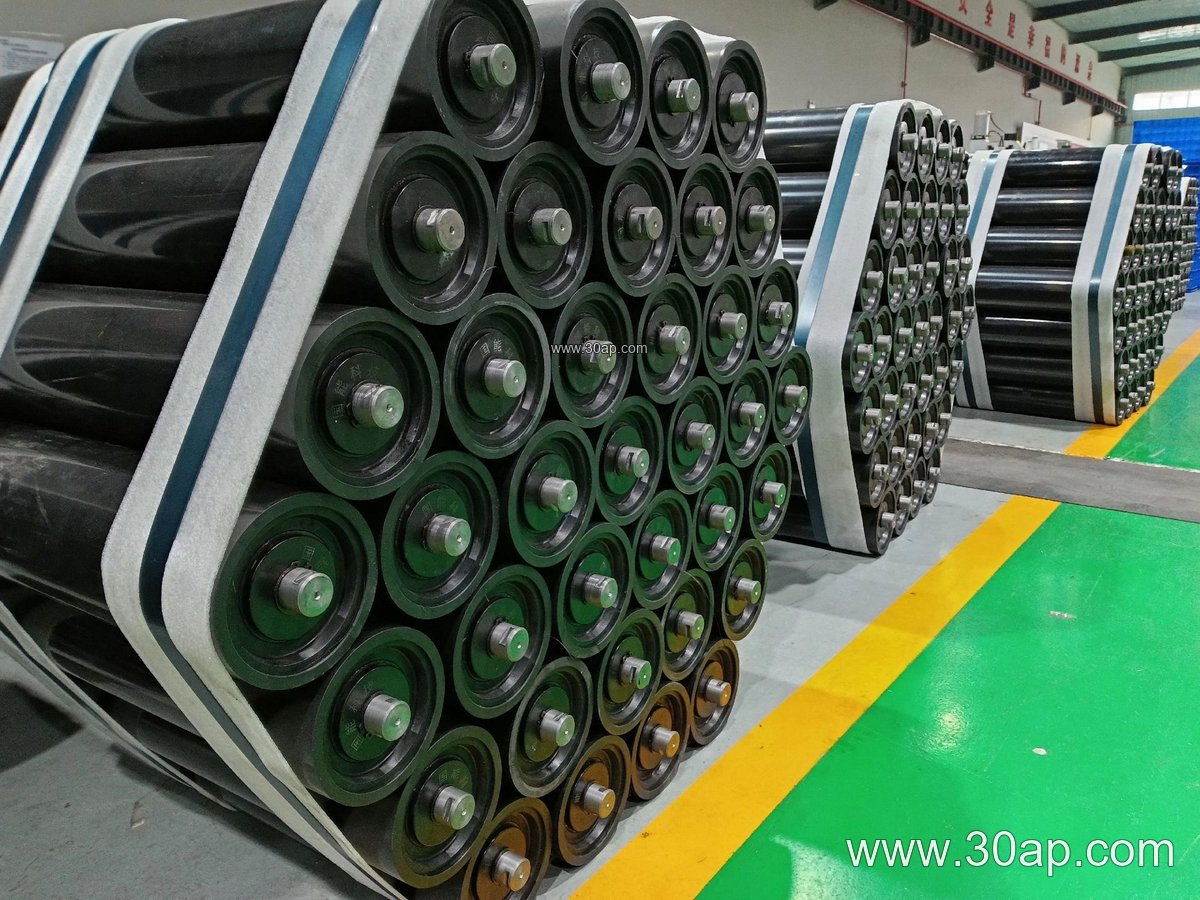
Dimensional Overview and Common Specifications
Material handling setups vary greatly in scale, ranging from compact processing lines to massive mainline systems. The dimensions of a Nylon Idler must align with standard framework layouts, matching specific belt widths and structural requirements. Below is a reference table outlining common design parameters frequently utilized during system planning.
| Parameter Category | Common Reference Values |
|---|---|
| Standard Belt Widths (B) | B650, B800, B1000, B1200, B1400 |
| Roller Diameters (Ø) | Ø89, Ø108, Ø127, Ø159 |
| Bearing Configurations | 6204, 6205, 6305, 6306 |
| Installation Trough Angles | 20 Degree, 30 Degree, 35 Degree, 45 Degree |
Maintenance and Operational Best Practices
Ensuring the longevity of a Nylon Idler relies on routine inspection schedules and proper alignment of the supporting conveyor bracket framework. Technicians should periodically check for unusual rotational resistance or bearing degradation, particularly when handling abrasive minerals like those processed in a limestone quarry. Keeping the running surface clean prevents localized abrasion and extends the service life of both the idler and the interacting Rubber Conveyor Belt.