Understanding the Mechanics of the Ø180 Conveyor Idler
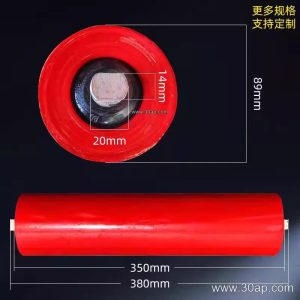
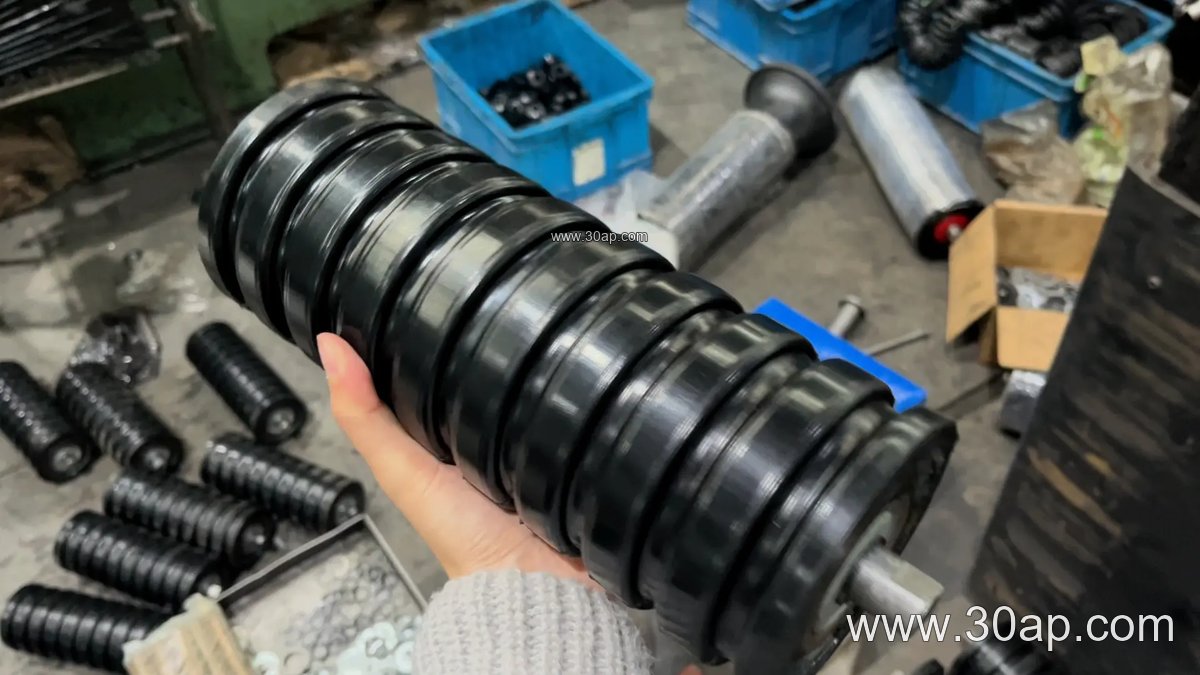
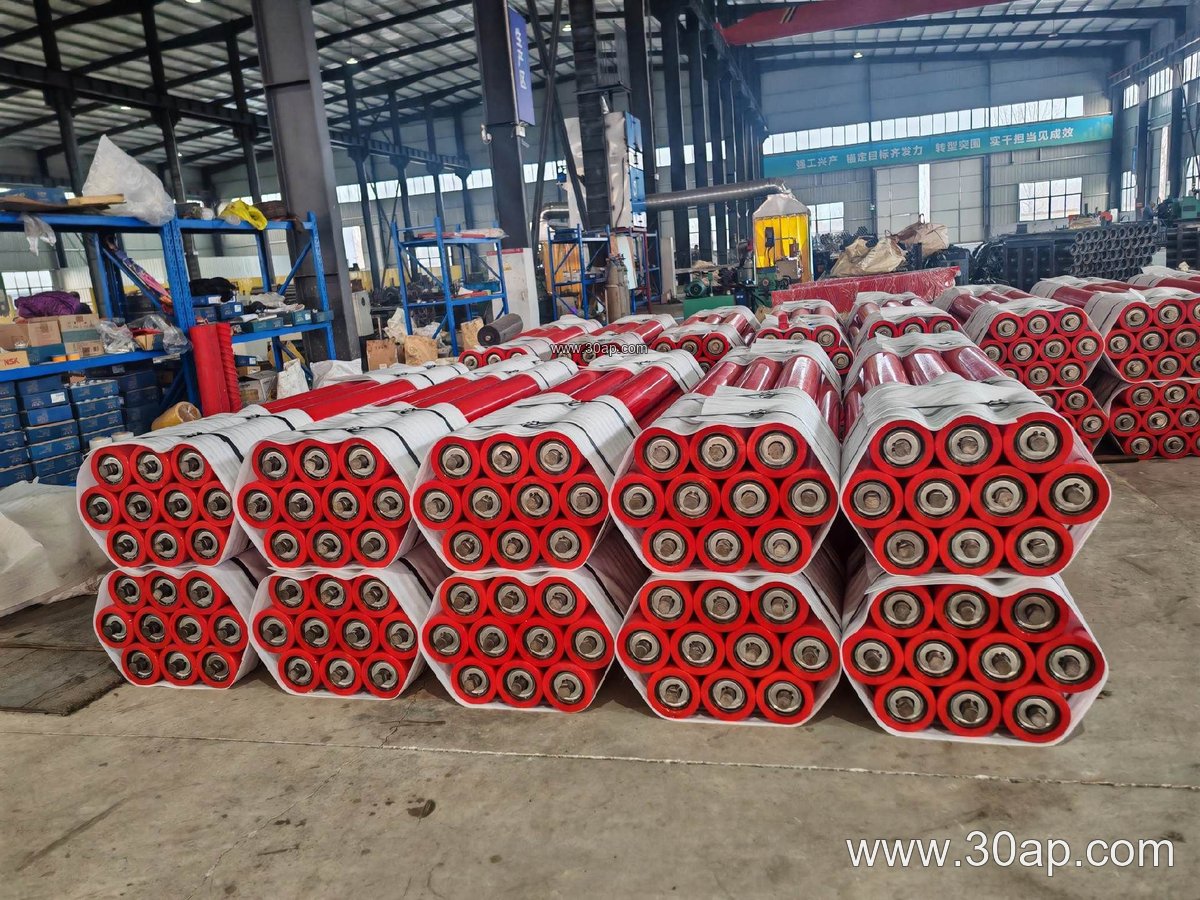
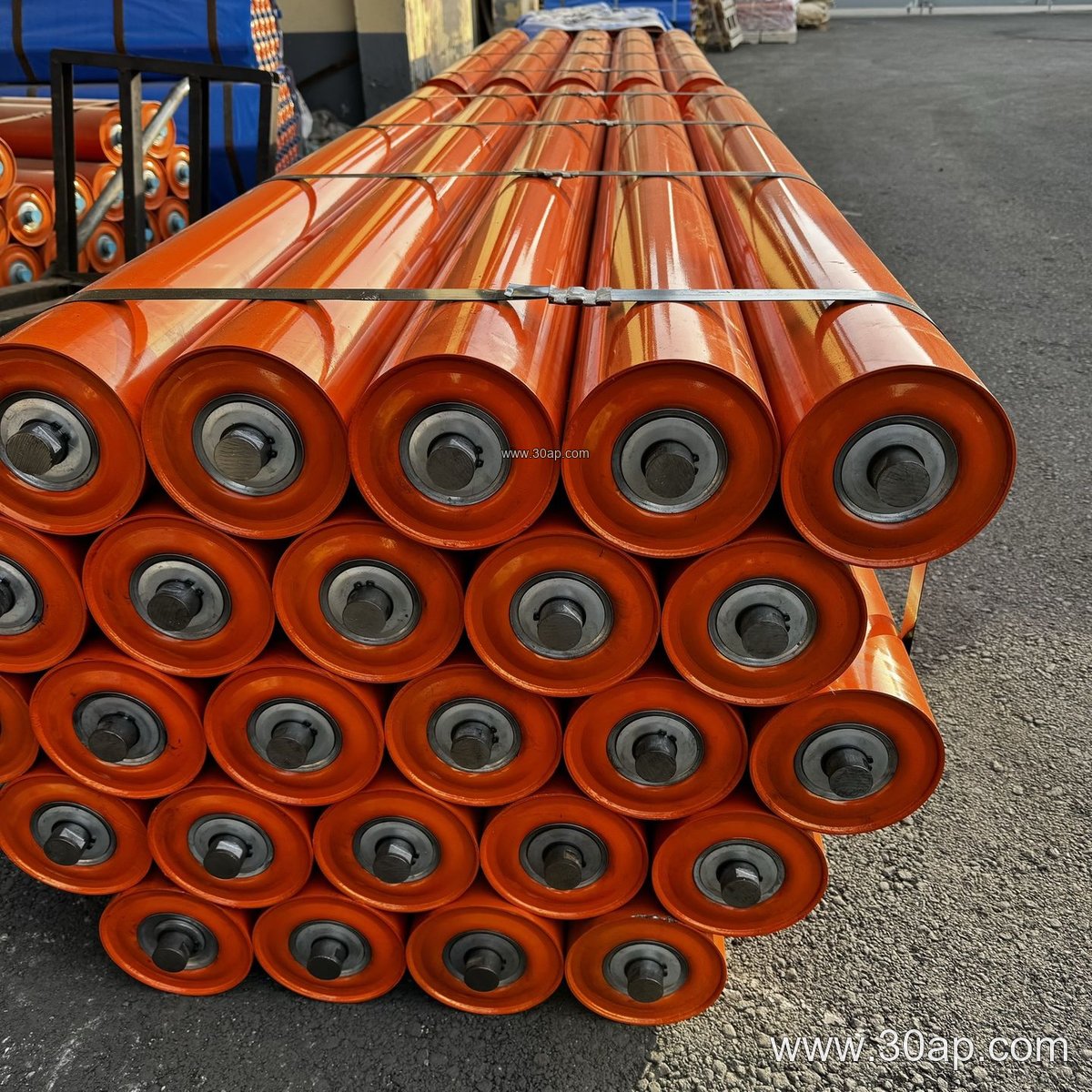
In heavy-duty bulk material handling systems found across iron ore operations and large-scale aggregate processing lines, the Ø180 conveyor idler serves as a critical load-bearing component. Unlike lighter 托辊 assemblies, a component with an outer diameter around Ø180 millimeters is specifically engineered to endure severe mechanical stress, high rotational speeds, and massive downward forces transferred from a loaded 输送带. The structural integrity of this heavy-duty idler roller directly influences overall system efficiency, friction reduction, and energy consumption.
Internal Bearing Housing And Shell Tolerances
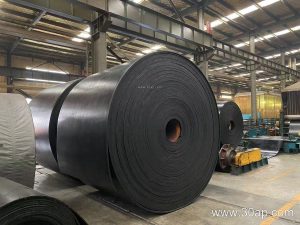
The durability of any large-diameter roller relies heavily on how its internal components are protected and aligned. For heavy applications running on continuous Steel Cord Conveyor Belt lines, internal bearing arrangements commonly utilize robust industrial components such as 6308 or 6310 bearings. These bearings are housed within precision-welded or pressed steel bearing housings designed to maintain strict concentricity. When paired with effective multi-stage labyrinth seals, the internal grease cavity remains protected against abrasive dust particles and moisture infiltration, which are typical challenges in environments like a limestone quarry or an underground coal mine.
Design Parameters and Dimension Matrix
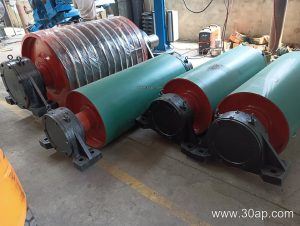
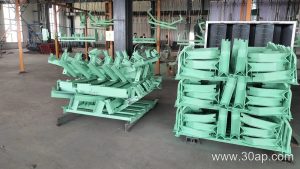
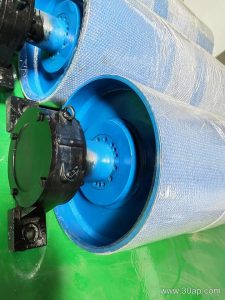
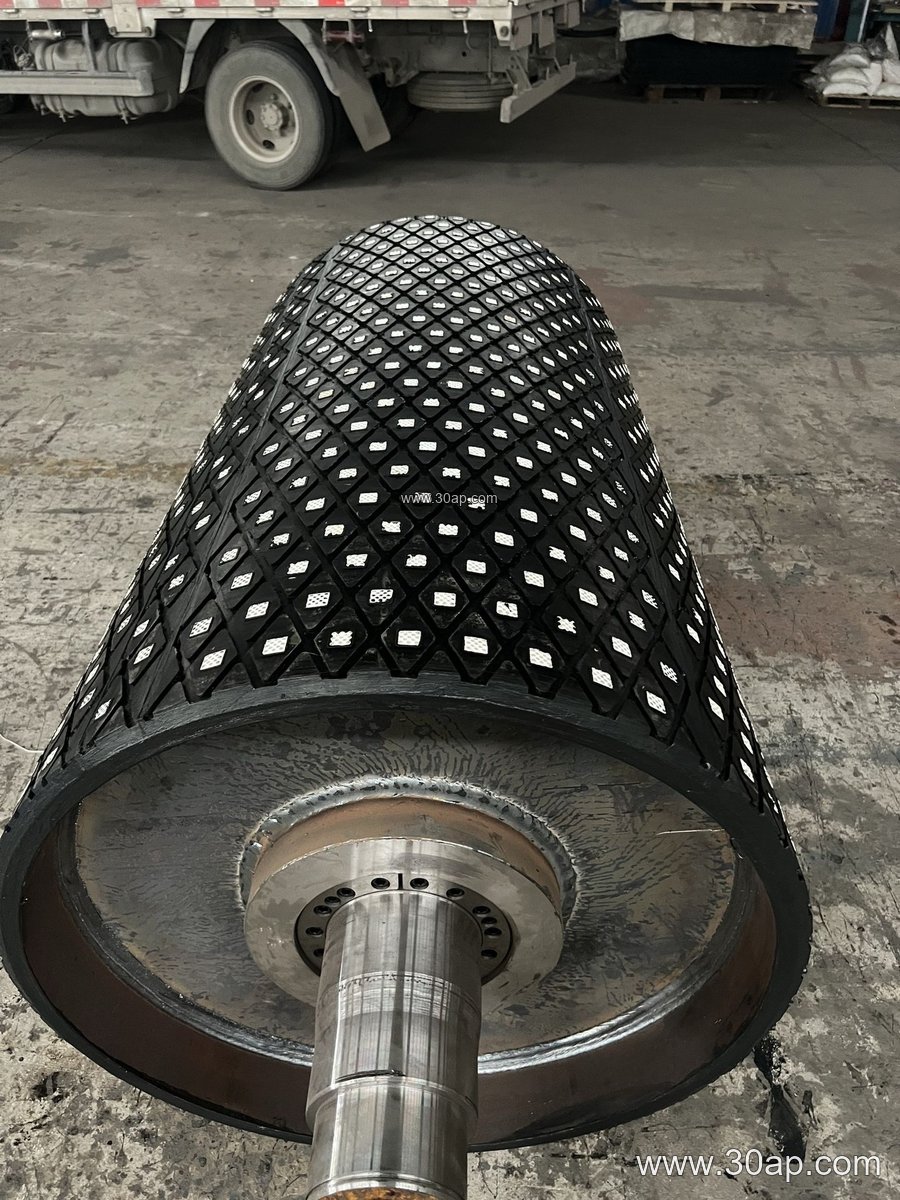
Selecting appropriate dimensions requires evaluating matching equipment variables, including the correct 输送机滚筒 and supporting 支架 structures. While standard configurations vary based on operational demands, the following table outlines typical sizing parameters often referenced during engineering design phases for heavy bulk handling layouts.
| Component Type | Roller Diameter (mm) | Common Bearing Models | Applicable Belt Widths |
|---|---|---|---|
| Heavy Duty Troughing Idler | Ø180 | 6308, 6310 | B1400, B1600, B1800 |
| High Impact Return Idler | Ø178 / Ø194 | 6306, 6308 | B1200, B1400, B1600 |
| Specialized Guide Roller | Ø180 | 6305, 6306 | B1000, B1200 |
Operational Integration In Heavy Industries
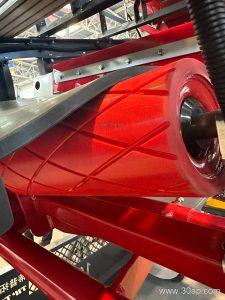
Heavy-duty conveyance pathways in copper mines, port terminals, and cement manufacturing facilities operate under grueling conditions. A properly maintained Ø180 conveyor idler helps prevent belt misttracking and reduces edge wear on high-capacity lines like a Heavy-Duty Conveyor Belt setup. Engineers must ensure that proper trough angles, such as 30 degrees or 35 degrees, align harmoniously with the corresponding roller shell lengths to distribute weight evenly across the entire frame.