What a Stainless Steel Idler Is
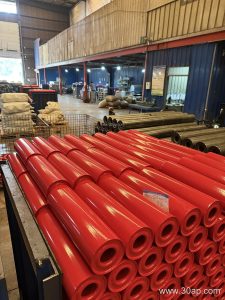
A stainless steel idler is a conveyor roller whose shell, end caps, and often its shaft are made from stainless steel instead of painted carbon steel. It supports the conveyor belt on the carrying or return side, keeping the belt in a stable trough and reducing friction as material moves along the line. When a buyer asks for a stainless steel idler roller, the intent is usually corrosion resistance, easier washdown, or a longer service life in a wet or chemically exposed section of the conveyor.
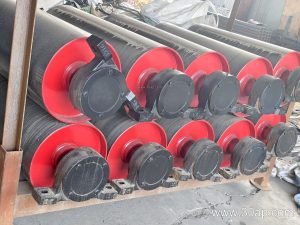
The idler is a wear part, but it is not a pulley. A conveyor pulley drives or redirects the belt at the ends of the machine, while idlers rotate freely under the belt and carry its weight plus the load. Drive pulleys, tail pulleys, and bend pulleys are separate components with different duties, and none of them can be replaced by an idler.
Construction and Common Features
A typical unit is built from a stainless tube shell, stamped or machined end caps, a through shaft, and a sealed bearing housing. The bearing is usually a deep-groove ball bearing such as 6204, 6205, 6305, 6306, 6308, or 6310, selected to suit the load and shaft design rather than a single fixed match with roller diameter. Seals matter as much as the steel grade, because fine dust and moisture attack bearings before they attack the shell.
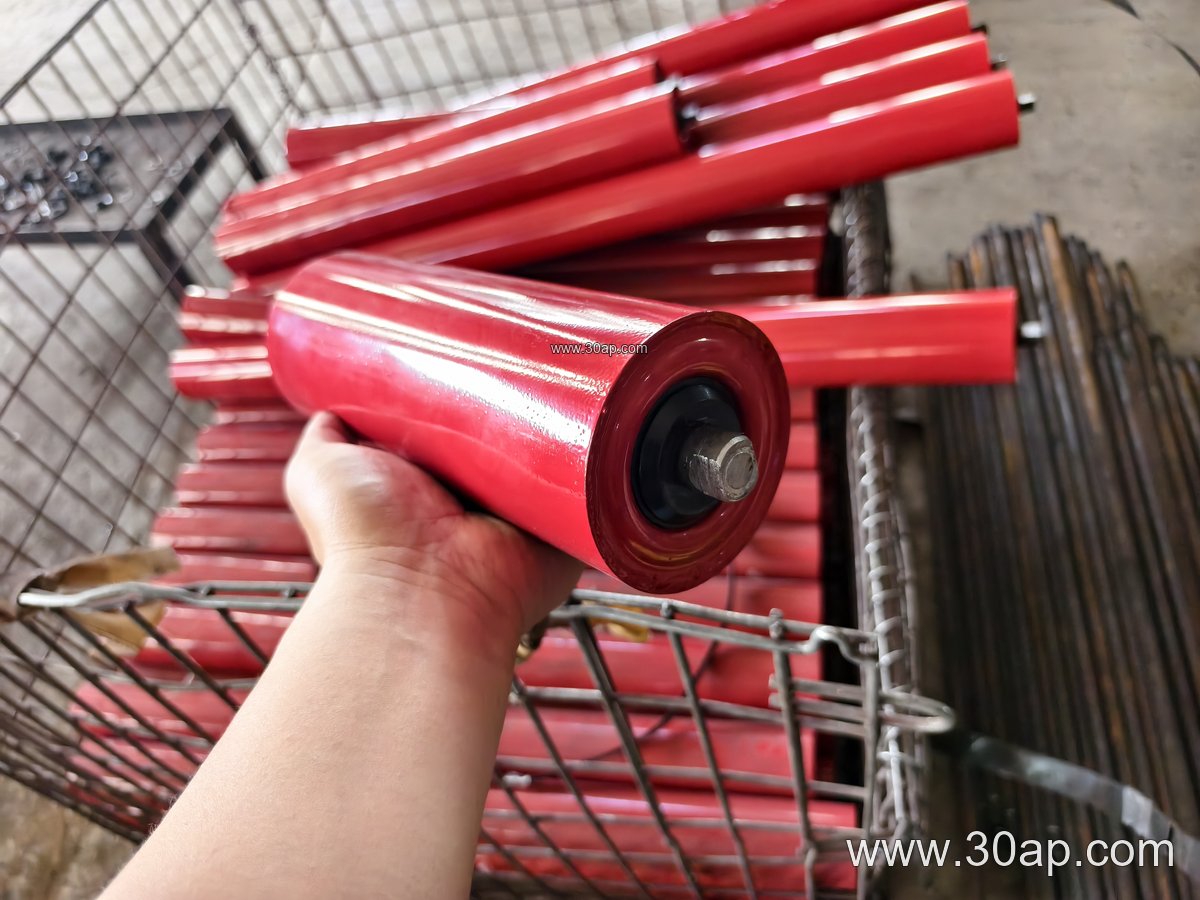
- Shell material: stainless steel tube, often 304 or 316 grade depending on the environment
- Bearing housing: sealed, with labyrinth or contact seals for dusty service
- Shaft: stainless or plated steel, sized by the frame and load, not by belt width alone
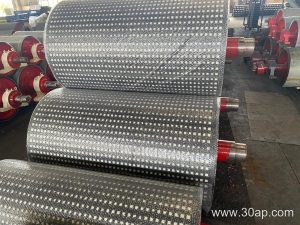
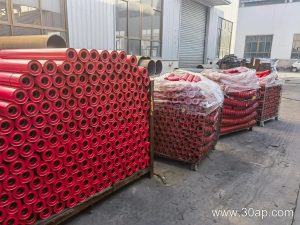
- Surface form: plain shell, or rubber rings and discs for impact and grip
Roller diameter is commonly chosen from a range such as Ø63, Ø76, Ø89, Ø102, Ø108, Ø127, Ø133, Ø159, Ø178, Ø194, or Ø219 mm. Larger diameters suit heavier loads and higher belt speeds, while smaller ones fit compact frames. Roller length follows belt width, trough angle, and the roller set arrangement; for a three-roll troughing set, common lengths are roughly 200 mm at B500, 250 mm at B650, 315 mm at B800, 380 mm at B1000, 465 mm at B1200, 530 mm at B1400, 600 mm at B1600, 670 mm at B1800, and 750 mm at B2000. These are reference examples, and side rollers and center rollers may differ.
Where Stainless Idlers Fit Best
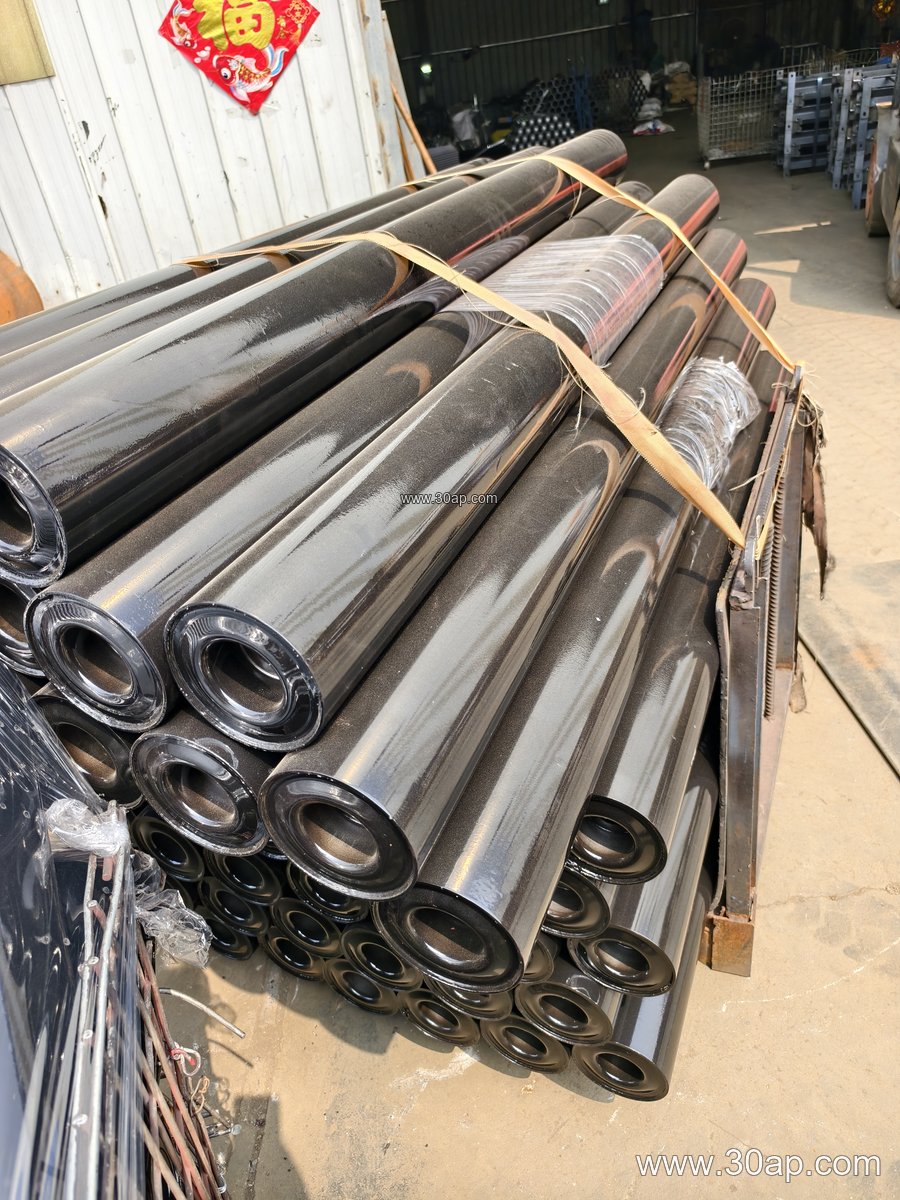
Stainless steel idlers are often specified where water, salt, acid, or fine corrosive dust is present. In a port handling bulk fertilizer or salt, or in a food grade conveyor line that is washed daily, the corrosion resistance of the roller shell and end caps pays back over time. In a cement plant or a power plant coal yard, they may be used on washdown sections rather than across the whole conveyor, since standard painted idlers remain cost-effective on dry runs.
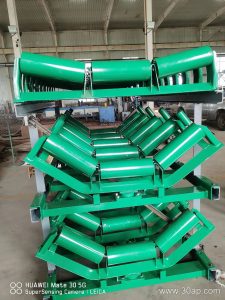
They also appear in sand and gravel plants near wet classification, in limestone mines with acidic drainage, and in recycling facilities where moisture and mixed waste are common. On the carrying side, three-roll troughing sets with 20, 30, 35, or 45 degree trough angles keep the belt loaded; on the return side, flat or V-return rollers support the empty strand.
Choosing the Right Roller Set
The idler type should match its position on the conveyor. Troughing idlers support the loaded belt, impact idlers with rubber rings absorb shock at the loading point, and self-aligning or friction self-aligning idlers help correct belt drift. Spiral rollers can help shed sticky material, and comb-type rollers are used where fines cling to the return strand.
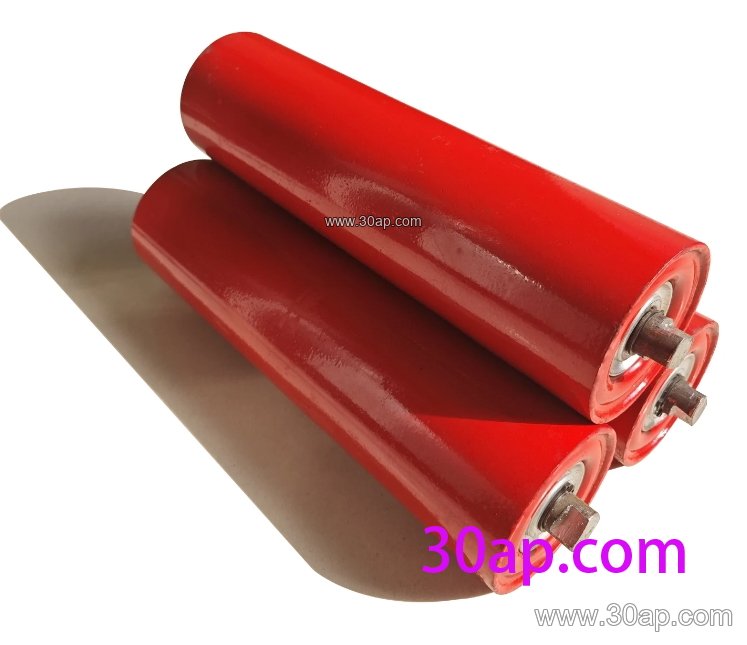
Belt width and roller diameter are selected together with belt speed, load, and frame dimensions. A 500 mm or 650 mm belt does not dictate one particular shaft diameter, and a single belt width can work with more than one roller diameter. Buyers should confirm the frame hole spacing, the shaft end type, the bearing size, and the sealing class before ordering.
Buyer Checklist and Maintenance Notes
Ask for the stainless grade, shell thickness, bearing designation, seal type, and shaft material. Check that the roller is balanced for the intended belt speed and that end caps are welded or pressed to keep water out. Confirm the roller length and diameter against the actual frame, not just the belt width.
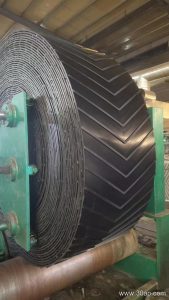
During operation, listen for squealing or rumbling bearings, check for a seized roller that can rub and damage the belt, and inspect seals after washdown. Replacing a failed idler early is cheaper than repairing a scorched or torn belt. Matching the idler to a Rubber Conveyor Belt or an EP Conveyor Belt in the same line, and checking the conveyor pulley and conveyor bracket alignment at the same time, keeps the whole conveyor running smoothly in quarry, mining, and processing duty.