What an Impact Idler Does at the Loading Zone
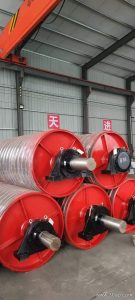
An impact idler is a heavy-duty carrying roller installed where material falls onto the conveyor belt. Instead of a plain steel shell, it usually carries rubber rings or a rubber-covered surface that absorbs the energy of falling lumps. The goal is simple: protect the belt from cutting, gouging and puncture damage while keeping the belt line supported. In a quarry, a crusher discharge point or a coal preparation plant, this roller is often the first line of defence for the belt cover.
Because the load is dynamic rather than steady, the impact idler is built differently from a standard troughing idler. The shell is thicker, the bearing housing is reinforced, and the rubber rings are spaced to cushion the strike. The result is a roller that can take repeated shocks without transferring all that force into the belt carcass or the frame.
Construction Details That Matter
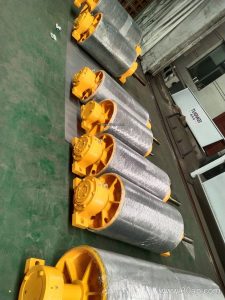
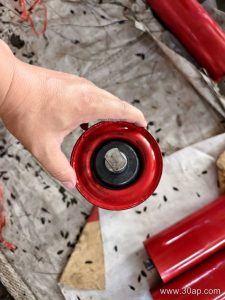
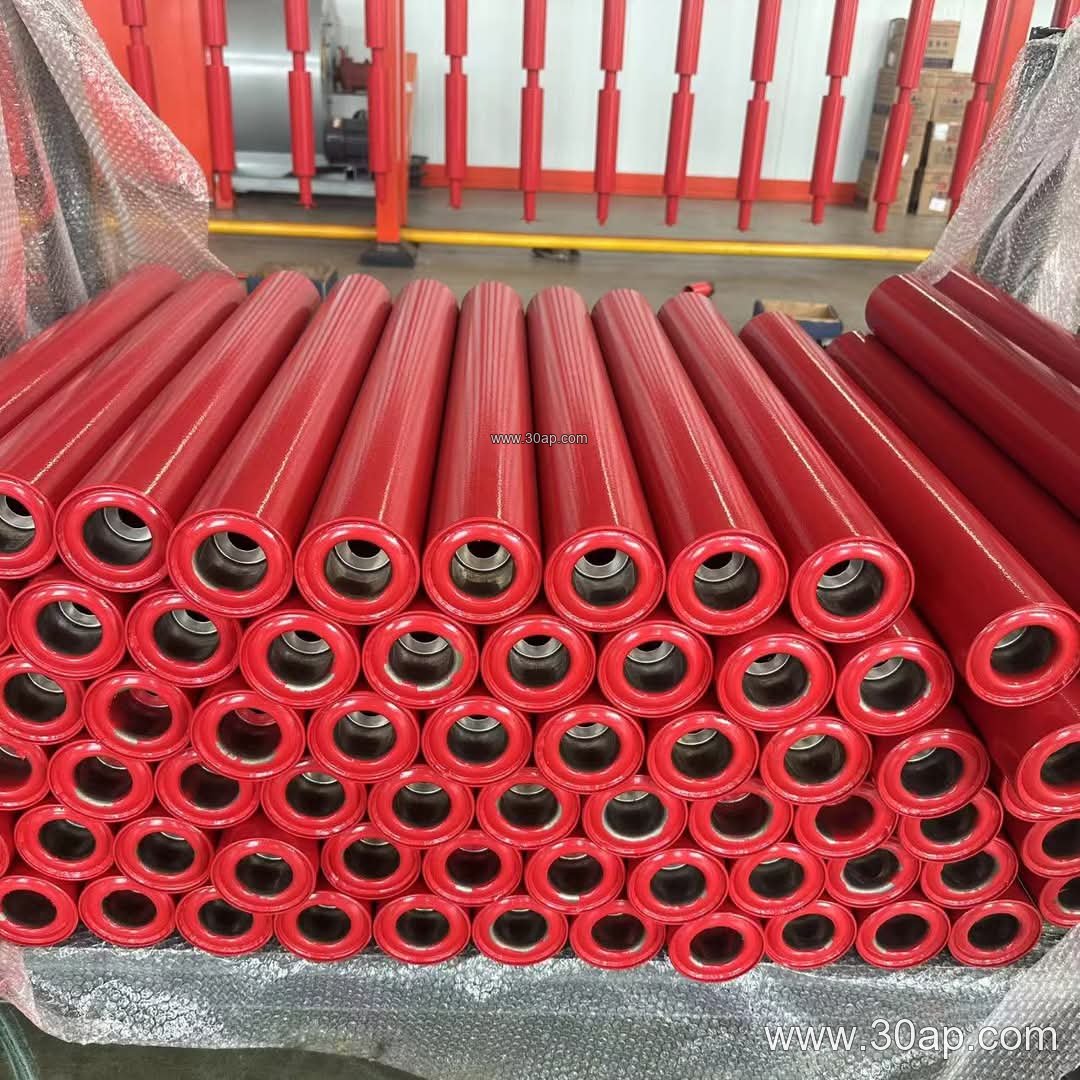
A typical impact roller combines a sturdy steel tube, sealed bearing housings and a set of rubber discs or a continuous rubber sleeve. The rubber rings are the wearing part, so their hardness and thickness affect how well the roller absorbs impact. Sealing is equally important, especially in dusty conditions where fine material would otherwise reach the bearings.
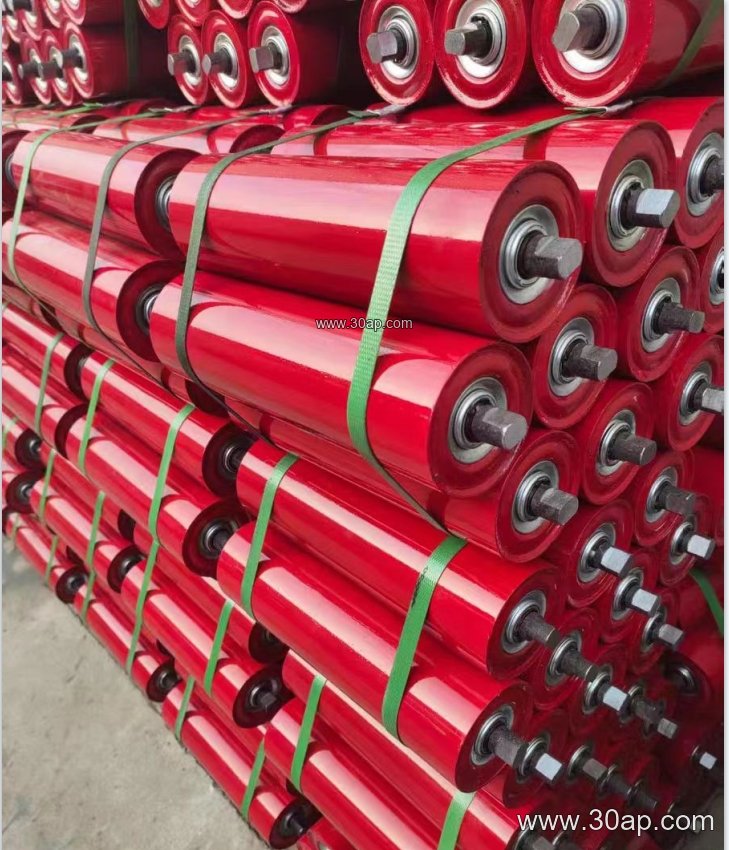
- Shell: thick-walled steel tube, often with a rubber cover or stacked rubber rings
- Bearing: common sizes include 6205, 6305, 6306 and 6308, selected according to load and roller diameter
- Seal: labyrinth or contact seal to keep out dust and water
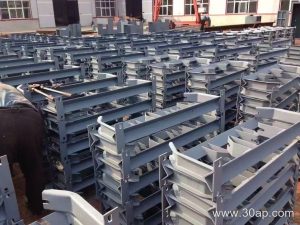
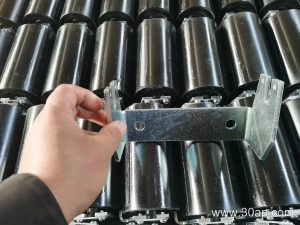
- Frame fit: mounted in the same brackets as the adjacent troughing set, usually as a three-roll arrangement
Rubber-ring versions are common because individual rings can be replaced or rotated, while a rubber-sleeved roller offers a smoother surface. Both are valid choices, and the right one depends on lump size, drop height and the belt speed at the transfer point.
Where Impact Idlers Are Used
These rollers appear wherever a conveyor receives material from a crusher, screen, chute or another conveyor. In a limestone mine, for example, the primary crushing station discharges onto a belt that carries the rock to the stockpile, and the first few idler positions after the chute are usually impact rollers. In a coal handling system at a power plant, the same logic applies at the transfer tower, where coal drops from one belt to the next.
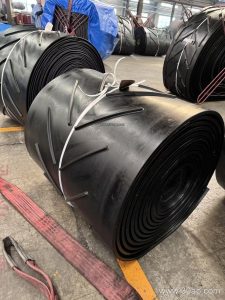
The working belt itself may be a heavy-duty rubber conveyor belt, a flame retardant conveyor belt for underground coal mining, or a heat resistant conveyor belt near a kiln or sinter line. The impact idler does not replace the belt’s own impact resistance, but it reduces the point loading that causes cover damage and carcass fatigue. For abrasive duties, pairing a proper impact roller with an abrasion resistant conveyor belt gives the loading zone a better chance of long service.
Choosing the Right Size and Arrangement
Selection starts with the belt width and the trough angle, then moves to roller diameter, roll length and bearing class. A wider belt needs a longer roll and a larger frame, while a high drop height calls for more cushioning. The table below shows common reference values; actual dimensions are confirmed by the conveyor design.
| Belt width | Typical roll length for three-roll troughing (reference) | Common trough angles |
|---|---|---|
| B500 | about 200 mm | 20°, 30°, 35° |
| B650 | about 250 mm | 20°, 30°, 35° |
| B800 | about 315 mm | 30°, 35°, 45° |
| B1000 | about 380 mm | 30°, 35°, 45° |
| B1200 | about 465 mm | 30°, 35°, 45° |
| B1400 | about 530 mm | 30°, 35°, 45° |
| B1600 | about 600 mm | 30°, 35°, 45° |
| B1800 | about 670 mm | 30°, 35°, 45° |
Roller diameters for impact service commonly range from Ø89 up to Ø159 and beyond, with Ø133 and Ø159 often seen on larger belts. The side rolls and centre roll can differ in length, so the numbers above are examples rather than fixed pairings. Bearing size, shaft diameter and housing design are set by the load calculation, not by belt width alone.
Buyer Checklist
Before ordering, confirm the belt width, trough angle, mounting bracket spacing and the height of the material drop. Ask whether the roller will sit in a three-roll troughing set or a two-roll arrangement, and check that the brackets match the existing conveyor frame. For dusty or wet service, look at the seal design and the bearing protection. For high-drop chutes, consider a rubber-ring impact idler with thicker rings, and review whether a skirted conveyor belt or corrugated sidewall conveyor belt is needed to contain the load.
Finally, treat impact idlers as a wear item and plan inspection during shutdowns. A cracked ring or a seized bearing should be replaced early, because a failed roller at the loading point can damage the belt far more than the roller itself costs. Matching the roller to the duty, the belt and the frame is the practical way to keep the transfer point running.