What a Port Conveyor Belt Does
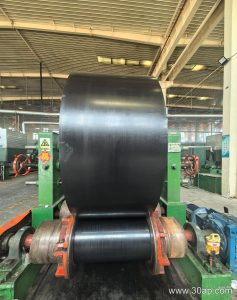
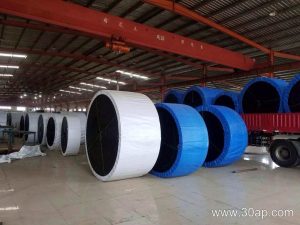
A port conveyor belt is the heavy-duty carrying element in a continuous bulk handling system at a terminal, quay, or stockyard. It moves coal, iron ore, copper ore, cement clinker, aggregate, grain, and other bulk materials between ship loaders or unloaders, stackers, reclaimers, transfer towers, and storage yards. Because port operations run long shifts with high tonnage, the belt is usually selected as a heavy-duty conveyor belt with a reinforced carcass and a thick, abrasion-resistant cover.
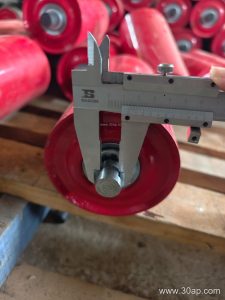
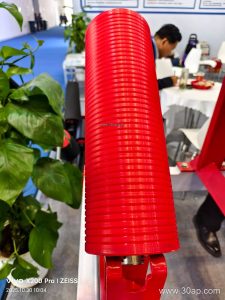
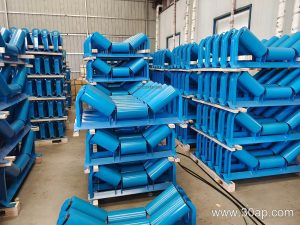
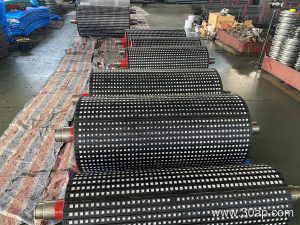
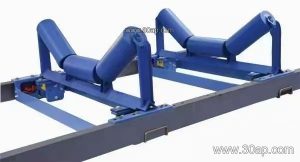
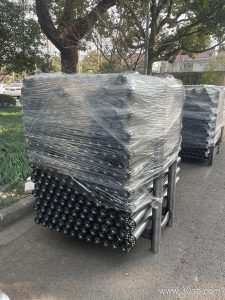
The belt is only one part of the circuit. A complete line also includes a drive pulley at the head, a tail pulley at the return end, bend pulleys along the path, idler rollers supporting the carrying and return strands, and conveyor brackets holding the structure together. Each component affects belt life, so the belt is never chosen in isolation.
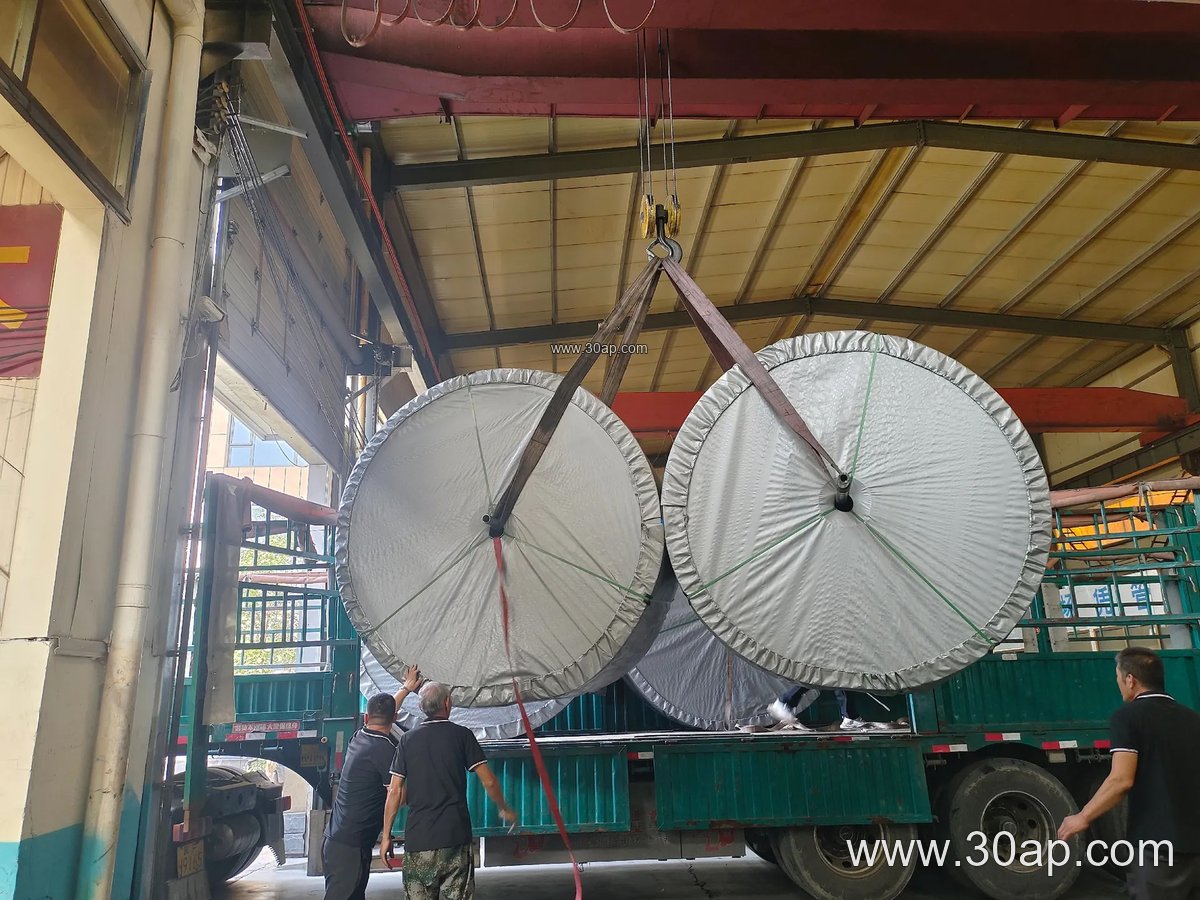
Construction and Common Configurations
A typical port conveyor belt combines a fabric or steel cord carcass with rubber covers on both faces. Fabric types such as EP conveyor belt and NN conveyor belt are common in medium-length runs and transfer lines. Steel cord conveyor belts are often used where long center distances and high tension demand greater strength with less stretch.
Covers are specified for the cargo and climate. Abrasion resistant conveyor belt grades suit ore and aggregate; heat resistant conveyor belt grades suit clinker and sinter; oil resistant conveyor belt grades handle grain and certain mineral cargoes; flame retardant conveyor belt and anti-static conveyor belt grades matter in coal handling and enclosed galleries. In cold climates, a cold resistant conveyor belt may be needed, while a chevron conveyor belt or corrugated sidewall conveyor belt can help on steep inclines or confined transfers.
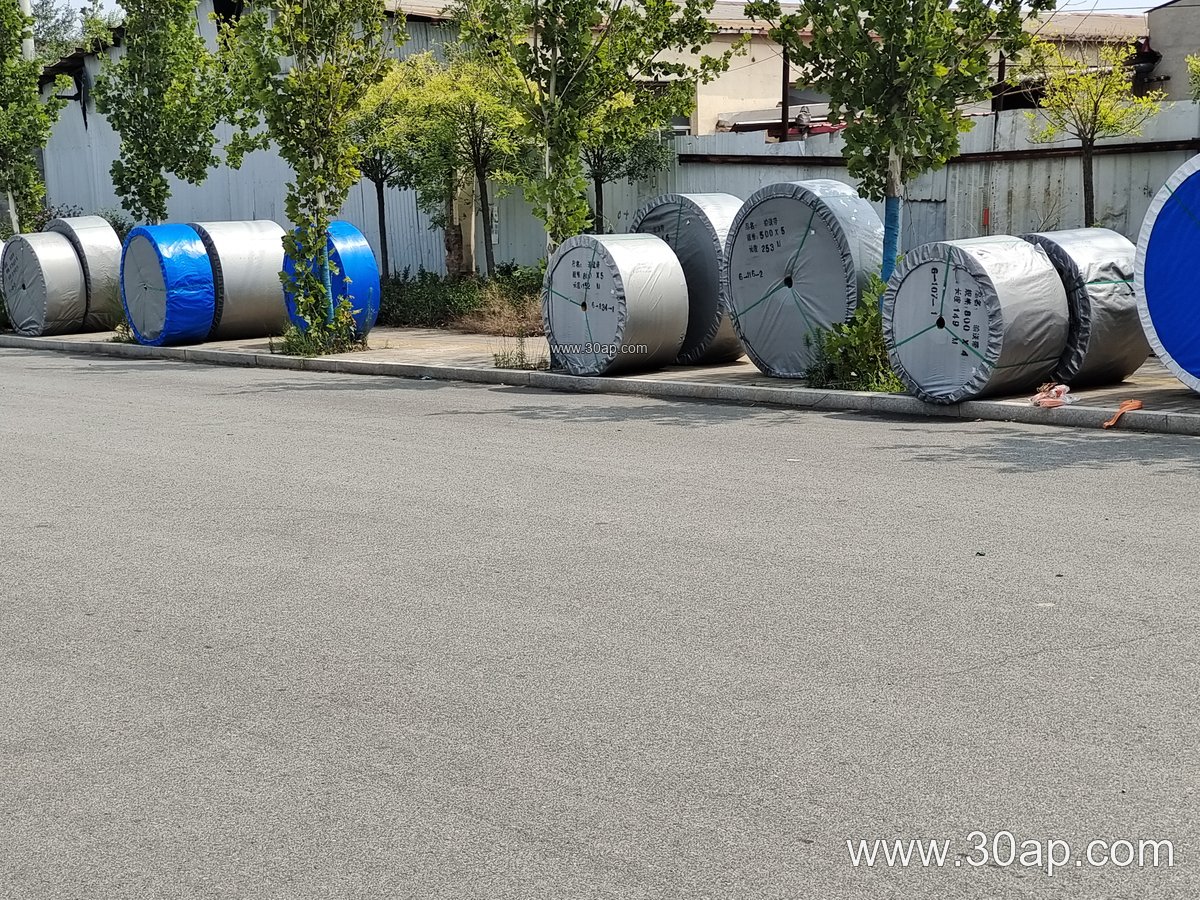
Reference Data for Selection
The values below are common reference ranges, not universal specifications. Actual construction is confirmed by design and by the manufacturer.
Fabric Core Grades
- EP100, EP200, EP315, EP400, EP500, EP630, EP800, EP1000, EP1250, EP1600, EP2000
- NN100, NN200, NN300, NN400
- Typical carcass layers: 2 to 6 plies for multi-ply fabric core conveyor belt constructions
Steel Cord Grades
- ST1000, ST1250, ST1600, ST2000, ST2500, ST3150
Belt Widths
- B500, B650, B800, B1000, B1200, B1400, B1600, B1800, B2000 mm
Cover Thickness Examples
- 3+1.5 mm, 4+2 mm, 5+2 mm, 6+2 mm, 8+3 mm
For example, an EP1000 1200mm conveyor belt may suit a medium-capacity ore line, while a steel cord belt may be preferred on a long quay-to-yard run. A wider belt such as a 1800mm wide conveyor belt or 2000mm wide conveyor belt is used where throughput is high and the transfer chute can be matched to the width.
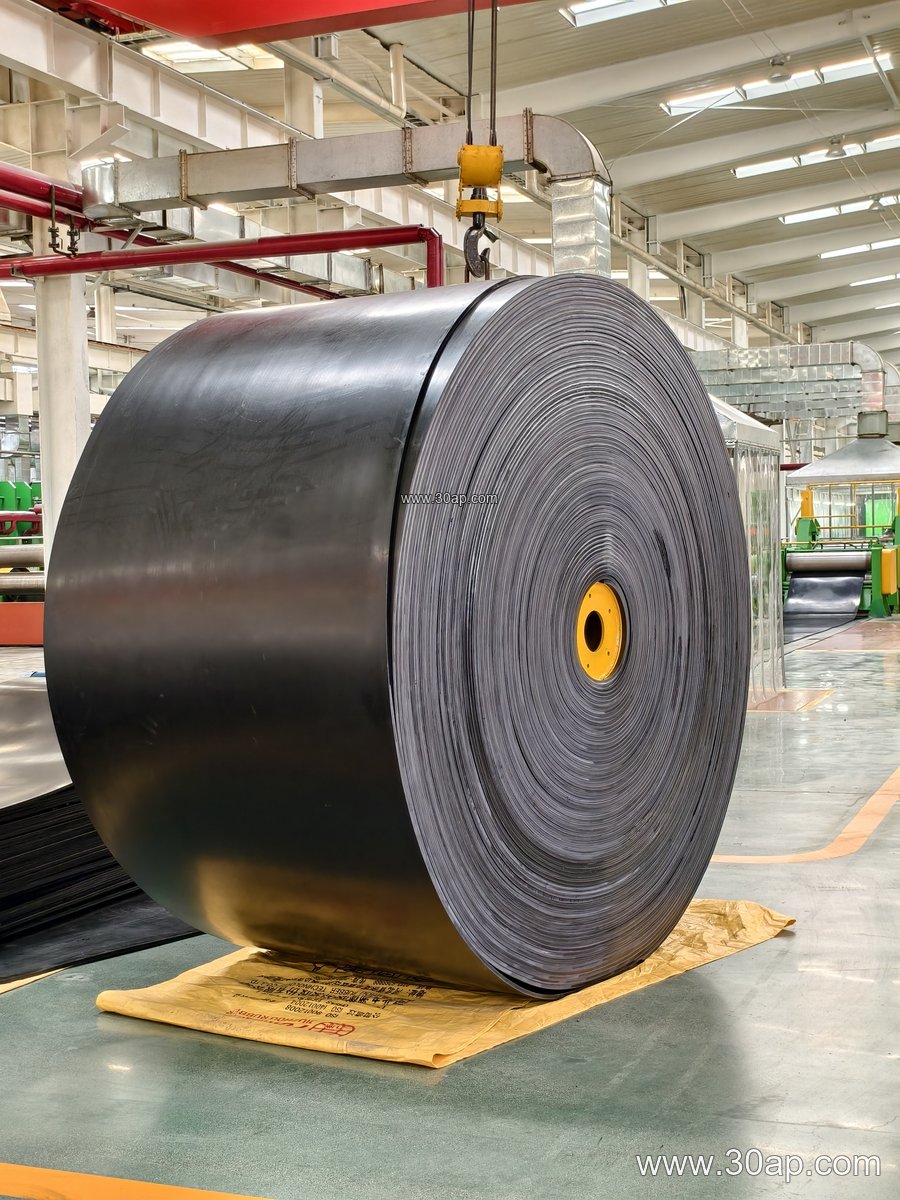
Where It Fits in the Terminal
Port conveyor belts appear in ship loading conveyor belt lines, ship unloader discharge paths, yard conveyors, and rail or truck loadout systems. In a coal terminal, a flame retardant conveyor belt with anti-static properties is often specified for enclosed galleries. In an iron ore or copper ore terminal, an abrasion resistant conveyor belt with a thick top cover is common. Cement and clinker terminals lean toward heat resistant and abrasion resistant covers, while grain terminals may use food grade or oil resistant grades depending on the cargo.
Supporting equipment is matched to the belt. Idler rollers are spaced according to belt tension and load, and their trough angle affects material containment. The drive pulley, tail pulley, and bend pulleys are separate components with different duties and are not interchangeable. Conveyor brackets and frames must be aligned so the belt trains correctly and does not edge-damage.
Buyer Checklist
- Confirm the cargo type, lump size, and any oil, heat, or chemical exposure.
- State the required strength grade and carcass type, for example EP or steel cord.
- Confirm belt width, cover thickness, and whether a chevron or sidewall profile is needed.
- Check climate and enclosure requirements, including flame retardant and anti-static needs.
- Review pulley diameters and idler spacing with the belt supplier so tension and training are correct.
- Plan splicing, storage, and inspection access before installation.
Belt width alone does not fix pulley diameter or shaft size, so those values should come from the conveyor design rather than from the belt catalog. A practical specification lists the cargo, the required strength, the cover grade, and the environment, then lets the belt and conveyor components be matched as one system.