What a Conveyor Idler Quotation Covers
A conveyor idler quotation is the priced offer a roller manufacturer or supplier sends when a buyer asks for carrying and return rollers for a belt conveyor. It is not only a number on a page. A usable quote lists the idler type, roll diameter, roll length, trough angle for carrying sets, bearing size, shell material and surface form, together with quantity and delivery terms. Because idlers run in large numbers along a conveyor line, small differences in specification quickly change the total cost, so the quotation should be read item by item rather than as a lump sum.
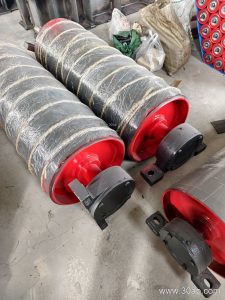
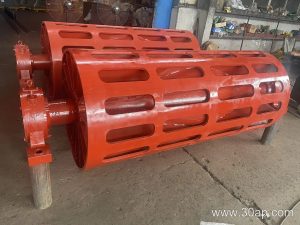
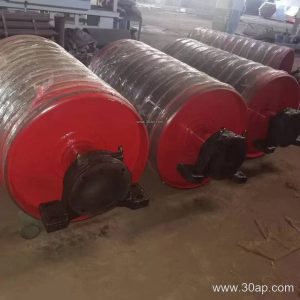
The same document is sometimes called an idler roller price offer or a roller quotation for belt conveyors. Both names describe the same product. Drive pulleys, tail pulleys and bend pulleys are separate components and should be quoted separately; they are not interchangeable with idlers.
How the Roller Is Built and Why It Matters to the Price
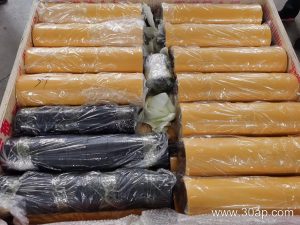
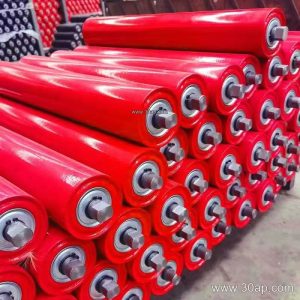
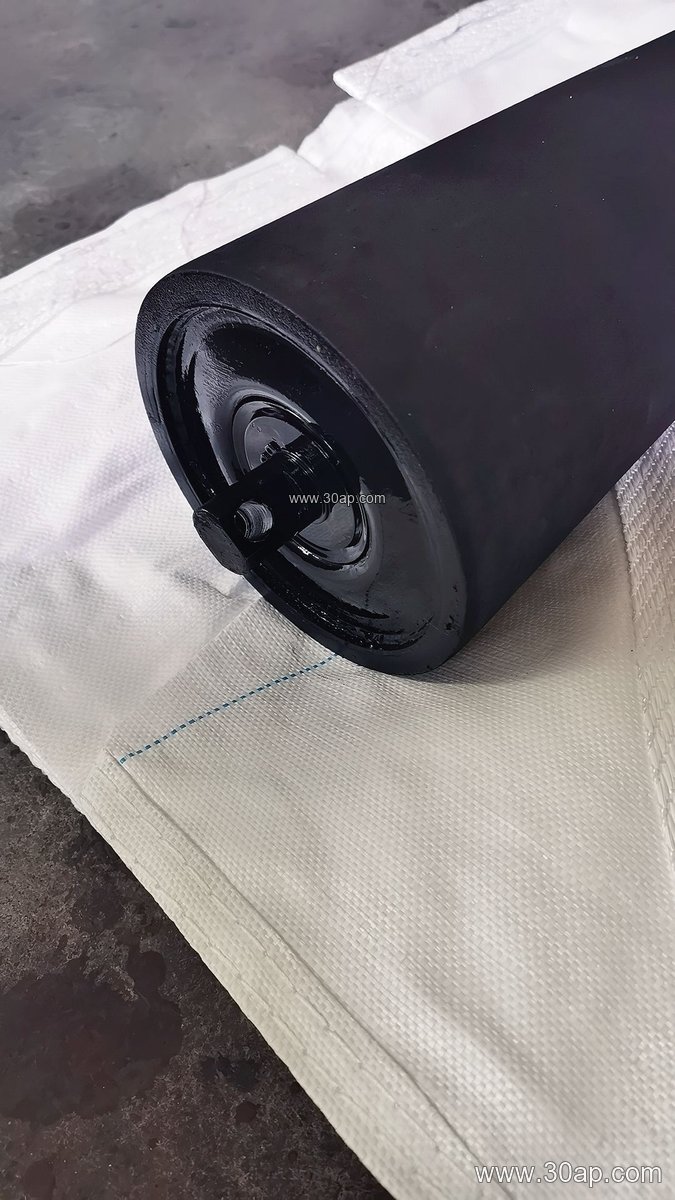
A typical idler roller has a steel tube shell, two bearing housings, a shaft, bearings and a sealing arrangement. The shell may stay plain steel, or it may carry a nylon sleeve, ceramic tiles or rubber rings. Sealing quality has a strong influence on service life in dusty conditions, and it also affects the quotation, because a labyrinth seal and a simple dust cover are not the same cost.
Common bearing sizes include 6204, 6205, 6305, 6306, 6308 and 6310. A larger bearing is not automatically better for every position; the load, belt speed and roll diameter decide the match. Buyers should state the bearing number they want, or ask the supplier to recommend one for the duty.
Where These Rollers Are Used
Carrying idlers support the loaded side of the belt, while return idlers support the empty side. In a limestone quarry or a cement plant, three-roll troughing sets at 30 or 35 degrees are common on the main haulage conveyors, and impact idlers with rubber rings sit under the loading point. In a coal washing plant or a power plant coal yard, flame retardant belts are often paired with well-sealed rollers because dust and moisture shorten bearing life.
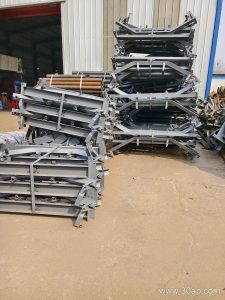
Other positions call for other designs. Transition idlers ease the belt from flat to troughed, self-aligning idlers correct tracking, and spiral rollers help shed sticky material on the return run. Each of these has its own price line in a quotation, so the position and quantity should be clear before the offer is prepared.
Sizes and Reference Data
Roll diameter and length are the first items a supplier needs. The table below shows commonly referenced values; they are examples, not fixed rules, and the final size is set by the conveyor design.
Common Roll Diameters
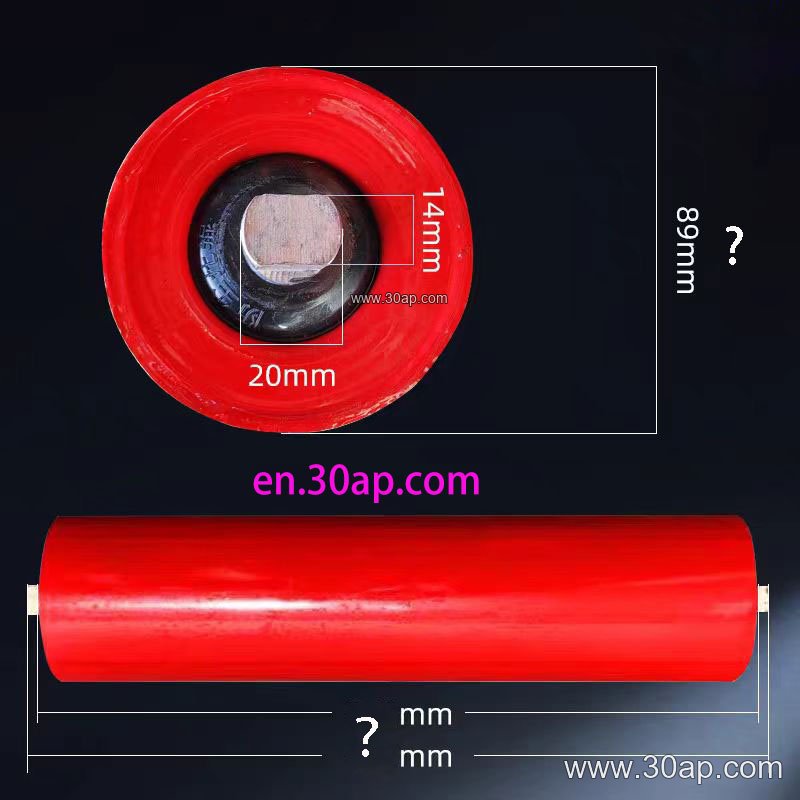
- Ø63, Ø76, Ø89 mm for light duty and small belt widths
- Ø102, Ø108, Ø127, Ø133 mm for general bulk handling
- Ø159, Ø178, Ø194, Ø219 mm for heavy loads and wide belts
Belt Width and Typical Roll Length
For three-roll troughing sets, roll length usually grows with belt width. Typical examples are B500 with about 200 mm, B650 with 250 mm, B800 with 315 mm, B1000 with 380 mm, B1200 with 465 mm, B1400 with 530 mm, B1600 with 600 mm, B1800 with 670 mm and B2000 with about 750 mm. Side rolls and the centre roll can differ, and the trough angle changes the geometry, so these figures should be confirmed against the drawing.
What to Put in the Enquiry
A clear enquiry produces a clear idler quotation. Include the belt width, the roll diameter you need, the trough angle, the number of rolls per set, the bearing number if specified, the shell and surface type, and the quantity for each position. Mention the working environment: a wet coal preparation plant, a hot sinter line or a dusty aggregate yard each push the specification in a different direction.
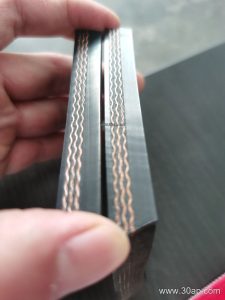
It also helps to name the conveyor belt running on the idlers. A heavy abrasion resistant belt on an iron ore line loads the rollers differently from a light fabric core belt in a food plant. If the line uses a chevron belt or a corrugated sidewall belt, tell the supplier, because the idler arrangement and clearance may need attention.
Reading the Offer Before You Order
Check that every line states the roller type, diameter, length, bearing and surface, and that the quantity matches your list. Ask how the rollers are packed and whether mounting brackets are included. Confirm the payment and delivery terms in writing. A quotation is a working document, so questions about seal type, tube thickness or bearing brand are normal and should be answered before the order is placed.
Finally, keep the quotation together with the conveyor drawings. When the line is extended or a section is replaced, the same specification can be ordered again without re-measuring every position.