What an Anti-Slip Lagged Pulley Does
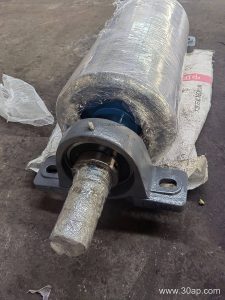
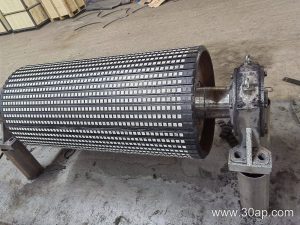
An anti-slip lagged pulley is a conveyor pulley whose shell is covered with a rubber or ceramic lagging layer designed to raise friction between the pulley face and the conveyor belt. This added grip matters most where the belt must transmit drive torque without slipping, or where a tail, tension or bend position needs steadier belt tracking. In mining, coal preparation, cement and power plant coal handling, a slipping drive pulley can quickly damage the belt cover and interrupt the whole line, so the lagging is treated as a functional part of the pulley rather than a cosmetic finish.
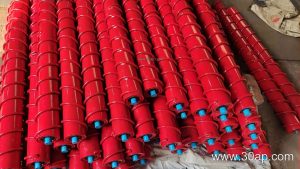
The same product is often called a rubber-lagged conveyor pulley or a grip-lagged pulley. These are equivalent names for the same item; a drive pulley, tail pulley, bend pulley or tension pulley describes where it is installed, not a different product category.
How the Lagging Is Built
The pulley body usually starts as a welded steel drum with end discs and a shaft, machined so the lagging sits evenly. Lagging may be applied in several ways, and the choice affects grip, service life and repairability:
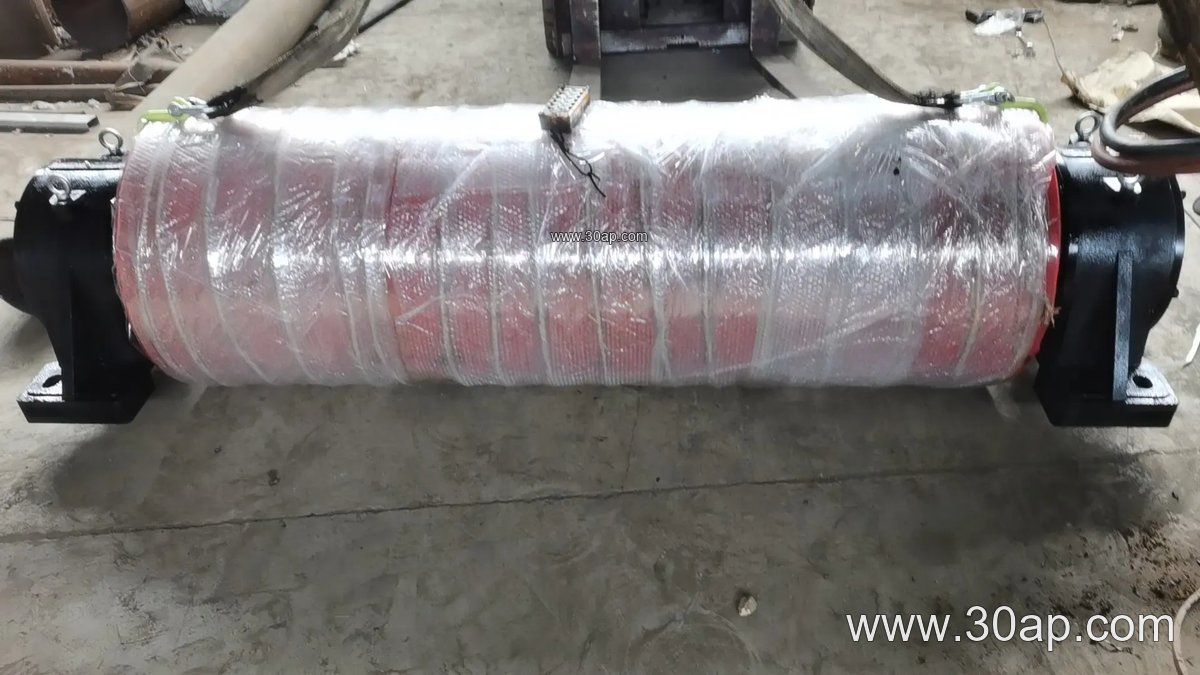
- Hot-vulcanized rubber — bonded under heat and pressure, giving a strong, uniform layer for heavy-duty drives.
- Cold-bonded rubber — applied with adhesive, practical for field replacement and moderate duty.
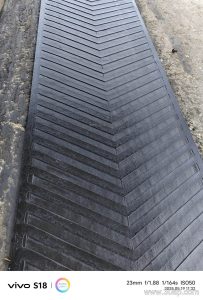
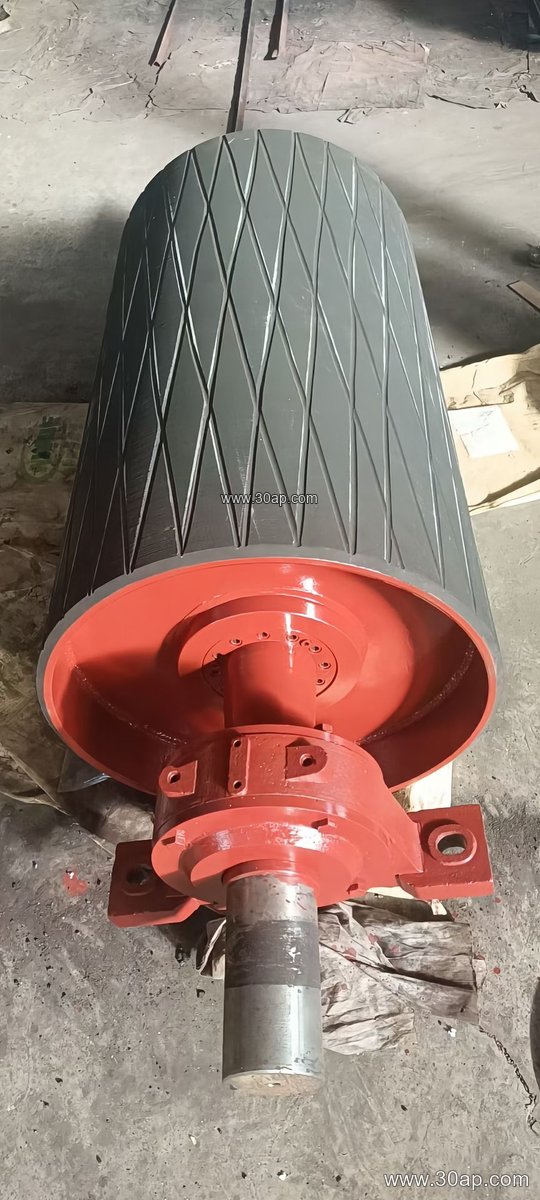
- Diamond or herringbone patterns — moulded profiles that help shed water and fines while improving traction.
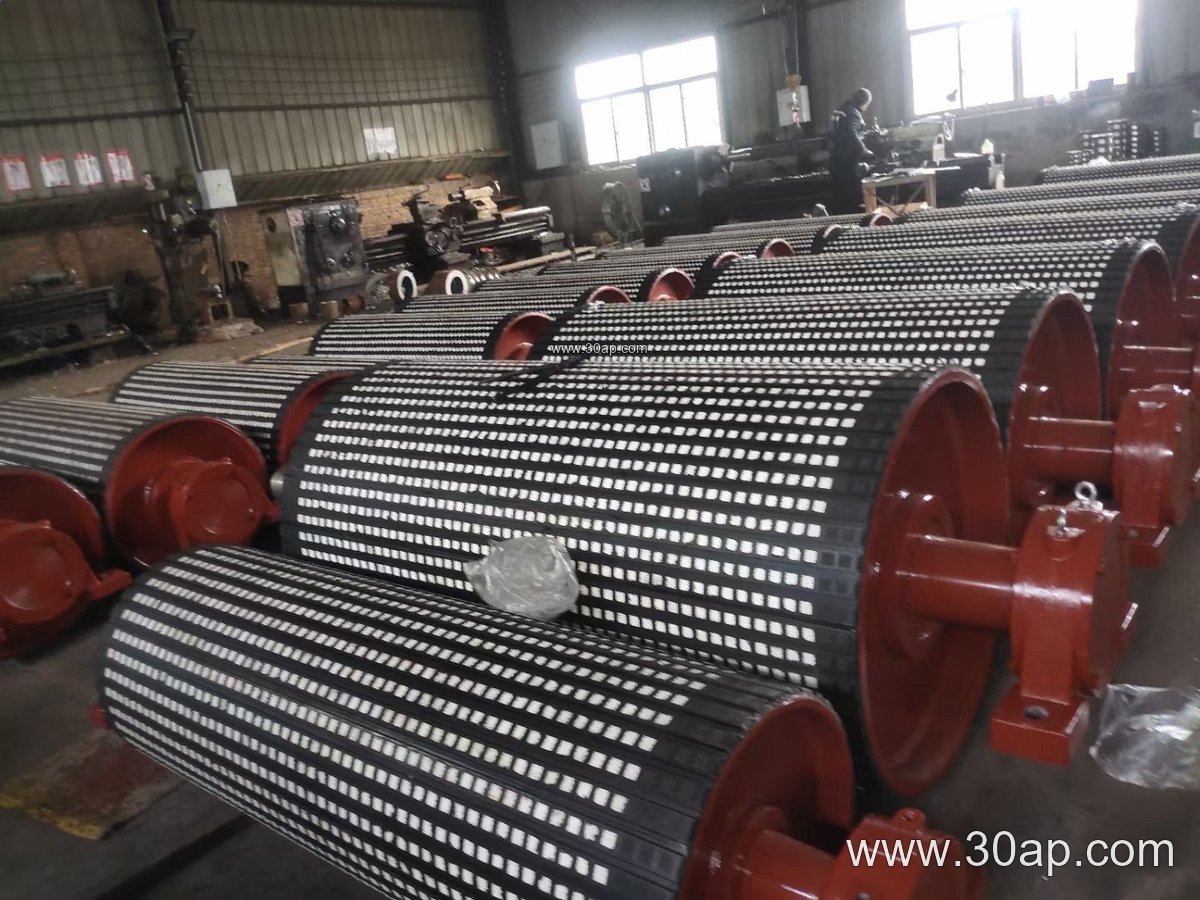
- Ceramic lagging — tiles set in rubber, used where abrasion is severe and slip risk is high.
- Plain sheet lagging — a smooth rubber layer for general grip where profile patterns are not needed.
Common lagging thicknesses are 8, 10, 12, 15 and 20 mm, with the thicker layers generally chosen for larger drums and harsher duty. The pulley face width is normally a little wider than the belt, for example a B800 belt running on a drum around 950 mm wide, or a B1200 belt on a drum around 1400 mm wide. Diameter and shaft size follow the torque and load calculation, not the belt width alone.
Where It Fits on the Conveyor
The most common installation is the head or drive position, where the drum transfers power to the belt. A lagged tail pulley can also help where the belt wraps a small arc and needs extra friction to stay in place. Tension and bend pulleys sometimes receive lagging when the wrap angle is low or when the belt tends to drift.
Typical working environments include:
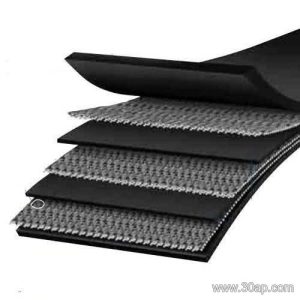
- Quarry and aggregate lines moving crushed stone on an EP conveyor belt or a multi-ply fabric core belt.
- Coal preparation and underground coal mining conveyors using flame retardant or PVG belting.
- Cement plant clinker and raw material circuits, where dust and fines reduce friction.
- Power plant coal handling and port bulk terminals with long, heavily loaded belts.
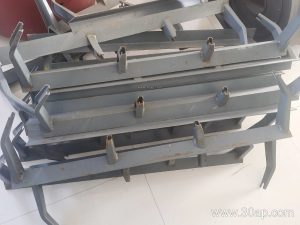
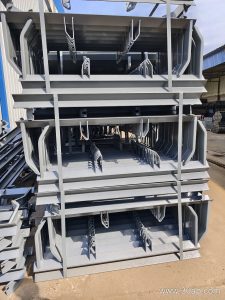
In these plants the pulley works alongside the idler roller, conveyor bracket and belt cleaner, so alignment and belt condition influence how well the lagging performs.
Typical Reference Dimensions
The figures below are common reference values, not universal specifications. Final sizes are confirmed by the conveyor design.
| Belt width (reference) | Typical pulley face width | Common pulley diameters |
|---|---|---|
| B500 | about 600 mm | Ø250, Ø315, Ø400 |
| B650 | about 750 mm | Ø315, Ø400, Ø500 |
| B800 | about 950 mm | Ø400, Ø500, Ø630 |
| B1000 | about 1150 mm | Ø500, Ø630, Ø800 |
| B1200 | about 1400 mm | Ø630, Ø800, Ø1000 |
| B1400 | about 1600 mm | Ø800, Ø1000, Ø1250 |
| B1600 | about 1800 mm | Ø1000, Ø1250, Ø1400 |
| B1800 | about 2000 mm | Ø1250, Ø1400, Ø1600 |
Shaft diameters are commonly in the range of Ø80 to Ø200 mm depending on torque, bearing selection and load. A B1200 × Ø1000 drive pulley and a B800 × Ø500 tail pulley are both realistic combinations, but neither pairing is fixed.
Buyer Checklist
- Confirm the pulley position: drive, tail, tension or bend, since wrap angle and duty differ.
- State the belt type and tension, including whether it is a steel cord conveyor belt or a fabric construction, because grip requirements change.
- Choose lagging material and pattern for the environment — abrasive ore, wet coal or dusty clinker each call for a different balance.
- Check lagging thickness and bond method against the expected service interval and whether field repair is possible.
- Verify shaft size, bearing centres and balancing requirements from the conveyor design rather than from belt width alone.
- Ask how the lagging is finished at the drum edges, since a clean edge reduces belt edge damage.
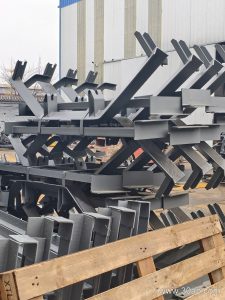
For related conveyor components such as the conveyor pulley, idler roller and conveyor bracket, matching dimensions across the whole assembly saves installation time. A well-chosen anti-slip lagged pulley keeps traction steady and protects the belt in demanding quarry, coal and cement service.