What a Vertical Guide Idler Does
A vertical guide idler is a special conveyor idler mounted vertically, usually in pairs, to hold the edges of a conveyor belt and keep it tracking along the intended line. In a quarry, a cement plant, or a power plant coal yard, belt wander is a constant concern on long inclined runs. Rather than pushing the belt upward like a troughing idler, this vertical guide roller works on the belt edge, acting as a side stop. It is a tracking accessory, not a load-carrying idler, and it should be understood as its own product type. A vertical guide idler is not a replacement for a return idler, an impact idler, or a self-aligning idler; each performs a different job, and the guide roller is chosen precisely because edge control is the problem to solve.
Construction and Common Configurations
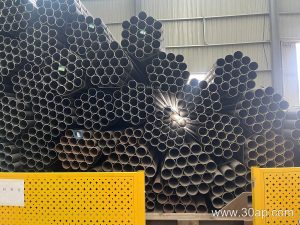
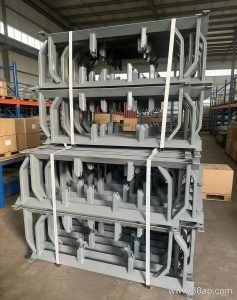
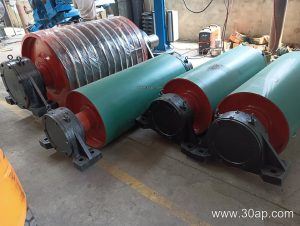
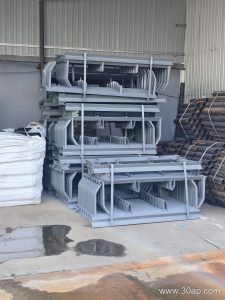
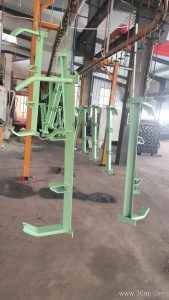
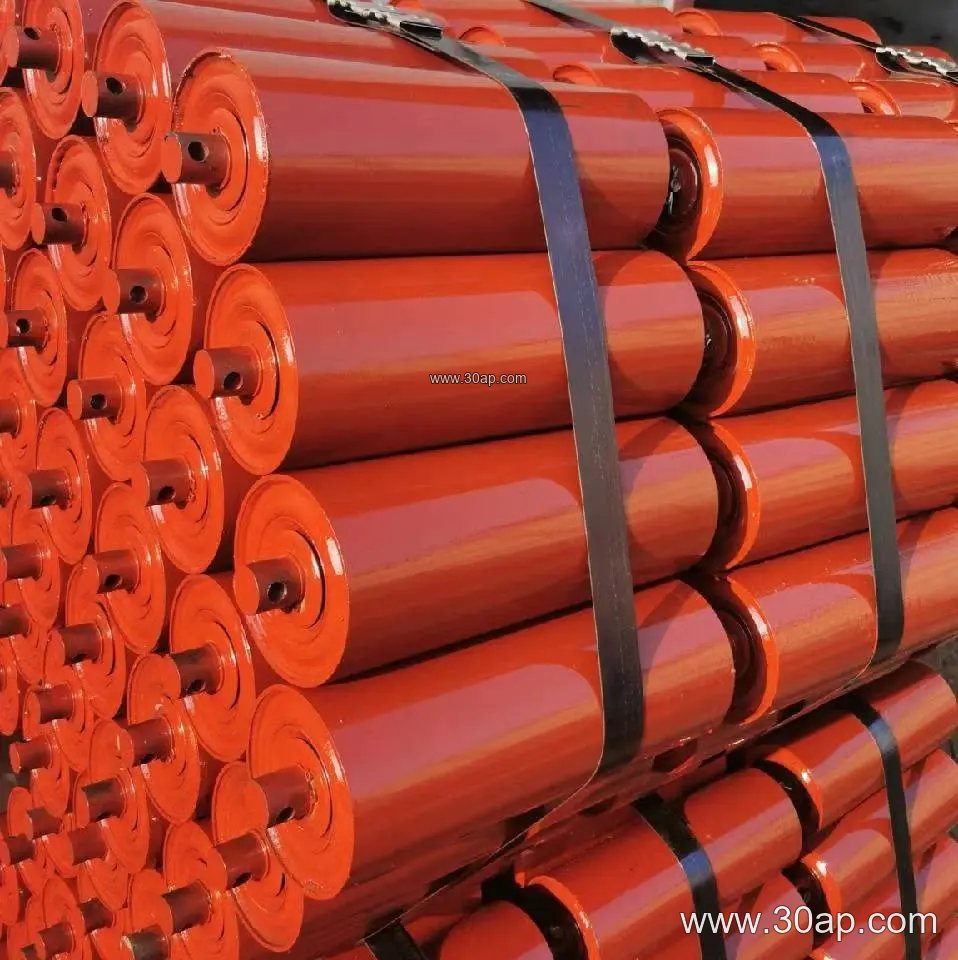
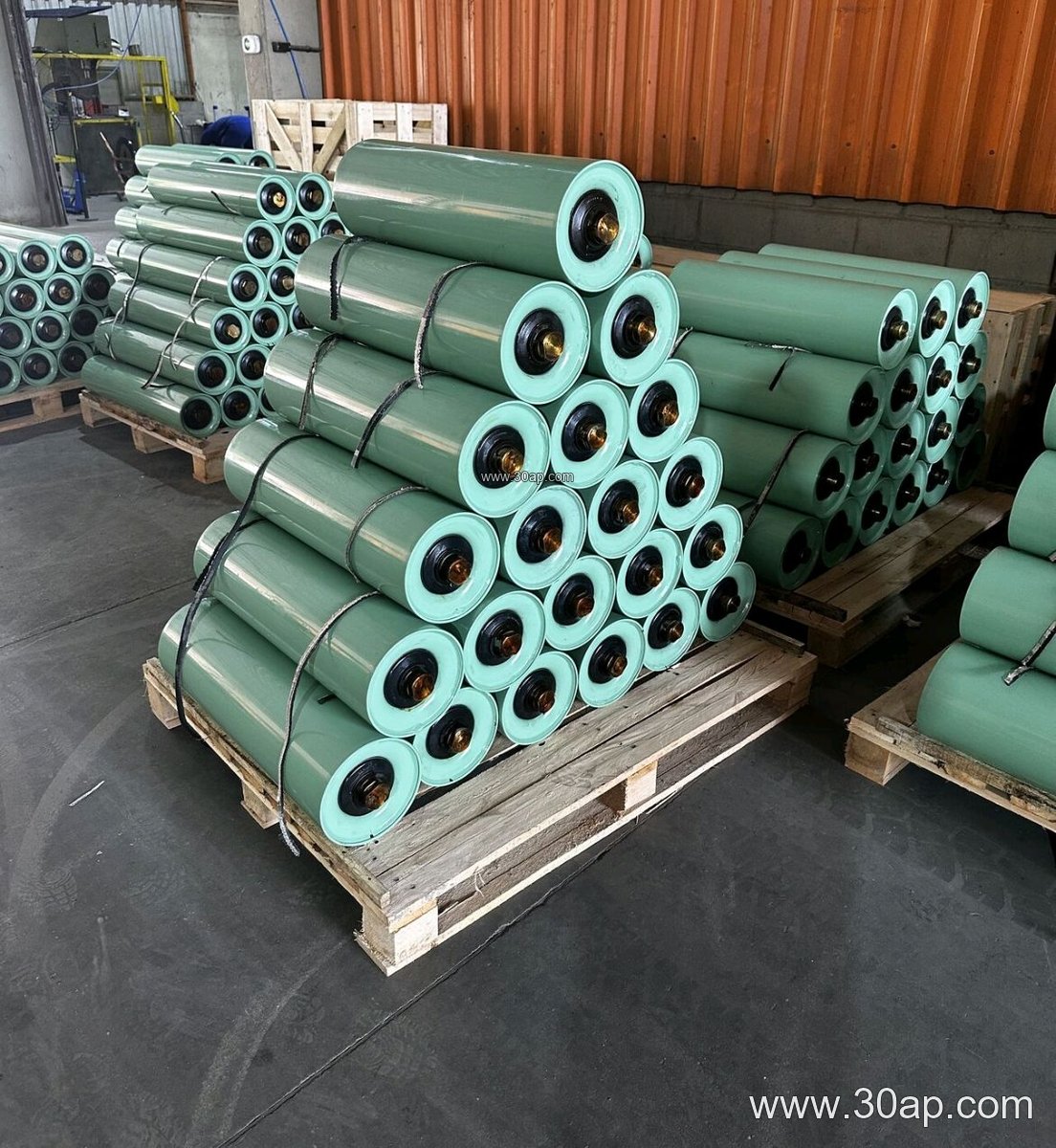
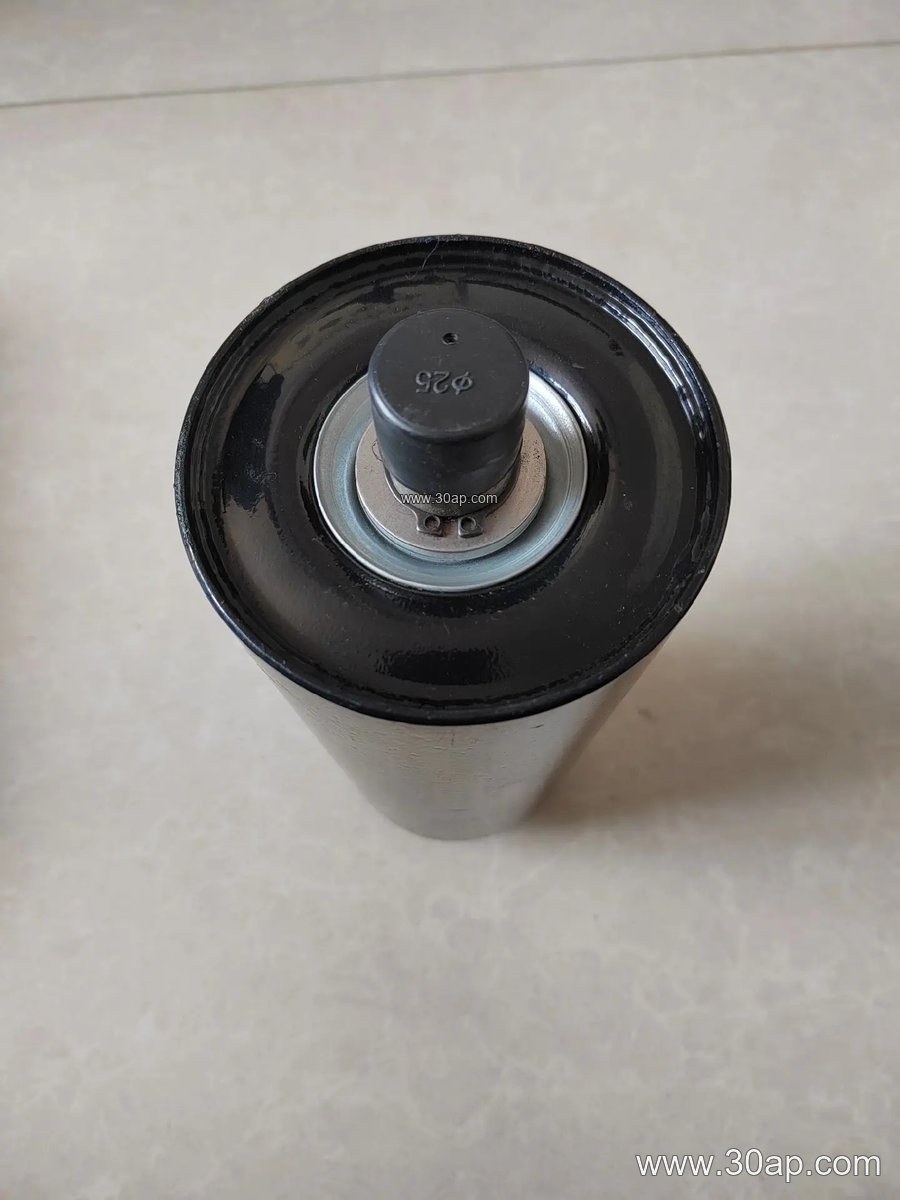
The body is normally a steel tube with an internal bearing, a sealed end cap, and a shaft that is fixed to a conveyor bracket. Because the roller runs against the belt edge, the surface is often fitted with a rubber or nylon sleeve to reduce edge wear, and the sealing must resist dust and fine grit. Typical roller diameters for this kind of idler include Ø63, Ø76, Ø89, Ø102, and Ø108 mm, with larger sizes such as Ø127 or Ø133 mm used where the belt is heavy and the side load is high. Bearings are commonly 6204, 6205, 6305, or 6306, selected by load and shaft size rather than by belt width alone. Mounting height and roller length are set by the belt width and the conveyor structure, so a B800 or B1000 belt will not automatically dictate one fixed shaft diameter. The bracket design must allow the roller to be adjusted inward or outward so the clearance to the belt edge can be set on site.
Where Vertical Guide Idlers Are Used
These idlers appear where the belt is exposed to side forces: inclined sections, curves, transfer points, and long overland runs. In a limestone mine or a sand and gravel line, a vertical guide roller pair is often placed just after a loading point where the belt can shift. In a coal washing plant, a cement plant, or a power plant coal handling system, they help protect the belt edge from rubbing against the frame. They are also useful on a conveyor carrying a chevron conveyor belt or a corrugated sidewall conveyor belt, where the raised profile makes edge contact more likely. On a steel plant conveyor or a port belt loading line, the same principle applies: the guide idler controls the belt without adding much vertical load.
Matching the Idler to the Belt and the Frame
Selection starts with the belt width and the available space on the conveyor bracket. The table below shows common reference values; these are examples, not fixed combinations, and the final dimensions should follow the conveyor design.
| Reference Item | Common Range or Example |
|---|---|
| Roller diameter | Ø63, Ø76, Ø89, Ø102, Ø108, Ø127, Ø133 mm |
| Belt width | B500, B650, B800, B1000, B1200, B1400, B1600 mm |
| Bearing | 6204, 6205, 6305, 6306, 6308 |
| Roller surface | Steel tube, nylon sleeve, rubber sleeve |
| Mounting | Vertical pair, adjustable bracket |
A common mistake is to treat a vertical guide idler as a substitute for a self-aligning idler. A self-aligning idler corrects tracking by rotating the belt; a vertical guide roller limits lateral movement at the edge. They can work together, but they are not interchangeable. Likewise, a bend pulley or a tail pulley is a completely different component and cannot take over this duty.
Buyer Checklist
- Confirm the belt width and the edge clearance available on the frame before choosing roller length.
- Check whether the belt carries a steel cord conveyor belt or a fabric core belt, since edge stiffness affects side load.
- Ask for the sealing arrangement and bearing size, and confirm they suit dusty or wet conditions.
- Verify that the bracket allows adjustment; a fixed mount often leads to belt edge rubbing.
- For hot material such as clinker or sinter, confirm the sleeve material can handle the temperature, and consider a heat resistant conveyor belt in the same line.
- In coal or underground service, check that the roller and its components are consistent with the flame retardant conveyor belt and anti-static requirements of the installation.
Good practice is to inspect the vertical guide idler during routine belt checks. A worn sleeve, a stiff bearing, or a roller that no longer spins freely should be replaced before it damages the belt edge. When the guide idler is set correctly, the belt stays centered, edge wear drops, and the main conveying line keeps running with fewer tracking adjustments.