What the Ø133 Return Idler Does on a Conveyor
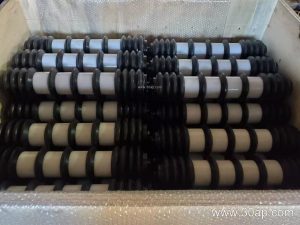
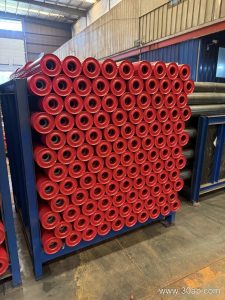
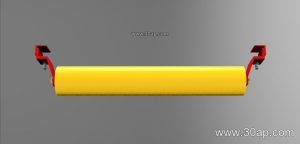
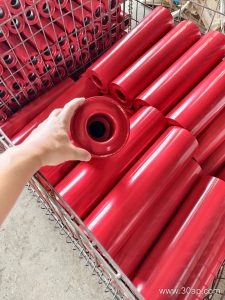
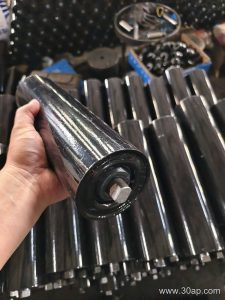
A Ø133 return idler is a 133 mm diameter roller mounted under the carrying run of a conveyor belt, where it supports the empty side of the belt on its way back to the tail end. In many plants the same item is simply called a 133 mm dia return roller or a lower carrying roller, and those names describe the same product. The diameter is the defining feature; the roller length, bearing size and mounting arrangement follow the belt width and the frame design.
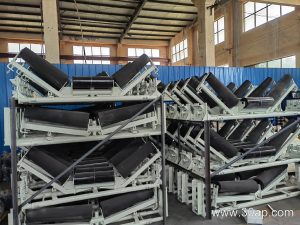
Return idlers are not the same as troughing idlers. Troughing sets sit on the loaded side and form the belt into a trough with two or three rolls at a given trough angle. Return idlers are usually flat, single-roll units, though V-shaped return sets and spiral return rollers are also common in dusty service. Drive pulleys, tail pulleys and bend pulleys are separate components and should never be ordered as substitutes for a return idler.
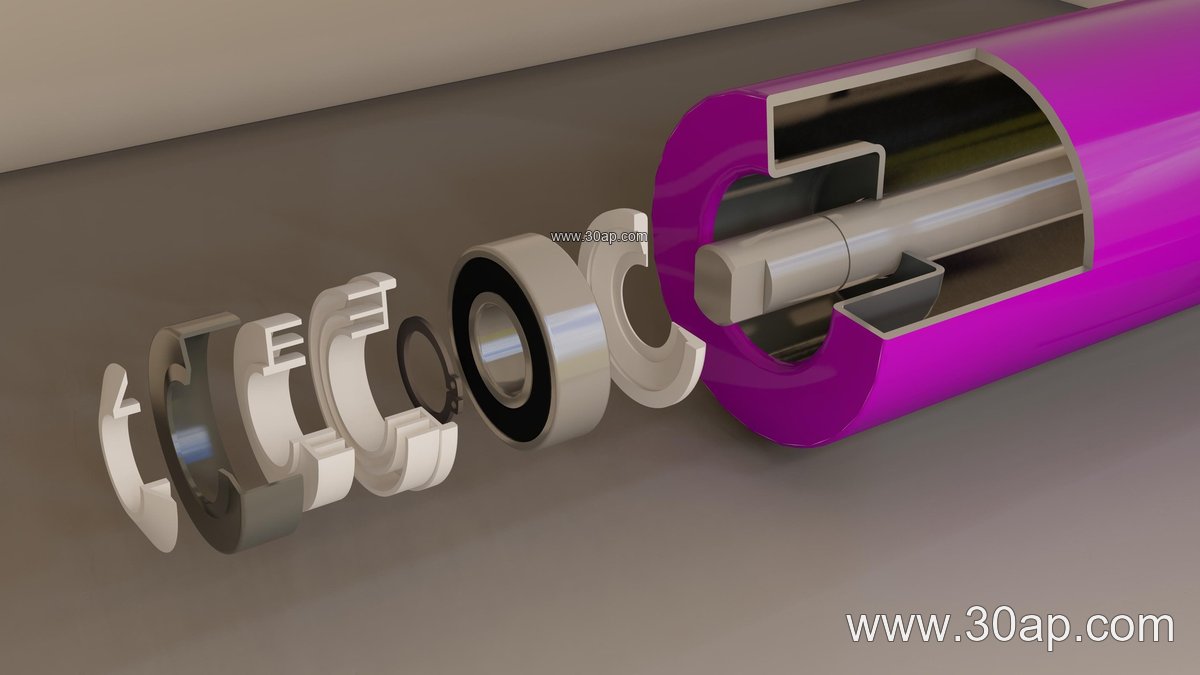
Construction and Typical Materials
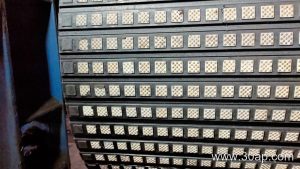
The body is normally a steel tube with machined end discs, fitted with sealed ball bearings in stamped or cast housings. Common bearing sizes for this class of roller include 6205, 6305, 6306 and 6308, but the correct bearing depends on load, speed and seal design rather than on diameter alone. Shell options include plain steel, nylon, ceramic and rubber-covered versions; rubber rings are useful where sticky material builds up on the shell.
Sealing is the detail that decides service life in a quarry or a coal handling plant. Labyrinth seals with a grease barrier are widely used, and triple-labyrinth designs are chosen where fine dust and water are present. Shaft ends are usually flattened or drilled to fit the conveyor bracket slots, and the bracket type must match the frame hole spacing.
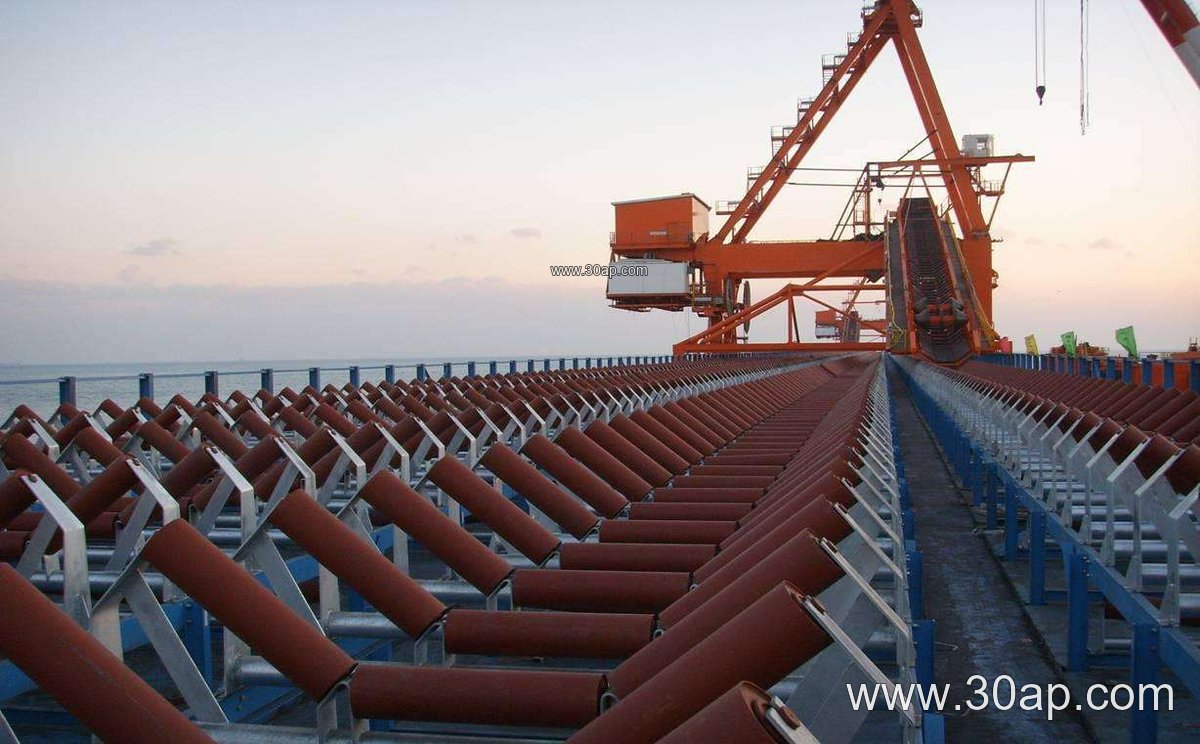
Where It Fits in the Line
Typical installations include the following:
- Aggregate and sand plant return runs, where abrasive dust shortens roller life
- Coal handling and washing plant conveyors using flame retardant belting
- Cement plant clinker and raw meal lines, where heat and fines are both present
- Power plant coal yards and limestone handling systems
- Iron ore, copper ore and other mineral processing circuits
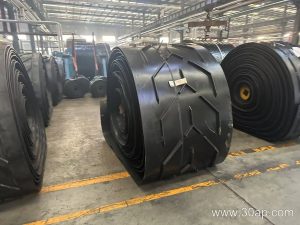
On a long overland conveyor with a heavy-duty mining conveyor belt, return idlers are spaced more closely near the tail and at loading points, and further apart on straight, lightly loaded sections. The spacing is set by belt sag limits and belt tension, not by a fixed rule for all belts.
Common Sizes and Reference Data
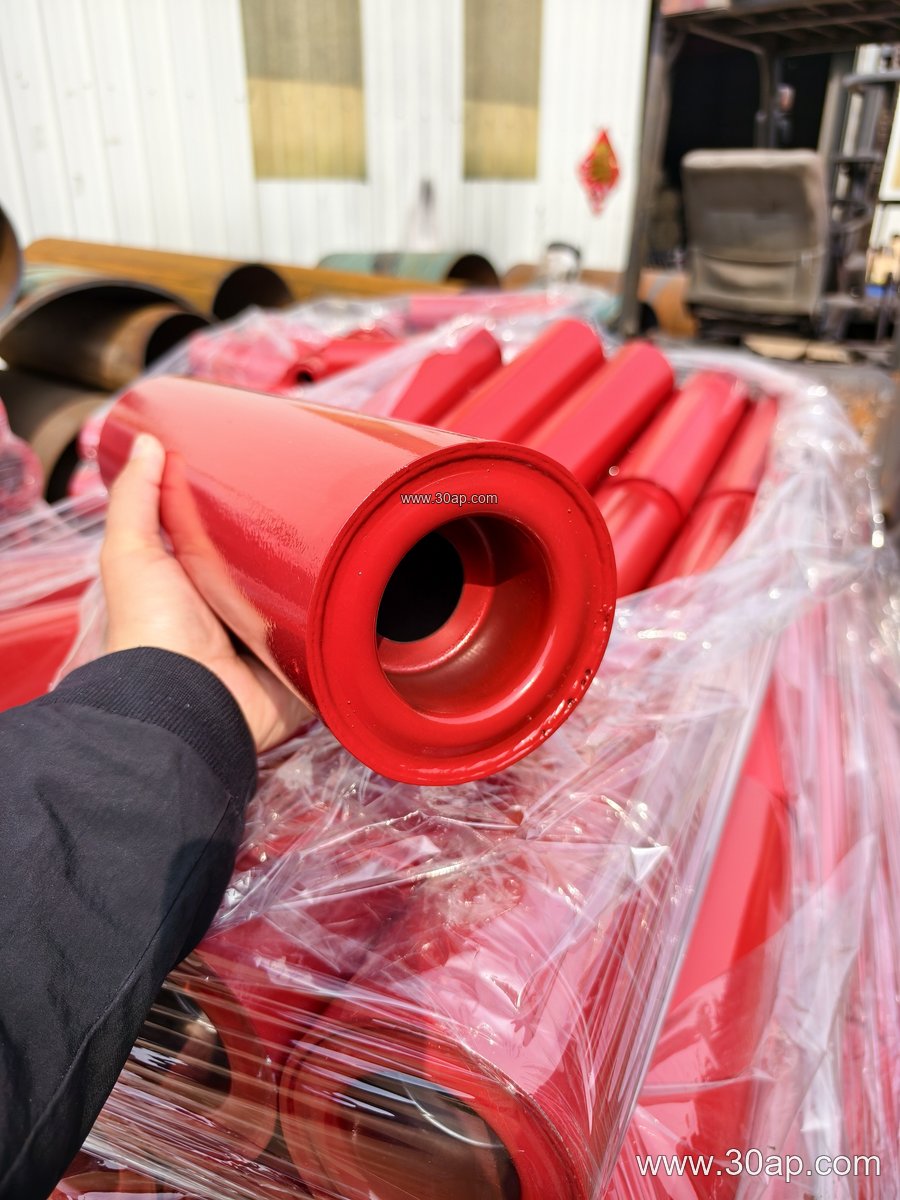
The table below gives reference values for return rollers in this diameter class. They are common examples, not fixed matches, and actual roller length should be confirmed against the belt width, trough angle and frame drawing.
| Reference item | Typical value |
|---|---|
| Roller diameter | Ø133 mm |
| Belt width range | B800 to B1600, with wider belts possible by design |
| Roller length examples | Approx. 315 mm for B800, 380 mm for B1000, 465 mm for B1200, 530 mm for B1400, 600 mm for B1600 |
| Shell material | Steel tube, nylon, ceramic or rubber ring |
| Bearing options | 6205, 6305, 6306, 6308 |
| Seal type | Labyrinth, triple labyrinth, grease packed |
Troughing sets on the same conveyor might use 20, 30, 35 or 45 degree trough angles, with 1.5 to 2 degrees of forward tilt on training idlers. None of those values changes the diameter of the return roller, but they do affect belt tracking and the loads carried by the return run.
Buyer Checklist
Before ordering, confirm the shaft diameter and the flat or drilled end style, the bracket slot size, the roller length from face to face, and the bearing and seal specification. Ask for the shell wall thickness, since a light tube wears through quickly under a high abrasion resistant conveyor belt in a crusher circuit. For dusty or wet service, specify a sealed bearing with a grease retention feature rather than an open type.
Check that the roller turns freely by hand and that the shaft is straight. A binding roller will flat-spot the belt and can cause mistracking. On a pipe conveyor belt or a corrugated sidewall belt, return idler selection must also account for the belt profile and any cleats, so the roller should not contact raised features.
Finally, keep a small spare stock of the most-used size on site. A failed return roller is a cheap part that can stop a whole transfer line, and matching the existing bracket and shaft end saves fitting time during a shutdown.