What an Anti-Sticking Idler Does
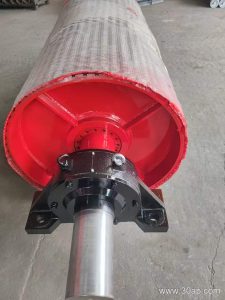
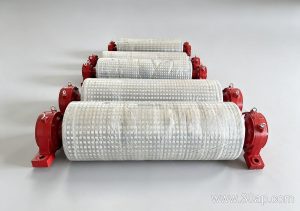
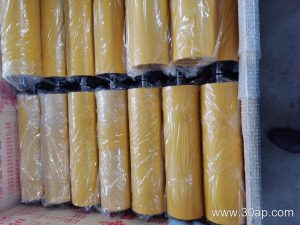
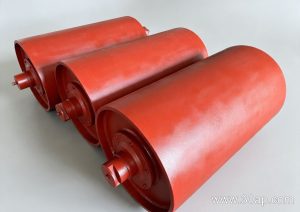
An anti-sticking idler is a carrying or return roller designed so that wet, clay-like, or sugary bulk material releases from the roller shell instead of wrapping around it. On a normal steel idler roller, fine damp cargo such as washed sand, filter cake, coal slurry fines, or fertilizer granules can build up a crust. That crust changes the roller profile, causes belt tracking drift, and adds vibration. The anti-sticking idler addresses this by combining a non-adherent shell surface with a scraper-friendly profile and sealed bearings that keep grit out of the rotating parts.
The item is also sold as a non-stick conveyor roller or a self-cleaning idler, and these names describe the same product. It is a roller, not a pulley: a conveyor pulley at the drive, tail, or bend position performs a different job, and the two are never swapped.
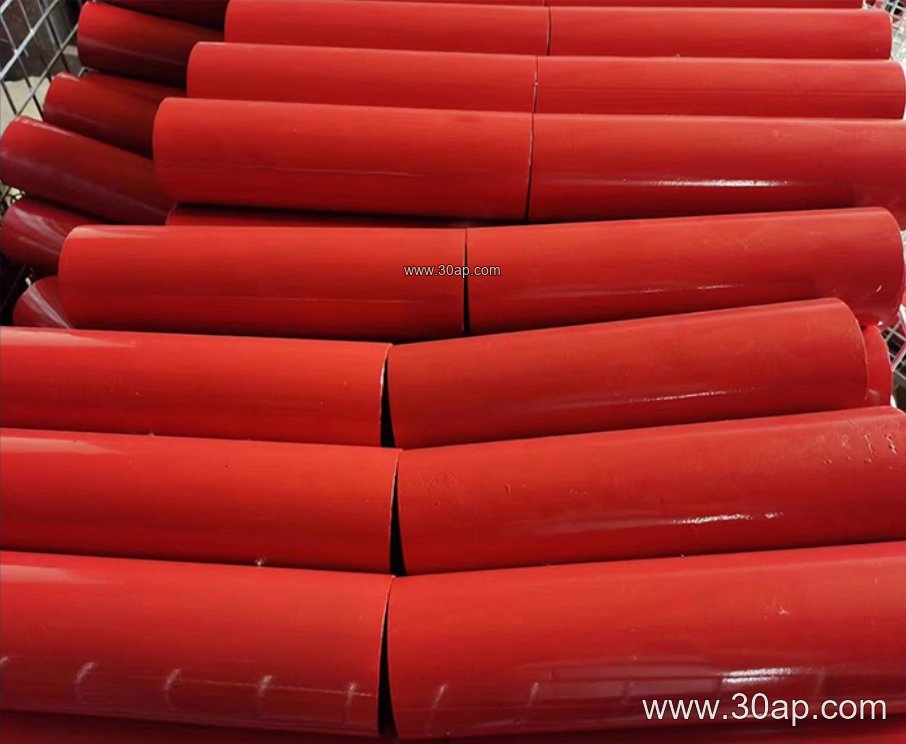
How the Roller Is Built
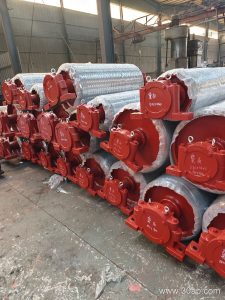
Most designs start with a steel tube body, then add a low-friction cover. Common surface forms include nylon sleeving, ceramic tiles set in rubber, and plain rubber rings. The cover reduces the contact angle between the sticky cargo and the shell, so material sheds as the belt leaves the roller. Some versions add a helical rubber flight or a segmented ring pattern that breaks the crust mechanically.
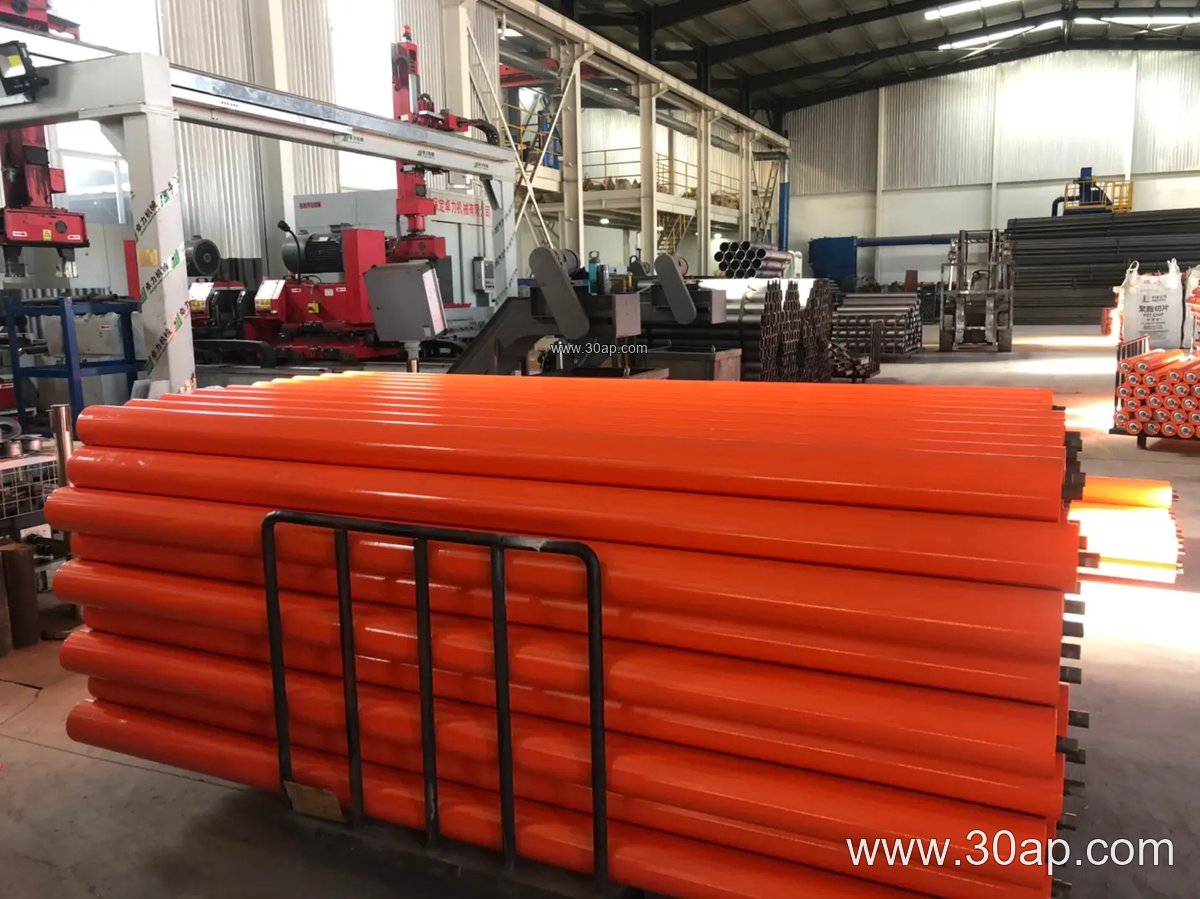
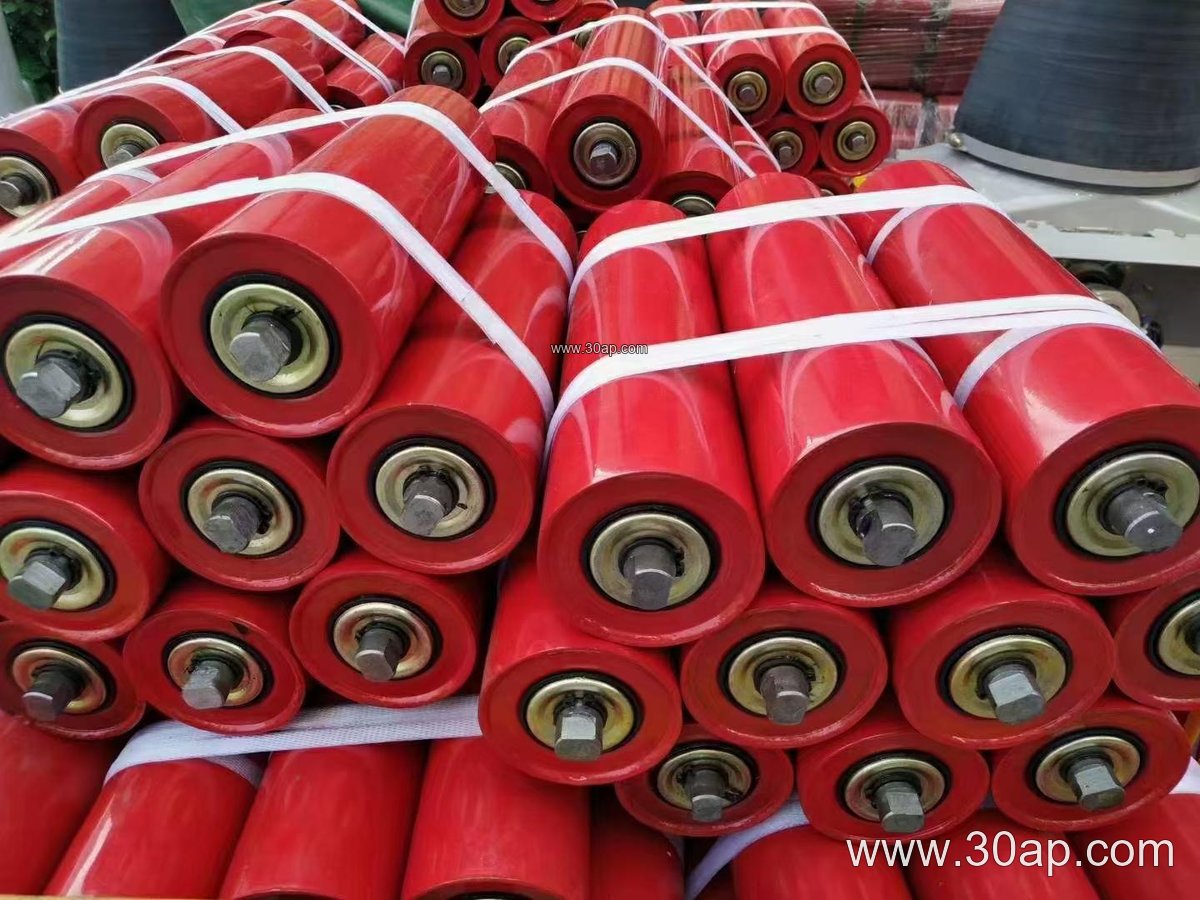
Bearing protection matters as much as the surface. Typical bearing seats use 6204, 6205, 6305, 6306, 6308, or 6310 deep-groove ball bearings, matched by the manufacturer to the shaft and load rather than fixed to one shell diameter. A multi-stage labyrinth seal, plus a grease-filled cavity, keeps cement dust and wet fines away from the raceways. Shaft ends normally sit in a conveyor bracket with a slot or bolt pattern chosen for the frame.
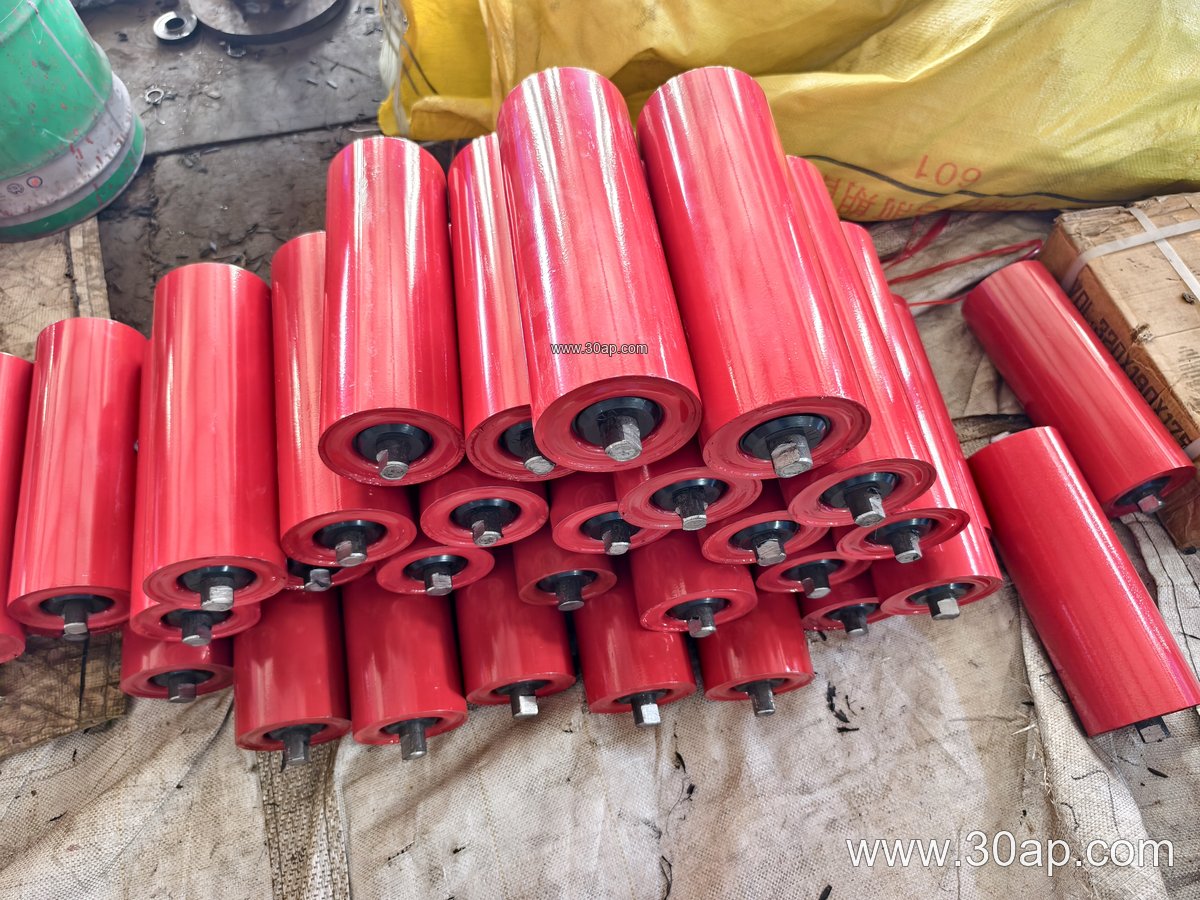
Common reference dimensions
The table below lists reference values only. Actual roller length follows belt width, trough angle, and the roller set arrangement, and side rollers may differ from the centre roller.
- Roller diameter options: Ø63, Ø76, Ø89, Ø102, Ø108, Ø127, Ø133, Ø159, Ø178, Ø194, Ø219 mm
- Belt width range: B400, B500, B650, B800, B1000, B1200, B1400, B1600, B1800, B2000, B2200, B2400
- Trough angles: 20, 30, 35, and 45 degrees; a forward tilt of about 1.5 to 2 degrees appears on self-aligning versions
- Roller shell: steel tube, nylon, ceramic, or rubber ring
Where It Fits on the Conveyor
Anti-sticking rollers are usually placed in the carrying run where the belt is loaded, and in the return run where fines cling to the belt cover. Typical installations include a stone crushing and screening line handling washed aggregate, a cement plant moving damp raw meal, a coal washing plant, a fertilizer granulation unit, and a power plant coal yard during the rainy season. In a quarry or sand and gravel plant, the roller often sits just after the discharge point, where the belt is still tacky.
For comparison, a standard troughing idler set with three rolls and a 35 degree trough angle handles dry, free-flowing cargo well. A buffer idler with rubber rings is chosen for impact at the load point. Those are different duties; the anti-sticking roller is selected specifically for release behaviour, not for impact absorption.
Buyer Checklist
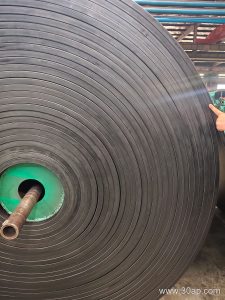
Before ordering, confirm the belt width, the trough angle, the roller diameter, and the mounting bracket type. Ask how the cover is bonded, since a poorly bonded nylon or ceramic layer can peel under wet conditions. Confirm the seal design and bearing number, and state the ambient temperature and whether the cargo is oily, abrasive, or chemically active. A conveyor belt such as an abrasion resistant conveyor belt, a heat resistant conveyor belt, or a flame retardant conveyor belt may need a different roller cover compound, so share the belt specification with the roller supplier.
Also check the roller length against the frame, and remember that a given belt width does not dictate one pulley diameter or one shaft size. Shaft diameter is set by load calculation. During maintenance, inspect for crust formation, check that the roller turns freely by hand, and re-grease sealed types at the interval recommended for the site. Replacing a wrapped roller early is cheaper than tracking damage to the belt edge.