What Is a Five-Roll Idler Bracket?
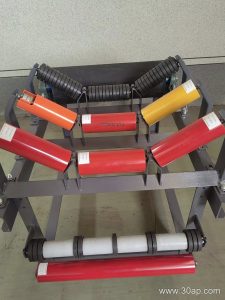
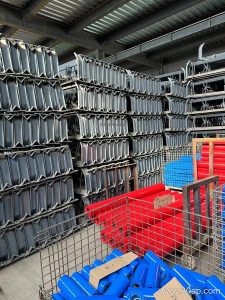
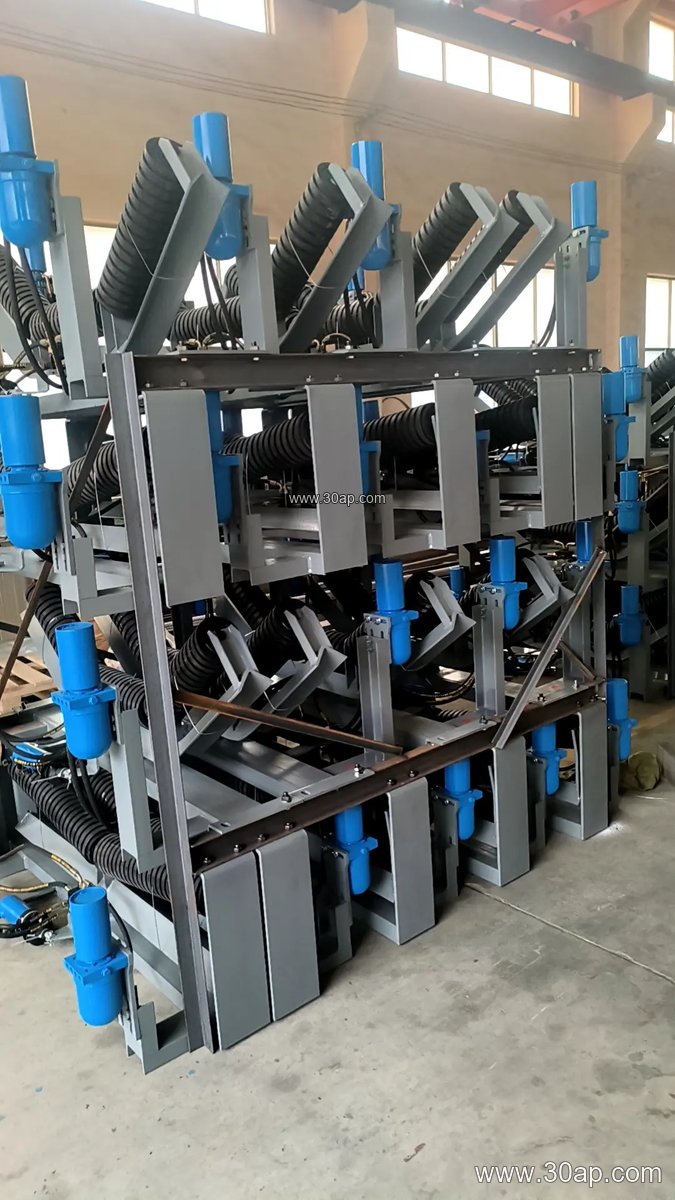
A five-roll idler bracket is a specialized support frame that holds five idler rollers in a specific arrangement to shape and guide the conveyor belt. Unlike standard three-roll troughing sets, this bracket uses two additional rolls to create a deeper, more supportive trough profile—often needed when handling high-capacity loads or wide belts in demanding environments such as coal mining, cement plants, or iron ore operations. The bracket itself is typically fabricated from angle steel, channel steel, or bent steel plate, and it is designed to keep the idler rollers at the correct angles while withstanding the forces from the moving belt and material load.
Construction and Key Components
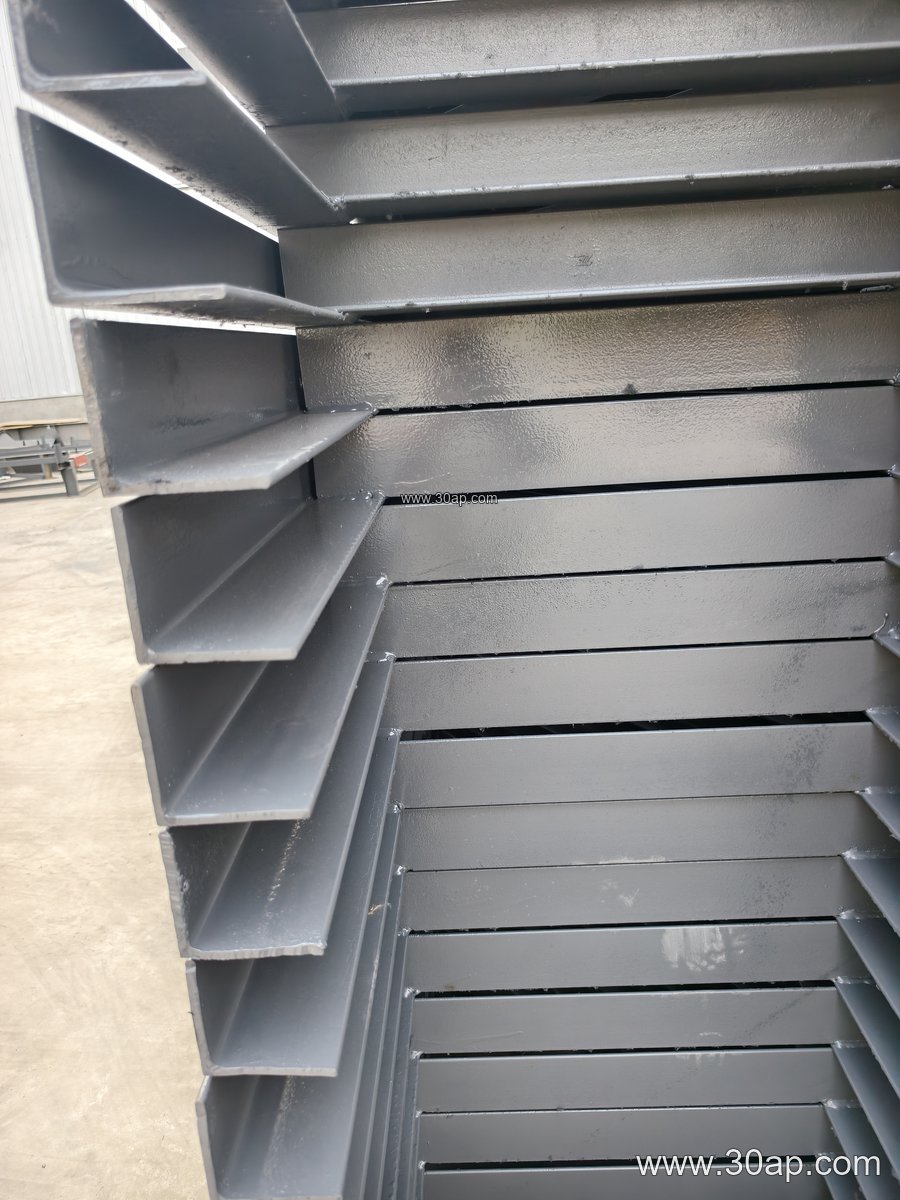
The five-roll idler bracket consists of a main crossbeam, side supports, and mounting plates that secure the idler rollers. The arrangement usually includes a central horizontal roll, two intermediate angled rolls, and two outer rolls at a steeper angle. This configuration improves belt centering and reduces material spillage. Common materials include:
- Angle steel frames for moderate loads
- Channel steel for heavy-duty applications
- Bent steel plate for compact designs
The bracket may be fixed or adjustable. Adjustable versions allow the trough angle to be set between 20 and 45 degrees, which helps optimize belt contact and material containment. Idler roller diameters typically range from Ø89 to Ø194, and belt widths from B500 to B2200, though specific combinations depend on the conveyor design.
Where It Is Used
Five-roll idler brackets are common in bulk material handling where belt stability and load support are critical. Typical installations include:
- Coal mining and underground coal mining conveyors
- Cement plants and limestone quarries
- Iron ore and copper ore processing lines
- Power plant coal handling systems
- Port ship loading and unloading conveyors
In these settings, the bracket works alongside the conveyor belt to maintain a deep trough, especially when transporting heavy or abrasive materials. For example, a B1200 belt with 45-degree trough angle and Ø133 idler rollers might use a five-roll bracket to reduce belt sag and improve tracking. The bracket is not a replacement for drive pulleys, tail pulleys, or bend pulleys—those serve different functions in the conveyor system.
Selection and Sizing Considerations
Choosing the right five-roll idler bracket involves matching the bracket to the belt width, trough angle, and idler roller diameter. The table below shows common reference combinations, but these are not mandatory or universal specifications:
| Belt Width (mm) | Typical Trough Angle (degrees) | Idler Roller Diameter (mm) | Bracket Material |
|---|---|---|---|
| B650 | 30 | Ø89 | Angle steel |
| B800 | 35 | Ø108 | Channel steel |
| B1000 | 35 | Ø133 | Channel steel |
| B1200 | 45 | Ø133 | Bent steel plate |
| B1400 | 45 | Ø159 | Bent steel plate |
| B1600 | 45 | Ø194 | Channel steel |
Installation hole spacing and crossbeam length vary with belt width and trough angle, so these should be confirmed with the conveyor designer. For heavy-duty mining conveyor belts or high abrasion resistant conveyor belts, a robust bracket made from channel steel is often preferred. In coal mining, flame retardant conveyor belts are common, and the bracket must be compatible with the idler rollers used in such environments. The bracket also plays a role in maintaining proper alignment with the conveyor pulley and other components.
Buyer’s Checklist
Before purchasing a five-roll idler bracket, consider the following:
- Verify the belt width and trough angle required for your conveyor.
- Check the idler roller diameter and mounting dimensions.
- Confirm the bracket material and finish suit the environment (e.g., corrosive, abrasive, or wet conditions).
- Ensure the bracket design allows for easy idler roller replacement and maintenance.
- For adjustable brackets, confirm the adjustment range covers your operating needs.
Five-roll idler brackets are a practical solution for conveyors that need extra belt support and material containment. By understanding the bracket’s construction, typical applications, and sizing factors, buyers can select a component that integrates smoothly with their conveyor belt, idler rollers, and pulley system. For more information on related conveyor components, visit our conveyor belt and idler roller pages.