What Is a Conveyor Equipment Idler
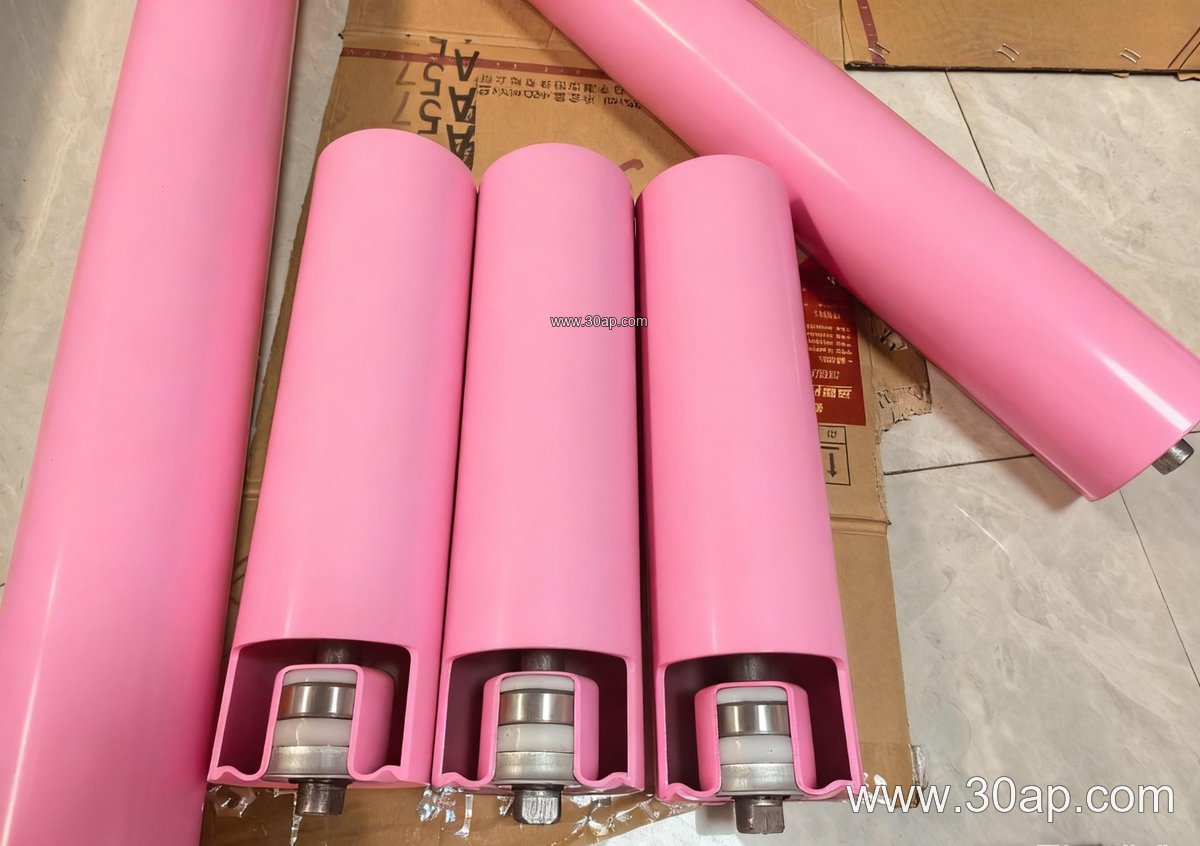
A conveyor equipment idler is the rotating component that supports the conveyor belt along its carrying and return runs. Often called an idler roller, it consists of a steel tube, bearing housings, shaft, and seals. In a typical conveyor system, idlers are mounted on a conveyor bracket or frame at regular intervals. They keep the belt in shape, reduce friction, and help maintain proper belt tracking. Without reliable idlers, even a high-quality conveyor belt would sag, wear prematurely, and consume more power.
Construction and Key Components
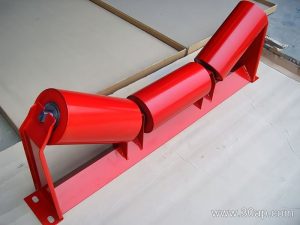
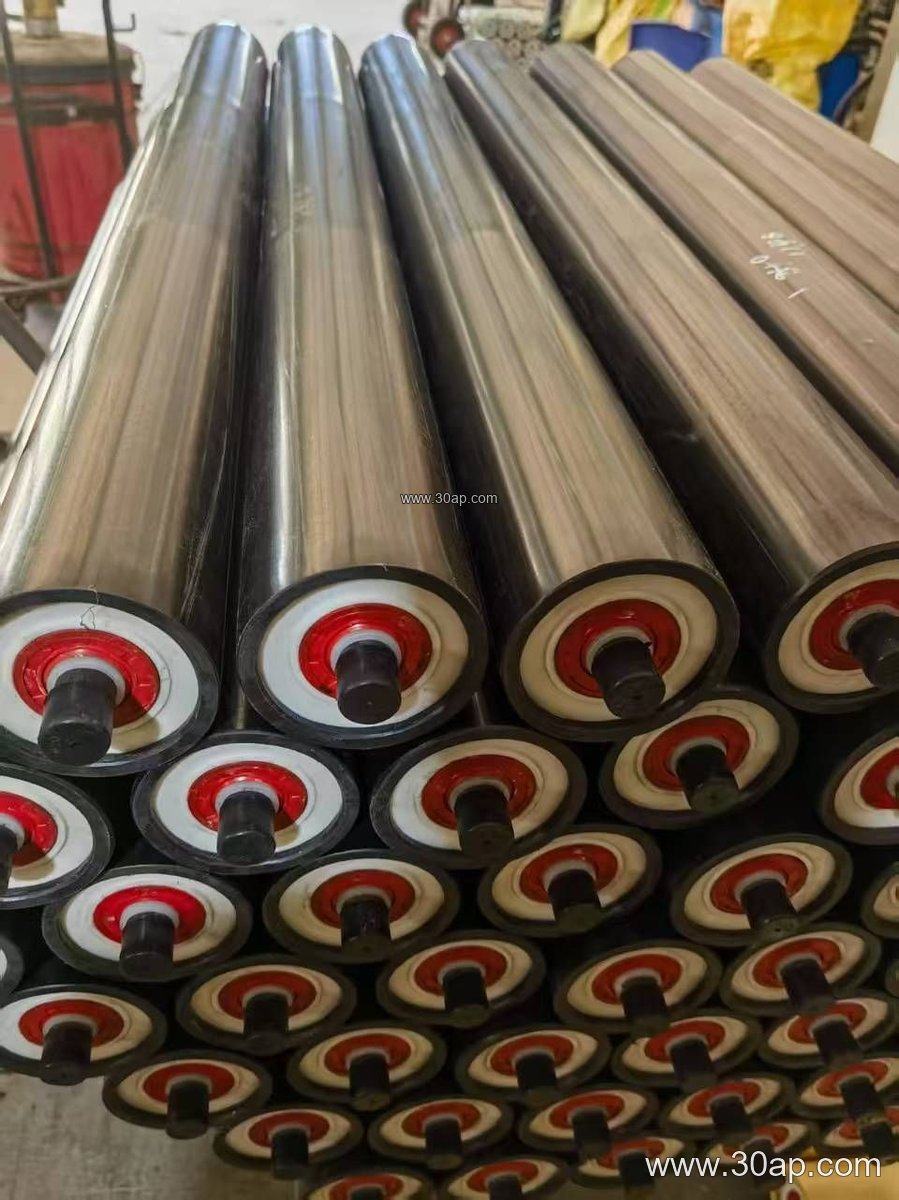
Most idlers share a common structure. The roller shell is usually made from steel pipe, though nylon, ceramic, or rubber-covered surfaces are available for specific duties. Inside, deep groove ball bearings such as 6204, 6205, 6305, 6306, 6308, or 6310 are common, depending on load and speed. A labyrinth seal or contact seal protects the bearing from dust and moisture. The shaft is fixed to the frame, and the roller rotates around it. The idler’s length depends on belt width, trough angle, and the idler arrangement. For instance, a three-roll troughing set on a B800 belt may use rolls around 315 mm long, while a B1200 set often uses rolls near 465 mm. These are typical examples, not fixed rules; side rolls and center rolls can differ.
Common Types and Their Roles
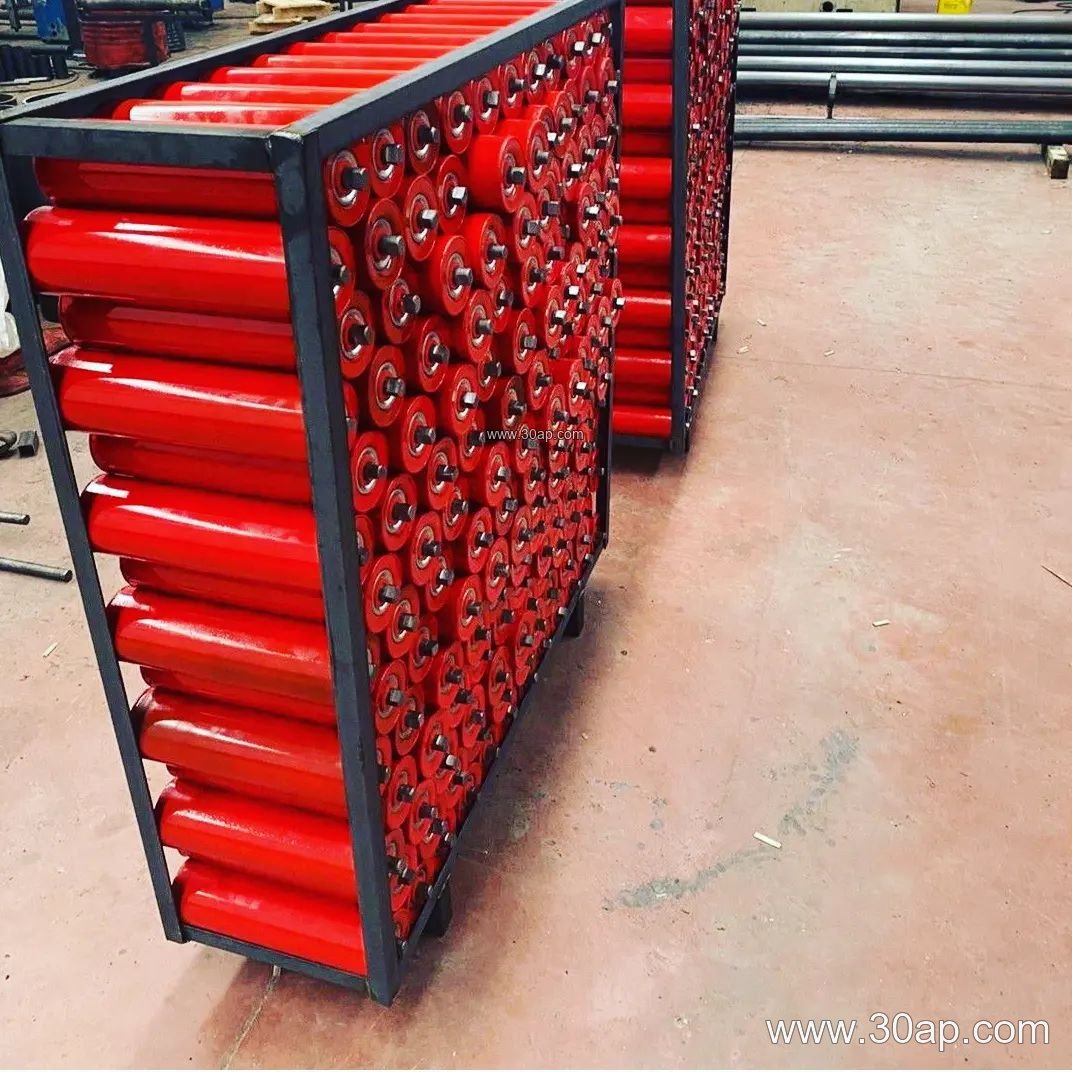
Idlers come in several designs, each suited to a specific position on the conveyor. Troughing idlers, also called carrying idlers, support the loaded belt and form a trough that keeps bulk material centered. A three-roll troughing set is widely used, with trough angles of 20, 30, 35, or 45 degrees. Return idlers support the empty belt on the lower run; flat return idlers and V-return idlers are common choices. Impact idlers, often fitted with rubber rings, absorb shock at loading points. Training idlers, including friction and tapered types, help correct belt misalignment. Spiral idlers are sometimes used where material stickiness is a concern. Each type has a distinct role, and none should be confused with drive, tail, or bend pulleys, which transmit power or change belt direction rather than support the belt.
Where Conveyor Idlers Are Used
Idlers appear in almost every bulk handling operation. In a quarry or aggregate plant, they support belts moving crushed stone and sand. In a coal washing plant or power plant coal yard, they carry coal along the conveyor route. Cement plants rely on idlers for clinker and raw meal transport. Port terminals use them on ship loading and unloading conveyors. Other applications include iron ore and copper ore handling, fertilizer plants, and tunnel muck removal. The working environment often dictates the idler design: dusty conditions call for effective seals, while high-abrasion service may favor thicker roller walls or rubber-covered surfaces.
Matching Idlers to Belt Width and Trough Angle
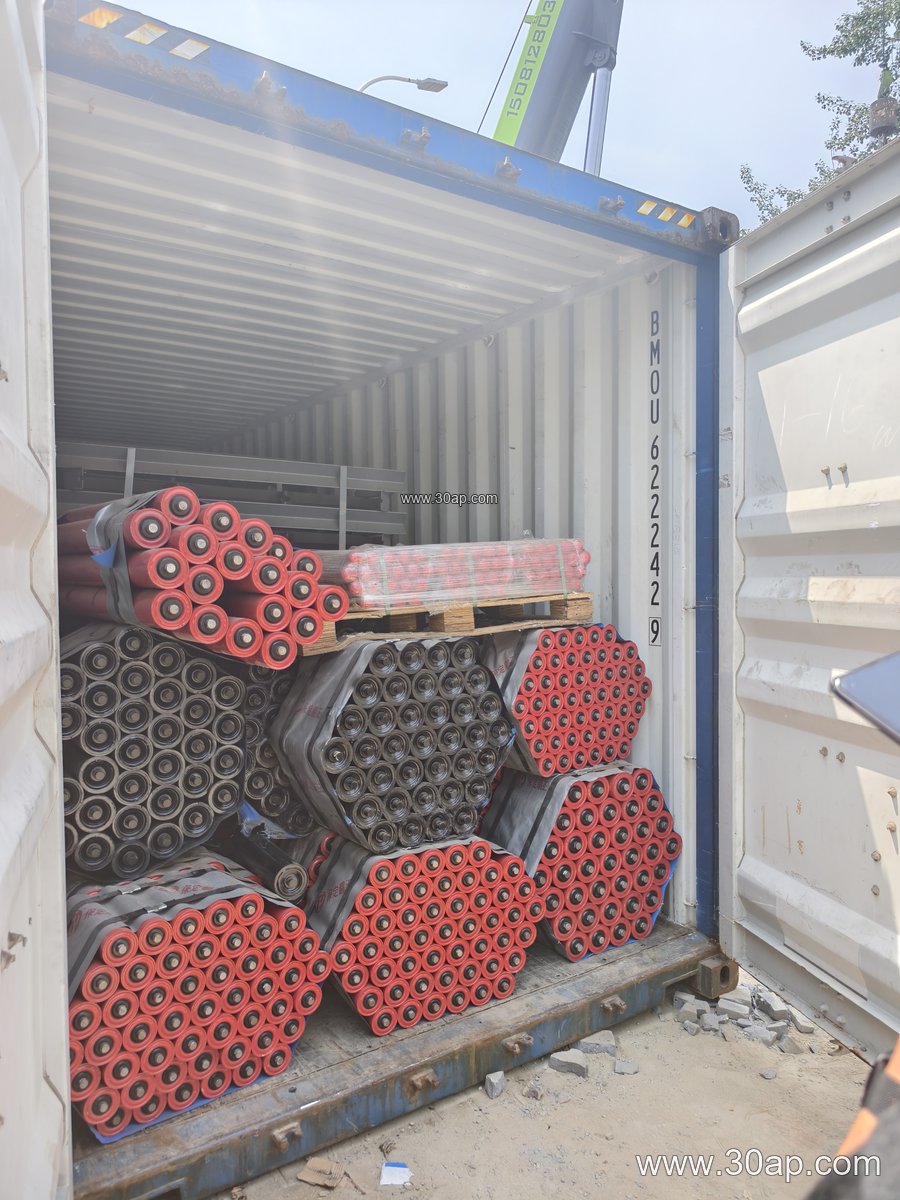
Selecting an idler starts with the conveyor belt width and the required trough angle. Common belt widths include B500, B650, B800, B1000, B1200, B1400, B1600, B1800, B2000, B2200, and B2400. Roller diameters range from about Ø63 mm to Ø219 mm, with Ø89, Ø108, Ø127, Ø133, and Ø159 being frequently seen. The table below gives typical roll lengths for three-roll troughing sets; actual values depend on the idler manufacturer and conveyor design.
| Belt Width | Typical Roll Length (three-roll troughing) |
|---|---|
| B500 | approx. 200 mm |
| B650 | approx. 250 mm |
| B800 | approx. 315 mm |
| B1000 | approx. 380 mm |
| B1200 | approx. 465 mm |
| B1400 | approx. 530 mm |
| B1600 | approx. 600 mm |
| B1800 | approx. 670 mm |
| B2000 | approx. 750 mm |
Note that side rolls and center rolls may have different lengths, and a single belt width can be paired with more than one pulley diameter. Shaft diameter is determined by load and design, not by belt width alone.
Buyer Checklist for Conveyor Equipment Idlers
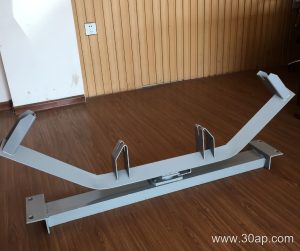
Before ordering idlers, confirm the belt width, trough angle, and the idler’s position on the conveyor. Check the roller diameter and shell material against the duty: steel for general use, rubber rings for impact, ceramic or nylon where buildup or wear is an issue. Ask about bearing size and sealing arrangement, especially in dusty or wet environments. Verify the shaft and bracket dimensions to ensure compatibility with the existing conveyor frame. Consider the operating conditions: a coal mining conveyor belt may require flame retardant properties, while a heat resistant conveyor belt in a cement plant may need idlers that tolerate elevated temperatures. Finally, request a drawing or dimension sheet for the exact idler model, as small differences in roll length or shaft ends can affect installation.
Maintenance and Troubleshooting
Regular inspection keeps idlers running smoothly. Listen for squealing or grinding, which may indicate bearing wear. Check for seized rollers, damaged seals, or material buildup on the shell. Misaligned idlers can cause belt edge damage; training idlers should be adjusted according to the manufacturer’s instructions. Replace worn idlers promptly to avoid belt tracking problems and unnecessary power draw. Keeping a small stock of common sizes on hand reduces downtime in continuous operations such as power plant coal handling or quarry aggregate lines.