What an 800mm Drive Pulley Does
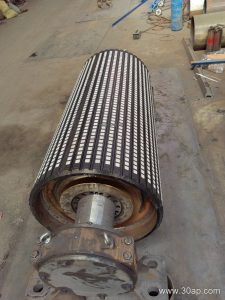
An 800mm drive pulley is the head-end drum that transmits torque from the gearbox to the conveyor belt and sets the belt speed on a working conveyor line. In many layouts the same drum also acts as the head or discharge pulley, so the material leaves the belt just past the pulley face. Although it is often called a head drum, the accurate equivalent name is drive pulley, and it should not be confused with a tail pulley, a bend pulley or a tension pulley, which perform different duties.
The 800mm figure refers to the drum diameter, not the belt width. A drive drum of this diameter may run with several belt widths depending on the duty, and the face width is normally wider than the belt so the belt is supported across its full width. A B800 belt typically calls for a face around 950 mm, but the diameter itself is set by torque, wrap angle and belt tension rather than by width alone.
Construction Details That Matter
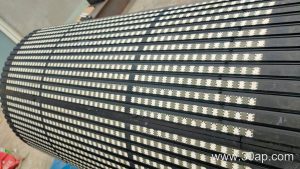
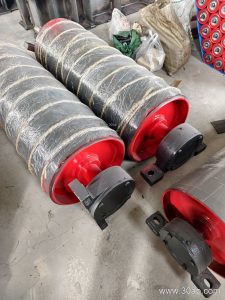
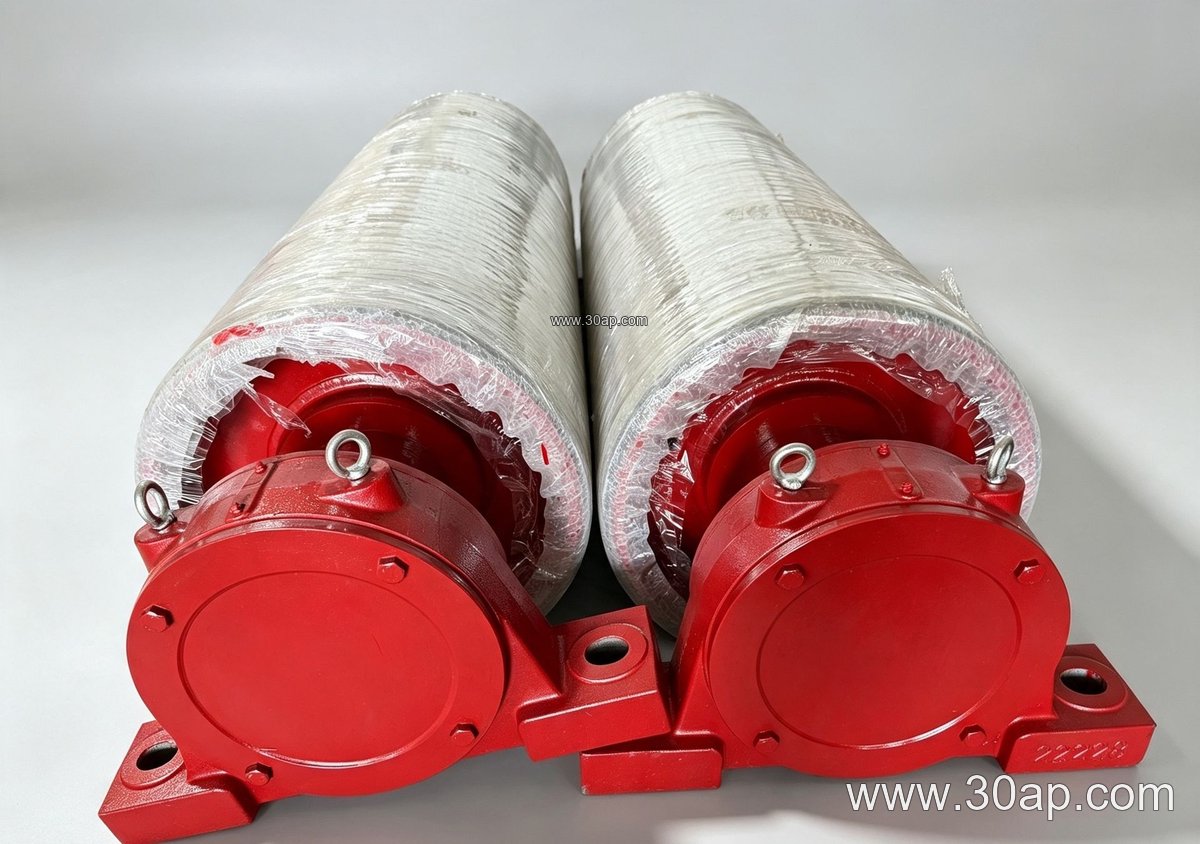
A drive pulley of this size is usually built from a rolled steel shell, welded end discs and a shaft sized for the drive torque. The shell may be machined and lagged, and the lagging is what actually grips the belt. Common lagging options include plain rubber, diamond grooved rubber, herringbone rubber, ceramic tiles and hot vulcanized or cold bonded rubber sheet, with thicknesses often seen at 8, 10, 12, 15 or 20 mm. Ceramic lagging is a frequent choice where the drum must keep grip on a wet or dusty belt, while plain or diamond lagging suits cleaner duty.
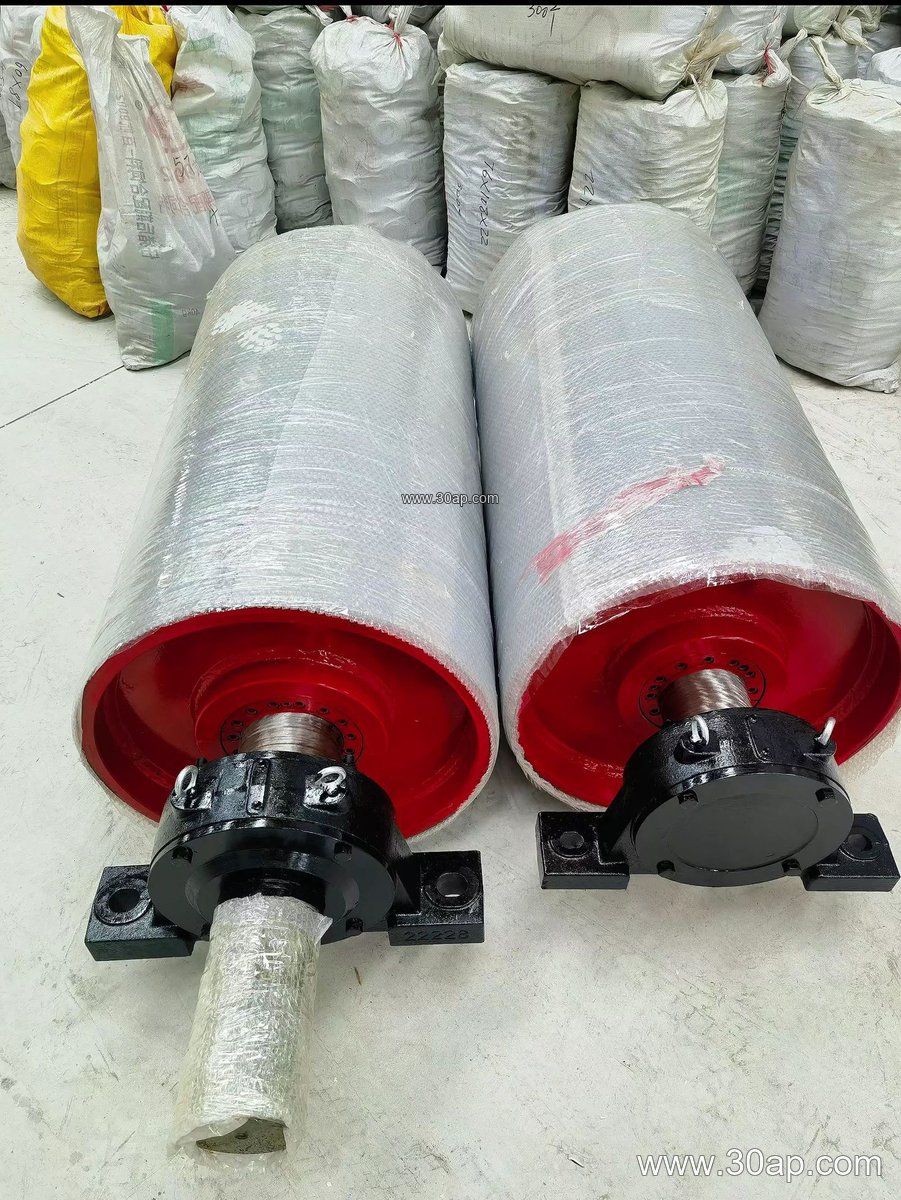
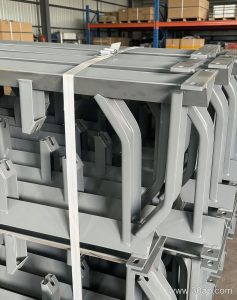
The shaft diameter is determined by torque and bearing load, not by belt width. Typical shaft sizes in this class range from about Ø80 to Ø200, and the final value should come from the conveyor design calculation. Bearings, bearing housings and the connection to the gearbox coupling all need to match the selected shaft and the frame arrangement. A conveyor bracket at each side carries the bearing assembly and must be aligned so the pulley axis stays square to the belt path.
Common Service Conditions
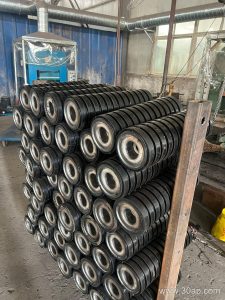
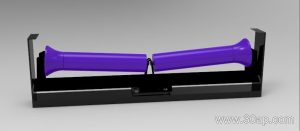
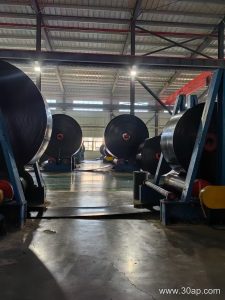
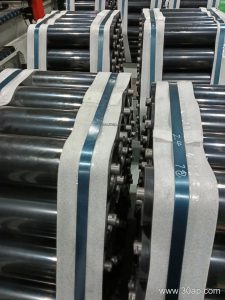
This diameter appears in mid-capacity bulk handling work. You will see it on a quarry conveyor belt moving crushed stone, in a cement plant feeding clinker to a transfer point, in a power plant coal handling line, and in a sand and gravel plant where the belt carries aggregate from a crusher. In these settings the drum often works with an abrasion resistant conveyor belt or a multi-ply fabric core belt such as an EP conveyor belt rated EP200 or EP400, and the surrounding hardware includes idler rollers and a sturdy conveyor bracket.
Where the line runs underground or in a coal preparation plant, flame retardant and anti-static belt grades are usual, and the drive pulley should be specified together with the belt so that friction, wrap angle and starting torque are considered as one system. In dusty or wet conditions, lagging choice and drainage around the drum matter more than a small change in face width.
Dimensions and Reference Parameters
Values below are common reference ranges, not fixed combinations. Final sizes are set by the conveyor design.
- Drum diameter: Ø800 mm (the subject of this article)
- Belt widths often used with this class: B650, B800, B1000, B1200
- Face width for B800: about 950 mm; for B1000: about 1150 mm; for B1200: about 1400 mm
- Lagging thickness: 8, 10, 12, 15 or 20 mm
- Shaft diameter: commonly Ø80 to Ø200, by torque calculation
- Surface forms: plain, diamond grooved, herringbone, ceramic, hot vulcanized rubber
Buyer Checklist
Before ordering, confirm the belt width, the required face width, the calculated shaft diameter, the lagging type and thickness, the bearing type, and the mounting dimensions of the conveyor bracket. State the belt speed and the starting conditions, because a drive pulley with ceramic lagging behaves differently from a plain drum when the belt is wet. Ask for the balancing grade and the runout tolerance, and check that the shaft key and coupling match the gearbox. If the drum also serves as a discharge point, confirm the chute clearance and the material trajectory.
Finally, keep the subtype clear in the purchase document. An 800mm drive pulley is a driving drum, not a tail drum or a bend drum, and supplying the wrong subtype causes alignment and tension problems that no amount of lagging will fix. Matching the drum to the belt, the idler rollers and the frame is the practical way to keep a conveyor line running.