What a Steel Plant Conveyor Pulley Does
A steel plant conveyor pulley is the rotating drum that turns a conveyor belt, sets its tension, and keeps it tracking through the material handling route. In a sinter plant, a coke yard, or a finished-product transfer line, the same basic component appears at the head, tail, and intermediate bend points, though each position asks something different of the drum. The steel plant conveyor pulley is built to survive dust, heat, and heavy loads, and that is why buyers treat it as a wear-critical part rather than a simple accessory.
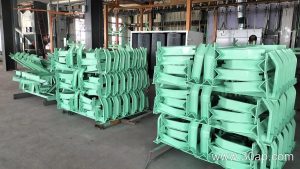
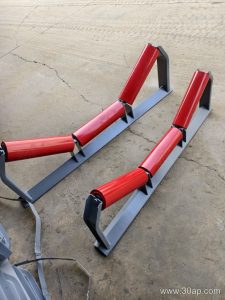
The drum works together with the conveyor belt, idler roller, and conveyor bracket system. A well-matched pulley keeps the belt centred, reduces slip, and protects the splice from unnecessary stress.
How the Drum Is Built
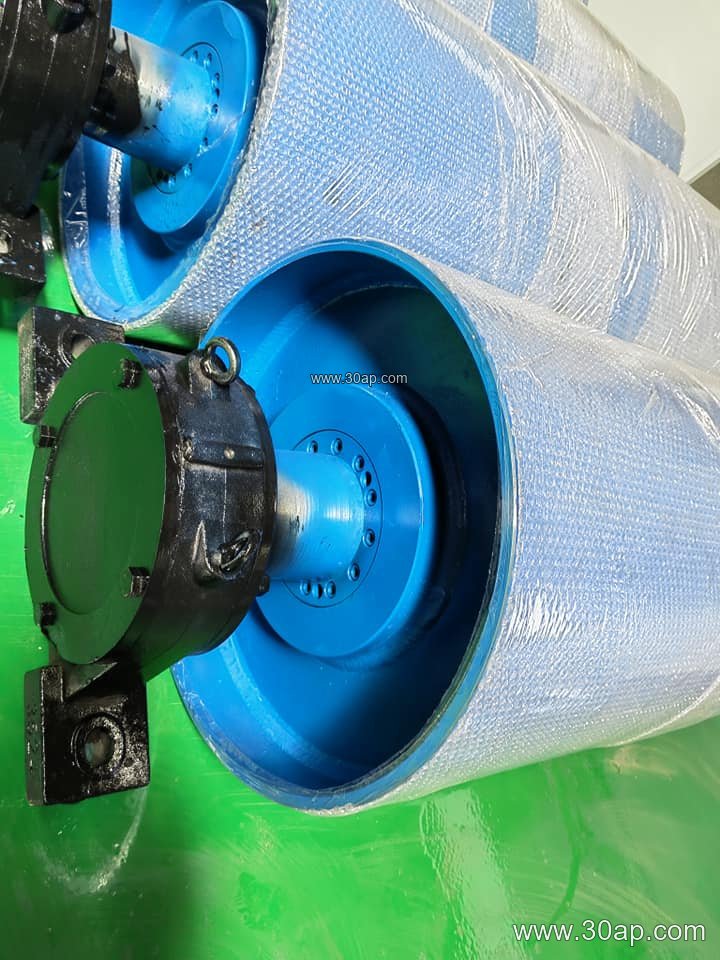
Most units combine a steel shell, two end discs, a shaft, and a locking assembly. The shell is welded to the discs, then machined so the face runs true. The shaft is sized by torque and bearing load, not by belt width alone, so a given belt width may see several shaft diameters depending on drive power and load. Common shaft diameters include Ø80, Ø100, Ø120, Ø140, and Ø160, and larger sizes are used on heavily loaded drives.
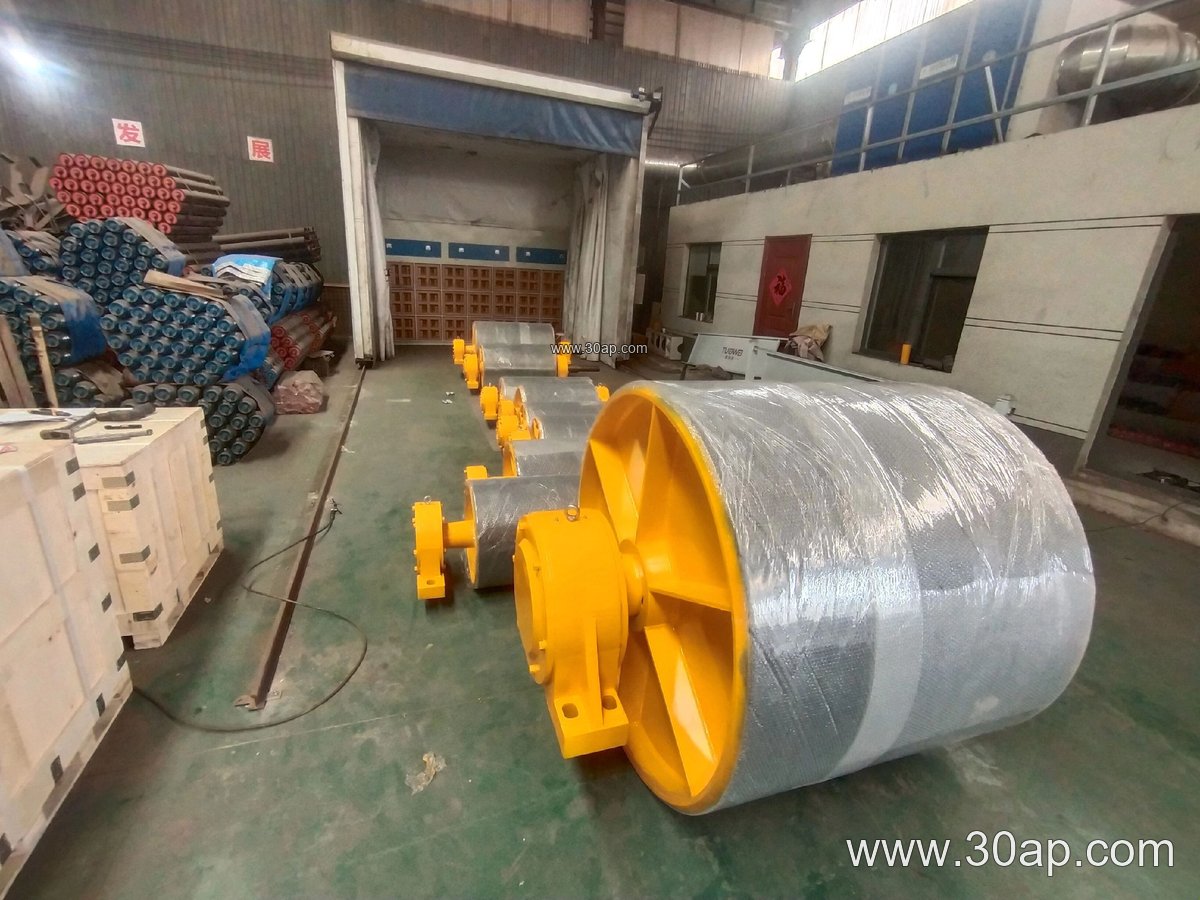
Surface treatment matters as much as the shell. Plain, cast rubber, cold-bonded rubber, hot-vulcanised rubber, diamond, herringbone, and ceramic lagging each solve a different grip or wear problem. Lagging thickness is commonly 8, 10, 12, 15, or 20 mm, chosen for the duty rather than picked from a catalogue by default.
Drive, Tail, and Bend Positions
The drive pulley transmits power and needs reliable traction, so lagging choice is central. A head or discharge pulley also sheds material and guides the belt into the chute. The tail pulley sets the return side and often carries a self-cleaning or wing profile to stop fines building up. A bend pulley changes belt direction without driving the belt, so its load and lagging needs differ from the drive drum. These roles are not interchangeable, and a buyer should specify the position clearly when ordering.
Typical Sizes and Surface Forms
Diameters commonly run from Ø200 up to Ø1800, with belt widths from B400 to B2400. Face width is normally a little wider than the belt, for example B650 with a face near 750 mm, or B1200 with a face near 1400 mm. Useful combinations include B800 × Ø500, B1200 × Ø1000, and B1400 × Ø800. The table below is reference data only, not a fixed match rule.
| Belt Width | Usual Face Width | Example Diameter | Example Shaft |
|---|---|---|---|
| B500 | about 600 mm | Ø315 | Ø60 |
| B650 | about 750 mm | Ø400 | Ø70 |
| B800 | about 950 mm | Ø500 | Ø80 |
| B1000 | about 1150 mm | Ø630 | Ø100 |
| B1200 | about 1400 mm | Ø1000 | Ø120 |
| B1400 | about 1600 mm | Ø800 | Ø140 |
| B1600 | about 1800 mm | Ø1250 | Ø160 |
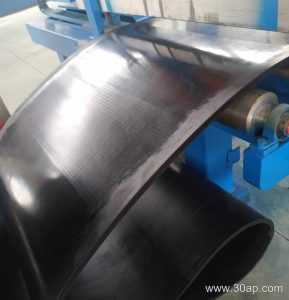
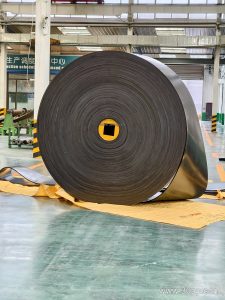
For heavy iron ore or sinter duty, a steel cord conveyor belt may run over the same drum, so the pulley face and lagging should be checked against belt stiffness and load. In coal handling areas, a flame retardant conveyor belt is common, and the drum should not undo that safety intent through poor tracking.
Where Steel Plant Conveyor Pulleys Are Used
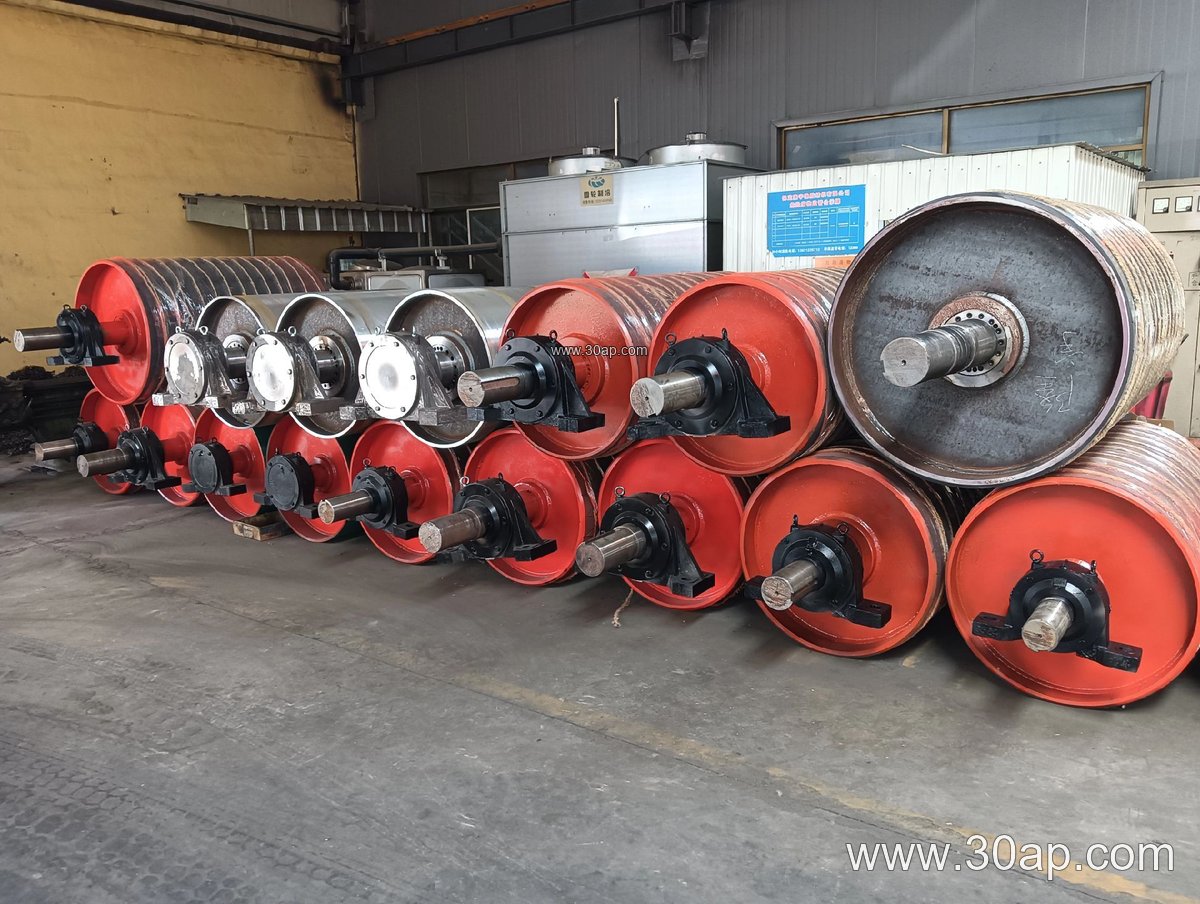
These drums appear in sinter plants, coke yards, pelletising lines, and finished steel transfer systems. They also work in power plant coal yards, cement plants, and quarry or aggregate lines where the same heavy-duty demands apply. In each case the pulley must match the belt type and the environment, whether that is an abrasion resistant conveyor belt on ore or a heat resistant conveyor belt near hot material.
For more on matching belts and drums, see conveyor pulley and steel cord conveyor belt references, or check EP conveyor belt options for lighter fabric-core duty.
What Buyers Should Check
- Position and duty: drive, tail, or bend, with the expected power and belt tension.
- Belt width and face width, keeping the drum slightly wider than the belt.
- Shaft diameter set by torque and bearing load, not a guessed figure.
- Lagging type and thickness for grip, wear, and material build-up.
- Balance, runout, and bearing fit, since vibration shortens belt life.
- Environmental factors such as heat, dust, and fire risk.
A steel plant conveyor pulley is a small part of the line but a large part of its reliability. Getting the position, surface, and shaft right at the enquiry stage saves far more than a quick price comparison.