What a Wide Conveyor Belt Is
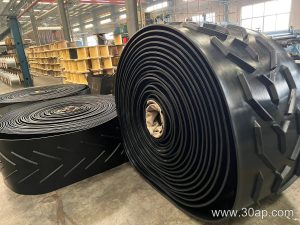
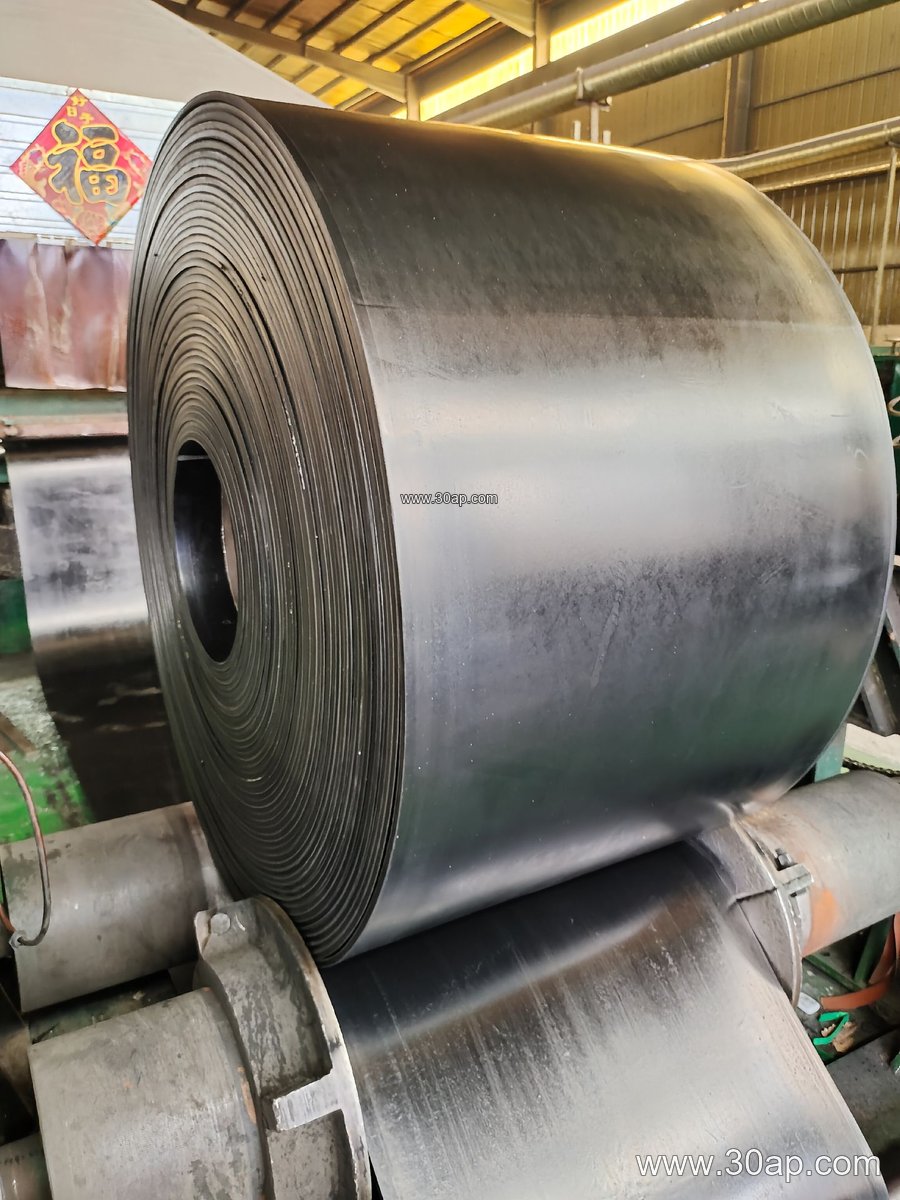
A wide conveyor belt is a heavy-duty endless belt built with a large cross-sectional width, typically used where a single conveyor line must carry high tonnage or bulky material. In practice, widths from around 1200 mm upward are usually described as wide, and the term Extra-Wide Conveyor Belt is often applied to belts of 2000 mm and above. The extra width spreads the load across more belt surface, which reduces point pressure on the carcass and helps stabilize the material bed on long, high-capacity routes.
Wide belts are common in mines, coal preparation plants, cement works, power stations, ports, and quarry and aggregate operations. A 1200mm Wide Conveyor Belt or 1500mm Wide Conveyor Belt may feed a crusher, while an 1800mm Wide Conveyor Belt often appears on main trunk lines where throughput matters more than tight layout.
Construction of a Wide Belt
Most wide belts use a fabric or steel cord carcass with rubber covers. Fabric constructions include EP (polyester-cotton) and NN (nylon-nylon) plies, usually 2 to 6 layers, while steel cord types use brass-plated cords for very high tension. Cover rubber is specified by top and bottom thickness, commonly 3+1.5, 4+2, 5+2, 6+2, or 8+3 mm, depending on abrasion and impact.
Because a wide belt carries more tension per unit of length, the splice and edge quality matter. Vulcanized splices are usual on main lines, and edge protection helps prevent ripping on wide spans. Buyers should confirm the actual carcass grade and cover grade for the duty, not only the width.
Common Specifications
The table below shows reference values only. Actual belt design is set by the conveyor engineer and can vary between manufacturers.
| Parameter | Typical reference values |
|---|---|
| Belt width | B1200, B1400, B1600, B1800, B2000 mm |
| Fabric carcass grades | EP200, EP315, EP400, EP500, EP630, EP800, EP1000, EP1250 |
| Steel cord grades | ST1000, ST1250, ST1600, ST2000, ST2500 |
| Cover thickness | 4+2, 5+2, 6+2, 8+3 mm |
| Ply count | 2 to 6 layers (fabric) |
For example, an EP1000 1200mm Conveyor Belt or an EP1250 1800mm Conveyor Belt may suit a medium-duty main line, while high-tonnage ore duties often call for steel cord grades. Surface forms such as a Chevron Conveyor Belt or a skirted design can be combined with wide widths when incline or spill control is needed.
Where Wide Belts Are Used
- Mining and coal handling, including underground and surface trunk conveyors
- Cement plants, where clinker and raw meal move in large volumes
- Power stations and steel plants handling coal, coke, and ore
- Ports and ship loading terminals with high hourly rates
- Quarries and aggregate plants feeding crushers and screens
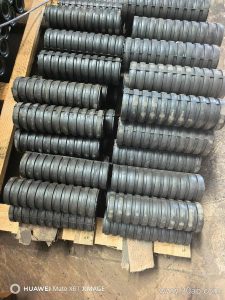
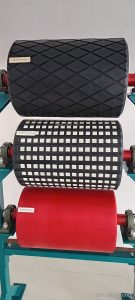
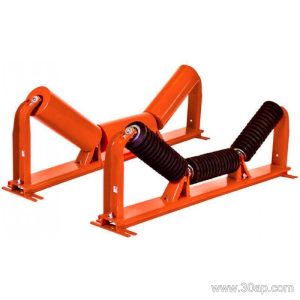
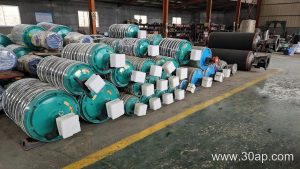
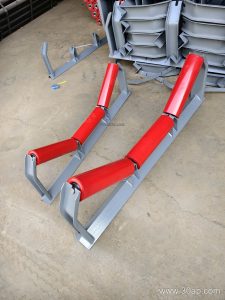
In these duties, the belt works with idler rollers, conveyor pulleys, and conveyor brackets sized for the load. A wide belt needs properly aligned troughing idlers to keep the belt centred, and the drive pulley and tail pulley must be selected for the calculated tension. Drive, tail, and bend pulleys are separate components and are not interchangeable; each has its own role in the conveyor layout.
Buyer Checklist
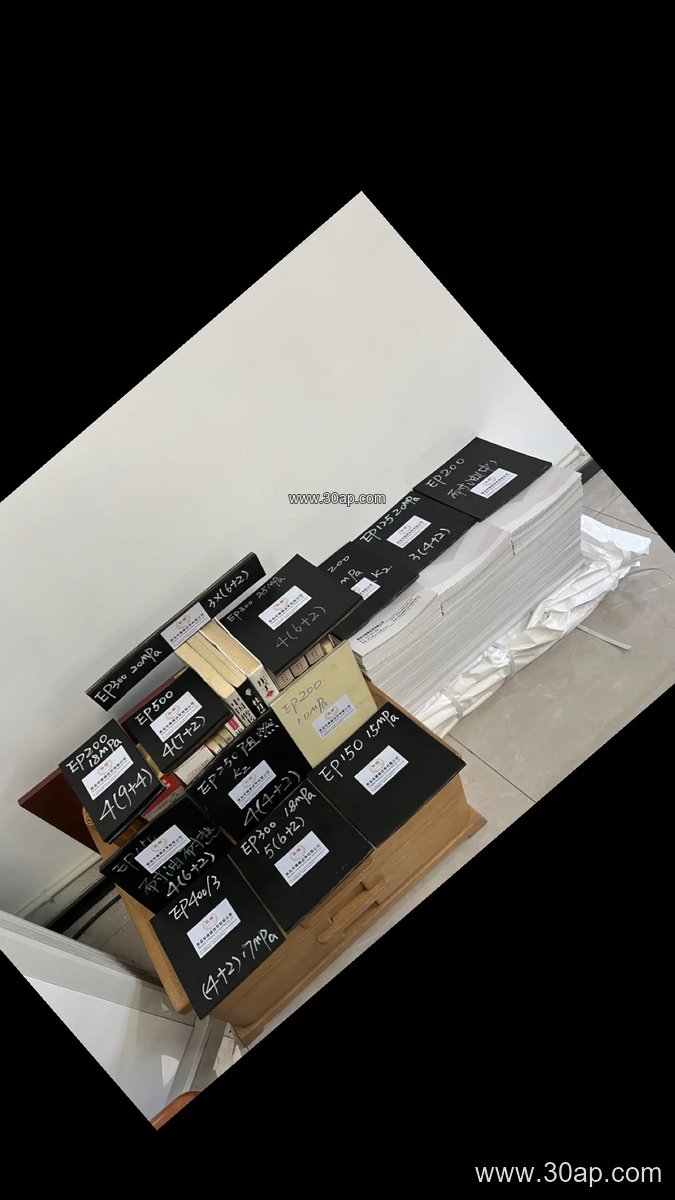
Before ordering, confirm the material type, lump size, moisture, and temperature, since these decide whether an abrasion resistant, heat resistant, oil resistant, or flame retardant cover is appropriate. State the required width, carcass grade, cover thickness, and splice method. Ask for the belt mass per square metre and the recommended minimum pulley diameter, as these affect the conveyor pulley and idler roller selection.
Also check the site conditions: a cold resistant grade may be needed in winter, and an anti-static belt in dusty or explosive atmospheres. Do not assume one belt width fits every pulley diameter; the pulley size comes from tension and carcass requirements. A 2000mm wide belt, for instance, is not automatically matched to a fixed shaft size without calculation.
Installation and Maintenance Notes
Wide belts are heavy and stiff, so lifting and splicing need proper equipment and trained crews. Keep idlers turning freely, check edge wear regularly, and monitor the splice for separation. Correct tracking prevents edge damage, which is a common cause of premature failure on wide belts. Store spare belt rolls flat and protected from sunlight and moisture.
For high-capacity lines, a well-specified Steel Cord Conveyor Belt or a multi-ply fabric belt, matched to the right pulleys and idlers, gives the longest service life. Review the duty with the belt supplier and the conveyor designer together so that width, strength, and cover grade work as one system.