What a Heavy-Duty Conveyor Bracket Does on a Working Line
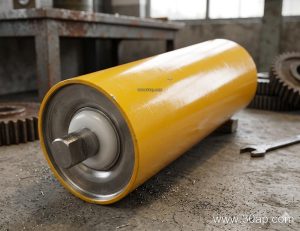
A heavy-duty conveyor bracket is the structural support that holds the idler rollers in the correct position under a loaded conveyor belt. In a quarry, limestone mine, or crushing and screening circuit, the bracket carries not only the weight of the belt and material but also the repeated shock of falling rock. The bracket is therefore more than a simple mounting plate; it is a load-bearing frame that keeps the trough shape stable so the belt tracks centrally and the idler roller turns freely.
Because the bracket sits between the belt and the conveyor frame, its stiffness directly affects belt life. A weak bracket flexes under load, which changes the trough angle and encourages material spillage. A well-built heavy-duty conveyor bracket holds its geometry, protects the belt edge, and reduces the vibration that shortens roller bearing life.
Construction and Common Materials
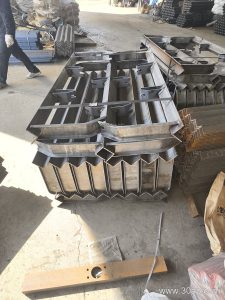
Most heavy-duty brackets are fabricated from angle steel, channel steel, or folded steel plate. The choice depends on the load and the environment. Channel steel frames resist bending well on wide belts, while folded plate can save weight without losing rigidity. Holes and slots are positioned so the idler roller can be dropped in and pinned quickly during maintenance.
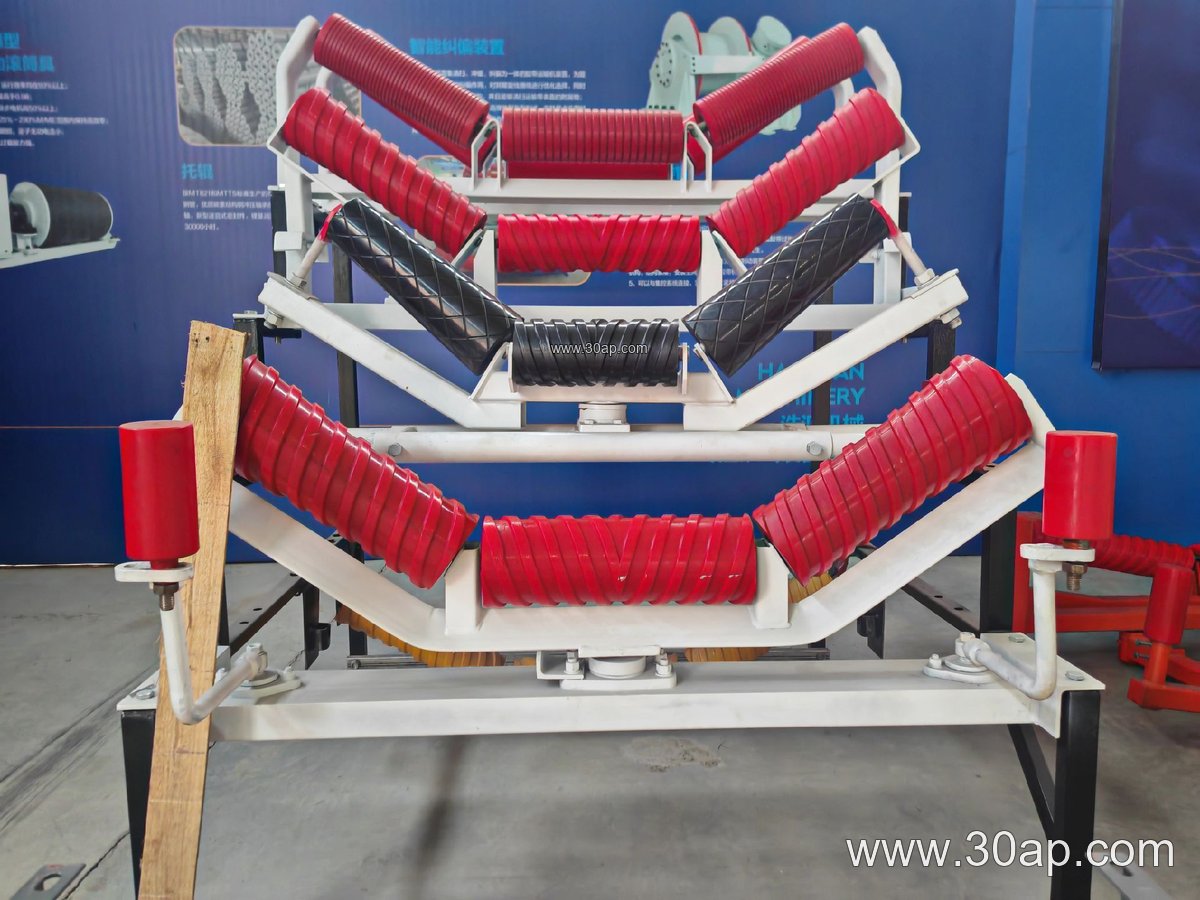
Hot-dip galvanizing or a heavy paint system is common where dust, humidity, or wash-down water is present. In a coal preparation plant or a power plant coal yard, brackets are often specified with corrosion protection because fine coal dust and moisture combine to attack bare steel.
Typical Types and Where They Sit
The bracket family covers several positions along the conveyor. The carrying side usually uses a trough bracket, while the return side uses a flat or V-return bracket. Transition brackets are placed near the pulleys to guide the belt from flat to troughed, and impact brackets are fitted below the loading point to absorb shock. Self-aligning brackets are used where belt tracking is a recurring problem.
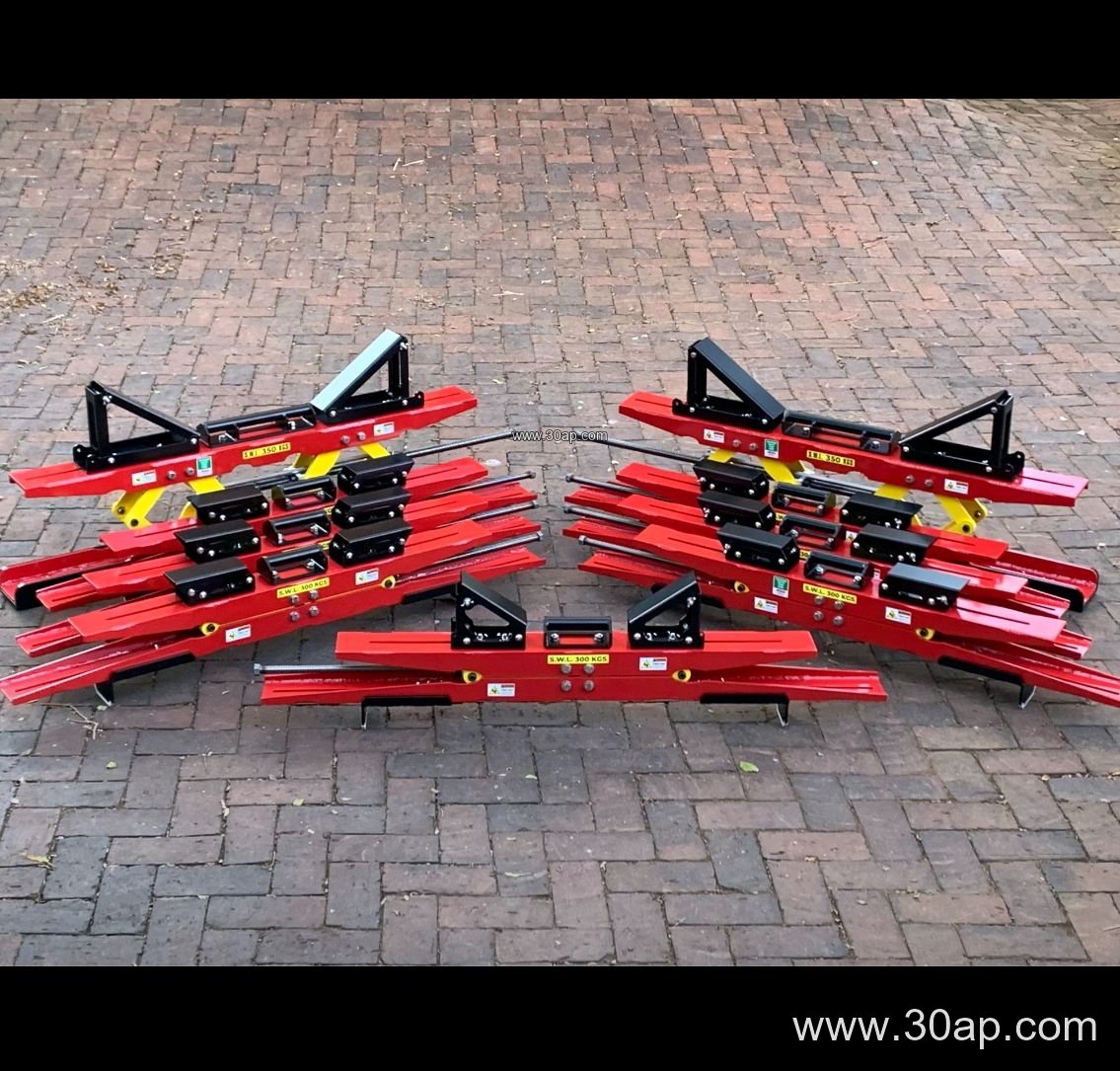
- Trough bracket for the main carrying run
- Transition bracket near head and tail pulleys
- Impact bracket under the feed chute
- Flat or V-return bracket on the return strand
- Adjustable bracket for changing trough angles
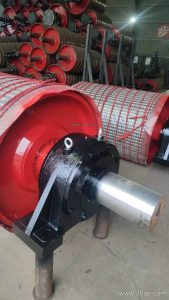
These types are not interchangeable. A return bracket cannot replace a trough bracket, and an impact bracket is chosen for its position, not as a general substitute. Drive pulleys, tail pulleys, and bend pulleys are separate components with their own support requirements.
Matching Belt Width, Trough Angle, and Roller Diameter
Bracket dimensions follow the belt width, the required trough angle, and the roller diameter. Common belt widths include B500, B650, B800, B1000, B1200, B1400, B1600, B1800, B2000, and B2200. Trough angles are usually 20, 30, 35, or 45 degrees, and adjustable brackets allow the angle to be changed within that range. Roller diameters such as Ø89, Ø108, Ø133, Ø159, and Ø194 are matched to the load and belt speed.
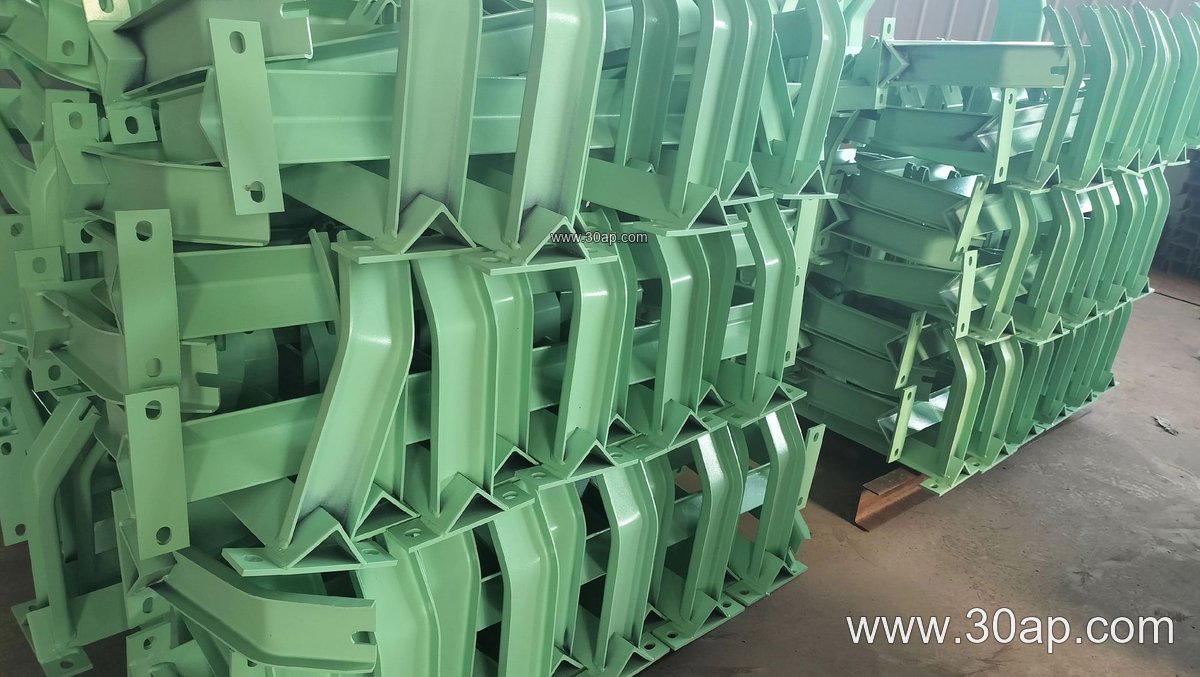
There is no fixed rule that one belt width must use one trough angle or one roller diameter. A B800 belt may run at 30 degrees with Ø108 rollers in a light duty section, or at 35 degrees with Ø133 rollers where the load is heavier. Installation hole spacing and crossbeam length change with belt width and trough angle, so they should be confirmed from the drawing rather than assumed.
Reference Dimensions for Planning
| Belt width | Typical trough angle | Common roller diameter | Bracket note |
|---|---|---|---|
| B500 | 20–30 degrees | Ø89 | Light to medium frame |
| B650 | 30 degrees | Ø89–Ø108 | Adjustable option available |
| B800 | 30–35 degrees | Ø108–Ø133 | Common in aggregate lines |
| B1000 | 35 degrees | Ø133 | Reinforced crossbeam |
| B1200 | 35–45 degrees | Ø133–Ø159 | Heavy-duty trough frame |
| B1400 | 35–45 degrees | Ø159 | Impact version at feed point |
| B1600 | 35–45 degrees | Ø159–Ø194 | Channel steel preferred |
| B1800 | 35–45 degrees | Ø159–Ø194 | Wide frame, check hole spacing |
| B2000 | 35–45 degrees | Ø194 | Heavy section steel |
| B2200 | 35–45 degrees | Ø194 | Custom crossbeam length |
Values above are common reference ranges, not universal specifications. Final dimensions should follow the conveyor design and the roller supplier’s mounting data.
Buyer Checklist Before Ordering
Confirm the belt width and the trough angle first, then the roller diameter and the mounting hole pattern. Ask whether the bracket is fixed or adjustable, and whether it is for the carrying run, the return run, or a transition zone. Check the steel section and the surface protection against the site conditions.
In a cement plant, a power plant coal yard, or a sand and gravel line, the bracket works together with the conveyor belt, the idler roller, and the conveyor pulley. A heavy-duty conveyor bracket that matches these components keeps the whole conveyor frame aligned and extends service life. For high-tonnage duties, a heavy-duty mining conveyor belt and abrasion resistant conveyor belt are often paired with reinforced brackets and larger rollers. Buyers working with EP conveyor belt or steel cord conveyor belt specifications should also confirm that the bracket height clears the belt sag at the loading point.