What the Ø133 Return Idler Does
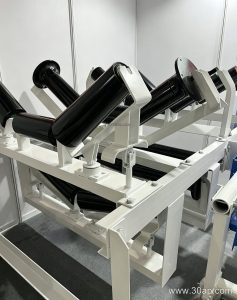
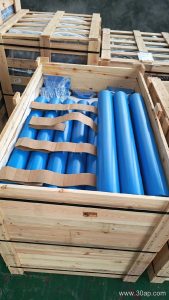
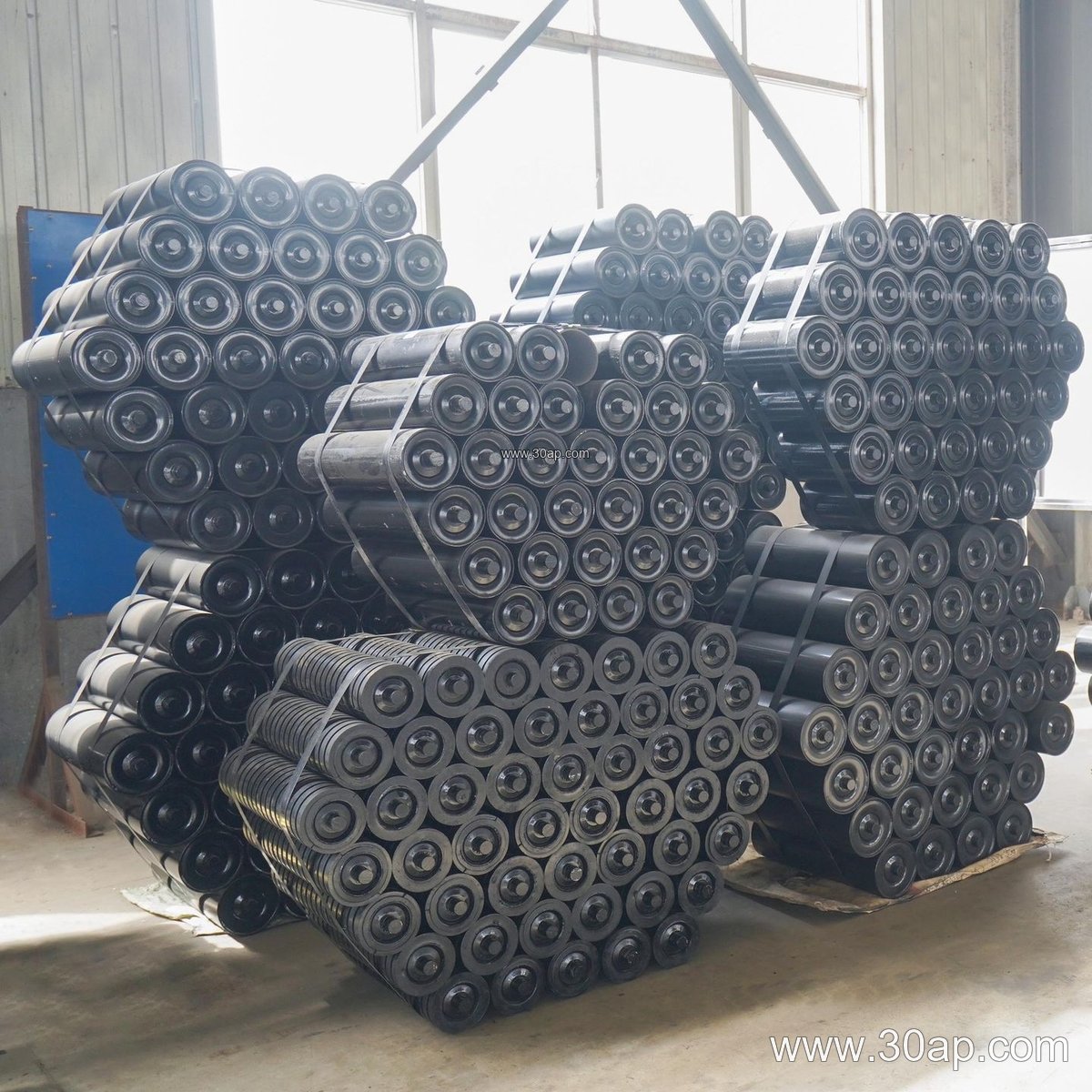
The Ø133 Return Idler is a 133 mm diameter roller mounted under the carrying run of a belt conveyor. Its job is simple but critical: support the empty side of the belt on its return path, keep the belt tracking in line, and reduce sag between support points. In a quarry, a coal washing plant, or a cement clinker line, these rollers sit in the lower frame and carry the belt’s own weight plus any clinging material. Because the return side is often overlooked, a worn or seized return idler can quietly damage the belt edge, raise motor load, and shorten splice life. The product is also called a 133 mm return roller or lower return idler, and those names describe the same component.
Construction and Typical Materials
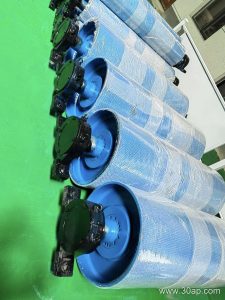
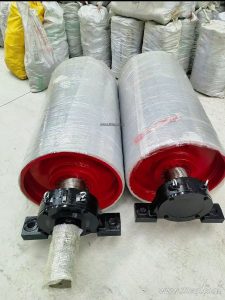
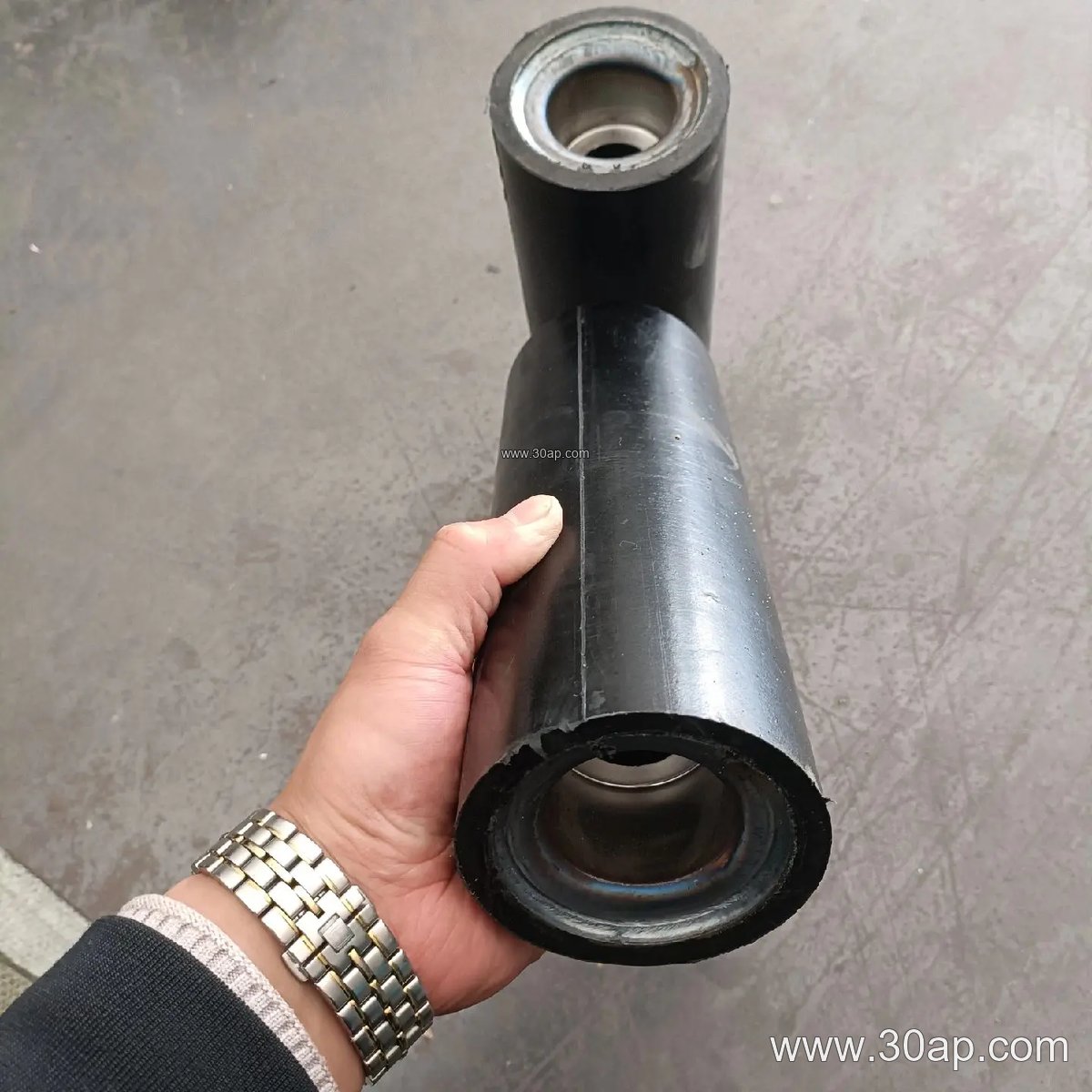
A standard Ø133 return idler is built around a steel tube shell, with bearing housings pressed into each end and a shaft running through the center. Sealing is the detail that separates a long-service roller from a short one; dust, fine grit, and washdown water are the usual enemies in aggregate and mining duty. Common surface forms include plain steel, nylon, and rubber-covered shells, and the choice depends on whether the belt is abrasive, wet, or prone to build-up.
- Shell: steel tube, often with a protective coating
- Bearing: deep-groove ball bearings such as 6205, 6305, 6306, or 6308, matched to load and shaft design
- Sealing: labyrinth or contact seals for dusty service
- Mounting: fixed to the conveyor bracket or lower frame via the shaft ends
Bearing size is not dictated by roller diameter alone; a 133 mm roller may use different bearings depending on load rating and shaft arrangement, so buyers should confirm the actual bearing designation rather than assume.
Where It Fits on the Conveyor
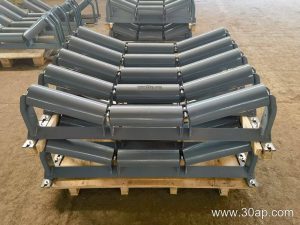
Return idlers are used on flat lower runs, and in some layouts a V-shaped return set is preferred to help center the belt. On a typical three-roll carrying set, the troughing idlers handle the loaded side, while the Ø133 Return Idler handles the empty side. This is a different role from a bend pulley or a drive pulley, which redirect or transmit power, and it should not be confused with them. In a power plant coal yard or a limestone crushing circuit, return rollers are usually spaced more widely than carrying idlers, but spacing depends on belt width, belt stiffness, and load.
Sizes and Selection Notes
Roller length follows the belt width and the frame design, so there is no single length for a given diameter. The table below shows common reference values for troughing roll lengths by belt width; return roller lengths are usually set by the lower frame and should be confirmed with the conveyor drawing.
| Belt width | Common troughing roll length (reference) |
|---|---|
| B500 | 200 mm |
| B650 | 250 mm |
| B800 | 315 mm |
| B1000 | 380 mm |
| B1200 | 465 mm |
| B1400 | 530 mm |
| B1600 | 600 mm |
| B1800 | 670 mm |
| B2000 | 750 mm |
These figures are examples, not fixed pairings. A B800 conveyor can run different roller lengths depending on frame type, and side rollers differ from center rollers. Buyers should also check shaft diameter, bearing type, and mounting slot dimensions against the existing conveyor bracket.
Buyer Checklist
- Confirm the shell diameter is 133 mm and the overall length matches the lower frame
- Check bearing designation and seal type for dusty or wet conditions
- Verify shaft end shape and fixing method
- Match roller surface to the belt and material; rubber-covered shells help with build-up and noise
- Consider belt speed and load when estimating replacement intervals
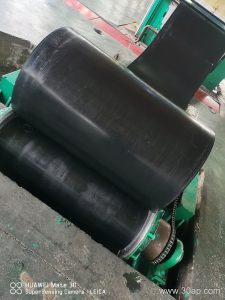
A return idler works alongside the conveyor belt and the conveyor pulley, so alignment of the whole lower run matters as much as the roller itself. In a sand and gravel line, replacing a few seized return rollers often restores belt tracking without touching the pulleys. For conveyors carrying abrasive ore, pairing quality return rollers with a suitable Abrasion Resistant Conveyor Belt reduces wear on both components. Plants handling coal may also specify a Flame Retardant Conveyor Belt for the belt itself, while the return idler remains a mechanical support item. Regular inspection of the Ø133 Return Idler for flat spots, seal leakage, and free rotation is a low-cost habit that protects the belt and keeps the line running.