What a Fixed Conveyor Bracket Does
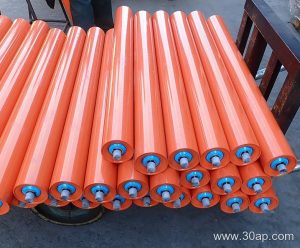
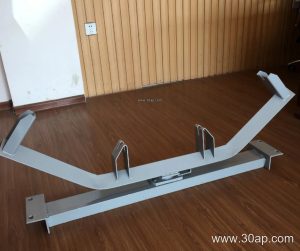
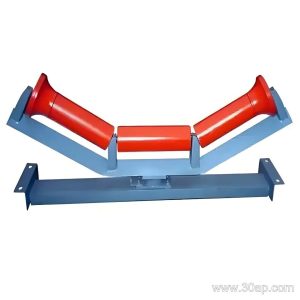
A fixed conveyor bracket is the stationary support that holds a conveyor idler roller at a set position along the conveyor frame. Unlike an adjustable bracket, it has no sliding slot or pivoting arm; the mounting position, trough angle and center height are locked in when the frame is fabricated. In a quarry, a coal washing plant or a cement kiln feed line, this rigidity is exactly what keeps the belt line stable shift after shift. The bracket works together with the conveyor belt, the idler roller and the conveyor pulley to keep the belt tracking true and the load centered.
Construction and Common Materials
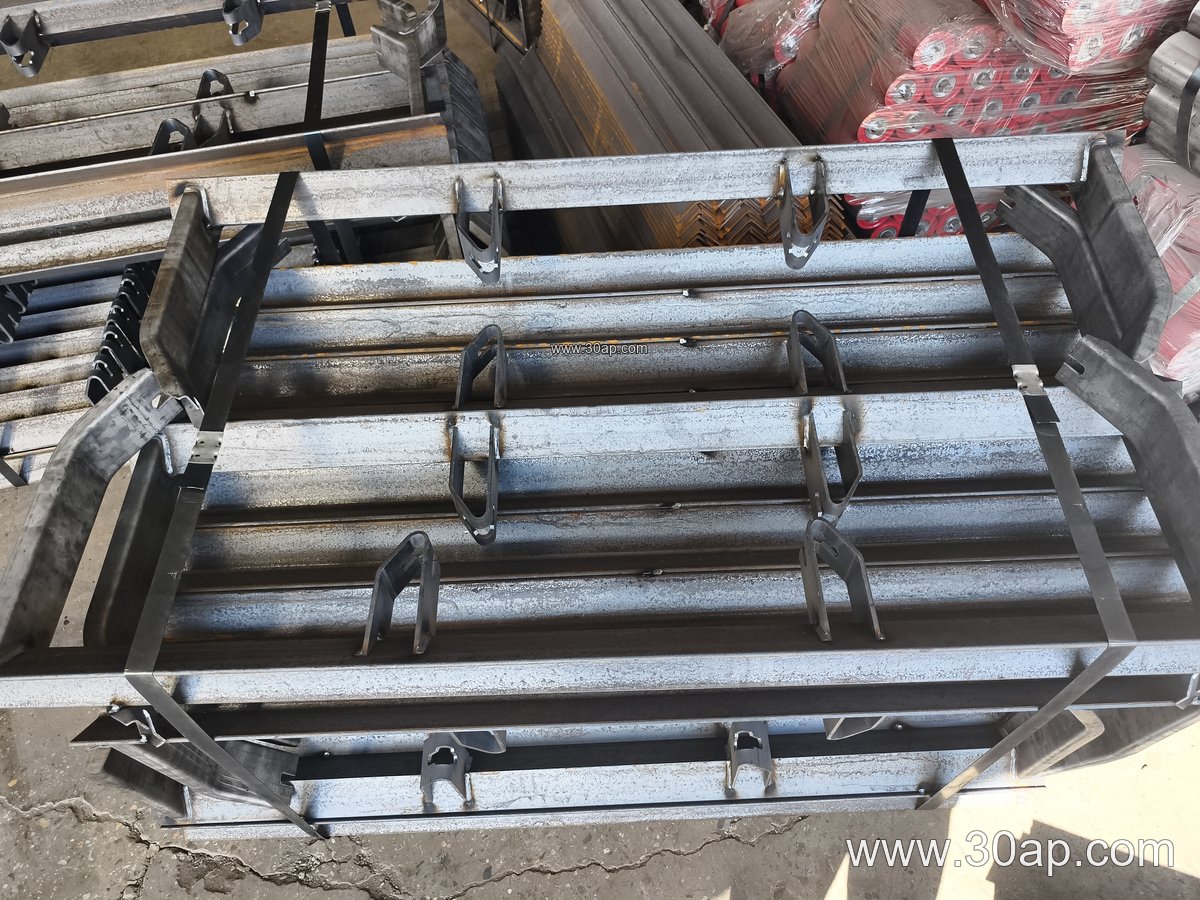
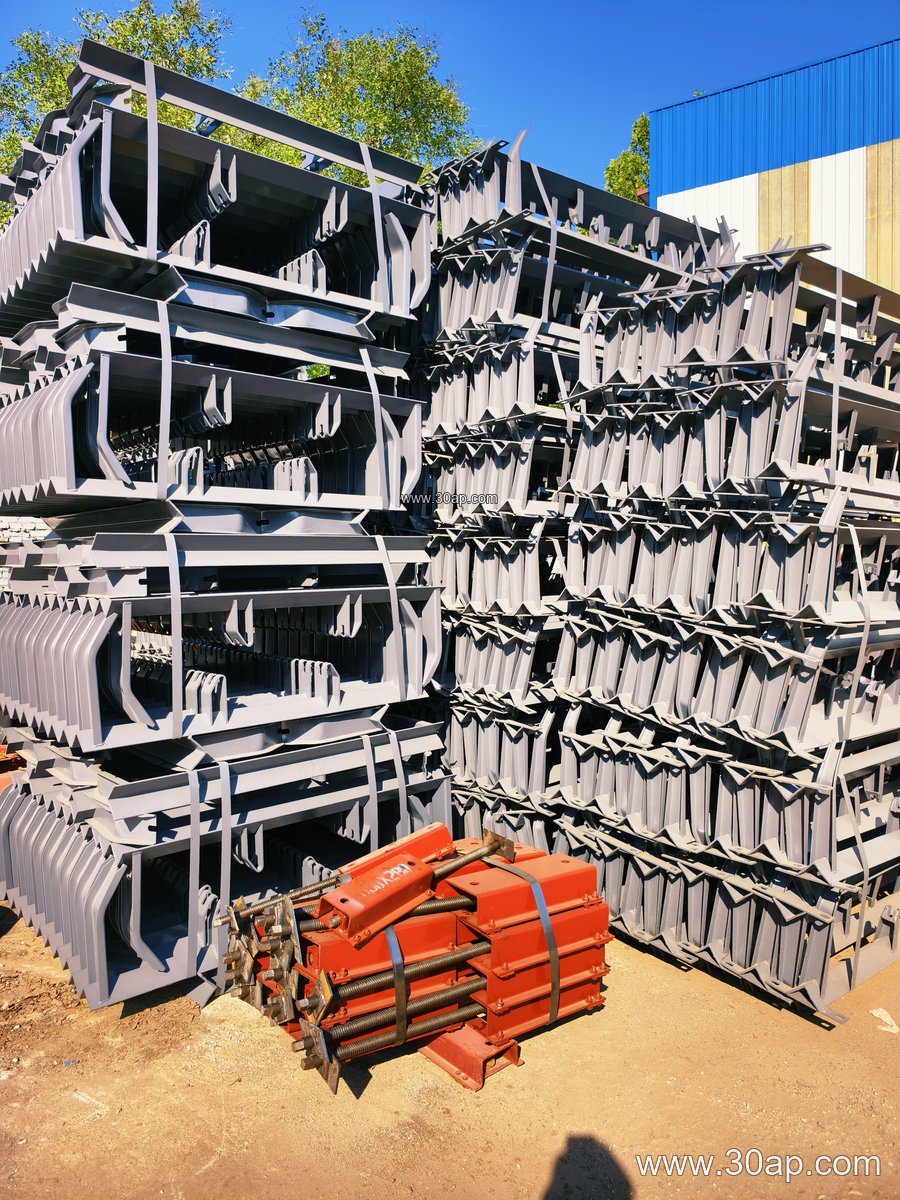
Most fixed brackets are built from angle steel, channel steel or folded steel plate, with the cross member shaped to suit the trough angle. Welded brackets usually carry a gusset at the corner where the cross beam meets the side frame, and the mounting holes are drilled to match the frame pitch. A powder-coated or hot-dip galvanized finish is common where dust and moisture are present, such as a port ship loader or an underground coal mining conveyor. Because the bracket is fixed, alignment during installation matters more than on a sliding design — a mis-set bracket will tilt every roller it carries.
Where Fixed Brackets Are Used
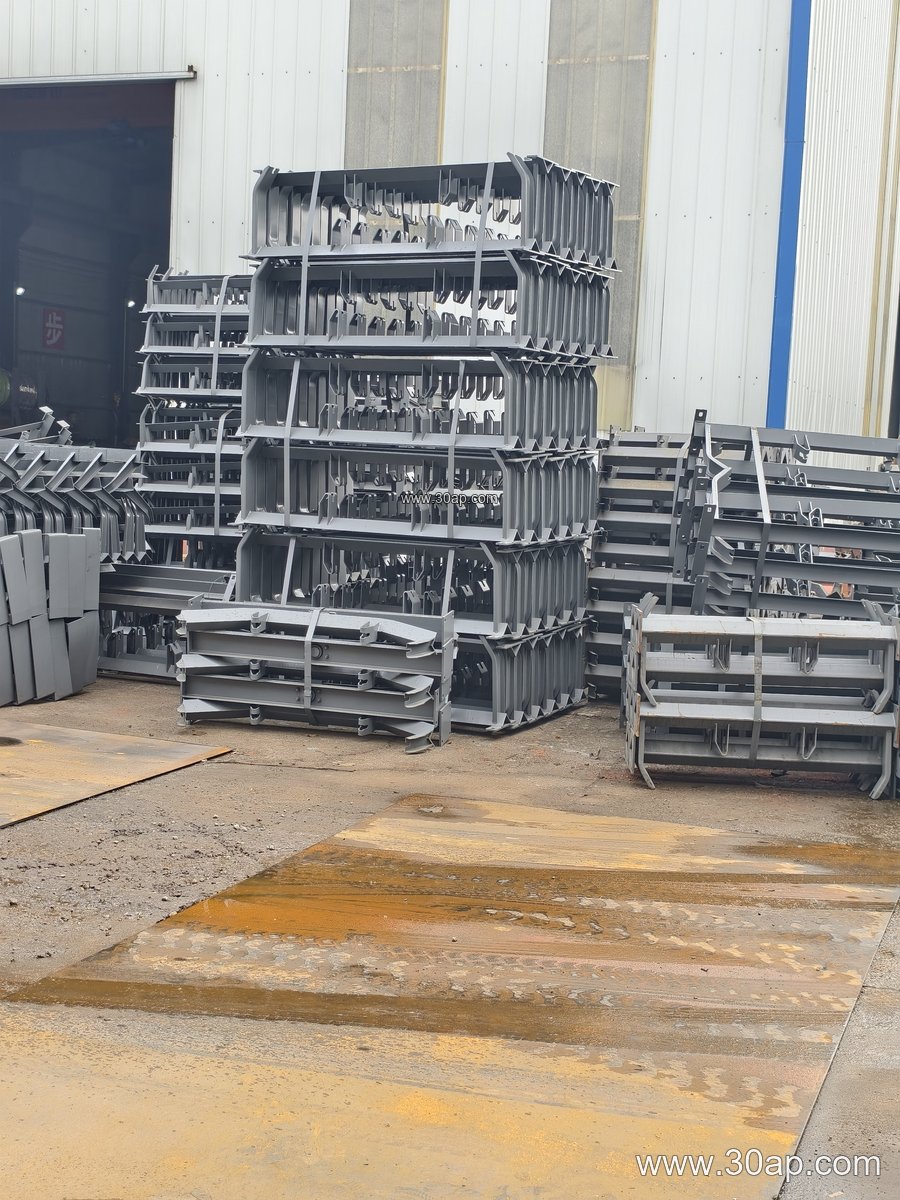
These brackets appear wherever the belt path is defined and should not move: the carrying side of a long overland run at a limestone mine, the return side of a power plant coal handling line, and the load zone of a crusher discharge where impact idlers sit in a rigid cradle. In a sand and gravel plant, fixed troughing brackets on the main haul conveyor are paired with a heavy-duty abrasion resistant conveyor belt, while the transfer points may use a different bracket style. Fixed units are also common on the head and tail sections, where the belt must meet the conveyor pulley at a predictable line.
Typical Reference Dimensions
The table below lists reference values that are often quoted when specifying a fixed bracket. Actual hole spacing and beam length follow the belt width and trough angle, so treat these as starting points, not fixed combinations.
| Reference Item | Common Range |
|---|---|
| Belt width (B) | B500, B650, B800, B1000, B1200, B1400, B1600, B1800, B2000 |
| Trough angle | 20°, 30°, 35°, 45° |
| Idler diameter | Ø89, Ø108, Ø133, Ø159, Ø194 |
| Material | Angle steel, channel steel, folded plate |
| Mounting hole pitch | Set by belt width and trough angle |
For example, a B800 frame with a 35° trough angle and Ø108 rollers is a frequent combination on a medium-duty aggregate line, while a B1200 frame at 45° with Ø133 rollers suits a wider, heavier load. Neither pairing is mandatory; the design engineer matches the bracket to the belt and the load.
Fixed Versus Adjustable Brackets
An adjustable bracket lets maintenance staff change the trough angle between, say, 20° and 45° to tune belt capacity or reduce spillage. A fixed bracket does not offer that flexibility, but it is cheaper to make, stiffer under load and less likely to drift out of alignment after years of vibration. On a tunnel spoil conveyor or a fertilizer handling line where the duty is constant, fixed brackets reduce inspection time because there is nothing to re-set. Where the material changes seasonally, an adjustable design may be the better choice.
Buyer Checklist
- Confirm the belt width, trough angle and idler diameter together, not one at a time.
- Check the mounting hole pattern against the existing frame before ordering.
- Match the finish to the environment, especially in wet or dusty plants.
- Ask whether the bracket is designed for carrying, return or transition duty, since these are not interchangeable.
- Consider the belt type it will support, from an EP conveyor belt to a steel cord conveyor belt, because belt stiffness affects troughing behavior.
Finally, remember that the bracket is one part of a system. A fixed bracket, a correctly sized idler roller and a well-tracked belt together decide how smoothly a cement plant, iron ore terminal or stone crushing line runs.