What a Head Pulley Does
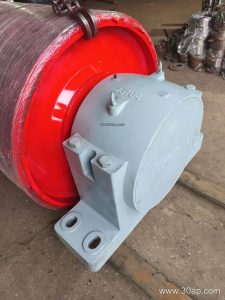
The head pulley, also called the drive pulley, is the power-transmitting drum at the discharge end of a belt conveyor. It grips the conveyor belt through friction and rotates to move the loaded belt forward, so ore, coal, clinker, or aggregate is carried to the next transfer point. In a quarry or a coal preparation plant, this drum is the point where the belt turns and releases its load, making its diameter, lagging, and shaft design central to reliable operation.
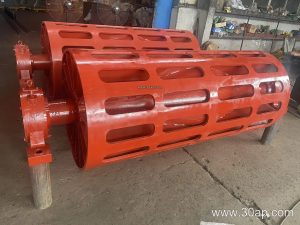
Because the head pulley is a drive component, it is not interchangeable with a tail pulley, bend pulley, or take-up pulley. Those drums guide or tension the belt; the head pulley delivers torque. A conveyor pulley of this type must be matched to the belt width, the expected belt tension, and the drive arrangement rather than chosen by belt width alone.
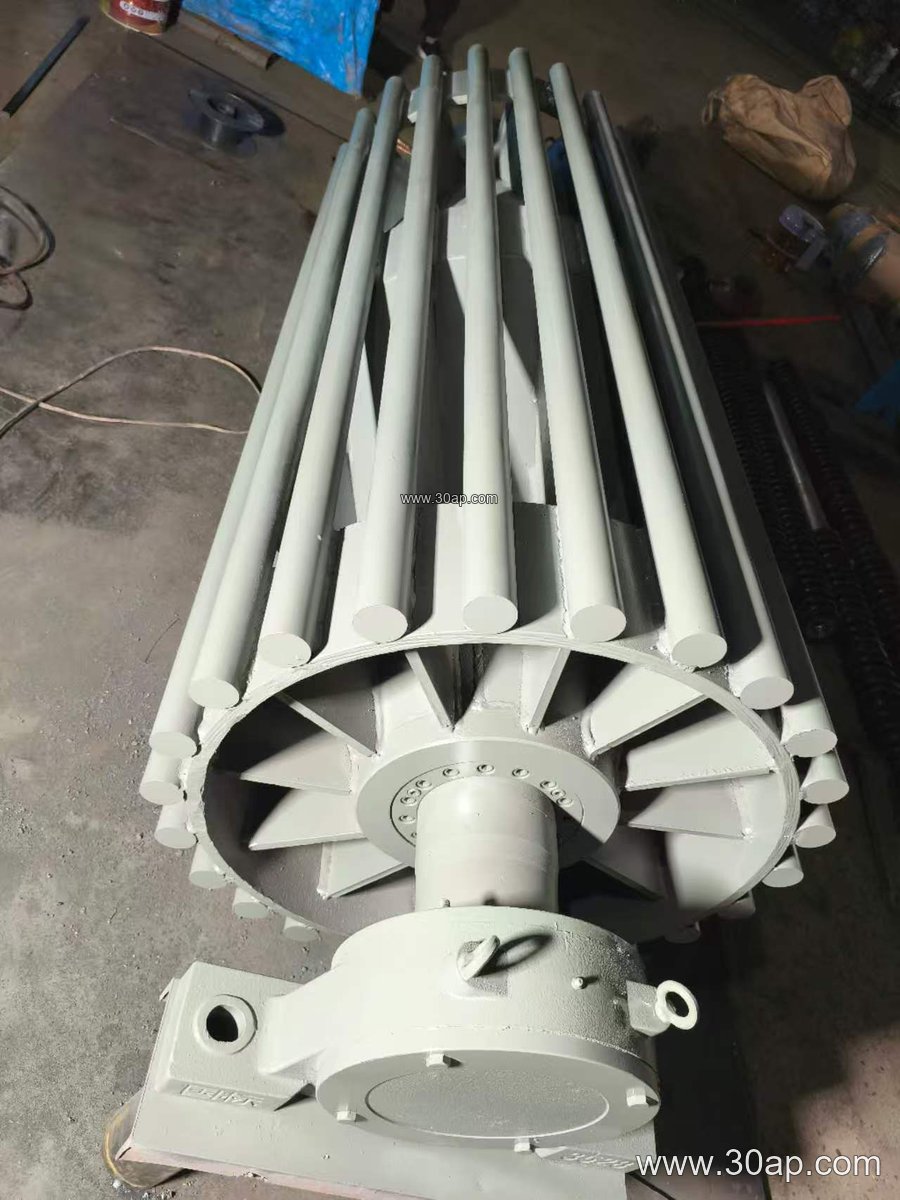
Construction and Surface Options
Most head pulleys use a welded steel shell with end discs, a shaft, and bearing housings mounted in conveyor brackets. The shell surface may be plain, or it may carry rubber lagging to improve grip. Common lagging methods include cold-bonded rubber, hot-vulcanized rubber, diamond grooving, herringbone grooving, and ceramic lagging. Lagging thickness is often 8, 10, 12, 15, or 20 mm, depending on the duty.
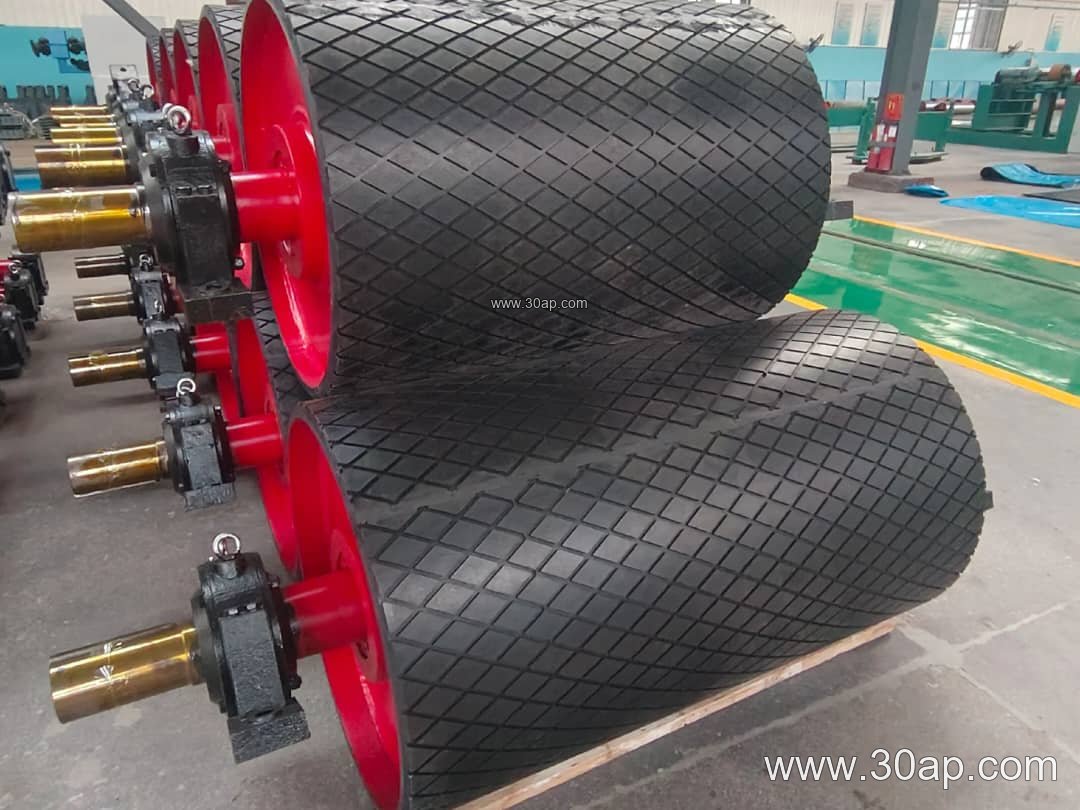
For a high-tension drive, the shaft diameter is determined by torque and load, not by belt width. Typical shaft sizes range from Ø50 to Ø200, but the final value must come from the conveyor design. Shell diameter commonly ranges from Ø200 to Ø1800, and face width is usually wider than the belt, for example about 500 mm for B400, about 950 mm for B800, and about 1400 mm for B1200. A B1200 × Ø1000 head pulley and a B800 × Ø500 unit are both plausible combinations in different conveyor layouts.
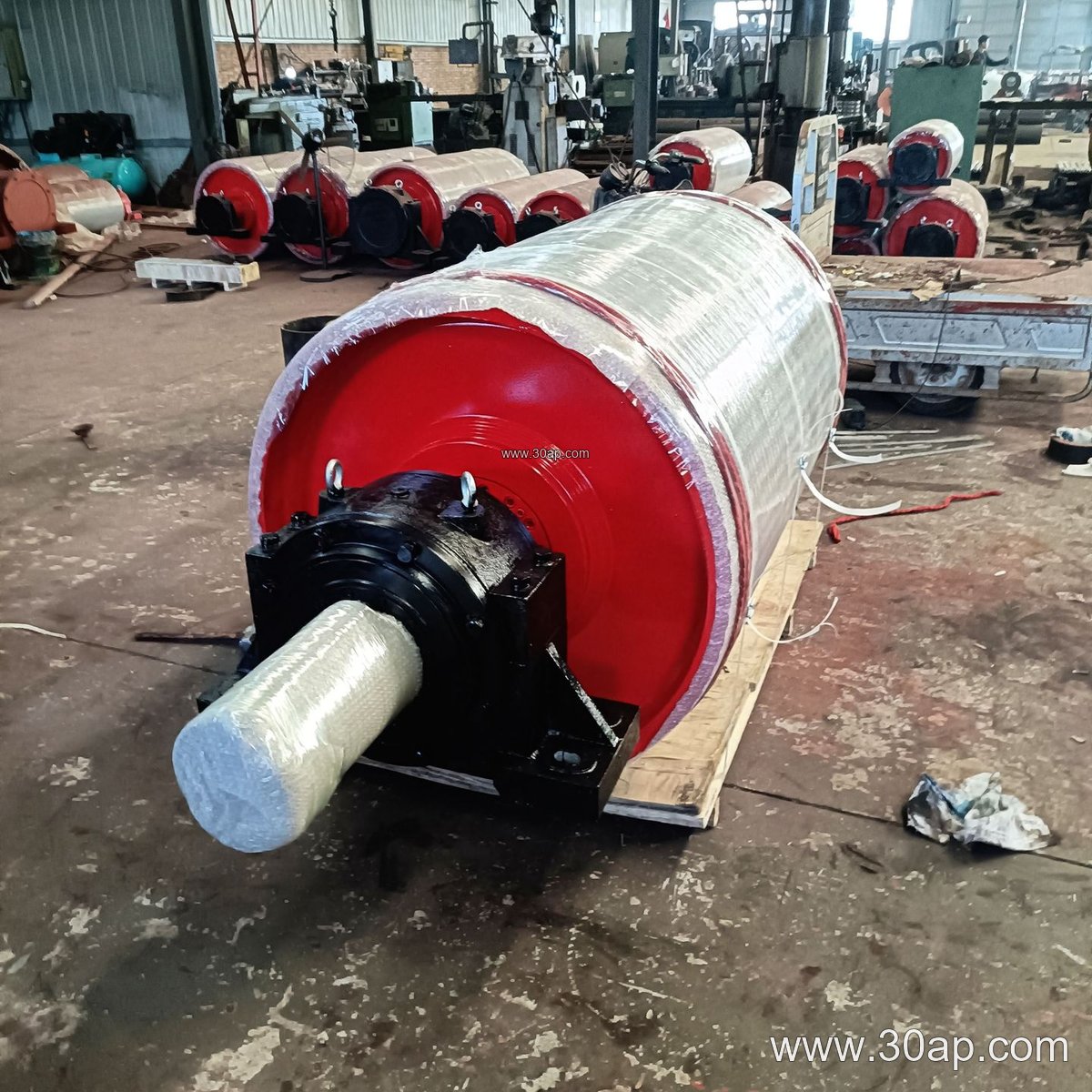
Where It Fits in the Plant
In a limestone mine or aggregate crushing line, the head pulley sits at the discharge of a primary or secondary conveyor and often works with an abrasion resistant conveyor belt carrying sharp rock. In a power plant coal handling system, a flame retardant conveyor belt may run over the same drum type, and the lagging must resist coal dust and occasional moisture. In a cement plant, clinker conveyors may use a heat resistant conveyor belt, so the pulley surface and bearing arrangement should be checked for thermal effects.
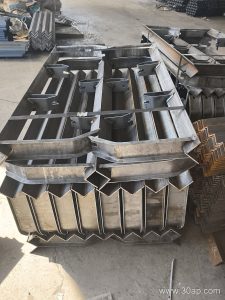
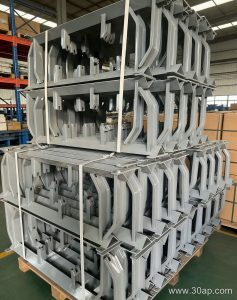
The head pulley also interacts with the belt path. Idler rollers support the belt on the carrying side, while the return side may pass a bend pulley before reaching the take-up. A conveyor bracket holds the bearing housing and must allow alignment. If the belt is a pipe conveyor belt or a corrugated sidewall conveyor belt, the head pulley geometry and the transition zone need extra attention.
Buyer Checklist
- Confirm the belt width and the required face width, not just the belt size.
- State the belt type and duty: for example EP conveyor belt, steel cord conveyor belt, or multi-ply fabric core conveyor belt.
- Specify lagging: plain, diamond, herringbone, or ceramic, with thickness.
- Provide the drive torque or motor power so the shaft diameter can be calculated.
- Check bearing size, bracket dimensions, and available space in the head station.
- For underground coal mining, confirm flame retardant and anti-static requirements with the belt supplier.
A head pulley is a small part of the conveyor but a critical one. Matching it to the conveyor belt, the idler roller layout, and the conveyor bracket keeps the discharge end running smoothly in mines, quarries, cement plants, and ports.