What a Large-Diameter Pulley Is
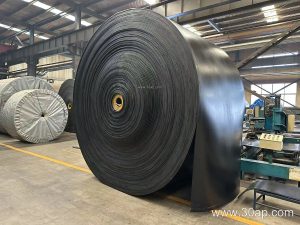
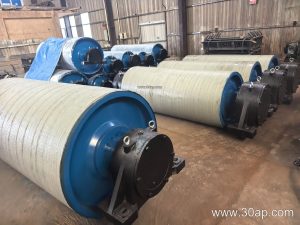
A large-diameter pulley is a conveyor pulley whose shell diameter is sized well above the minimum needed to carry the belt. In practice, it is the main drum that drives or redirects the belt on high-capacity conveyors, and its larger diameter reduces belt bending stress, improves traction, and extends belt life. These pulleys are common in quarry, cement, and power plant belt systems where thick, heavy belts run under constant load.
Construction and Surface Options
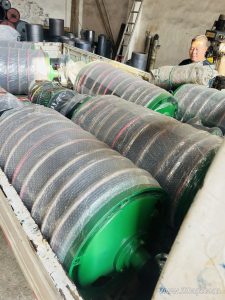
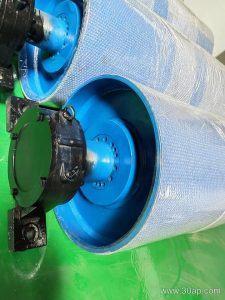
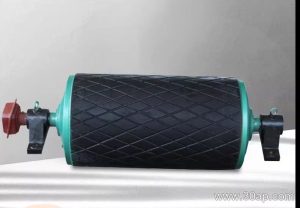
The pulley body is usually a welded steel shell with end discs and a shaft, and the surface can be plain or covered. Common coverings include cast rubber, cold-bonded rubber, hot-vulcanized rubber, diamond grooving, herringbone grooving, and ceramic lagging. Cover thickness is often 8 to 20 mm, chosen for grip and wear. The shaft diameter is determined by torque and load, not by belt width alone; typical shaft sizes range from Ø50 to Ø200 mm depending on design.
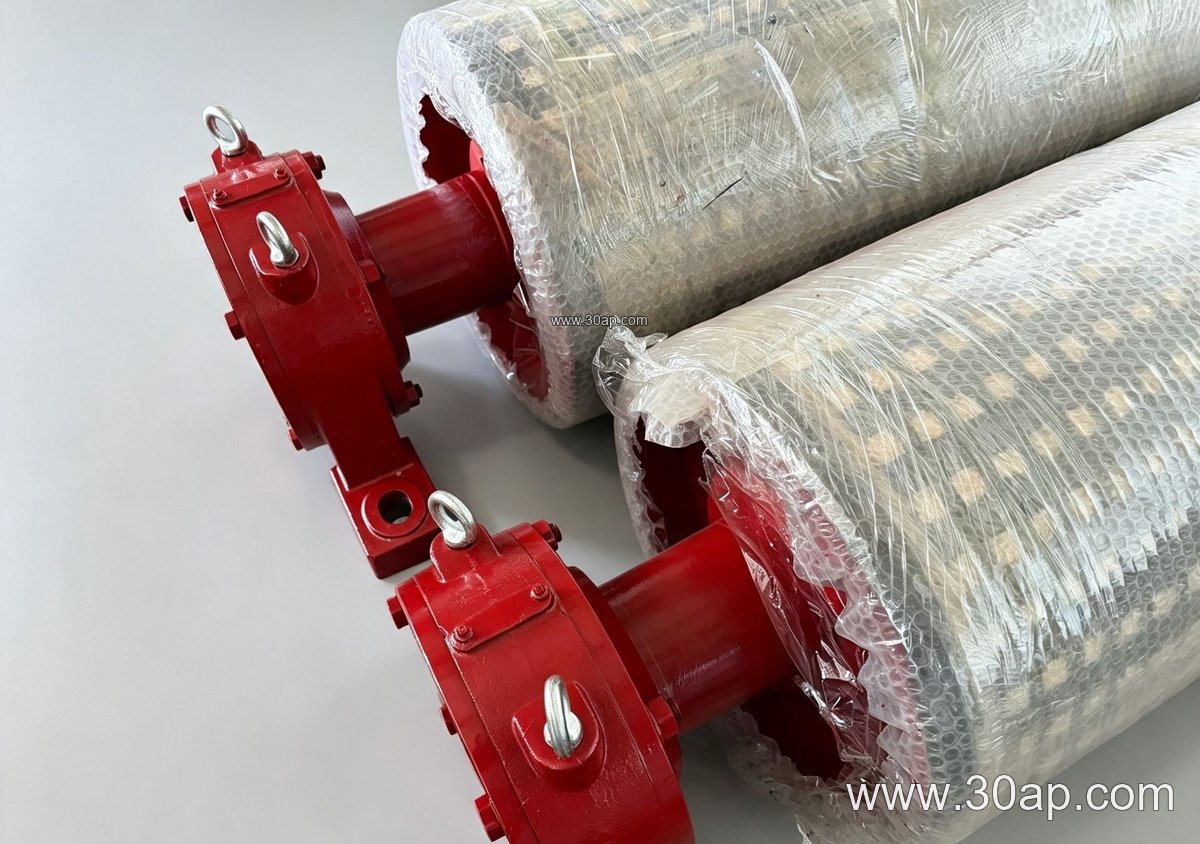
Typical Diameter and Face Width Reference
Face width is normally wider than the belt. The following values are for reference only; final dimensions are set by the conveyor design.
- B800 belt – face width about 950 mm – common diameter Ø500 or Ø630
- B1000 belt – face width about 1150 mm – common diameter Ø630 or Ø800
- B1200 belt – face width about 1400 mm – common diameter Ø800 or Ø1000
- B1400 belt – face width about 1600 mm – common diameter Ø1000 or Ø1250
- B1600 belt – face width about 1800 mm – common diameter Ø1250 or Ø1400
A large-diameter pulley is not tied to one belt width; the same drum size may appear with different belts if the conveyor layout allows.
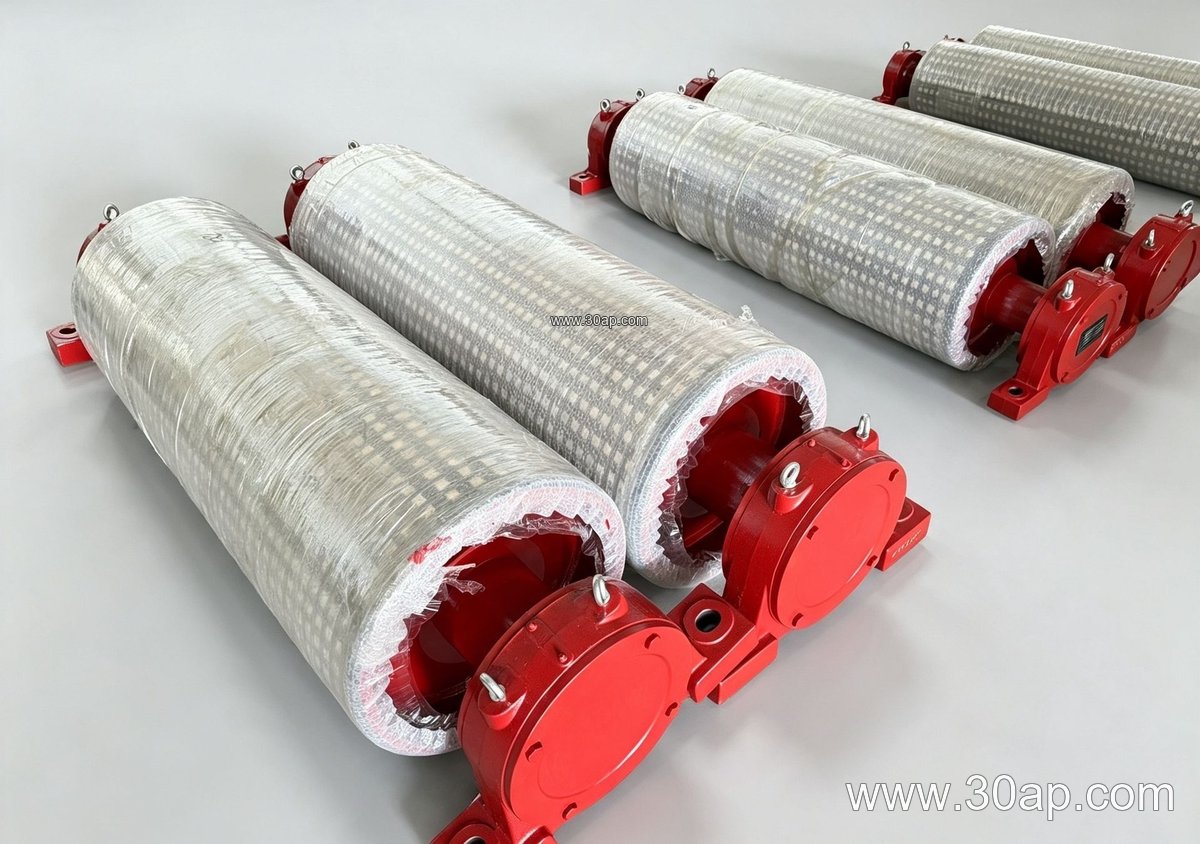
Where It Fits in the Conveyor
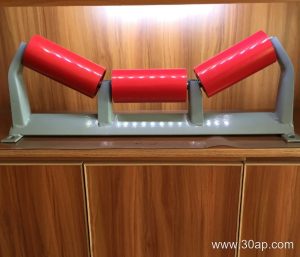
These pulleys are often found at the head or drive position of a belt conveyor, where they transmit power to the belt. They also appear as tail or bend pulleys on long overland systems, and as tension pulleys where belt wrap needs to be increased. In a coal mining conveyor or a limestone quarry line, a large-diameter drive pulley works together with the conveyor belt, idler rollers, and conveyor brackets to keep material moving. Other pulley types, such as a wing pulley for sticky material, serve different purposes and are not a replacement for the main drum.
Selection and Maintenance Notes
Buyers should match the pulley to the belt type and duty. A steel cord conveyor belt or a thick fabric core belt benefits from a larger drum because bending stress drops as diameter increases. Abrasion resistant conveyor belt and heat resistant conveyor belt may need specific lagging and careful shell cooling. Check that the pulley face width, shaft size, bearing type, and lagging thickness suit the actual load. During service, inspect lagging wear, check bolt tightness, and confirm that the pulley runs true. For more conveyor components, see our conveyor pulley and conveyor belt pages.