What an Impact Idler Does
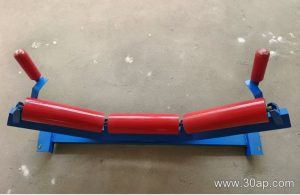
An impact idler is a heavy-duty carrying roller installed at the loading point of a conveyor, where bulk material drops onto the belt with force. Its job is to absorb that energy, support the belt directly under the falling stream, and protect both the belt cover and the frame from repeated shock. In a quarry, a coal preparation plant, or a crushing and screening line, the difference between a standard troughing idler and a properly specified impact roller becomes obvious within weeks of operation.
The same product is also called a buffer idler or shock-absorbing roller. These names describe the same item, and buyers will see them used interchangeably in technical documents.
Construction and Surface Forms
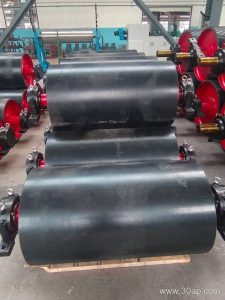
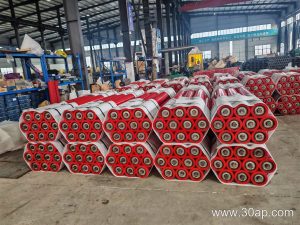
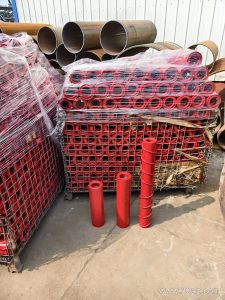
Most impact idlers use a steel tube body fitted with rubber rings or a rubber disc sleeve. The rubber elements sit slightly proud of the steel shell, so the falling material compresses the rubber rather than striking a rigid surface. A common variant is the rubber ring impact idler, where individual rings are stacked along the roller and can be replaced when worn. Some designs use a plain steel shell with a thicker wall for moderate duty, but rubber remains the usual choice where lump size and drop height are significant.
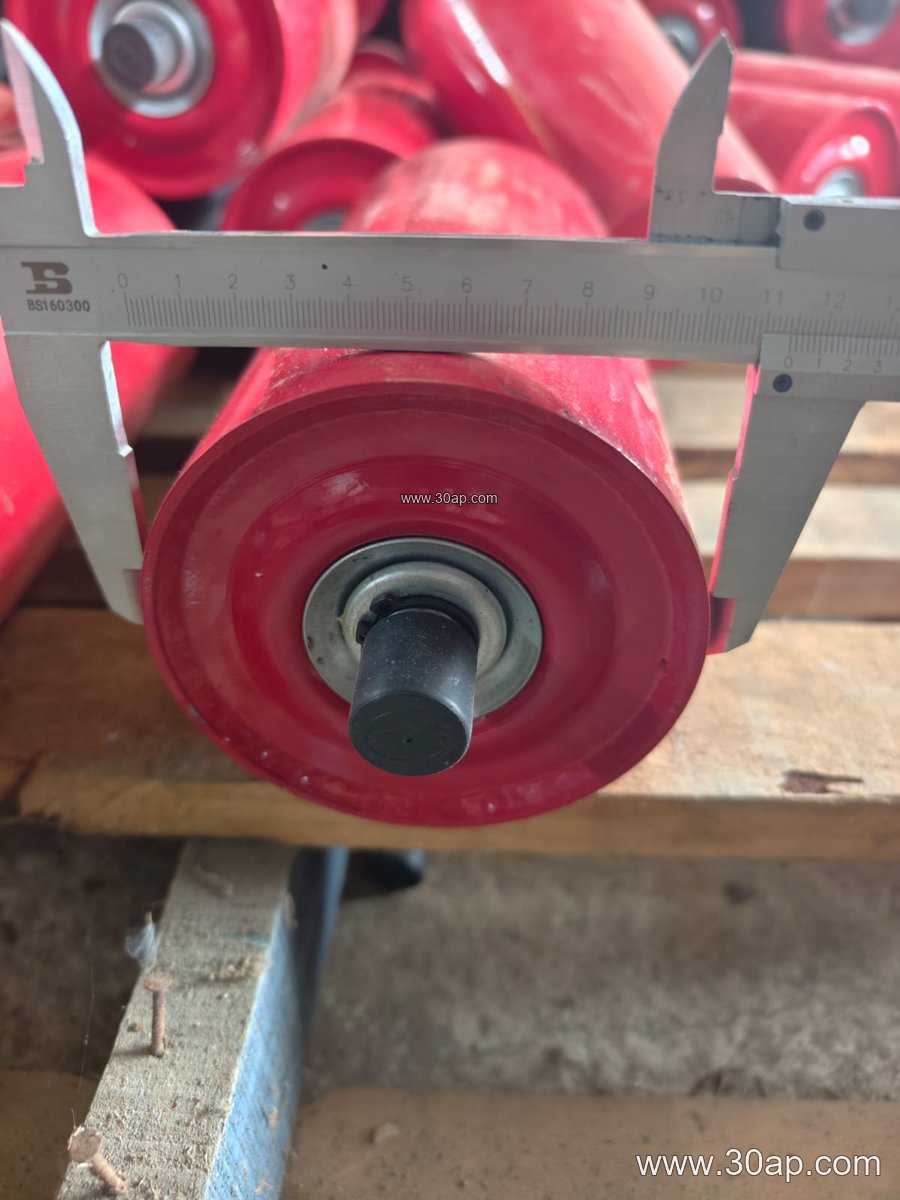
Bearings are typically deep-groove ball bearings in sealed housings. Common sizes include 6205, 6305, 6306, and 6308, selected according to load and shaft design rather than tied to one roller diameter. Sealing quality matters here, because dust from limestone, ore, or cement clinker works into the bearing if the labyrinth is weak.
Where It Sits on the Conveyor
Impact idlers are placed in the loading zone, usually in a short group of two to five rollers directly beneath the chute or transfer point. They are normally mounted in a troughing arrangement with a 20, 30, 35, or 45 degree trough angle, matching the adjacent carrying idlers so the belt profile stays smooth. The first roller under the impact point takes the greatest load, so some layouts use a closer pitch in this section.
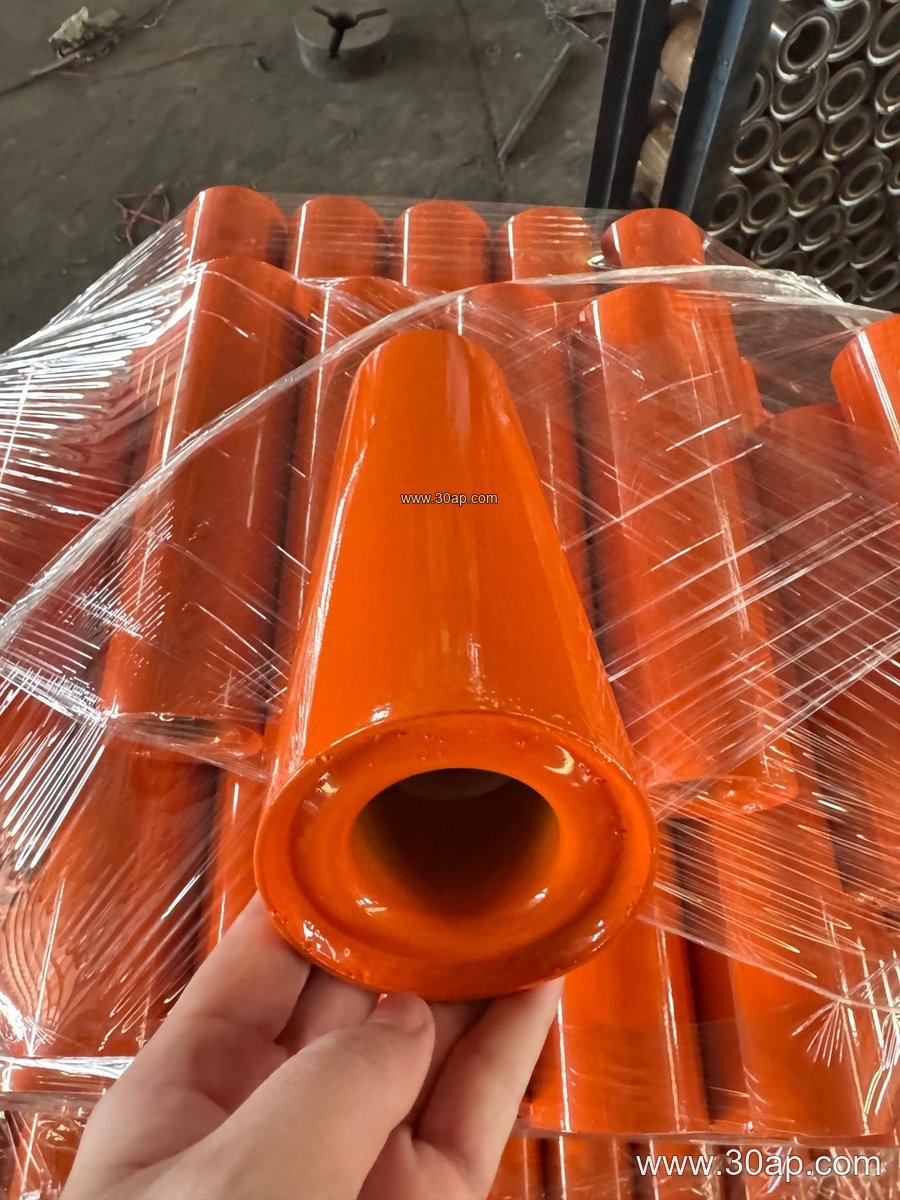
They should not be confused with return idlers or self-aligning idlers, which serve different positions and duties. A V-shaped return roller, for example, supports the empty side of the belt and has nothing to do with absorbing loading shock.
Typical Sizes and Reference Data
The table below gives reference values that are common in the field. They are examples for orientation, not fixed combinations, and final dimensions are set by the conveyor design.
- Roller diameter: Ø89, Ø102, Ø108, Ø127, Ø133, Ø159, Ø178 mm
- Belt width: B500, B650, B800, B1000, B1200, B1400, B1600 mm
- Trough angle: 20°, 30°, 35°, 45°
- Surface: rubber ring, rubber sleeve, steel tube
- Bearing: 6204, 6205, 6305, 6306, 6308, 6310
For a three-roll troughing set, typical roller lengths are around 200 mm for B500, 250 mm for B650, 315 mm for B800, 380 mm for B1000, 465 mm for B1200, 530 mm for B1400, and 600 mm for B1600. Side rollers and the centre roller can differ, and these figures shift with trough angle and frame design.
Choosing a Buffer Roller
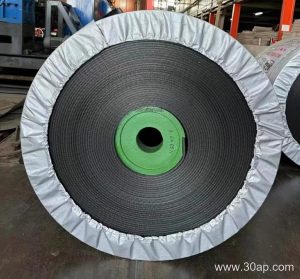
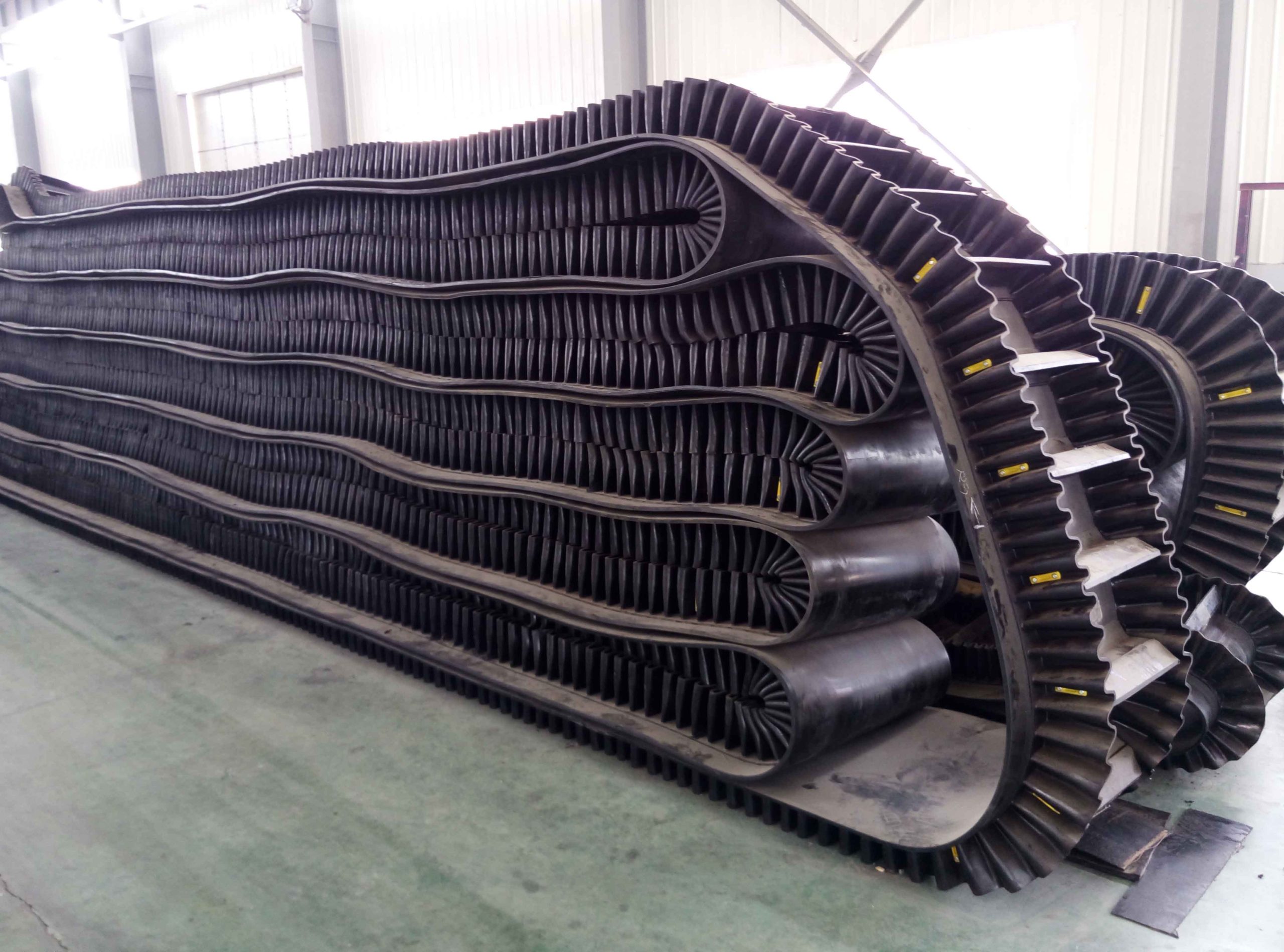
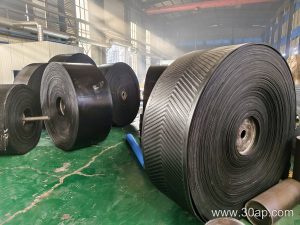
Start with the drop height, lump size, and throughput at the transfer point. Large lumps of rock or ore call for a larger roller diameter and thicker rubber; fine material at low height may only need a standard-duty buffer roller. Check that the roller diameter fits the existing frame and that the shaft and bearing housing match the brackets already in place. The belt specification matters too: a heavy-duty conveyor belt with a thick top cover tolerates more impact, while a lighter EP conveyor belt needs gentler support.
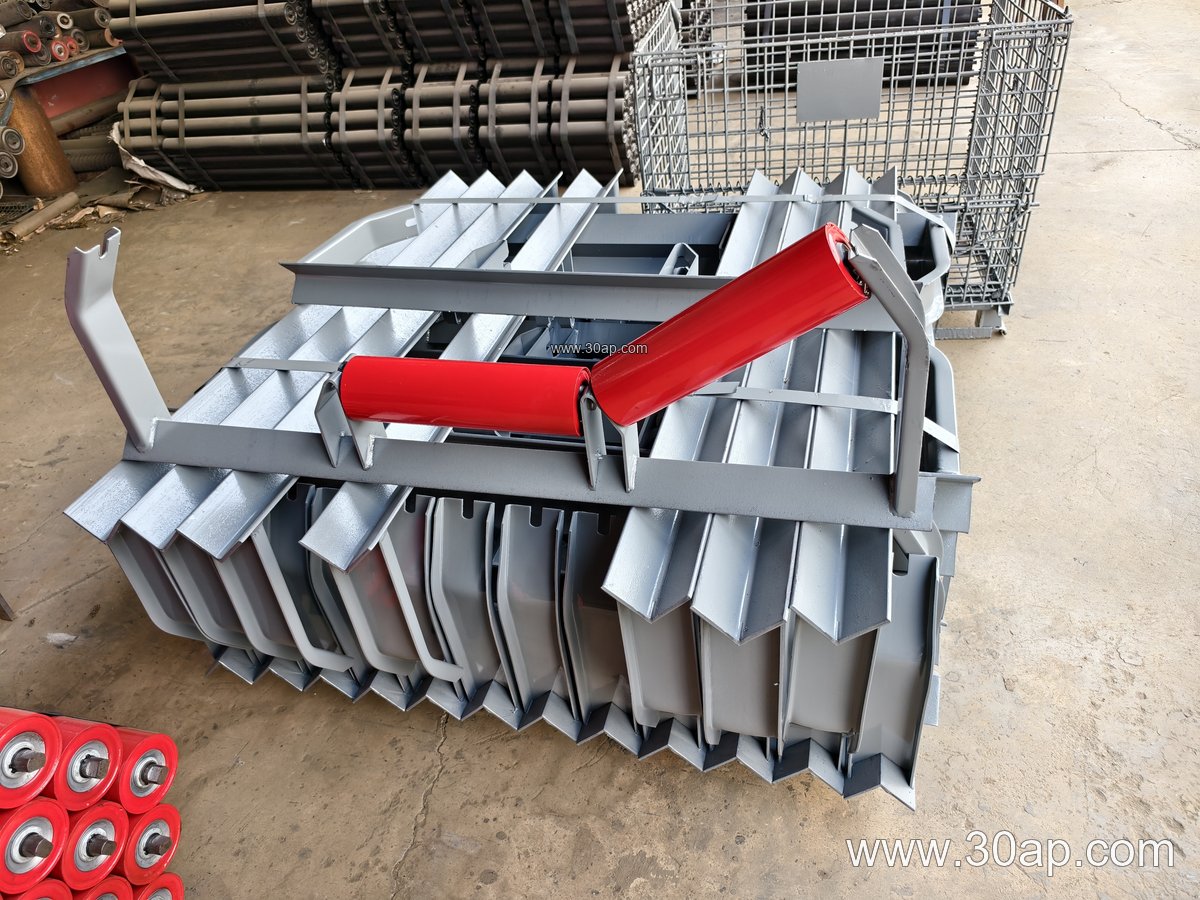
Buyers should also confirm the sealing arrangement, the rubber hardness, and whether rings are replaceable. Ask for the actual load rating rather than assuming that a bigger diameter is always better.
Maintenance Notes
Inspect the loading zone regularly for worn rubber, flat spots, and loose rings. A seized bearing will wear through the shell and damage the belt quickly, so rotation should be checked by hand during shutdowns. Keep the chute centred so material does not strike one side of the roller group. In dusty plants such as a cement works or a power station coal yard, cleaning around the frame helps prevent build-up that pushes the belt off its line.
Replacing worn rubber elements on schedule is far cheaper than replacing a damaged conveyor belt, which is the main reason impact idlers earn their place at every transfer point.