What a Stainless Steel Pulley Is
A stainless steel pulley is a conveyor pulley whose shell, end discs, and often hub assembly are fabricated from stainless steel rather than painted carbon steel. In a conveyor line it does the same mechanical job as any other pulley: it carries the conveyor belt, sets its path, and transmits or redirects tension. The difference is the material, which matters most where moisture, washdown, salt spray, or mildly corrosive dust would quickly attack a mild steel shell and start a rust track under the belt.
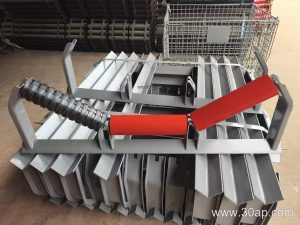
Buyers usually meet this component as a stainless steel conveyor pulley, and the two names describe the same product. It is a component of the conveyor frame rather than of the belt itself, and it works alongside the idler roller, conveyor bracket, and the belt that runs over it.
How the Pulley Is Built
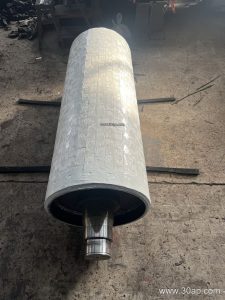
Most units are welded assemblies. A rolled stainless shell is joined to two end discs, which are keyed or shrink-fitted to a through shaft. The shaft is machined for bearings and locking elements, and the whole assembly is balanced before it leaves the shop. Depending on the design, the shaft may be fixed with the shell rotating on bearings, or the shaft may rotate in bearing housings bolted to the frame.
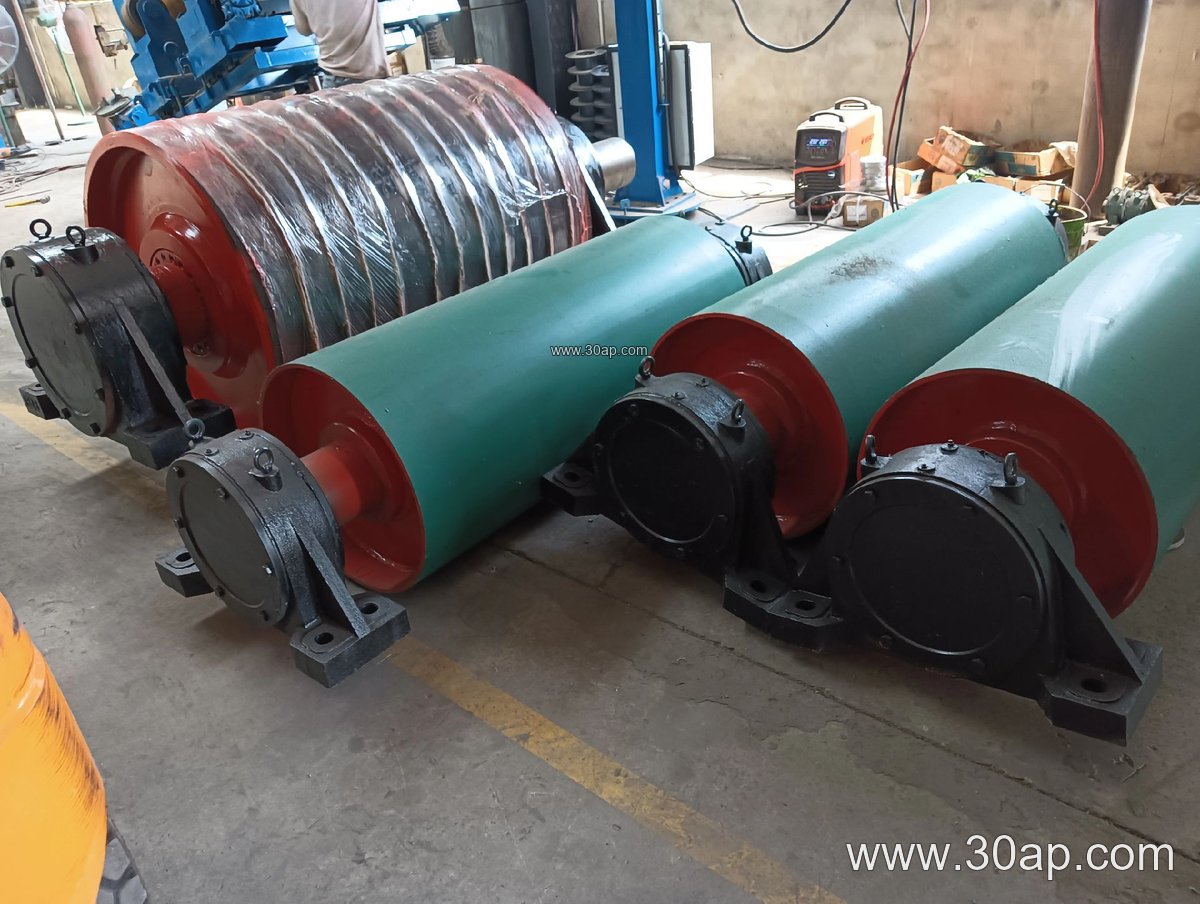
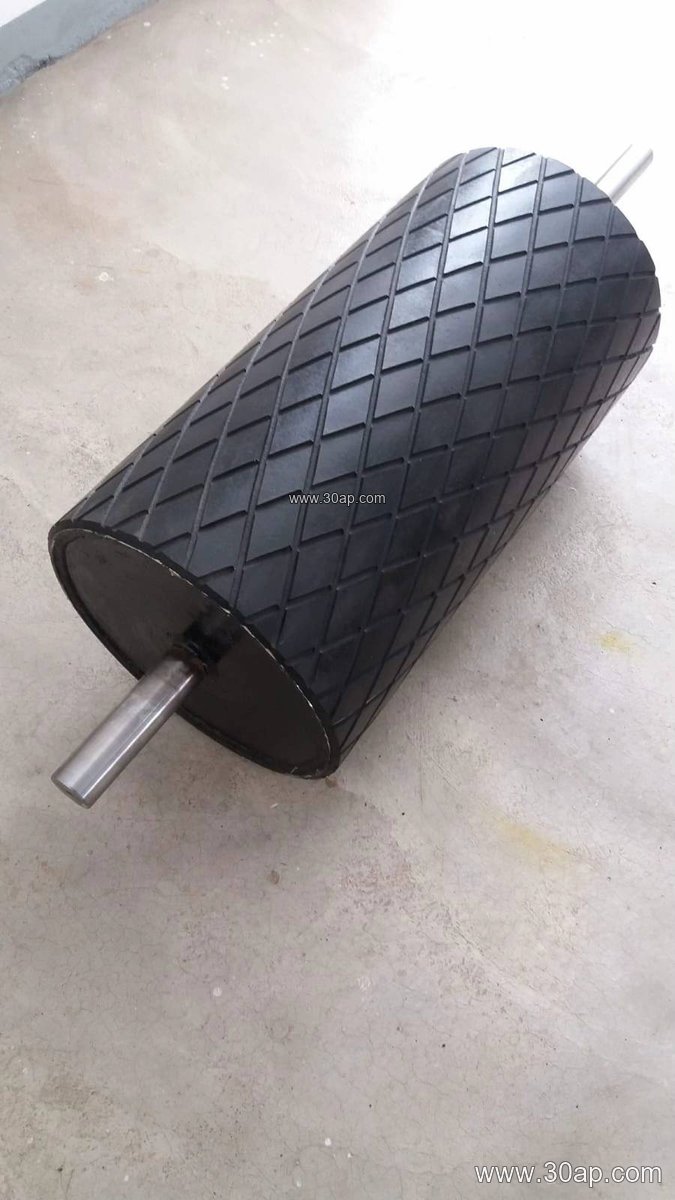
Surface finish is a practical choice rather than a decoration. A plain polished shell suits light duty and easy cleaning. Rubber lagging, applied by cold bonding or hot vulcanizing, raises friction on the drive side and protects the shell from abrasive carry-back. Grooved lagging in a diamond or herringbone pattern helps water and fines escape at the nip point.
Drive, Tail, and Bend Positions Are Different Duties
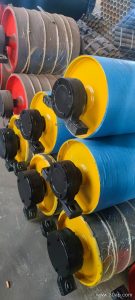
Position decides the design. A drive pulley, often called the head pulley when it sits at the discharge end, transmits torque and needs lagging and a shaft sized for the full motor load. A tail pulley at the loading end usually runs plain or lightly lagged and must tolerate impact and dust. A bend pulley only changes belt direction and carries a modest share of tension, so its shell and bearings are lighter.
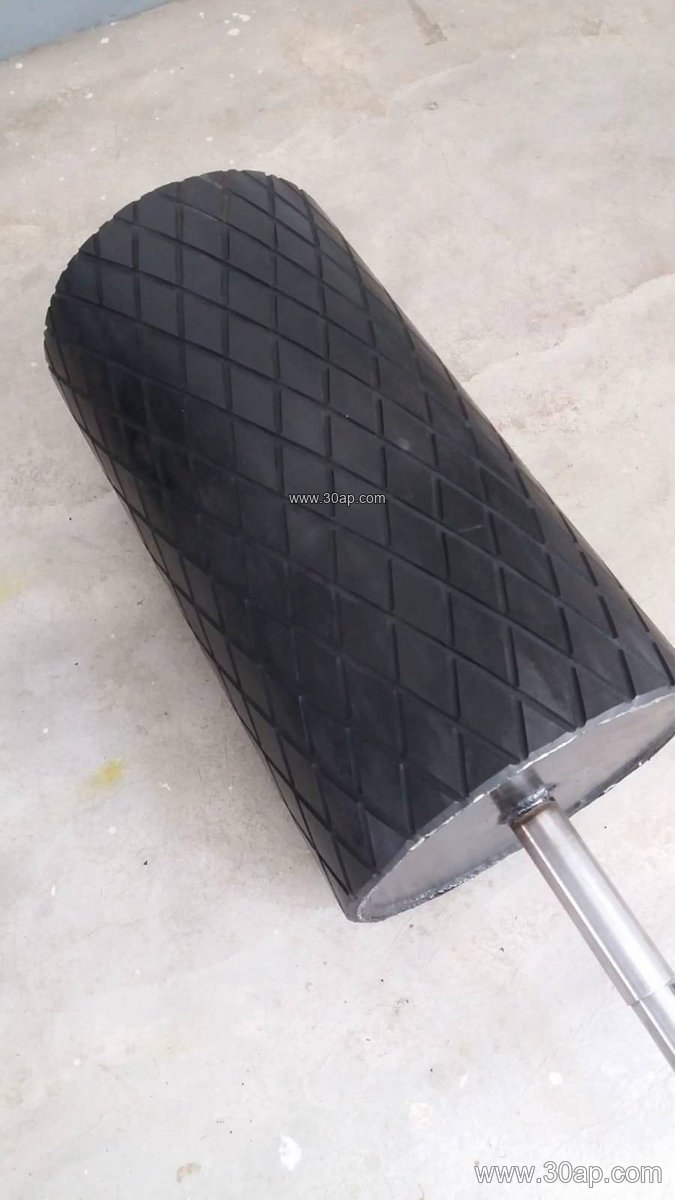
These three are not interchangeable names, and a stainless steel bend pulley should not be ordered as a substitute for a drive unit. Tension pulleys in a take-up frame and snub pulleys that increase wrap angle are further variants with their own bearing arrangements.
Where Stainless Pays Off
Washdown and humidity decide the case. In a coal washing plant or a port terminal handling damp bulk cargo, a stainless steel pulley resists the rust that forms on a painted shell after a few wet seasons. Fertilizer plants, grain silos, and food-grade lines often specify stainless for hygiene and cleaning. Coastal installations and tunnel projects with alkaline seepage are similar.
In dry, abrasive service such as a quarry or a cement plant clinker line, stainless is chosen less for corrosion than for a clean, low-friction shell surface, while the belt itself may be an abrasion resistant conveyor belt or a heat resistant conveyor belt matched to the material temperature.
Matching the Pulley to the Belt
Shell width normally exceeds belt width so the belt is fully supported and can be trained. Diameter is set by the belt’s minimum bend radius, the required wrap angle, and the torque to be transmitted, not by belt width alone. Common reference combinations include B800 × Ø500 and B1200 × Ø1000, but these are examples, not fixed rules. A wide belt can run on a modest diameter if the belt construction allows it, and the same width may need a larger drum on a high-tension drive.
| Reference item | Common range |
|---|---|
| Belt width | B400 to B2400 |
| Shell diameter | Ø200 to Ø1800 |
| Lagging thickness | 8, 10, 12, 15, 20 mm |
| Shaft diameter | Ø50 to Ø200 |
Shaft diameter follows torque and bearing load and must be calculated for the duty; it should never be picked from belt width alone. The same applies to lagging thickness, which depends on grip requirement and wear allowance.
Buyer Checklist
- Confirm the position in the conveyor: drive, tail, bend, take-up, or snub.
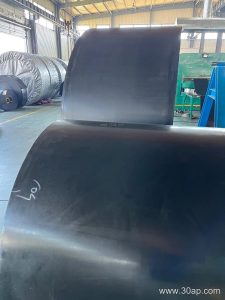
- State belt width, belt type, and whether the belt is a fabric core conveyor belt or a steel cord conveyor belt, since tension differs greatly.
- Give the calculated torque and belt pull so the shaft and bearings can be sized.
- Specify the stainless grade and finish if washdown or chloride exposure is involved.
- Choose lagging type and thickness, and say whether the surface must be machined after lagging.
- Confirm bearing type, housing style, and how the pulley will sit on the conveyor bracket.
- Ask for dynamic balancing records and a runout check.
Installation and Upkeep
Alignment matters more than material. A pulley that is out of square with the frame will train the belt badly no matter how good the shell is. Check that the pulley axis is parallel to the adjacent idler roller axes, keep the lagging clean, and inspect for embedded material that can score the belt cover. Stainless resists corrosion but is not immune to abrasion or chloride pitting, so washdown water should be fresh rather than saline where possible.
Bearing condition is the usual early warning. Grease on schedule, watch for temperature rise, and replace seals before water reaches the bearing cavity. When a pulley is replaced, recheck belt tension and tracking across the full length of the conveyor, not just at the new drum.