What a PVG Conveyor Belt Is
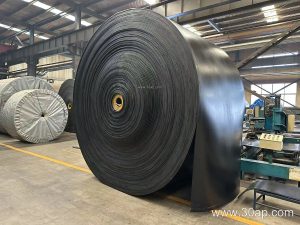
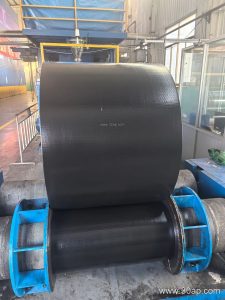
A PVG conveyor belt is a solid-woven fabric belt with polyvinyl chloride covers. The carcass is a single-ply, tightly woven fabric that is impregnated and coated with PVC, so the belt body and the covers form one integrated structure rather than a rubber skin glued onto separate plies. In coal preparation plants, underground coal mining, power plants, cement works and sand and gravel yards, this construction is often chosen where a flame retardant and anti-static belt is required and where a lighter, more flexible belt helps with tight pulley arrangements.
Because the whole belt is PVC-based, it is commonly grouped with PVC conveyor belting. The two names describe the same family of solid-woven PVC belting; PVG is the grade typically specified for tougher duty, with higher tensile strength and better resistance to cutting and abrasion than a general-purpose PVC belt.
How the Belt Is Built
The core is a solid-woven fabric in which warp and weft yarns are interwoven in a single structure. The fabric is dipped and coated with PVC paste, then the top and bottom covers are applied and vulcanised or otherwise bonded so that the cover and carcass cannot delaminate in the way that a ply-to-ply rubber belt can. This is why a PVG belt resists impact, tearing and moisture penetration well, and why it can be made endless by vulcanising or splicing with the correct finger or stepped joint.
Key construction variables a buyer will meet are:
- Longitudinal tensile strength grade, usually quoted in N/mm
- Number of fabric layers in the solid-woven carcass
- Top and bottom cover thickness, for example 3+1.5 mm, 4+2 mm or 6+2 mm
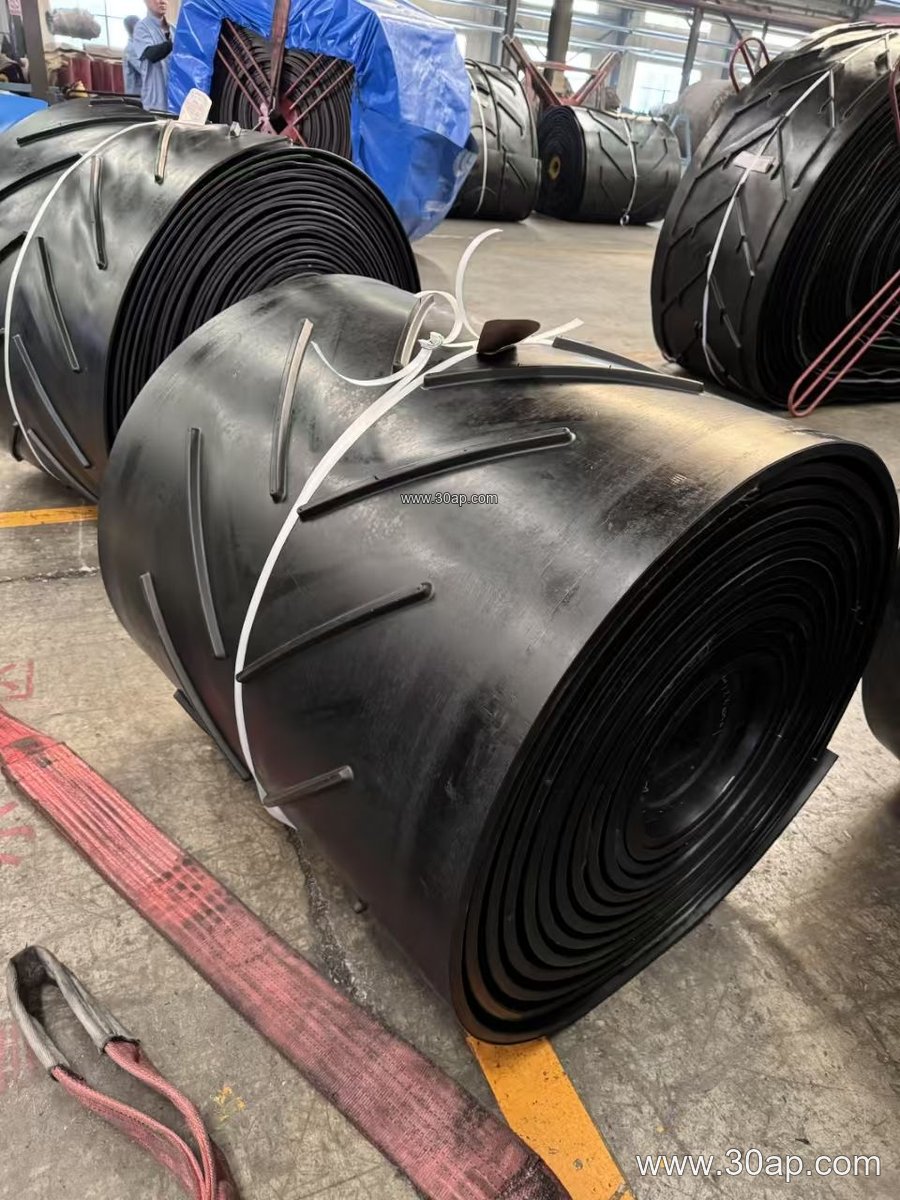
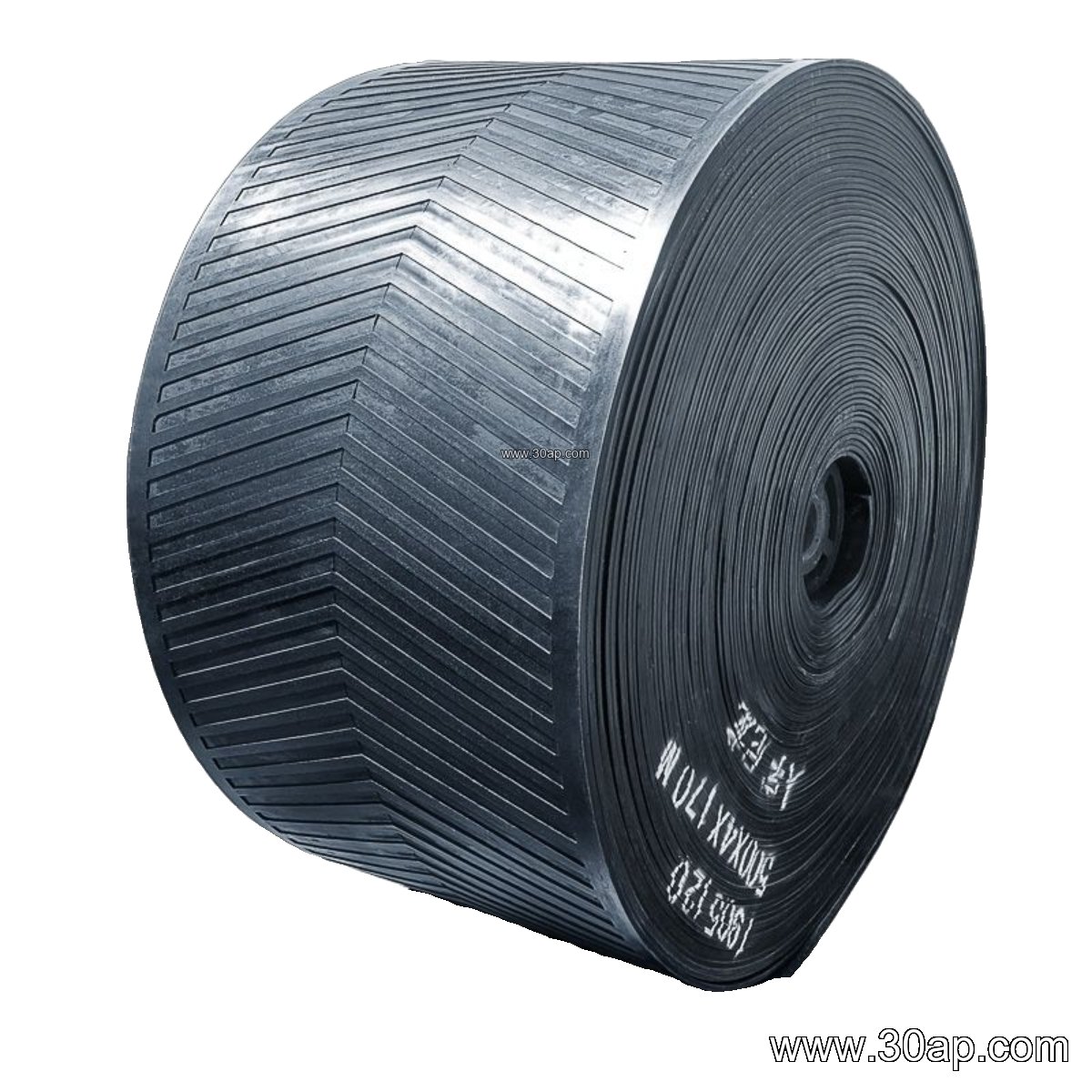
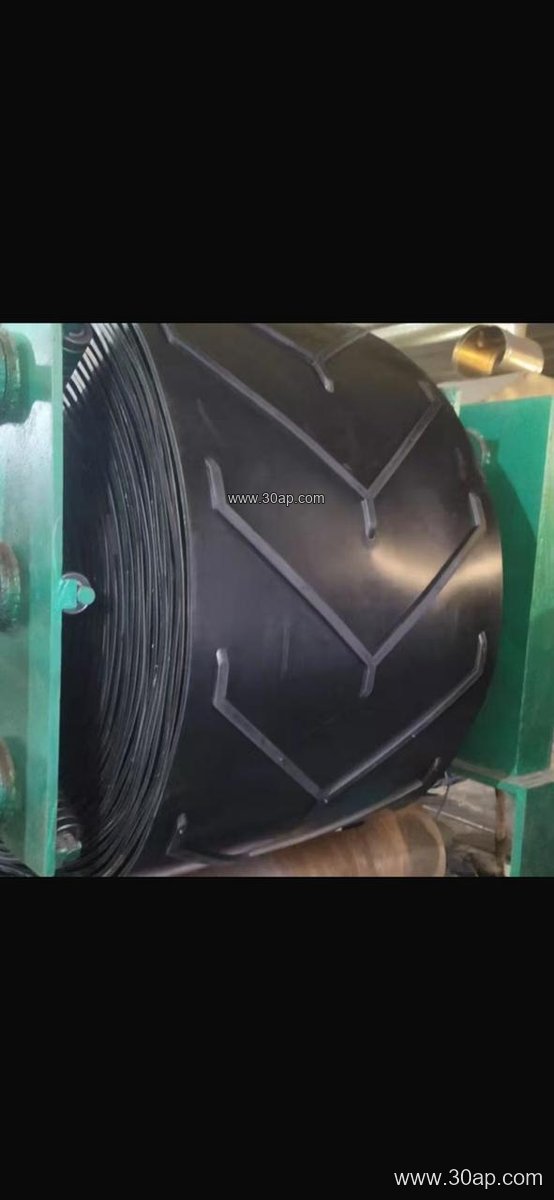
- Surface form: plain, chevron or another pattern, and edge condition
- Flame retardant and anti-static properties for underground use
Common Specifications
The table below shows typical reference values, not a fixed catalogue. Actual strength, cover thickness and width are confirmed by the manufacturer for each order.
| Parameter | Typical reference values |
|---|---|
| Strength grade | PVG800, PVG1000, PVG1250, PVG1400, PVG1600, PVG1800, PVG2000, PVG2500 |
| Belt width | B500, B650, B800, B1000, B1200, B1400, B1600, B1800, B2000 |
| Cover thickness | 3+1.5 mm, 4+2 mm, 5+2 mm, 6+2 mm, 8+3 mm |
| Carcass | Solid-woven fabric, commonly 1 to 4 layers depending on grade |
| Surface | Plain, chevron, or other pattern as required |
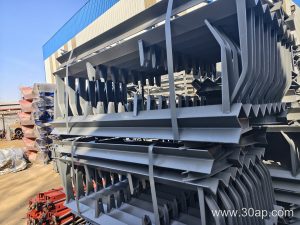
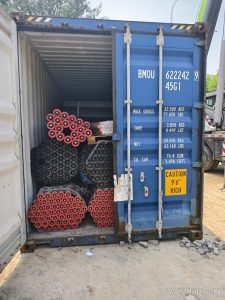
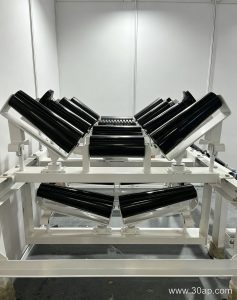
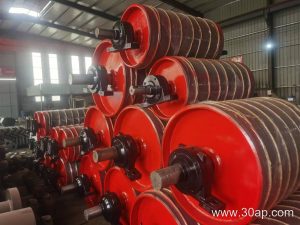
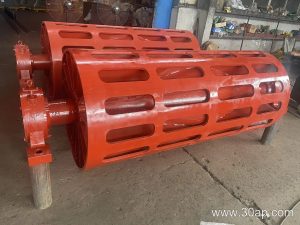
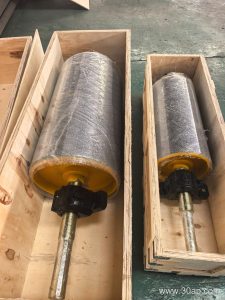
The strength grade is not the same as the belt width. A PVG800 belt may be supplied in several widths, and a B1000 belt may be built to different strength grades. Matching belt width to pulley face width is a design decision, not a fixed rule; the drive pulley, tail pulley and bend pulley are separate components with their own diameters and are not interchangeable. Belt tension, pulley diameter and take-up travel are calculated together with the conveyor layout, the idler roller spacing and the conveyor bracket positions.
Where It Fits in a Plant
PVG belting is most often found on main haulage and gathering conveyors in underground coal mining, on coal handling systems at power stations, and on conveying lines in cement plants and quarries where flame retardancy and anti-static behaviour are priorities. It also suits bulk material conveyor belt duties in sand and gravel plants and in ship loading or port transfer systems where the belt runs on relatively small pulleys and must stay flexible.
For hot clinker, sinter or cement kiln discharge, a heat resistant conveyor belt is the correct choice. For oily or chemical-laden material, an oil resistant or chemical resistant belt should be considered. Where a much higher tension duty is needed over long distances, a steel cord conveyor belt or a high-strength EP conveyor belt may be more appropriate; PVG is not a substitute for those constructions. Likewise, chevron or corrugated sidewall designs solve specific incline and material-containment problems, and they are separate specifications rather than alternatives to the PVG grade itself.
Buyer Checklist
- State the material being carried, lump size, temperature and moisture so the cover compound can be confirmed.
- Give the required tensile grade in N/mm rather than a nominal model number alone.
- Specify belt width and cover thickness, and confirm the minimum pulley diameters for the drive, tail and bend pulleys.
- Confirm flame retardant and anti-static requirements for underground or dusty locations.
- Agree the joint method and whether the belt is to be supplied endless.
- Check that idler roller and conveyor bracket spacing suits the belt sag and load.
With the right grade, cover and joint, a PVG belt gives reliable service in abrasive, dusty and fire-sensitive environments, and its flexible body keeps startup loads and pulley sizes manageable.