What a Heavy-Duty Mining Conveyor Belt Is Built For
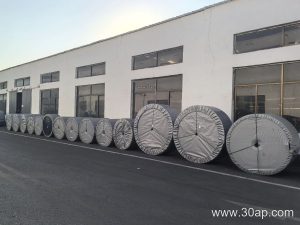
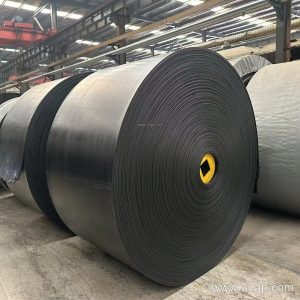
A heavy-duty mining conveyor belt is the load-carrying element in a high-capacity bulk handling system. It is designed for continuous transport of crushed rock, ore, coal, aggregate and overburden where impact, abrasion and long centre distances put steady stress on the belt body. Unlike a light general-purpose belt, this class of Mining Conveyor Belt combines a strong tension-bearing carcass with thick, tough covers and reliable splices so that a single run can move material from a primary crusher to a stockpile or transfer tower.
In practice, buyers often describe the same product as a heavy-duty conveyor belt, a high-strength conveyor belt or a bulk material conveyor belt. These are equivalent names for the same family; the subtype qualifiers matter, because a steel cord carcass is not the same as a fabric core carcass, and a flame retardant cover is not the same as a standard abrasion resistant cover.
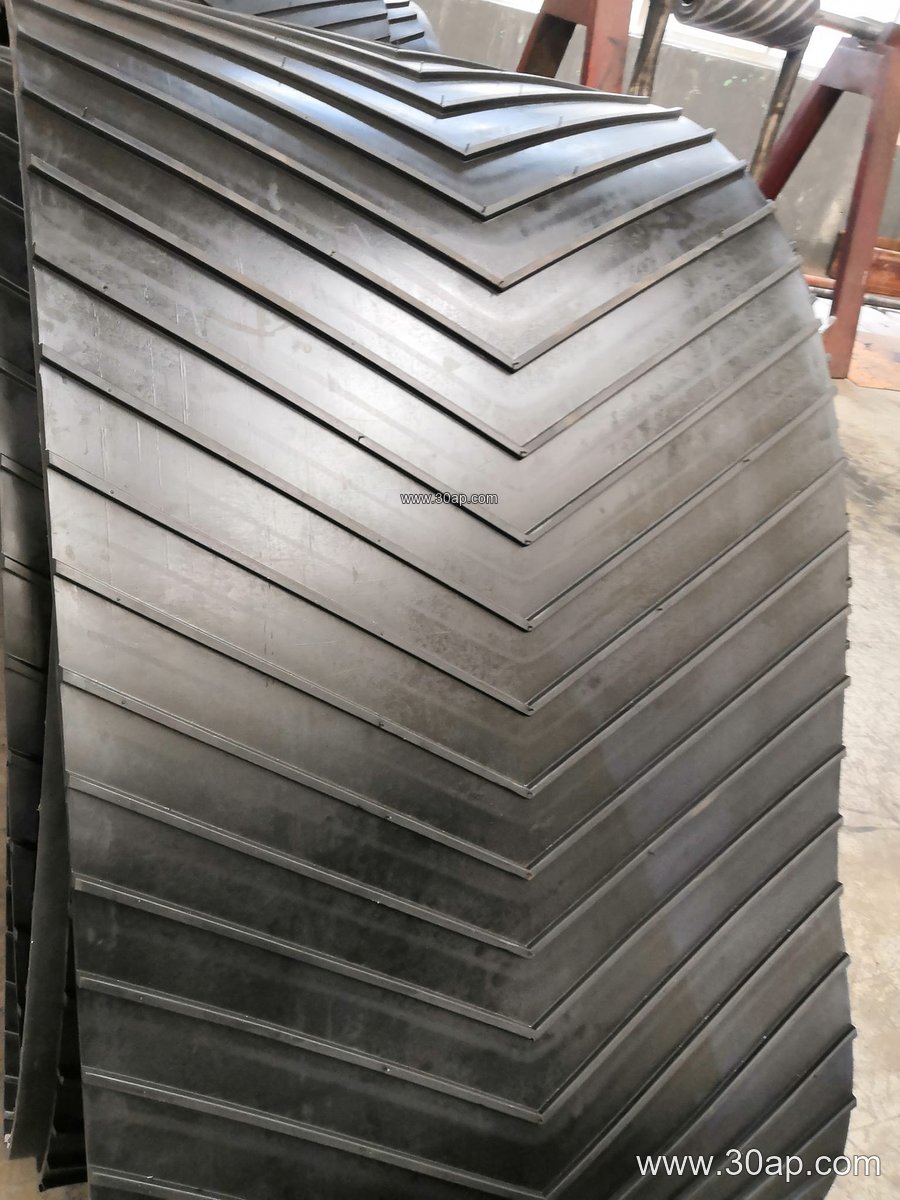
Construction and Carcass Options
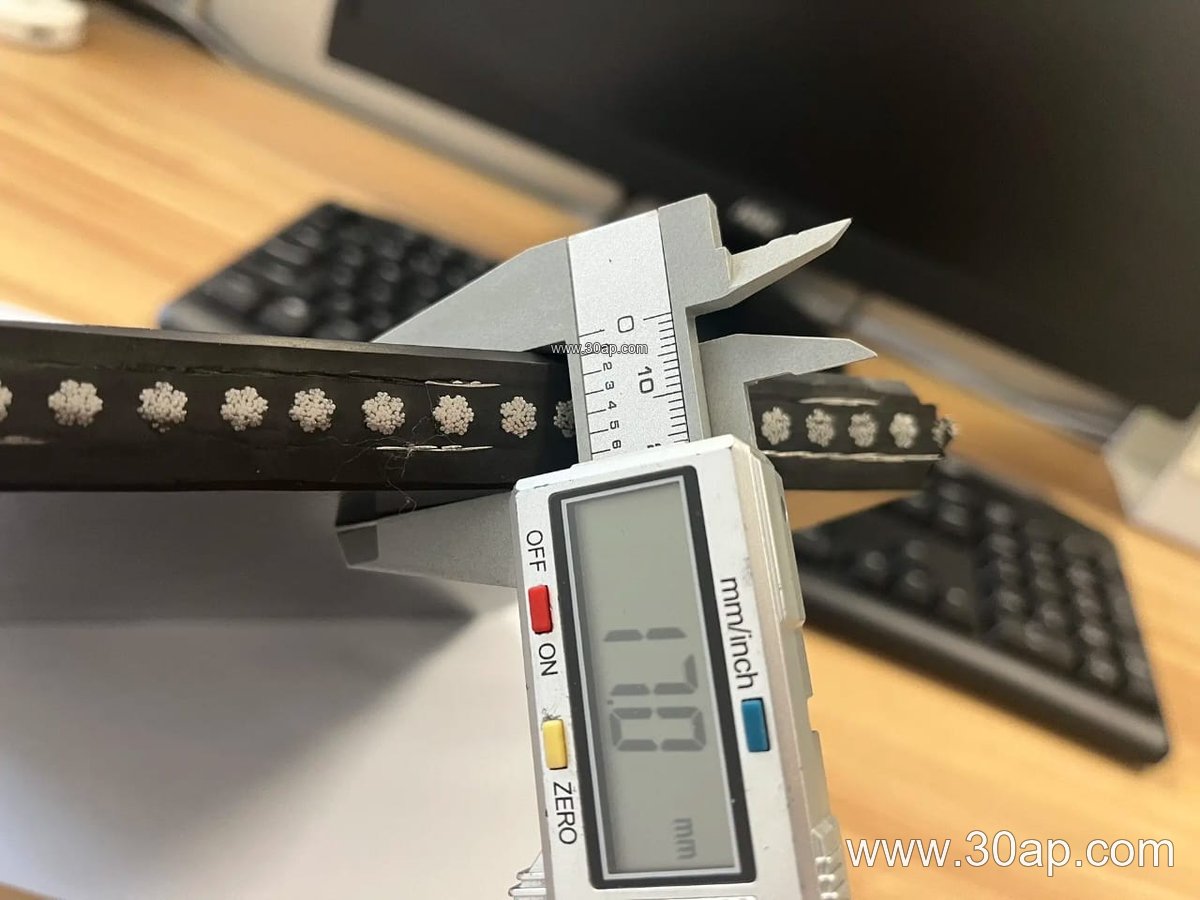
The belt is a composite: a tension-bearing carcass, top and bottom rubber covers, and often a breaker layer beneath the top cover to spread impact from large lumps. Carcass choice drives strength and splice method.
- Multi-ply fabric core. EP (polyester/nylon) and NN (nylon/nylon) constructions are common. EP1000, EP1250 and EP1600 grades appear in main haulage lines, while EP200 to EP630 grades suit shorter or lighter runs. Multi-ply fabric core belts are flexible and tolerate small pulleys well.
- Steel cord. ST1000 up to ST3150 class belts carry the highest tensions over long distances with fewer plies; splice quality and pulley alignment become critical.
- Solid-woven and PVG/PVC. Used in underground coal mining where flame resistance and anti-static behaviour are required, for example PVG800 and PVG800S.
Cover compounds and surface forms
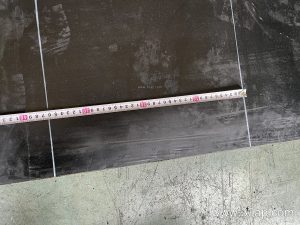
Cover thickness is usually quoted as top plus bottom, such as 4+2, 5+2, 6+2 or 8+3 mm. A high abrasion resistant conveyor belt uses a wear-focused compound for crusher discharge and ore transfer. Heat resistant and high temperature belts serve cement clinker and sinter lines; oil resistant grades handle oily scrap and some mineral feeds; cold resistant compounds are chosen for winter operation. Flame retardant and fire resistant covers, together with anti-static construction, are typical for coal and underground duty. Chevron, skirted and corrugated sidewall forms help on inclines or where material must be contained.
| Parameter | Typical reference range | Notes |
|---|---|---|
| Carcass type | EP, NN, steel cord, PVG/PVC | Selected by tension and splice method |
| Strength grade | EP200 to EP2000; ST1000 to ST3150 | Confirm by design calculation |
| Belt width | B500, B650, B800, B1000, B1200, B1400, B1600, B1800, B2000 | Matched to lump size and capacity |
| Cover thickness | 3+1.5, 4+2, 5+2, 6+2, 8+3 mm | Thicker top cover for impact zones |
| Ply count | 2 to 6 layers (fabric) | Varies by manufacturer and grade |
Widths such as 1200mm and 1800mm are frequently requested in quarry and port systems, but no single width is mandatory. Belt width and pulley diameter are separate design decisions; a wider belt does not automatically require one fixed pulley size, and shaft diameter must come from the conveyor designer’s load calculation, not from belt width alone.
Where It Runs
These belts appear across mining, coal preparation, cement plants, power stations, steel works, sand and gravel pits, crushing circuits and port ship-loading systems. A quarry conveyor belt feeding a secondary crusher sees sharp, hot stone; a coal mining conveyor belt in a prep plant may need flame retardant and anti-static properties; an iron ore or copper ore line demands abrasion resistance and stable tracking. The same belt family also serves aggregate, recycling and construction duty where throughput is high.
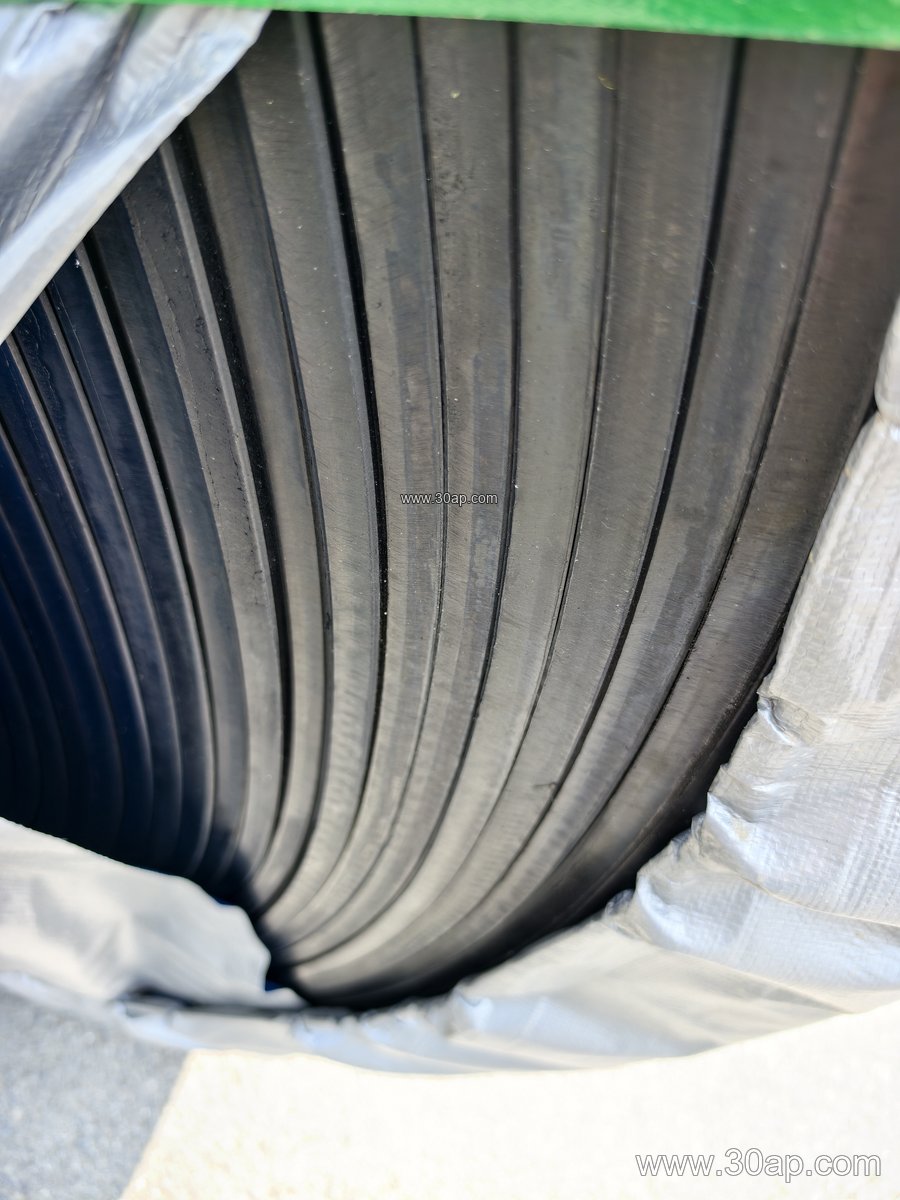
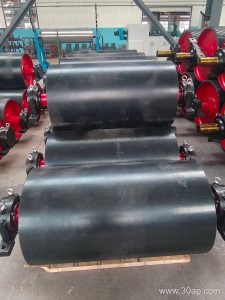
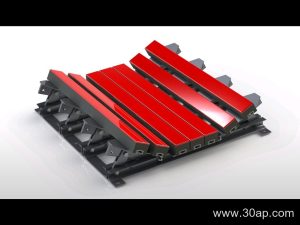
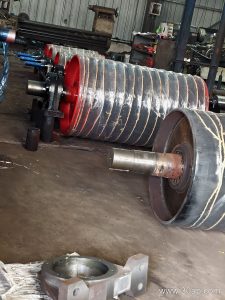
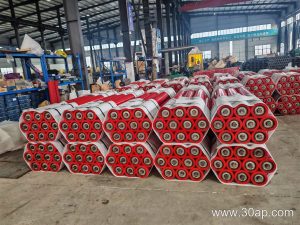
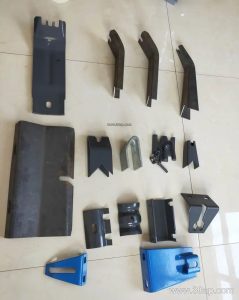
Supporting hardware matters as much as the belt. Troughing idler roller sets shape the load, a head conveyor pulley drives it, tail and bend pulleys return it, and every conveyor bracket must hold alignment. Misaligned frames or seized rollers damage even a premium carcass.
Buyer Checklist
- State material, lump size, throughput, incline and ambient temperature.
- Provide the calculated maximum tension so the grade can be confirmed.
- Specify cover class for abrasion, heat, oil, flame or cold, and note any anti-static requirement.
- Decide splice type early; steel cord and fabric splices need different skills and lead times.
- Ask for the manufacturer’s data sheet rather than assuming a grade from a catalogue number.
- Plan inspection of covers, edges and splices, and keep spare idlers and pulleys on site.
Ordering by application rather than by a single number gives the longest service life. A correctly specified heavy-duty mining conveyor belt, matched to its pulleys, idlers and brackets, keeps a plant running through the toughest shifts.