What a Parallel Return Idler Does
A parallel return idler, often called a flat return roller or plain return idler, supports the empty side of a conveyor belt on its way back to the tail pulley. Unlike a troughing idler that shapes the belt into a trough on the carrying side, this idler keeps the return belt flat or nearly flat. It is a simple but critical component in mining, coal handling, cement plants, power stations, and quarry operations. The parallel return idler works together with the conveyor pulley, conveyor bracket, and the belt itself to keep the system tracking smoothly.
In a typical conveyor structure, the return strand runs beneath the carrying strand. The parallel return idler is mounted on the return frame and rotates as the belt passes over it. Because the belt is empty on this side, the idler mainly carries the belt’s own weight and any material that may have spilled or stuck to the surface. A well-chosen parallel return idler reduces belt sag, lowers friction, and helps maintain proper belt tension between the drive pulley and tail pulley.
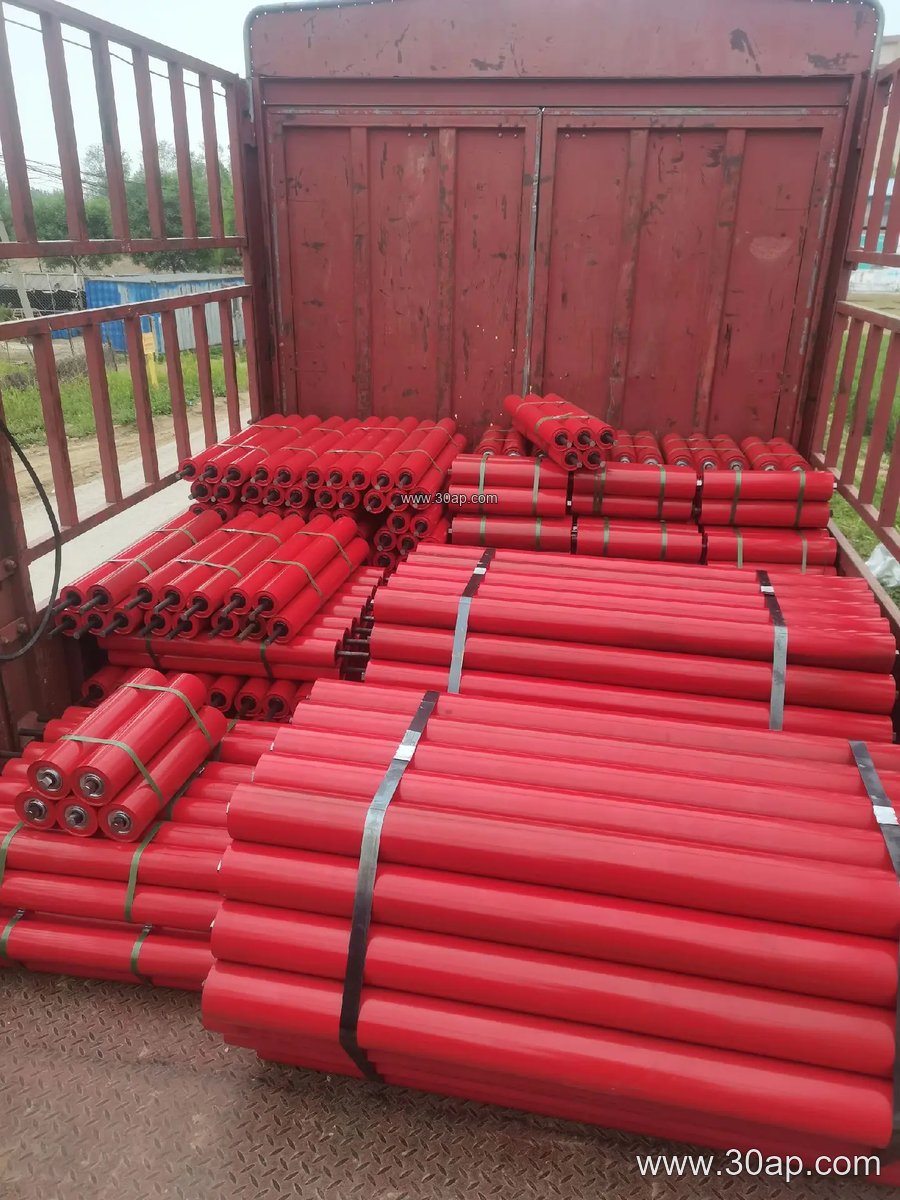
Construction and Common Configurations
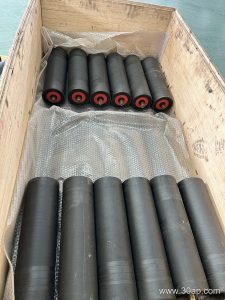
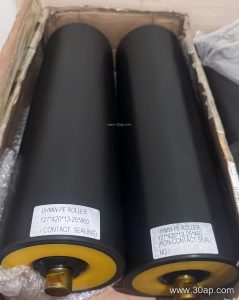
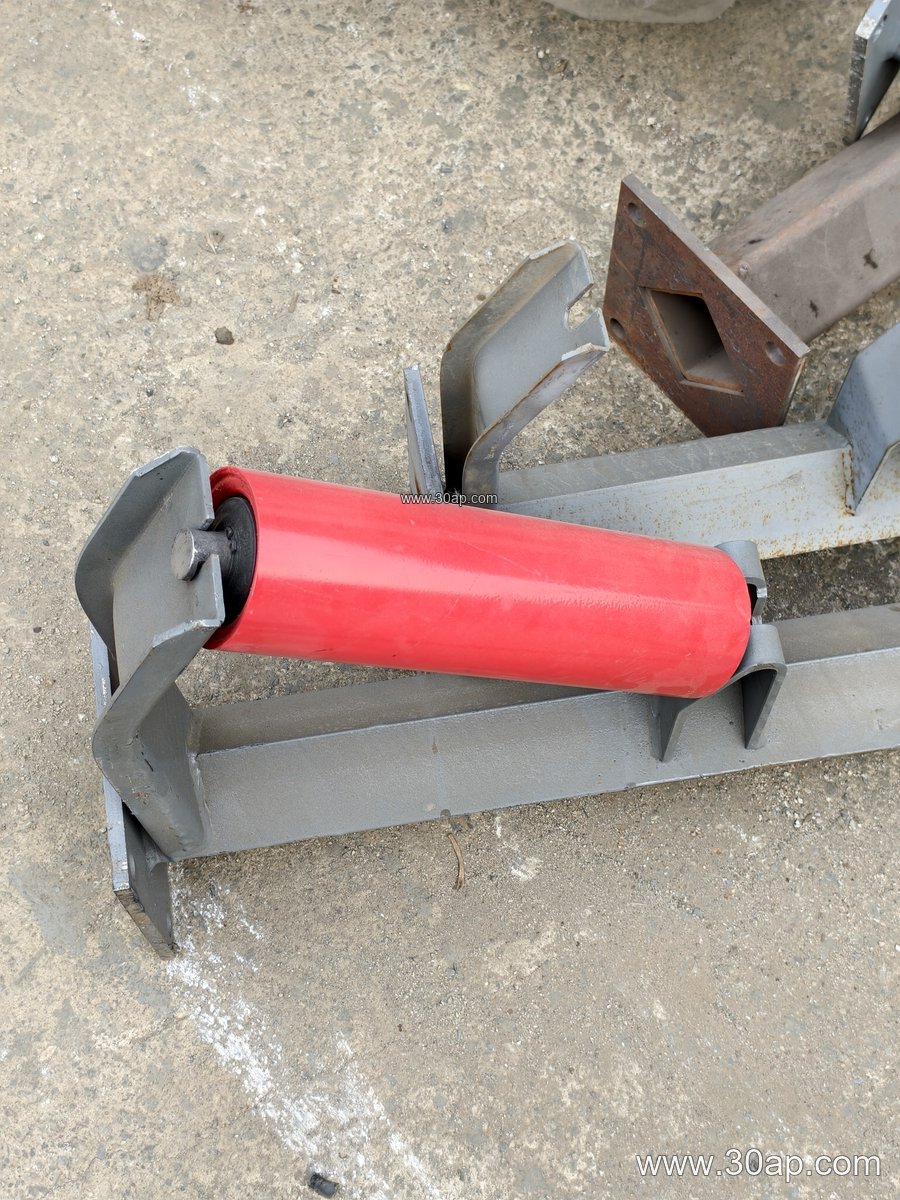
The parallel return idler is usually built with a steel tube shell, bearing housings at each end, and a through shaft. The shell may be plain steel, nylon-coated, or covered with rubber rings for specific duties. Bearings are selected according to load and speed; common sizes include 6204, 6205, 6305, 6306, 6308, and 6310. The idler is mounted on the conveyor bracket with a shaft that fits standard frames.
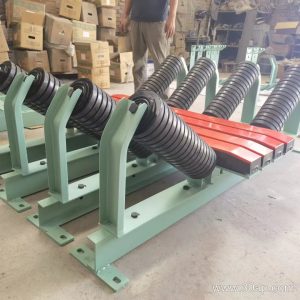
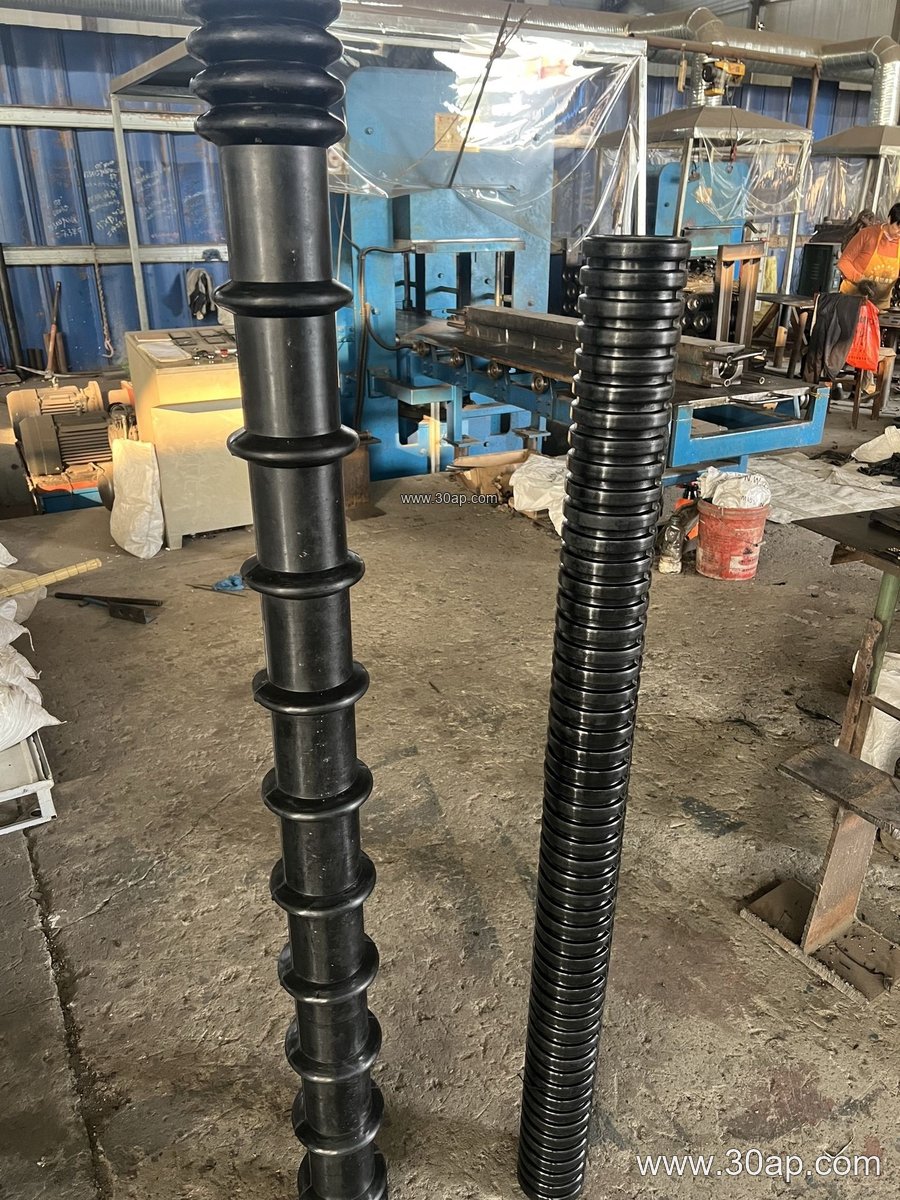
While the parallel return idler is the main subject here, it is useful to note that other return idler types exist, such as the V-type return idler or spiral return roller, which are chosen for different belt training needs. The parallel type remains the most basic flat return support.
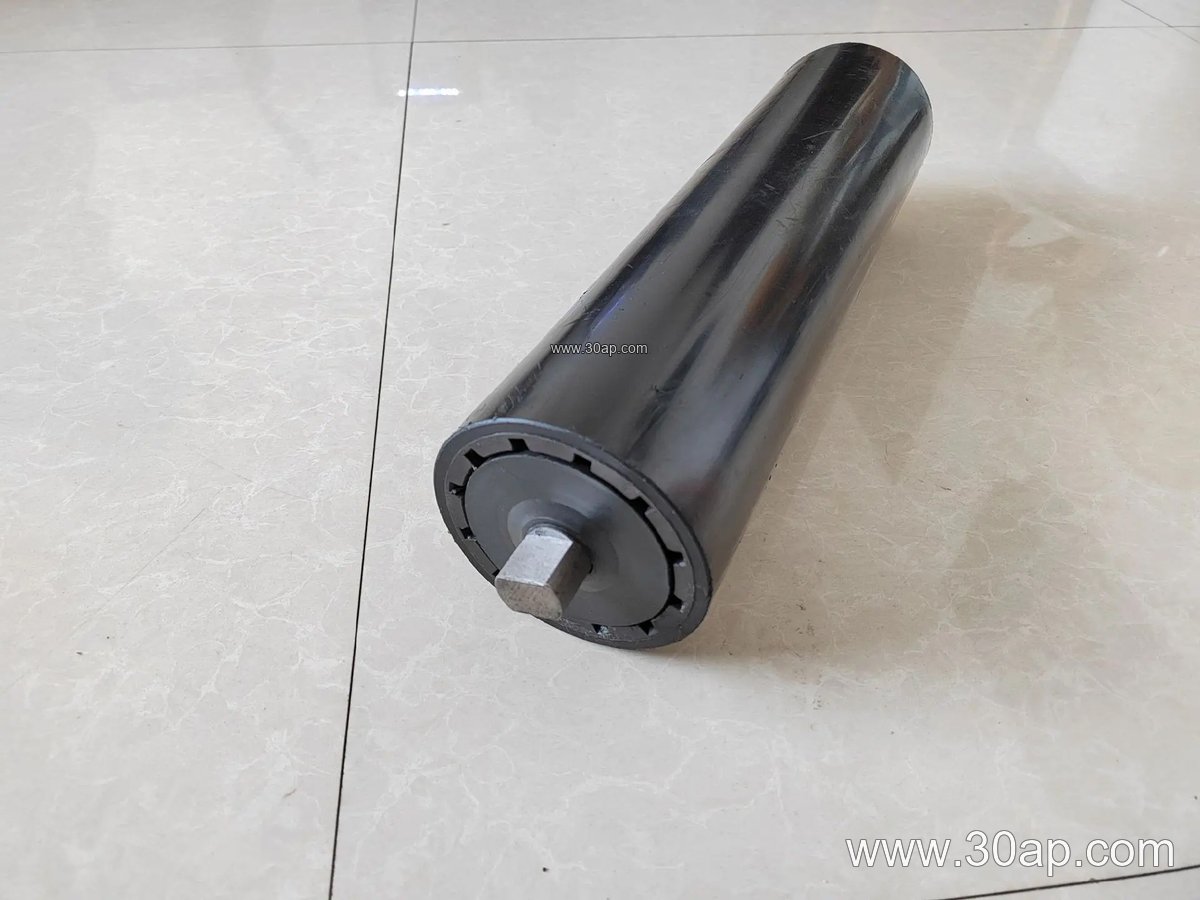
Common roller diameters for return idlers include Ø89, Ø102, Ø108, Ø127, Ø133, Ø159, and larger sizes up to Ø219 for heavy-duty applications. The roller length depends on the belt width, trough angle, and frame design. For example, a parallel return idler for a B800 belt might have a roller length around 315 mm, while a B1200 belt could use a roller around 465 mm. These are typical examples, not fixed rules; actual dimensions are determined by the conveyor designer.
Typical Roller Diameter and Belt Width Reference
| Belt Width (B) | Common Return Idler Diameter | Typical Roller Length (example) |
|---|---|---|
| B500 | Ø89 – Ø108 | 200 mm |
| B650 | Ø89 – Ø108 | 250 mm |
| B800 | Ø102 – Ø127 | 315 mm |
| B1000 | Ø108 – Ø133 | 380 mm |
| B1200 | Ø127 – Ø159 | 465 mm |
| B1400 | Ø133 – Ø159 | 530 mm |
| B1600 | Ø159 – Ø178 | 600 mm |
| B1800 | Ø159 – Ø194 | 670 mm |
| B2000 | Ø178 – Ø219 | 750 mm |
These values are indicative and should be confirmed with the conveyor manufacturer. The parallel return idler must match the belt width and the frame spacing to avoid edge loading or belt damage.
Where It Is Used
Parallel return idlers appear in almost every bulk material handling system. In a coal washing plant, they support the return strand of a flame retardant conveyor belt that carries coal from the mine to the preparation plant. In a cement plant, they are found under heat resistant conveyor belt lines that transport clinker, though the return side is usually cooler. In a quarry or sand and gravel operation, a parallel return idler keeps the return side of an abrasion resistant conveyor belt aligned and stable, especially after the crusher discharge point.
Other industries include power plant coal handling, steel mill sinter lines, and port loading facilities. The idler is equally at home under a steel cord conveyor belt on a long overland conveyor or under a lighter EP conveyor belt in a packaging line. The key is that the return side needs flat support without the troughing effect used on the carrying side.
Selection and Maintenance Tips
When choosing a parallel return idler, consider the belt width, belt speed, load on the return side (including any carryback), and environmental conditions. In dusty or wet areas, sealed bearings and corrosion-resistant finishes help extend service life. For belts that tend to mistrack, a parallel return idler may be combined with a training idler, but the parallel type itself does not provide self-aligning action.
Maintenance is straightforward: check for seized bearings, worn shells, and material buildup. A worn parallel return idler can cause belt edge damage, increased power draw, and premature belt wear. Replacing a damaged idler with the correct diameter and length is important; do not substitute a troughing idler or a different return type without consulting the conveyor design.
In summary, the parallel return idler is a simple, reliable component that supports the belt on its return path. Understanding its construction, common sizes, and proper application helps buyers and maintenance teams keep conveyors running efficiently in mines, cement plants, power stations, and aggregate operations.