What the EP400 Conveyor Belt Is
An EP400 conveyor belt is a fabric-reinforced rubber belt built on polyester-polyamide (EP) carcass plies. The number 400 refers to the nominal tensile strength of the carcass, commonly expressed as 400 N/mm per ply width. In practice, this places the belt in the medium-strength band of EP belting, above EP315 and below EP500. It is the type of belt frequently chosen for main haulage on aggregate plants, cement works, coal preparation circuits, and power station coal yards where a balance between strength, troughability, and cost matters.
The same product is also described as an EP400 rubber conveyor belt or simply an EP belt with a 400-grade carcass. These are equivalent names for the same item, not different belt families.
How the Belt Is Built
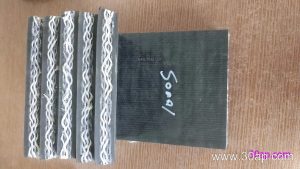
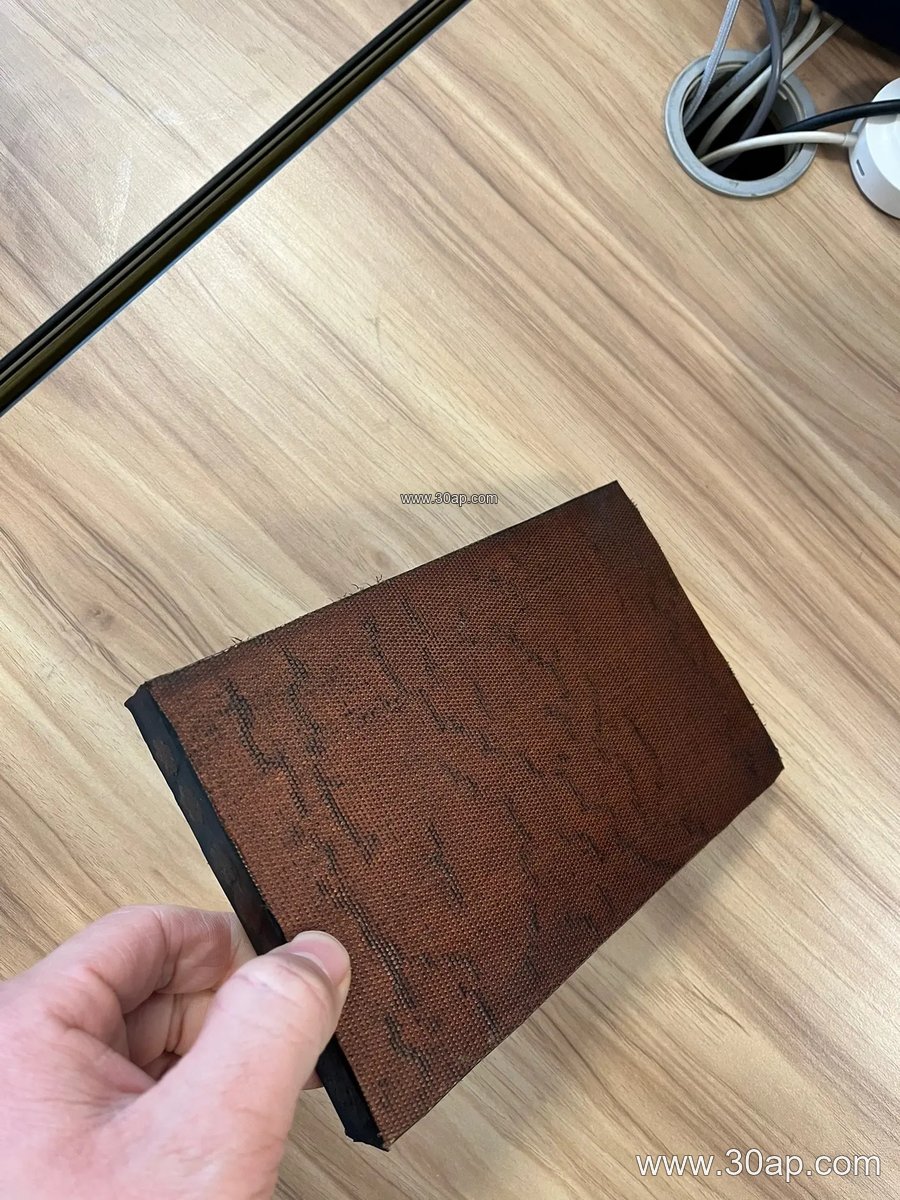
The carcass is the working part. In an EP400 belt it usually consists of two to six EP fabric plies, with the ply count matched to the required breaking strength and to the pulley and support spacing on the conveyor. EP fabric brings low elongation in service, good resistance to moisture, and reliable splice strength compared with cotton or ordinary nylon carcasses.
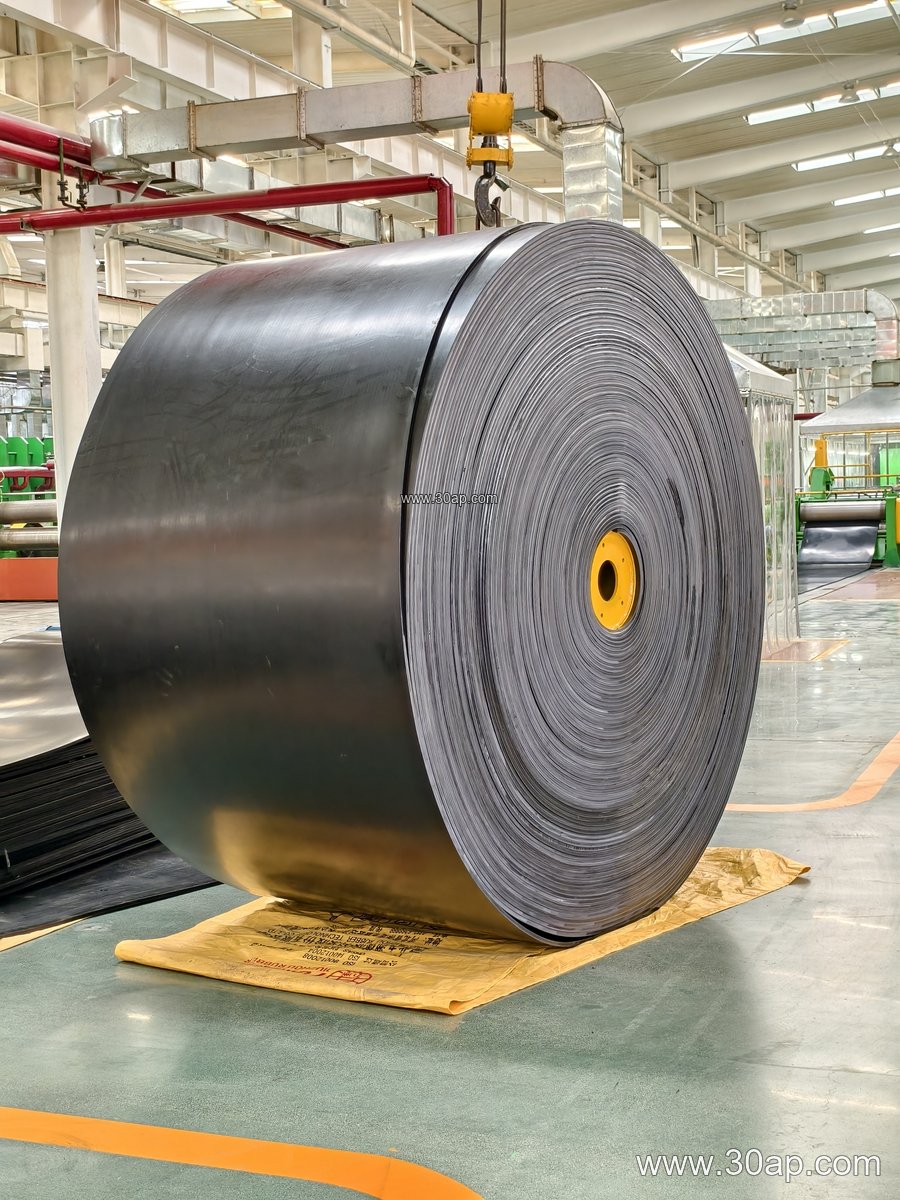
Top and bottom covers protect the carcass from abrasion, impact, and moisture. Common cover combinations include 3+1.5 mm, 4+2 mm, 5+2 mm, 6+2 mm, and 8+3 mm, where the first figure is the top cover and the second the bottom cover. The right combination depends on material lump size, drop height, and whether the carrying side sees sharp rock or fine powder.
Edges are usually cut or moulded, and the belt can be supplied with covers formulated for wear resistance, heat, oil, flame retardancy, antistatic behaviour, cold climates, or acid and alkali exposure. Chevron, ribbed, and corrugated sidewall forms are separate constructions used where incline or material containment demands them; they are not direct replacements for a standard flat EP400 belt.
Typical Working Conditions
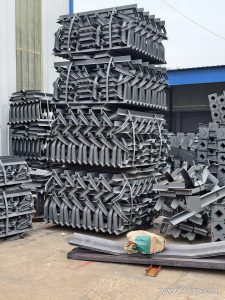
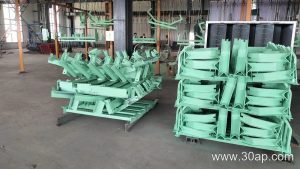
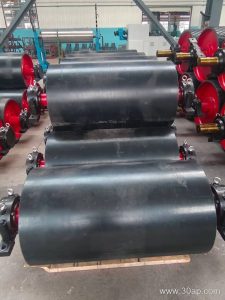
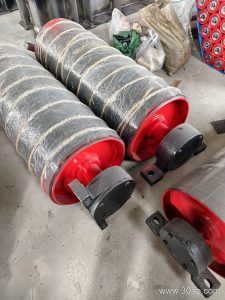
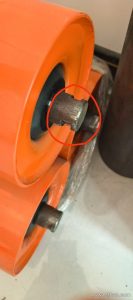
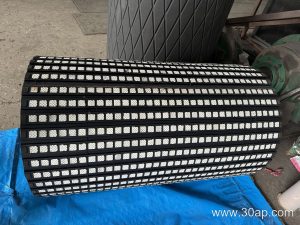
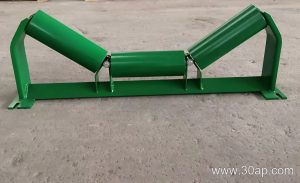
An EP400 belt is often found on inclined and horizontal conveyors moving crushed stone, clinker, coal, ore, sand, and gravel. It can run over troughing idler rollers on the carrying side and return rollers underneath, and it is trained by conveyor pulleys at the head and tail. Support frames and conveyor brackets hold the idlers and pulleys in alignment, and their condition directly affects belt tracking and edge wear.
Because the carcass is moderate in strength, EP400 suits conveyors with moderate centre distances and moderate tonnage rather than very long single-flight haulage. For heavier duties, higher grades such as EP500, EP630, or steel cord belting may be considered; the choice should follow the conveyor design calculation, not a rule of thumb.
Common Reference Data
The values below are reference ranges. Actual supply is confirmed by the belt manufacturer and by the conveyor design.
- Strength grades in the EP family: EP200, EP315, EP400, EP500, EP630, EP800, EP1000, EP1250, EP1600, EP2000
- Common belt widths: B500, B650, B800, B1000, B1200, B1400, B1600, B1800, B2000
- Common cover combinations: 3+1.5 mm, 4+2 mm, 5+2 mm, 6+2 mm, 8+3 mm
- Carcass plies: usually 2 to 6, depending on duty
Belt width and pulley diameter are separate design decisions. A wider belt does not automatically require one specific pulley size, and a given width can work with several pulley diameters depending on tension, wrap angle, and splice requirements.
What Buyers Should Check
Start with the conveyor duty: tonnage per hour, lump size, incline, centre distance, and the material’s abrasiveness and moisture. Confirm the required strength grade and ply count with the conveyor designer, then select covers to suit wear and impact. Ask how the belt will be spliced, since splice type affects the strength actually available in service.
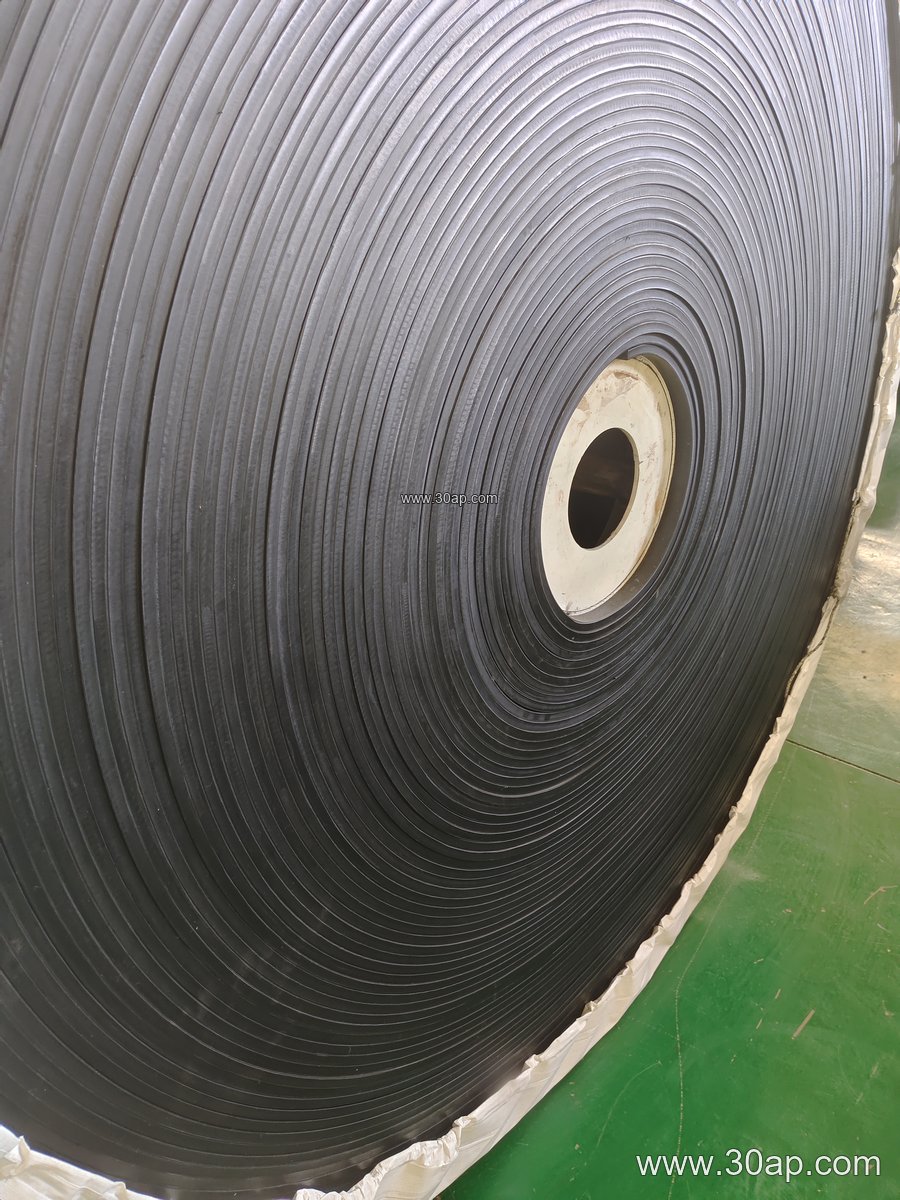
Check that the conveyor pulleys, idler rollers, and brackets are in good condition before fitting a new belt. Worn idlers, misaligned brackets, and damaged pulley lagging shorten belt life more often than the belt itself. Store belts in a dry, shaded place, and avoid sharp folds during handling.
Finally, match the order specification to the application: strength grade, width, cover thickness, ply count, and any special cover property. A correctly specified EP400 conveyor belt, installed on a well-maintained conveyor, gives dependable service in aggregate, cement, coal, and power plant duty.