What a Carbon Steel Idler Is
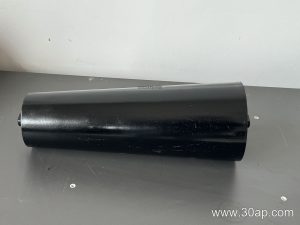
A carbon steel idler is the rotating roller assembly that supports and guides a conveyor belt along its carrying and return runs. In everyday plant language it is often called a steel idler roller or simply an idler. The tube, shaft and end caps are made from carbon steel, which gives the roller a good balance of strength, stiffness and cost for bulk material handling. It is a consumable component rather than a drive part, so it turns freely while the belt does the pulling.
Because the belt rests on many of these rollers, small differences in diameter, alignment or bearing quality add up over a long conveyor line. That is why buyers tend to look at the whole idler group rather than a single roller.
How the Roller Is Built
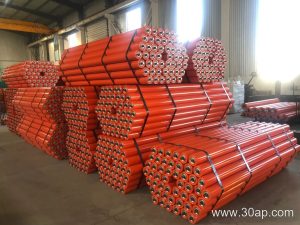
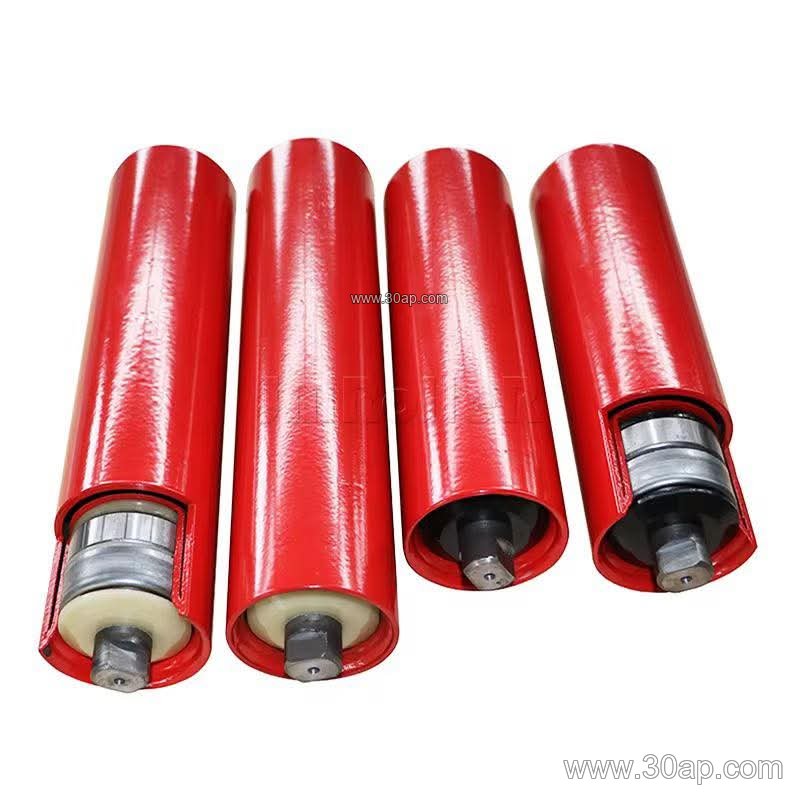
A typical carbon steel idler consists of a seamless or welded steel tube, a through shaft, pressed end caps, bearing housings and a sealing arrangement. The shaft usually runs the full length of the roller so that the ends can sit in the conveyor bracket. Bearings are commonly deep groove ball bearings, and the seal is the part that decides how well the roller survives dust and moisture.
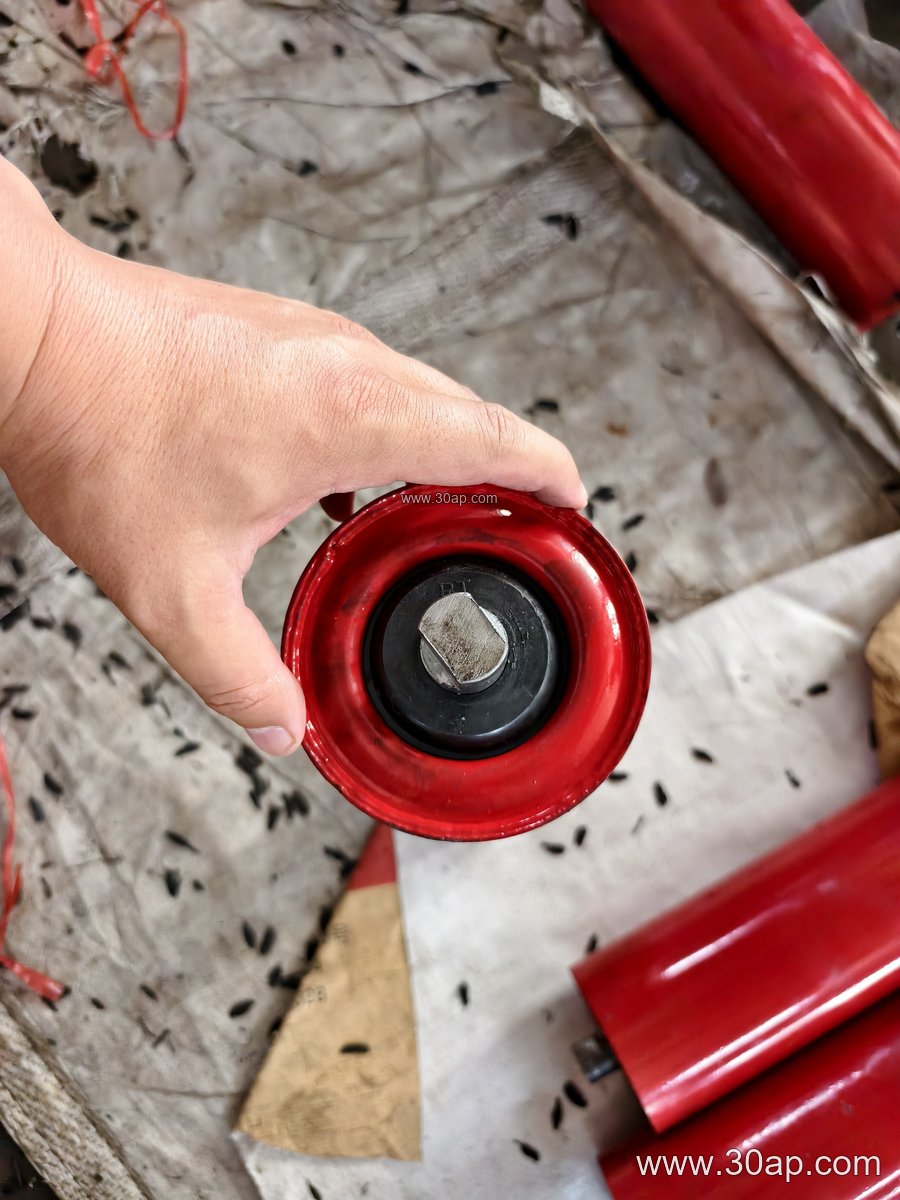
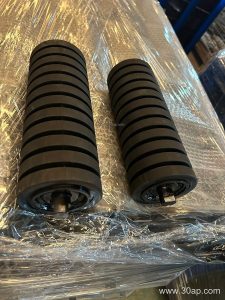
Surface form matters as much as the steel itself. Plain steel tube suits general carrying duties. Rubber rings are added on impact rollers at transfer points, while nylon or ceramic covers appear where belt slip or build-up is a concern. The choice should follow the duty, not the other way round.
Where Carbon Steel Idlers Are Used
These rollers appear wherever a conveyor belt moves loose material. In a limestone quarry they carry crushed rock from the primary crusher to the screening plant. In a coal-fired power station they support the coal belt from the stockyard to the boiler bunkers. Cement plants, aggregate lines and port loading systems use them in much the same way, often in long runs where hundreds of rollers share the load.
Position within the conveyor decides the type. Carrying idlers sit on the loaded side, return idlers support the empty belt underneath, and impact idlers absorb the drop at a transfer chute. Self-aligning idlers help keep the belt centred on long or slightly misaligned structures.
Common Sizes and Group Forms
Roller diameter is selected together with belt width, belt speed and load. The table below shows typical reference values; actual sizes are confirmed by the conveyor design.
| Parameter | Common reference values |
|---|---|
| Roller diameter | Ø63, Ø76, Ø89, Ø102, Ø108, Ø127, Ø133, Ø159, Ø178, Ø194, Ø219 mm |
| Belt width | B400, B500, B650, B800, B1000, B1200, B1400, B1600, B1800, B2000, B2200, B2400 |
| Trough angle | 20°, 30°, 35°, 45° |
| Idler group | single roll, two-roll, three-roll troughing |
| Bearing | 6204, 6205, 6305, 6306, 6308, 6310 |
| Roller surface | steel tube, nylon, ceramic, rubber rings |
Roll length changes with belt width, trough angle and group form. As a rough guide, a three-roll troughing set might use a roll around 200 mm long for B500, 315 mm for B800, 465 mm for B1200 and 600 mm for B1600. Side rolls and the centre roll can differ, so these figures are examples rather than fixed pairings. One belt width can also work with more than one roller diameter.
What Buyers Should Check
- Duty and environment. Abrasive wet rock, coal dust and fine cement powder all stress seals differently. Ask how the bearing housing is protected.
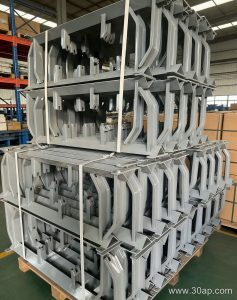
- Group geometry. Trough angle and roll length must match the existing conveyor bracket and belt width.
- Balance and runout. A poorly balanced steel roller vibrates and wears the belt edge.
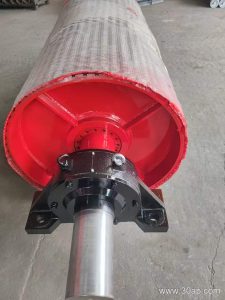
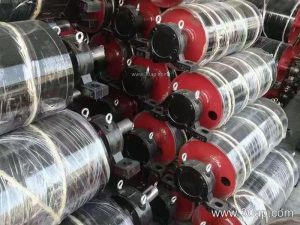
- Interchangeability. Drive pulleys, tail pulleys and bend pulleys are separate components and cannot be replaced by idlers; only the roller positions belong to this product.
- Spares planning. Keep a small stock of the most used diameters and lengths so a failed roller does not stop the line.
Maintenance is mostly about rotation. A roller that stops turning causes belt friction, heat and premature cover wear, so periodic checks with the belt stopped are worthwhile. Replacing a seized carbon steel idler early is usually cheaper than repairing the belt it damaged.