What a Vertical Idler Bracket Does
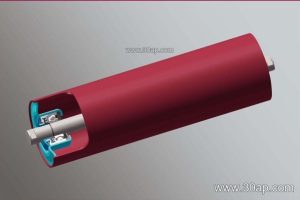
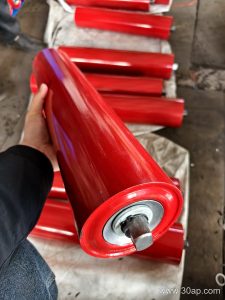
A vertical idler bracket is the mounting element that fixes a conveyor idler roller in an upright position relative to the conveyor frame. Instead of setting the roller at an angle in a troughing arrangement, this bracket presents the roller vertically, so the idler face stands square to the belt line. In a coal handling plant or a limestone quarry, that vertical presentation is often chosen where side guidance, belt edge control, or a compact frame layout matters more than deep troughing.
The bracket is a structural part, not a wear part in the same sense as the roller shell. It carries the load transferred from the idler roller and passes it into the stringer or cross beam. Its stiffness, hole pattern, and mounting height therefore influence how the idler sits and how evenly the conveyor belt runs.
Construction and Materials
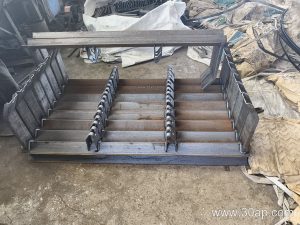
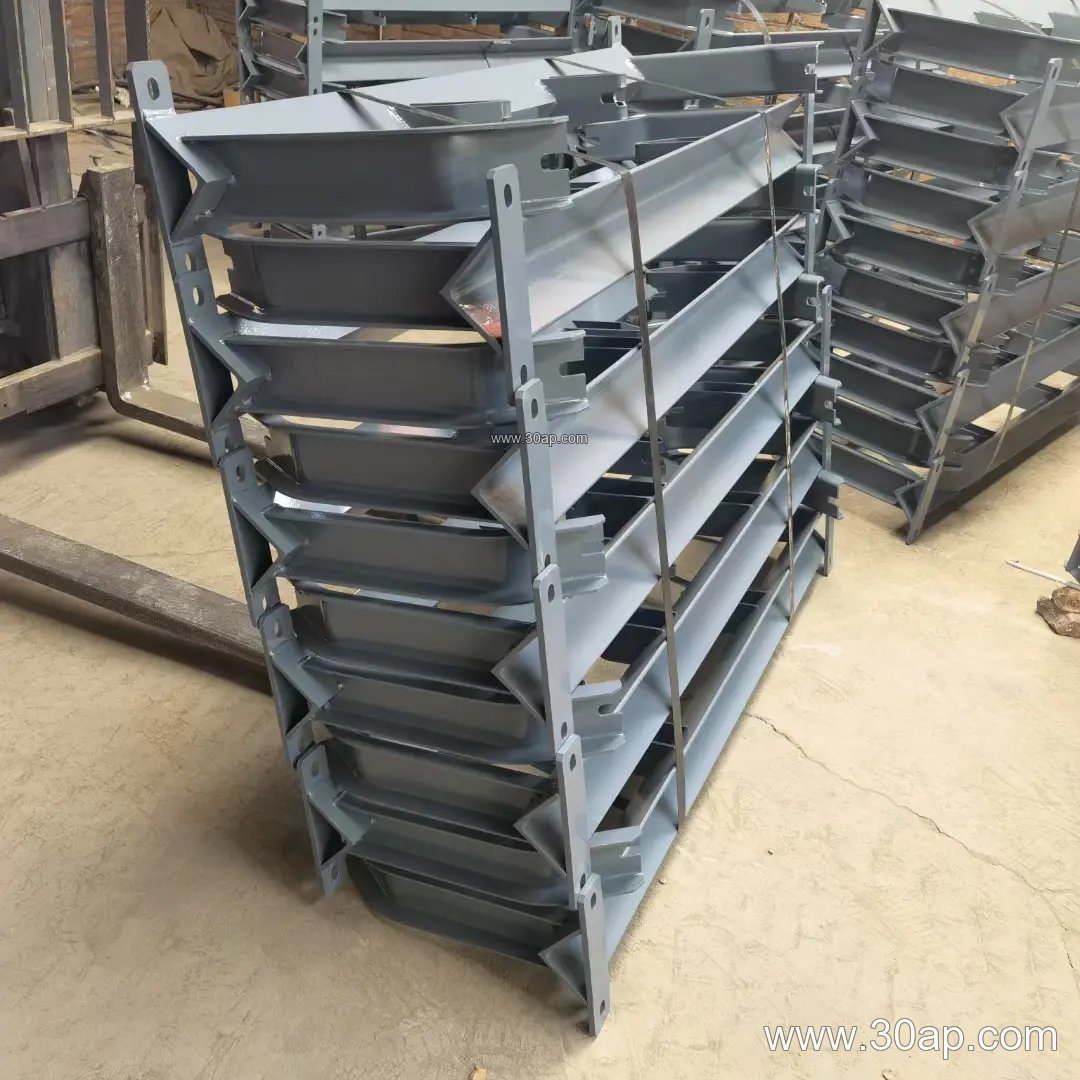
Most vertical idler brackets are fabricated rather than cast. Common materials are angle steel, channel steel, and folded steel plate. The choice depends on the load path and the available fixing points on the frame:
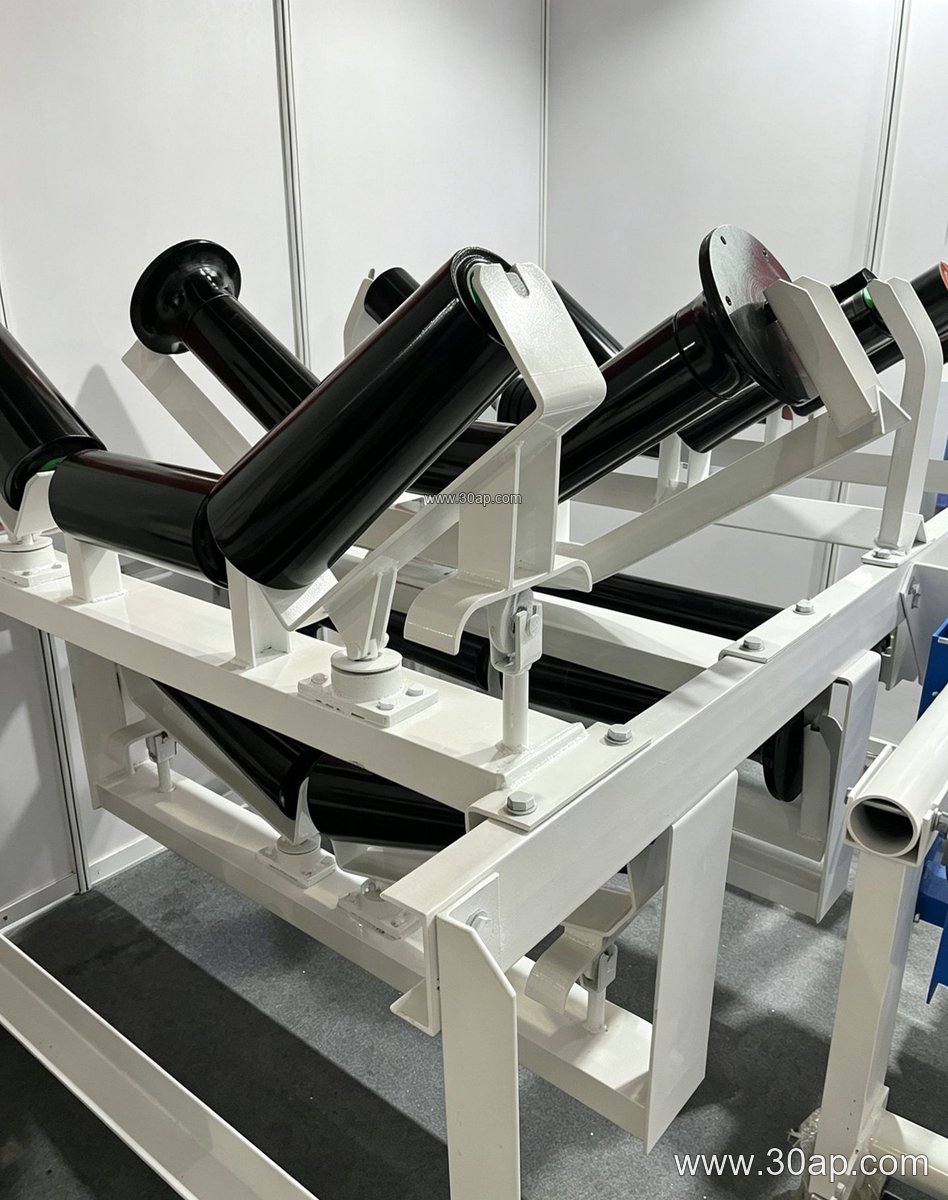
- Angle steel for lighter idler stations and simple bolted connections.
- Channel steel where the bracket must span a wider gap or resist bending.
- Folded plate where a compact, ribbed shape suits the frame design.
Fixing is usually by bolted slots or drilled holes, sometimes with an adjustable slot so the roller height or lateral position can be trimmed during alignment. Weld-on versions exist, but bolted brackets are easier to replace when a frame is modified. Surface treatment is normally painted or galvanized; the correct choice depends on dust, moisture, and wash-down conditions in the plant.
Where It Fits in the Conveyor
The bracket is typically used in the carrying run or at transition zones, depending on the frame design. It is a distinct part from the troughing bracket family and should not be confused with those components. A troughing idler bracket holds three rollers at a trough angle; a return bracket supports the belt on the return side; a V-return bracket uses angled rollers. The vertical bracket is its own mounting concept and is selected for the specific position it serves.
It is also separate from the pulleys. Drive pulleys, tail pulleys, and bend pulleys transmit motion and change belt direction, and they are not interchangeable with each other or with idler brackets. The bracket belongs to the idler station, while the conveyor pulley belongs to the drive or direction-change point. Keeping that distinction clear helps when ordering spares for a cement plant or a power station coal line.
Matching Bracket to Belt and Roller
Bracket selection starts with the belt width and the roller diameter, then the frame hole pattern. Typical belt widths in service range from B500 and B650 up through B800, B1000, B1200, B1400, B1600, B1800, B2000, and B2200. Roller diameters commonly include Ø89, Ø108, Ø133, Ø159, and Ø194. These are reference ranges, not fixed pairings; a given belt width can be served by more than one roller diameter and more than one bracket layout.
Mounting hole spacing and cross beam length are usually determined by the belt width, the frame type, and the required roller position. They should be confirmed against the actual frame drawing rather than assumed from the belt width alone. Shaft diameter follows the roller and load design, not the belt width by itself.
| Parameter | Common reference values | Notes |
|---|---|---|
| Belt width | B500, B650, B800, B1000, B1200, B1400, B1600, B1800, B2000, B2200 | Confirm against frame drawing |
| Roller diameter | Ø89, Ø108, Ø133, Ø159, Ø194 | Selected by load and belt speed |
| Material | Angle steel, channel steel, folded plate | By load path and frame design |
| Mounting | Bolted, slotted, or welded | Slots allow field alignment |
Buyer Checks Before Ordering
Ask for the frame drawing and confirm the hole centers, bracket height, and roller shaft size. State the belt width and the idler roller diameter you intend to use, and note whether the bracket must be adjustable. In a sand and gravel line or a fertilizer warehouse, dust and corrosion protection may matter as much as the steel gauge. Check that the bracket is described as a vertical bracket and not mixed with troughing or return hardware in the quotation. Spare quantities should reflect the number of idler stations, not a single fixed ratio.