What an EP400 Conveyor Belt Is
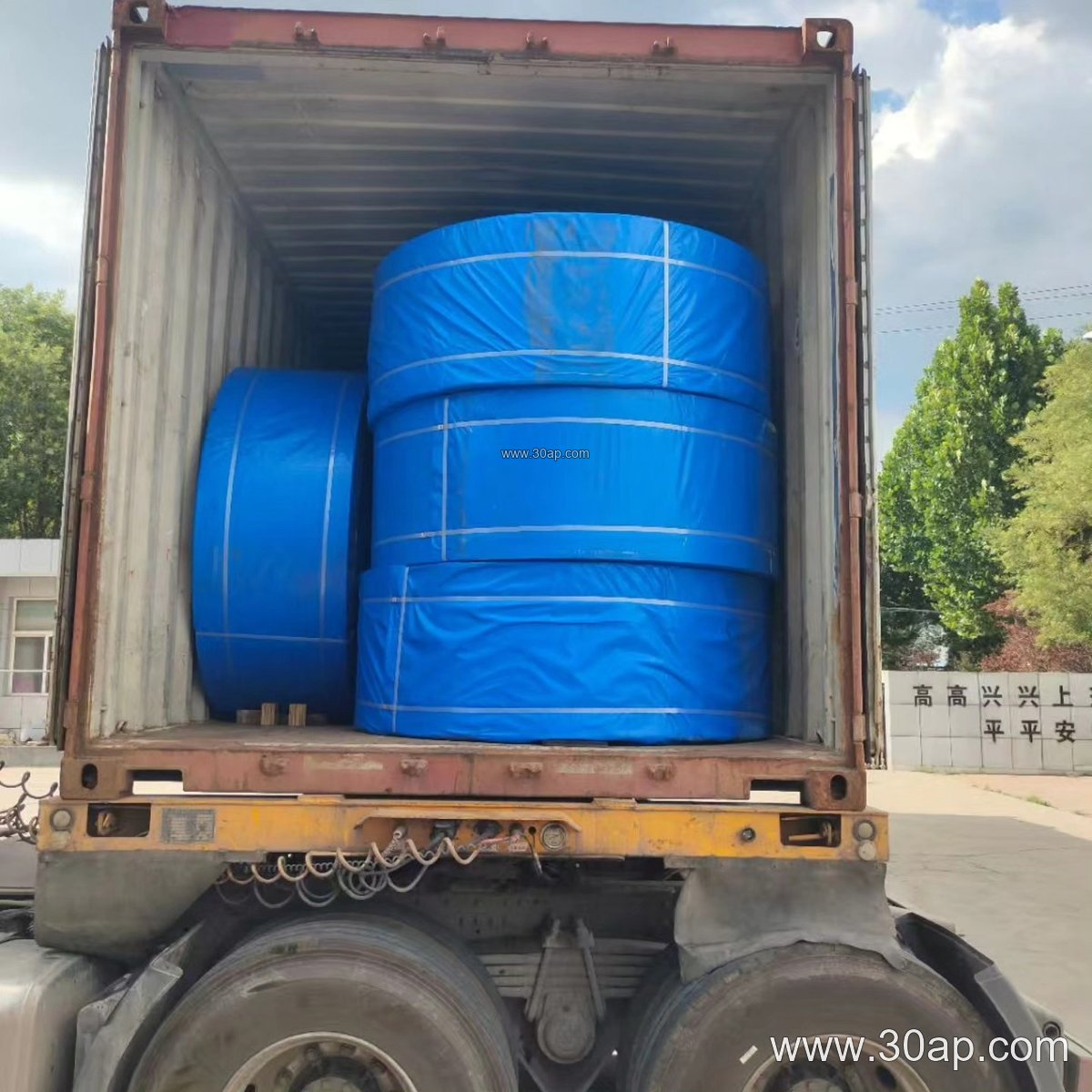
An EP400 conveyor belt is a fabric-reinforced rubber belt built on polyester-cotton (EP) carcass plies and rated for a nominal tensile strength of 400 N/mm per ply width. It sits in the middle of the common EP range, above EP200 and EP315 and below EP500, EP630, EP800 and the higher grades. In practice, the EP400 belt is a general-purpose workhorse for medium-duty conveying where abrasion, moisture and moderate impact are present but extreme tension is not.
The same product is often called an EP400 rubber conveyor belt or simply a 400-grade EP belt. These are equivalent names for the same construction, not separate belt families.
How the Belt Is Built
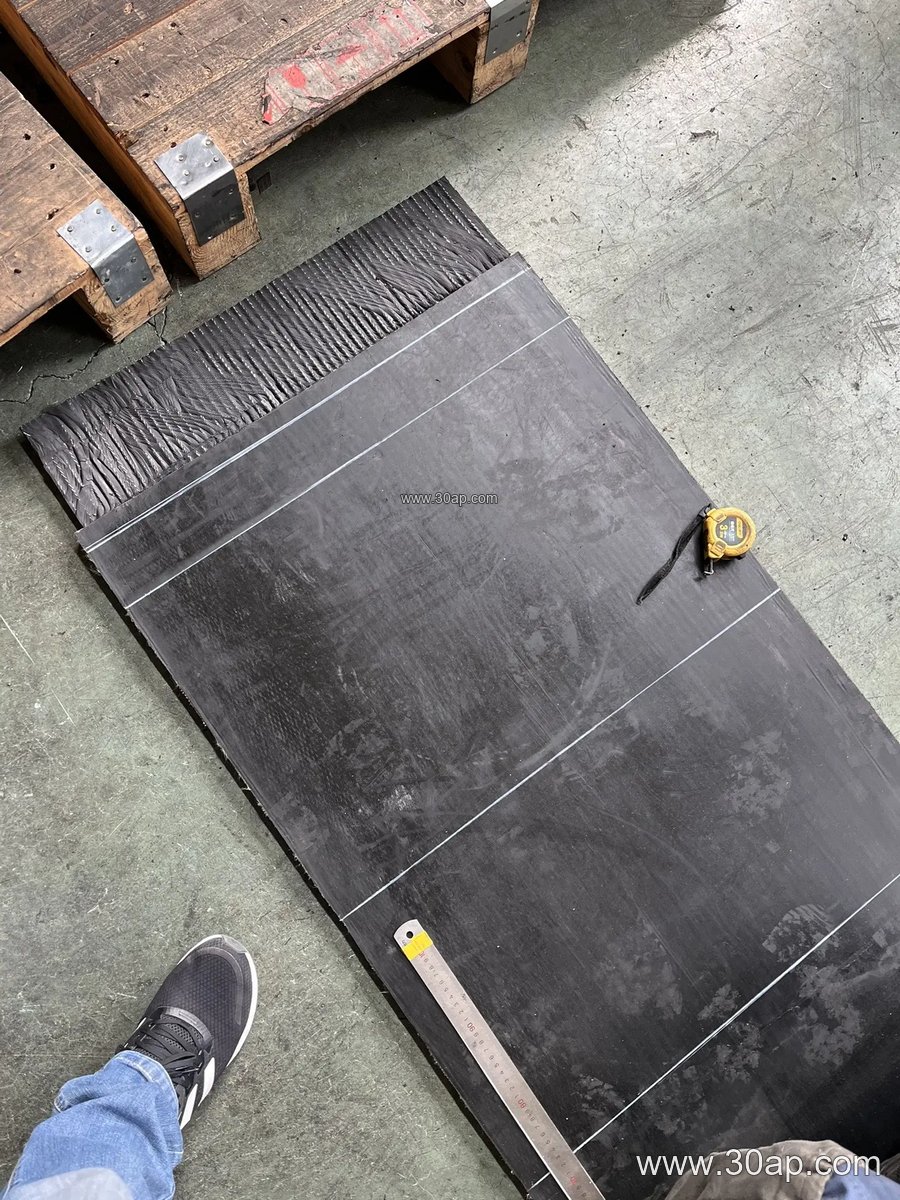
The carcass is the load-bearing part. EP fabric plies are bonded with rubber skim and then covered on both faces with abrasion-resistant or application-specific cover compounds. The number of plies is chosen by the belt designer; common constructions run from 2 plies to 6 plies depending on the required strength and the pulley and support geometry of the conveyor.
Cover thickness is usually written as a top plus bottom pair. Typical combinations include 3+1.5 mm, 4+2 mm, 5+2 mm, 6+2 mm and 8+3 mm. These are reference values, not universal specifications, and the final build should always follow the conveyor design.
Common Strength and Width References
The table below shows how the EP400 grade fits within the wider EP series and which belt widths are frequently discussed for industrial conveyors. Values are indicative references only.
| Item | Reference data |
|---|---|
| Belt grade | EP200, EP315, EP400, EP500, EP630, EP800, EP1000, EP1250, EP1600, EP2000 |
| Typical belt width | B500, B650, B800, B1000, B1200, B1400, B1600, B1800, B2000 |
| Cover thickness | 3+1.5, 4+2, 5+2, 6+2, 8+3 mm |
| Carcass plies | Usually 2 to 6 plies |
| Cover compounds | Abrasion resistant, heat resistant, oil resistant, flame retardant, antistatic, cold resistant, acid and alkali resistant |
| Surface forms | Smooth, patterned, chevron, corrugated sidewall |
Note that belt width and pulley diameter are matched by conveyor design, not by a fixed rule. A B800 belt, for example, may run on several different pulley diameters depending on the duty and the take-up arrangement.
Where It Is Used
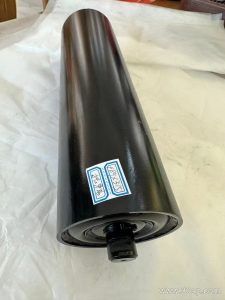
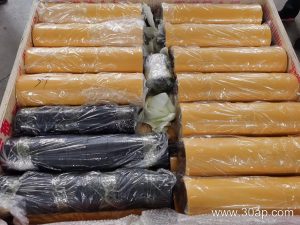
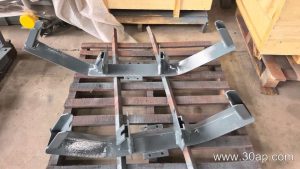
EP400 belting is common in mining and quarry operations, coal handling, cement plants, power stations, sand and gravel yards, and bulk material terminals. It moves crushed stone, clinker, coal, ore, sand, fertilizer and similar products on troughed or flat conveyors. In these systems the belt works together with conveyor idler rollers that support the load, conveyor pulleys that drive and redirect it, and conveyor brackets that hold the frame together.
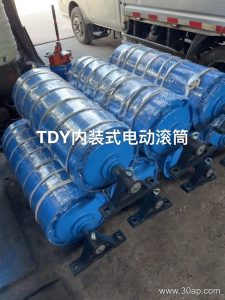
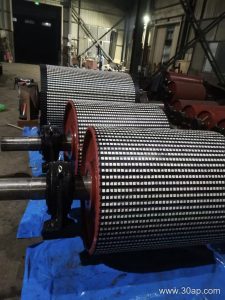
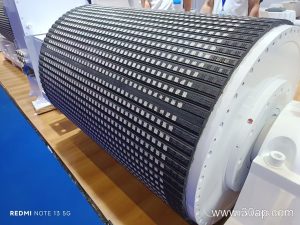
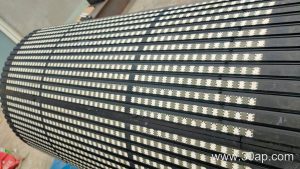
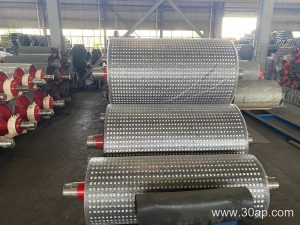
The drive pulley, tail pulley and bend pulley each have a distinct role and are not interchangeable. The drive pulley transmits power, the tail pulley returns the belt, and the bend pulley changes its path. Choosing one to replace another would change the conveyor’s function.
Selecting the Right Grade
An EP400 belt is often a sensible choice when the calculated tension is moderate and the duty is continuous but not extremely heavy. Buyers should confirm the required belt width, the number of plies, cover thickness and cover compound against the actual material and environment. For comparison, an NN nylon conveyor belt uses a different carcass and may suit different elongation behavior, while a steel cord belt is used where much higher strength is needed. These are alternatives for specific duties, not replacements for the EP400 grade in its own range.
Ask the supplier for the actual tensile rating per ply, the recommended minimum pulley diameter for the selected construction, and the splice method. The belt’s working life depends as much on correct installation and pulley alignment as on the belt itself.
Maintenance Notes
- Check idler rollers for seizure, since a locked roller can damage the cover and carcass.
- Inspect drive, tail and bend pulleys for build-up and worn lagging.
- Keep the belt tracking straight to reduce edge wear.
- Repair small cover cuts early to prevent moisture reaching the EP fabric.
- Store spare belting flat, away from direct sunlight and ozone sources.