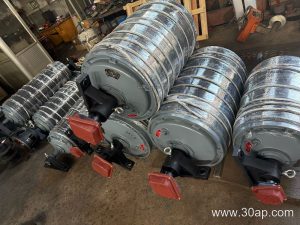
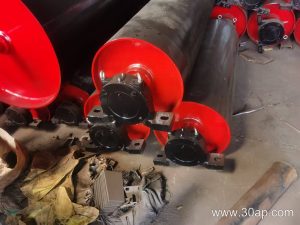
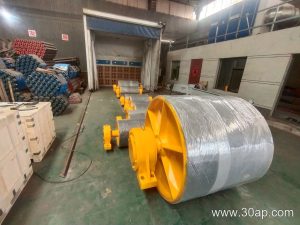
What a Conveyor Vertical Roller Is
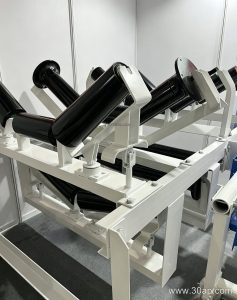
A conveyor vertical roller is a specialized idler used to guide the belt along vertical curves or transitions where the conveyor path changes direction in the vertical plane. Unlike standard carrying idlers that support the belt in a trough, this roller is positioned to maintain proper belt tracking and prevent material spillage as the belt moves from a horizontal section to an incline or decline. In industries such as mining, cement plants, and port terminals, these rollers help ensure smooth operation where elevation changes are part of the conveyor route. They are often installed in pairs or groups to form a controlled vertical bend, working together with the conveyor belt and other idler rollers to keep the material load stable.
Construction and Key Components
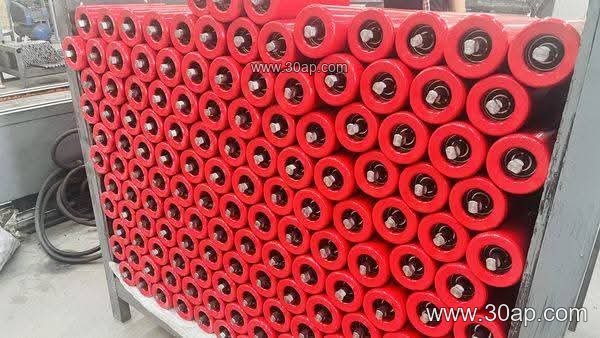
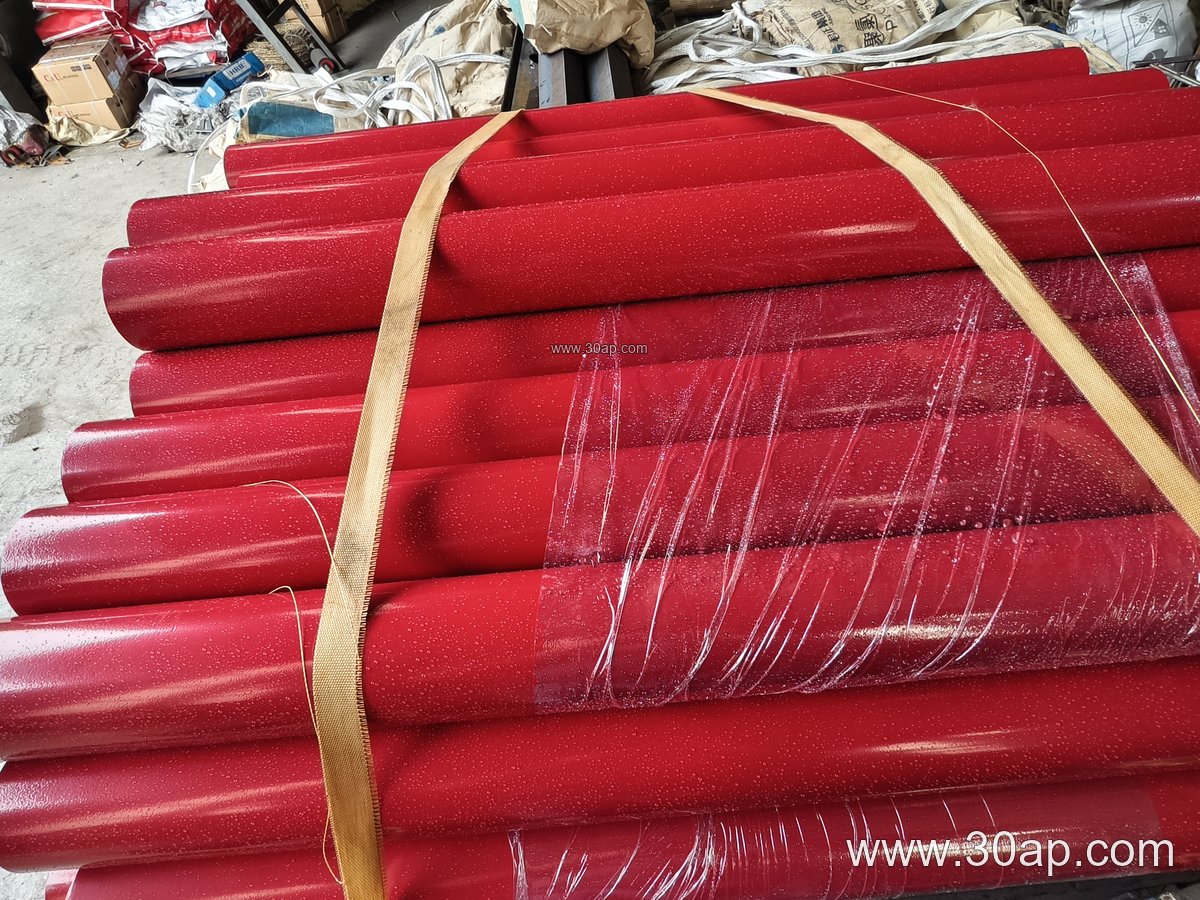
The conveyor vertical roller typically consists of a steel tube shell, bearing housings, and a shaft, sealed to protect against dust and moisture. The roller surface may be plain steel, nylon, or rubber-coated depending on the application; rubber lagging can improve grip and reduce wear in abrasive environments like limestone quarries or coal washing plants. Bearings such as 6205, 6305, or 6306 are commonly used, selected according to load and speed requirements. The roller diameter and length are matched to the belt width and the vertical curve radius; for example, a Ø108 roller might be used with a B800 belt, while a Ø159 roller could suit a B1400 belt, but these are only typical examples and actual sizing depends on the conveyor design. The shaft is sized based on the radial load, not simply on belt width, so engineers calculate the required shaft diameter from the specific forces involved.
Where It Fits in a Conveyor System
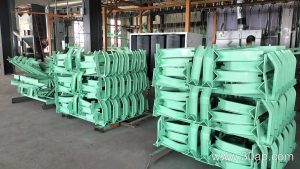
Vertical rollers are often found at transfer points, loading zones, and along curved conveyor routes in sectors like iron ore mining, power plant coal handling, and aggregate production. They complement the main carrying idlers and return rollers, and may be used alongside a conveyor pulley (drive, tail, or bend pulley) to manage belt tension and direction. In a typical installation, the vertical roller is mounted on a sturdy conveyor bracket that allows adjustment for alignment. It is not a replacement for a bend pulley; rather, it helps guide the belt through a vertical curve where a pulley might not be practical due to space or design constraints. Properly placed vertical rollers reduce belt edge stress and extend the service life of the conveyor belt.
Selection and Sizing Considerations
When choosing a conveyor vertical roller, buyers should consider the belt width, the vertical curve radius, the material being conveyed, and the operating environment. The table below lists common reference values for roller diameters and belt widths, but these are not fixed combinations—each application requires engineering verification.
| Belt Width (B) | Common Roller Diameter (Ø) | Typical Bearing |
|---|---|---|
| B500 | Ø63, Ø76, Ø89 | 6204, 6205 |
| B650 | Ø76, Ø89, Ø102 | 6205, 6305 |
| B800 | Ø89, Ø102, Ø108 | 6205, 6305, 6306 |
| B1000 | Ø108, Ø127, Ø133 | 6306, 6308 |
| B1200 | Ø127, Ø133, Ø159 | 6308, 6310 |
| B1400 | Ø133, Ø159, Ø178 | 6308, 6310 |
| B1600 | Ø159, Ø178, Ø194 | 6310 |
| B1800 | Ø178, Ø194, Ø219 | 6310 |
Other factors include the surface form—plain steel for general use, rubber for shock absorption in primary crushing circuits, or ceramic for high abrasion—and the sealing system, which should suit dusty conditions found in cement plants and coal yards. The roller length depends on the belt width and the vertical curve geometry, so it is determined per project. For comparison, a buffer roller might be used at loading points to absorb impact, while a vertical roller focuses on guiding the belt through a vertical bend; they serve different purposes and are not interchangeable.
Maintenance and Buyer Checklist
Regular inspection of conveyor vertical rollers helps prevent belt misalignment and premature wear. Check for bearing noise, shell wear, and seal integrity, especially in abrasive environments like copper mines or sinter plants. Lubrication intervals depend on the bearing type and operating conditions; many modern rollers use sealed-for-life bearings. When ordering, specify the belt width, vertical curve radius, roller diameter, shaft size, bearing type, and surface finish. Avoid assuming that a given belt width automatically dictates a single roller diameter or shaft size—those are engineering decisions based on load calculations. A well-chosen vertical roller, combined with proper conveyor brackets and idler rollers, contributes to reliable material flow in demanding industries such as quarrying, fertilizer handling, and tunnel excavation.