What a Conveyor Idler Frame Does on the Line
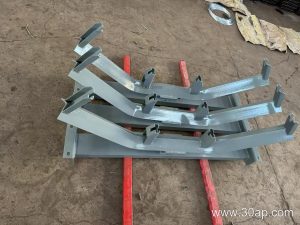
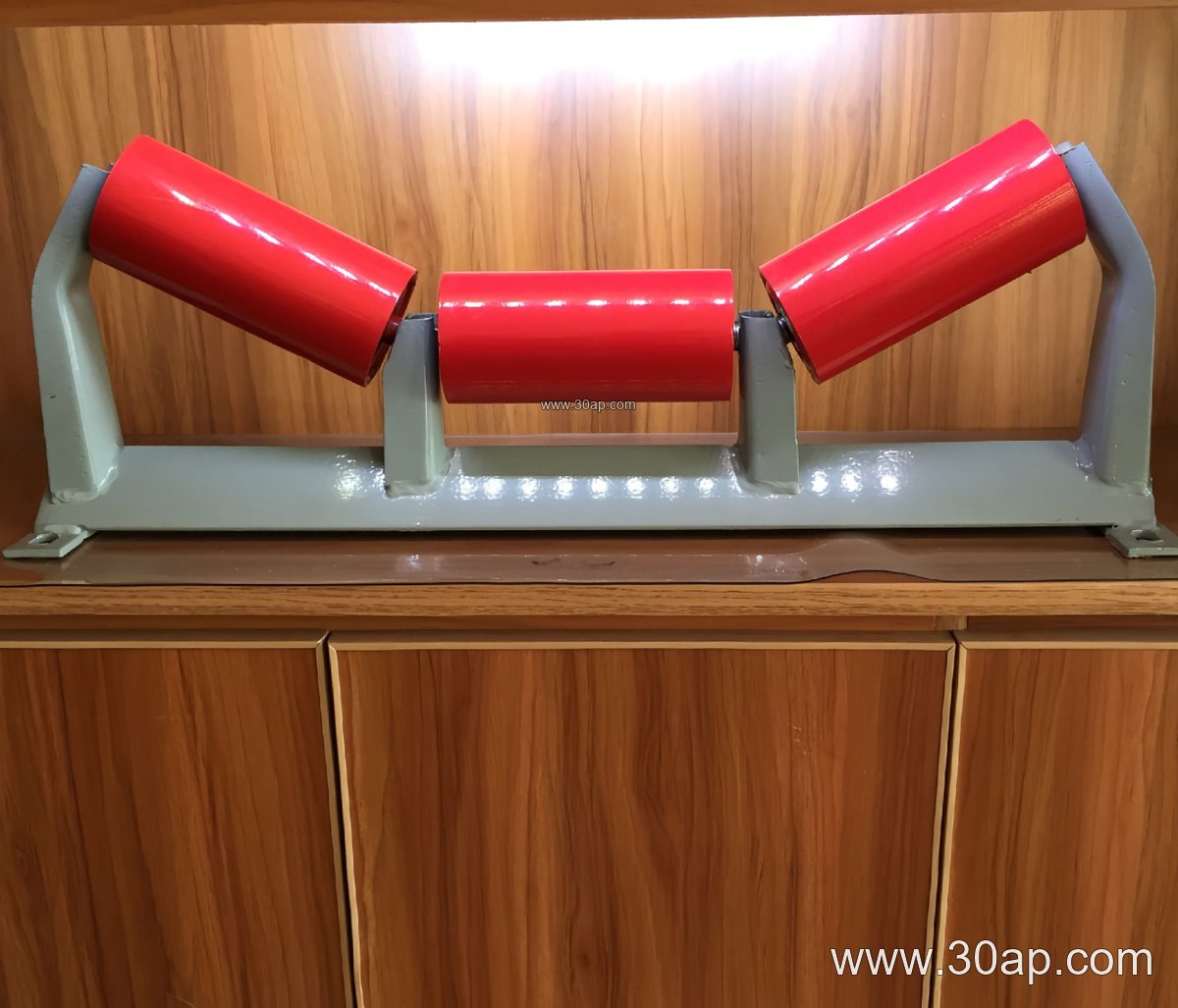
A conveyor idler frame is the structural piece that holds idler rollers in the right position under or over the conveyor belt. In a quarry, cement plant, or coal handling system, the frame keeps the rollers aligned so the belt runs smoothly and the load stays centered. Without a proper frame, even good idler rollers can sit crooked, causing belt edge wear and material spillage. The frame is usually made from angle steel, channel steel, or folded steel plate, and it is bolted to the conveyor stringer or support structure. It is not the same as a conveyor pulley, which drives or redirects the belt at the head, tail, or bend section. The idler frame is a support element, not a power transmission part.
Common Frame Types and Where They Sit
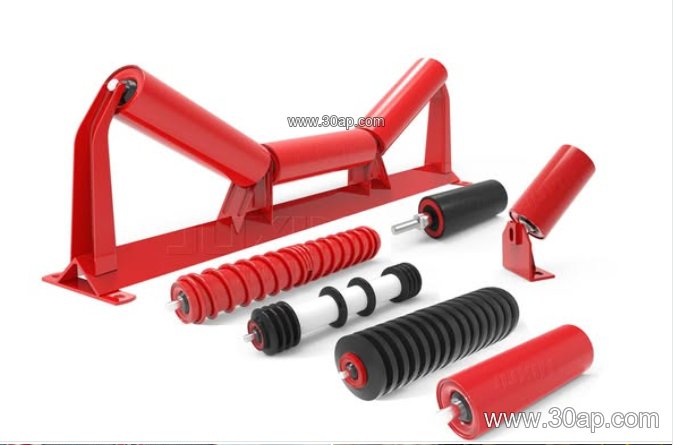
Different positions on a conveyor call for different frame designs. The troughing idler frame, also called a carrying idler frame, supports the loaded side of the belt and sets the trough angle. A return idler frame holds the belt on the return run, often as a flat or V-shaped support. Transition idler frames sit between the pulley and the first full troughing station to help the belt change shape gradually. Impact idler frames are used under loading points to absorb shock from falling material. Self-aligning idler frames help correct belt tracking, while suspended idler frames hang from the structure in some layouts. Adjustable idler frames allow the trough angle to be changed on site, usually between 20 and 45 degrees, which is useful when a conveyor handles different materials.
How the Frame Is Built and Fitted
A typical frame is welded or bolted from steel sections. The crossbeam length and mounting hole spacing are not fixed; they change with belt width, trough angle, and the idler roller diameter used. For example, a frame for B800 belt at 35 degrees may use Ø108 idler rollers, while a B1200 frame at 45 degrees might use Ø133 rollers. These are common combinations, not strict rules. The frame must match the conveyor bracket or stringer hole pattern so the idler rollers sit at the correct height and angle. Bolted frames are easier to replace in the field, while welded frames can be more rigid. Paint or galvanized finish helps in wet or dusty areas such as a wash plant or port terminal.
Matching Frame, Roller, and Belt Width
Buyers should check three things together: belt width, idler roller diameter, and trough angle. A frame designed for B650 belt will not fit a B1400 conveyor, and a frame set for Ø89 rollers will not accept Ø159 rollers without different mounting. The table below shows reference examples only; actual dimensions are set by the conveyor design.
| Belt width | Trough angle | Idler roller diameter | Typical frame use |
|---|---|---|---|
| B500 | 20 degrees | Ø89 | Small transfer or light-duty line |
| B650 | 30 degrees | Ø89 | Aggregate or sand line |
| B800 | 35 degrees | Ø108 | General bulk handling |
| B1000 | 35 degrees | Ø108 or Ø133 | Coal plant or cement plant |
| B1200 | 45 degrees | Ø133 | High-capacity main belt |
| B1400 | 45 degrees | Ø159 | Heavy-duty quarry or port |
Forward-leaning frames, often set at about 1.5 to 2 degrees, are used to improve belt tracking. They are still idler frames, not a replacement for a self-aligning frame. A conveyor pulley at the drive or tail end has its own mounting and should not be confused with an idler frame.
Selection and Maintenance Notes
When choosing a conveyor idler frame, confirm the belt width, the required trough angle, the idler roller diameter, and the mounting hole spacing on the existing stringer. Ask for the frame material and finish if the conveyor runs outdoors or in a dusty cement or fertilizer plant. Check that the frame is square and that the roller slots are aligned; a twisted frame will cause belt mistracking. During maintenance, look for bent crossbeams, loose bolts, and worn roller seats. Replacing a damaged frame early prevents unnecessary wear on the conveyor belt and nearby idler rollers. The frame does not set belt speed or tension; those come from the drive pulley and take-up system. Keep spare frames for the most common stations, such as transition and impact positions, where loads are highest.